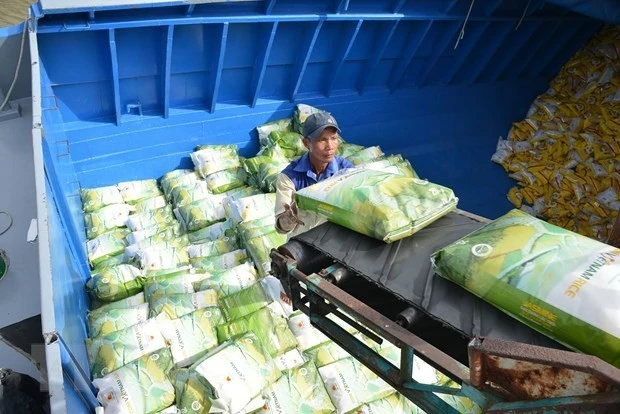
The Viet Nam - Israel Free Trade Agreement (VIFTA), which took effect in late 2024, is poised to provide a fresh boost to agricultural exports, with rice at the forefront.
Israel’s arid climate, limited arable land and severe water constraints leave it with virtually no domestic rice production. While bread and wheat-based staples dominate the national diet, yet rice holds a steady place as a familiar food among Asian and African communities, Arabian citizens and migrant workers.
International data, drawn from Israeli customs and UN Food and Agriculture Organisation (FAO) figures, shows annual rice consumption in Israel at roughly 250,000 tonnes. With a population exceeding 10 million, per-capita intake averages about 25 kg per year. Demand is structurally steady and largely immune to economic fluctuations.
Domestic output is negligible, meaning Israel imports close to 100% of its rice needs. Annual import values typically range from 120-150 million USD, occasionally climbing toward 200 million USD. The market favours milled and polished rice, primarily 5% broken jasmine and japonica types. From January–July 2025 alone, rice imports surpassed 102 million USD, up more than 8% annually.
Australia, Thailand, India and the US are the leading suppliers. Australia and Thailand command large shares thanks to established quality reputations and efficient logistics, while India dominates the Basmati segment, which aligns well with Middle Eastern preferences.
Viet Nam is already among Israel’s rice suppliers, albeit with a modest share of 2.2–3% of total imports. Though small, the foothold is meaningful in a market that enforces some of the world’s strictest quality, safety and regulatory standards.
Growing health consciousness is fueling demand for gluten-free, organic and specialty rice, including wild brown varieties. Ready-to-eat and convenience rice products are also gaining traction amid busy lifestyles and the popularity of vegan diets.
These trends open doors for Vietnamese exporters, particularly premium varieties such as jasmine, ST24 and ST25, which match Israeli tastes for soft, subtly aromatic rice. At the same time, Vietnamese rice remains competitively priced in the mid- to upper-mid tier, an important edge in an inflationary environment where value-conscious shoppers are increasingly selective.
Yet, challenges persist. Israel enforces some of the strictest global standards on food safety, traceability, hygiene, phytosanitary compliance and often Kosher certification. Long-distance shipping, elevated freight costs and entrenched competition from legacy suppliers add further pressure.
Against this backdrop, VIFTA is widely regarded as a game-changer for competitiveness. Signed in July 2023 and effective from November 17, 2024, the deal requires Israel to immediately eliminate tariffs on about 66% of tariff lines, with coverage expanding to roughly 93% in subsequent years.
Crucially, VIFTA provides a clear legal framework covering rules of origin, sanitary and phytosanitary measures, and technical barriers to trade, providing Vietnamese firms with a predictable and legally secure pathway into the market rather than reliance on ad-hoc shipments.
With structurally stable rice demand, overwhelming import reliance and tailwind from VIFTA, Israel is increasingly seen as a high-potential medium- to long-term destination for Vietnamese rice. While it is unlikely to emerge as a high-volume market, it offers an attractive platform to build premium, value-added brands and enhance global recognition.
To seize the opportunity, Vietnamese exporters must meet exacting technical standards, secure necessary certifications and forge lasting ties with Israeli importers and distributors. Enhanced support from trade promotion agencies, industry bodies and more targeted marketing across the Middle East will also be critical to solidify a lasting foothold.