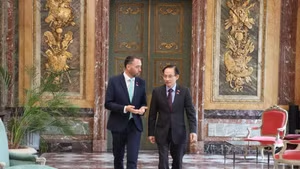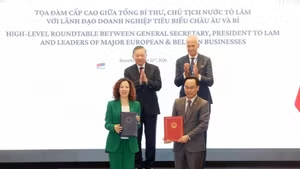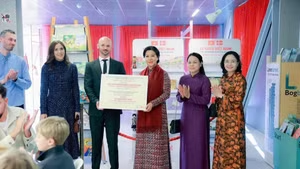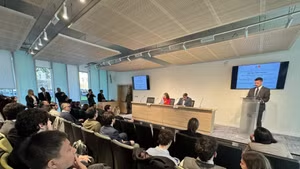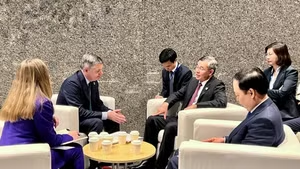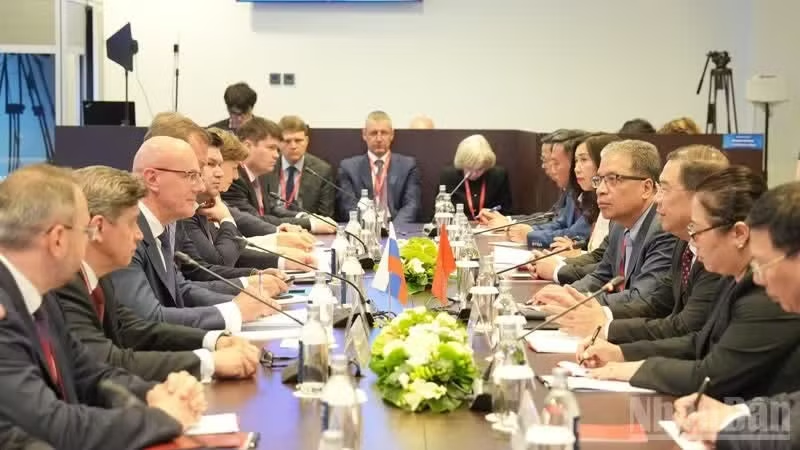
Meeting in St. Petersburg, Tuc said the two countries should intensify efforts to effectively implement high-level agreements, deepen traditional areas of cooperation and expand collaboration into new sectors and projects. He stressed the importance of bringing economic, trade and investment ties in line with the strong political relationship between the two countries, in accordance with the directions set by their senior leaders and the aspirations of the people of both nations.
Chernyshenko described Viet Nam as one of Russia’s most important partners in the region and praised the positive momentum in bilateral cooperation. He acknowledged the efforts made by ministries and agencies from both countries in implementing high-level agreements and the master plan for developing bilateral relations through 2030, particularly in trade, energy, oil and gas, culture and tourism.
The Russian Deputy PM called for closer coordination on long-term strategic projects in areas such as energy, oil and gas, education and scientific research, including the Ninh Thuan 1 Nuclear Power Plant and the Pushkin Russian language centre.
Both sides agreed that despite challenges stemming from regional and global developments, bilateral economic and trade relations have maintained positive growth. Two-way trade expanded by 5.7% in 2025, while cooperation in science and technology, innovation, education and training, especially partnerships between universities in the two countries, continued to deepen.
They also noted vibrant people-to-people exchanges, supported by a growing number of cultural and artistic activities and rising tourist arrivals. They tasked relevant ministries and agencies with accelerating discussions on a group-tourism visa exemption agreement to facilitate travel for citizens and businesses.
The two sides agreed to closely coordinate preparations for upcoming engagements involving senior leaders of both countries, including the 26th session of the Viet Nam–Russia Intergovernmental Committee, which is expected to be held in Viet Nam in 2026.
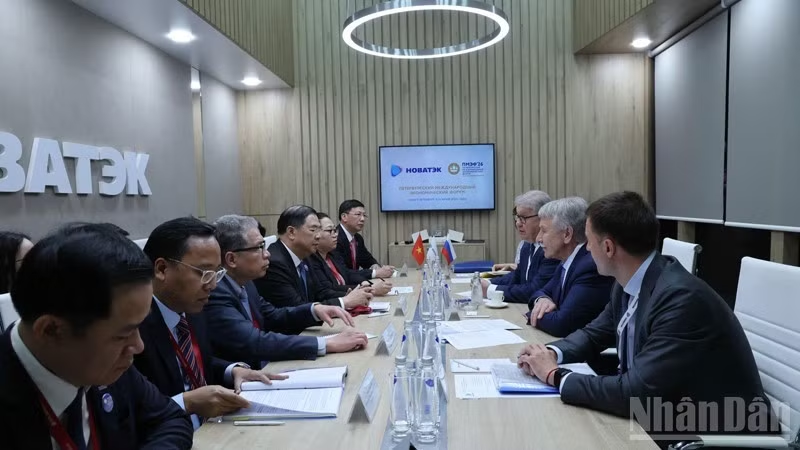
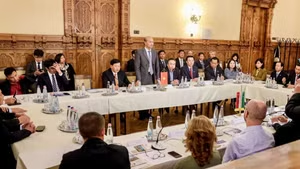
On the same day, Tuc attended the plenary session of the 29th St. Petersburg International Economic Forum and met with senior executives from major Russian corporations, including VTB Bank, AFK Sistema and Novatek.
Representatives of the three companies said Viet Nam’s dynamic economy, large market and clear development strategy make it an attractive destination for Russian investors. They expressed hope that the Vietnamese Government will continue creating favourable conditions for Russian businesses to expand operations and investment activities in the country.
Tuc welcomed the proposals and said Vietnamese authorities will review the concerns and recommendations raised by Russian companies. He reaffirmed that Viet Nam supports foreign investors, including Russian enterprises, in exploring and expanding business opportunities in the country for mutual benefit of both sides.
He added that the success of businesses contributes directly to Viet Nam’s development, emphasising that the government remains committed to accompanying and supporting investors while ensuring compliance with Vietnamese laws and development priorities.