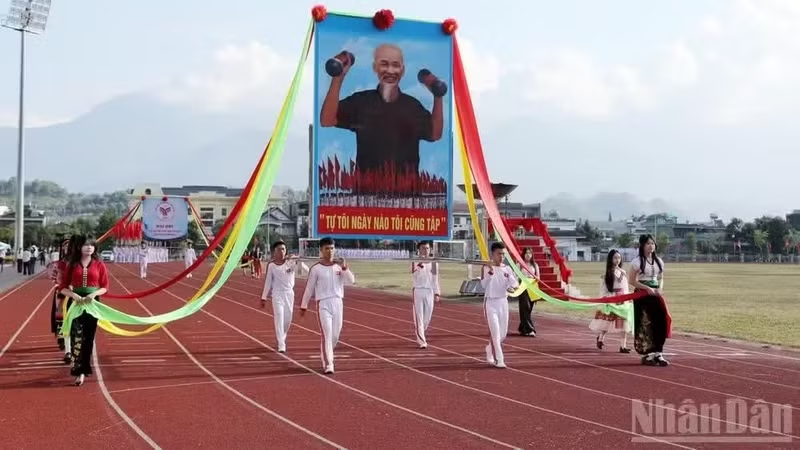
Promoting sports and improving public health must be recognised as a key priority—not only for the sports sector itself but for all levels of government, various departments, and local authorities—as these efforts are intrinsically linked to human potential, population quality, human resources, and, ultimately, national strength.
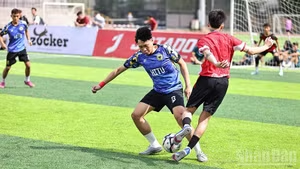
While the sports sector reports that 38.2% of the population engaged in regular physical exercise over the past year—a positive development—the core objective should be to ensure that such activities lead to tangible improvements in physical fitness. They should foster healthy habits and lifestyles, thereby enhancing productivity in study and work, improving quality of life, and establishing a foundation for community health and well-being.
However, for individuals to proactively and consistently engage in physical activity, awareness campaigns and advocacy are not enough. There is a need for more decisive action from government authorities, ministries, and agencies in terms of implementation, guidance, and investment in facilities. The development of sports and physical activity must be integrated into broader frameworks—such as education and healthcare—and prioritised in urban and rural planning, with a greater allocation of space for exercise and sports.
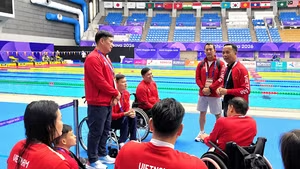
Furthermore, it is essential to develop and refine a system for monitoring and evaluating the health and physical activity levels of the population. This is particularly important for vulnerable groups—including the elderly, children, people with disabilities, and residents in remote or isolated areas—to ensure they have the opportunity to participate in sports and physical activities.
One key task is to prioritise the development of school sports to improve the physical well-being of the younger generation; this includes ensuring adequate facilities and training equipment, as well as strengthening the ranks of physical education teachers. Effectively implementing school sports programmes creates a vital environment for the early identification of talented students, who can then be nurtured and trained professionally, thereby building a talent pipeline for high-performance sports.
The robust development of grassroots and school-based sports will not only enhance the health and physical fitness of the general population but also serve as the essential foundation for high-performance sports. In recent years, sports in Viet Nam have undergone significant transformation, consistently ranking among the top in the region at the SEA Games and achieving notable success in international competitions—including the Asian Games (ASIAD) and the Olympics—most notably in football, spanning men’s and women’s national teams, futsal, and youth squads.
However, these achievements lack long-term sustainability and have yet to reach the desired level of global competitiveness. This necessitates a fundamental shift in mindset and methodology, requiring the urgent resolution of long-standing shortcomings, such as the tendency to spread resources too thinly or the outdated practice of distributing them in an undifferentiated, “across-the-board” manner.
Furthermore, it is imperative to prioritise long-term investment in specific sports and disciplines that align with Olympic and Asian Games standards, focusing on athletes with genuine international competitive potential. This must be accompanied by a robust, substantive evaluation mechanism that uses performance outcomes and future development potential as the primary criteria for resource allocation.
Science, technology, and data must become the cornerstone of sports training, management, and development. This involves integrating hospitals, universities, research institutes, training facilities, and experts into a comprehensive network covering sports science, medicine, nutrition, and recovery. The ultimate goal is to build a system capable of continuously identifying, nurturing, and producing top-tier athletic talent.