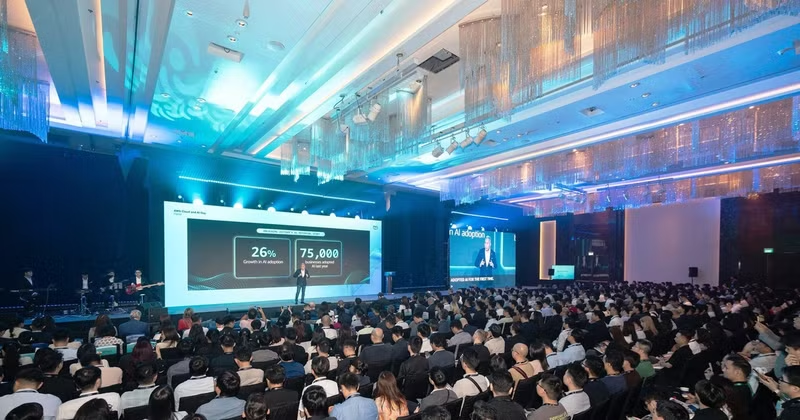
Speaking at AWS Cloud and AI Day Ha Noi on September 29, Deputy Minister of Science and Technology Hoang Minh stressed that Viet Nam’s goal is not simply to expand infrastructure or introduce more artificial intelligence (AI) applications. More importantly, the country aims to build an ecosystem in which businesses, State agencies, universities and research institutions can harness, master and gradually develop new technologies.
At the event, Deputy Minister Hoang Minh said Viet Nam regards science and technology, innovation and digital transformation as important drivers of economic development.
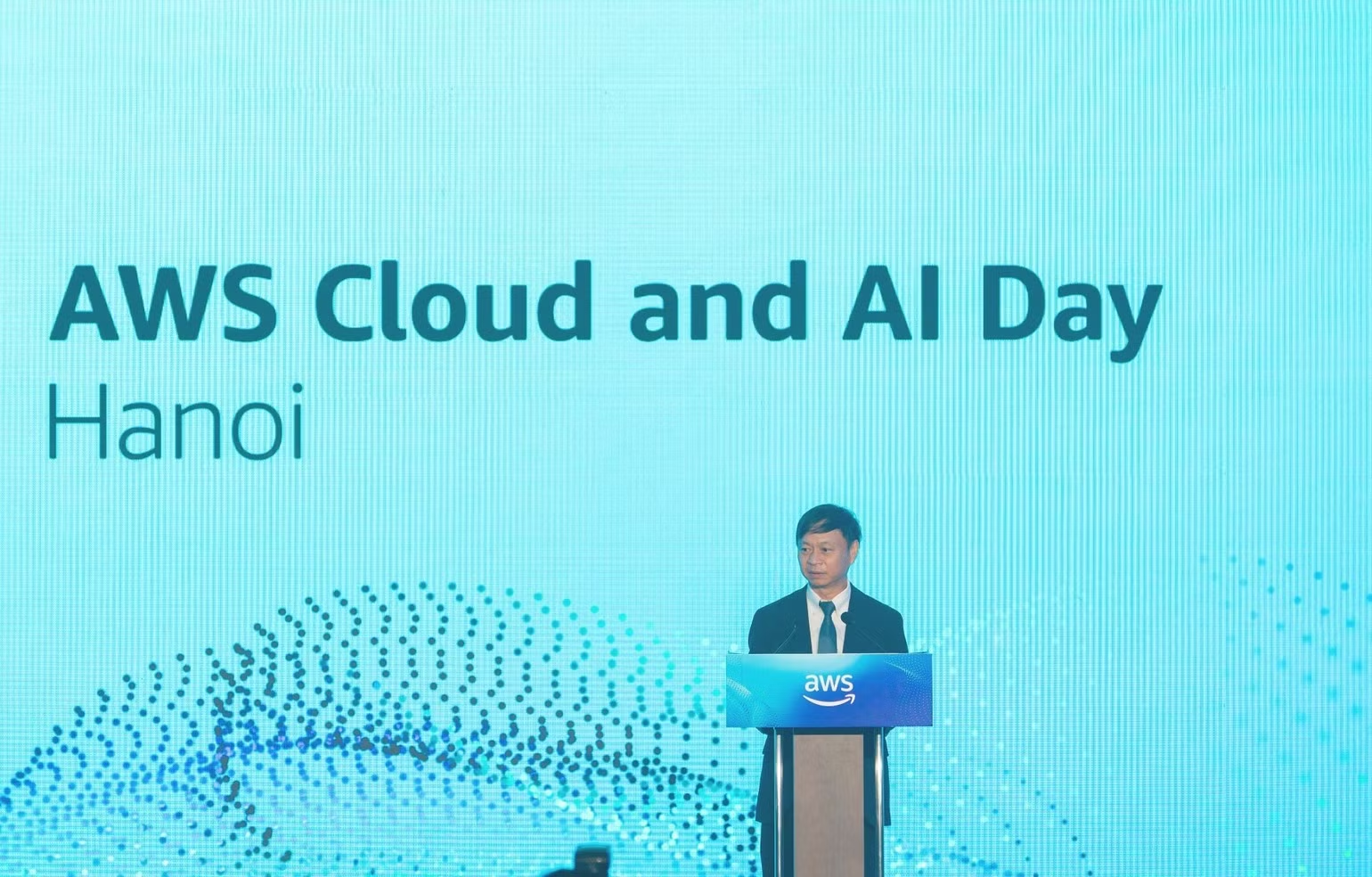
According to the Deputy Minister, Viet Nam continues to expand its digital infrastructure. The country currently has 42 commercial data centres with a combined designed capacity of around 372 MW, while 4G coverage reaches 99.8% of the population and 5G coverage around 91.9%.
However, he noted that expanding physical infrastructure or deploying more standalone AI applications is not the ultimate goal.
What Viet Nam is aiming for is not merely to expand infrastructure or introduce more AI applications. More importantly, it is to build an ecosystem in which State agencies, businesses, universities and research institutions can harness, master and gradually develop new technologies, Deputy Minister Hoang Minh emphasised.
To realise this vision, Viet Nam is focusing on four key areas: developing cloud computing infrastructure, data centres and computing capacity; developing robust, secure and efficient data and AI platforms; rapidly developing a skilled technology workforce; and, importantly, building a comprehensive ecosystem.
According to the Deputy Minister, Vietnamese businesses need to go beyond simply using cloud computing and AI as services. They should gradually strengthen their technological capabilities, develop new products, services and business models, and participate more deeply in global value chains.
In this process, the Ministry of Science and Technology expects international technology corporations not only to provide services, but also to continue investing in infrastructure, workforce training, research, innovation and ecosystem development in Viet Nam.
Speaking from the perspective of Viet Nam–US relations, US Ambassador to Viet Nam Jennifer Wicks McNamara highlighted the role of technology and technological infrastructure in building an innovative, prosperous and increasingly digitalised economy.
According to the Ambassador, cloud computing provides the essential infrastructure for businesses to innovate, scale up and enhance their competitiveness, while also enabling the development of AI, advanced manufacturing, financial services, e-commerce and digital government.
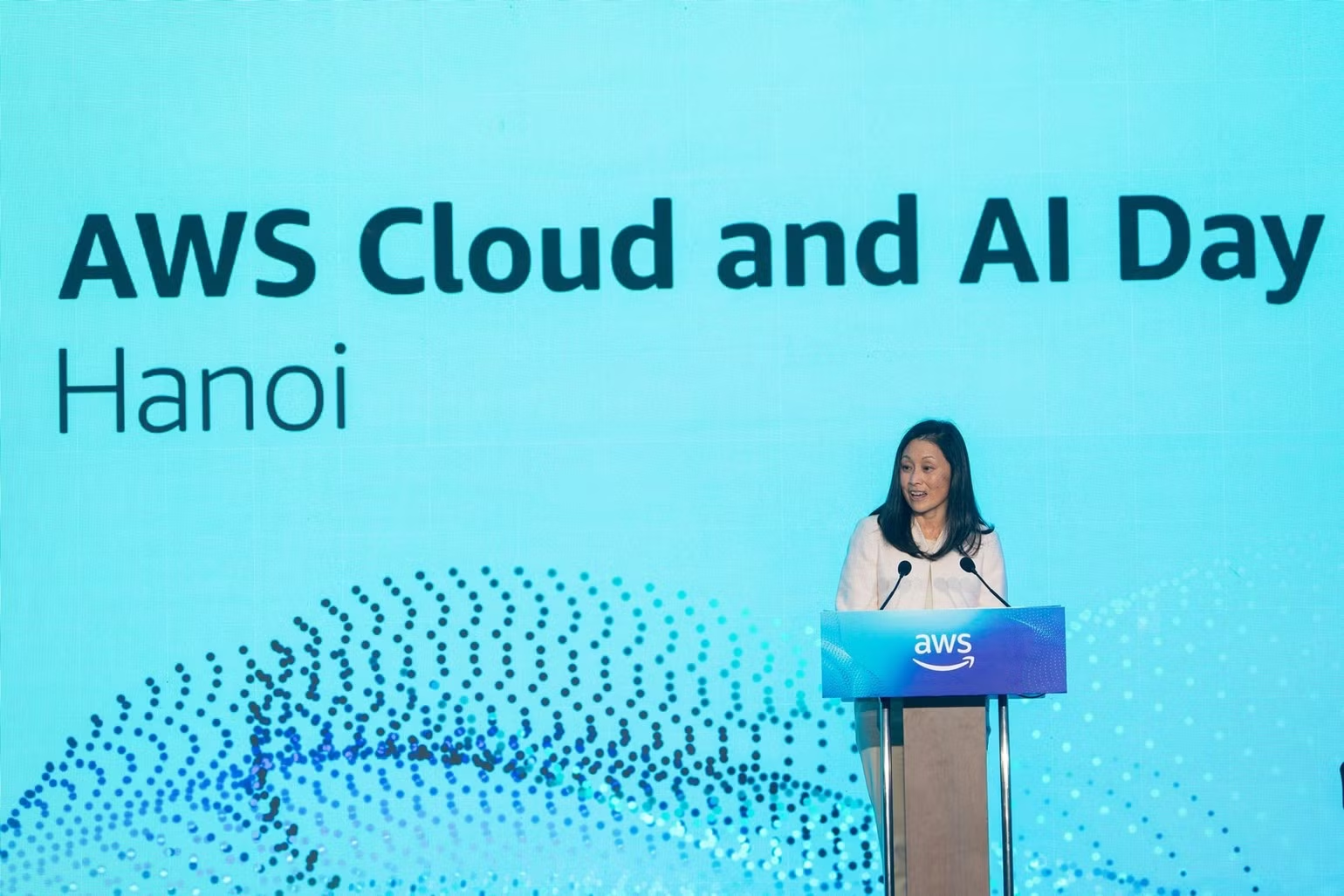
The Ambassador also addressed the role of the policy environment in technology investment. She noted that a favourable regulatory environment, together with greater predictability and transparency in regulations, can help promote investment and bring technology and expertise into Viet Nam, thereby contributing to higher productivity and greater innovation.
According to the US Ambassador to Viet Nam, AWS has established a significant presence in the country, supporting Vietnamese businesses and organisations while investing in digital infrastructure and human resource development.
The Ambassador also addressed the role of the policy environment in technology investment. She noted that a favourable regulatory environment, together with greater predictability and transparency in regulations, can help promote investment and bring technology and expertise into Viet Nam, thereby contributing to higher productivity and greater innovation.
She affirmed that to achieve its goal of sustainable double-digit growth in the coming years, Viet Nam needs to improve productivity across the economy, and digital technologies can be a powerful driver of productivity growth.
Jennifer Wicks McNamara also noted that Viet Nam will need an enabling regulatory environment that continues to foster innovation, attract investment, and allow the international business community, particularly US companies, to effectively deploy new technologies.
From the perspective of an international technology company, AWS said it has been expanding its presence in Viet Nam across multiple layers of infrastructure and services.
AWS began operations in Viet Nam in 2017. Following the launch of an Edge Location in 2022 and AWS Direct Connect in Ha Noi in 2025, the AWS Local Zone in Ha Noi officially became operational on June 19, 2026.
The development of this infrastructure is aimed at meeting demand for low-latency data processing, while also addressing the data storage and processing requirements of organisations and businesses in Viet Nam.
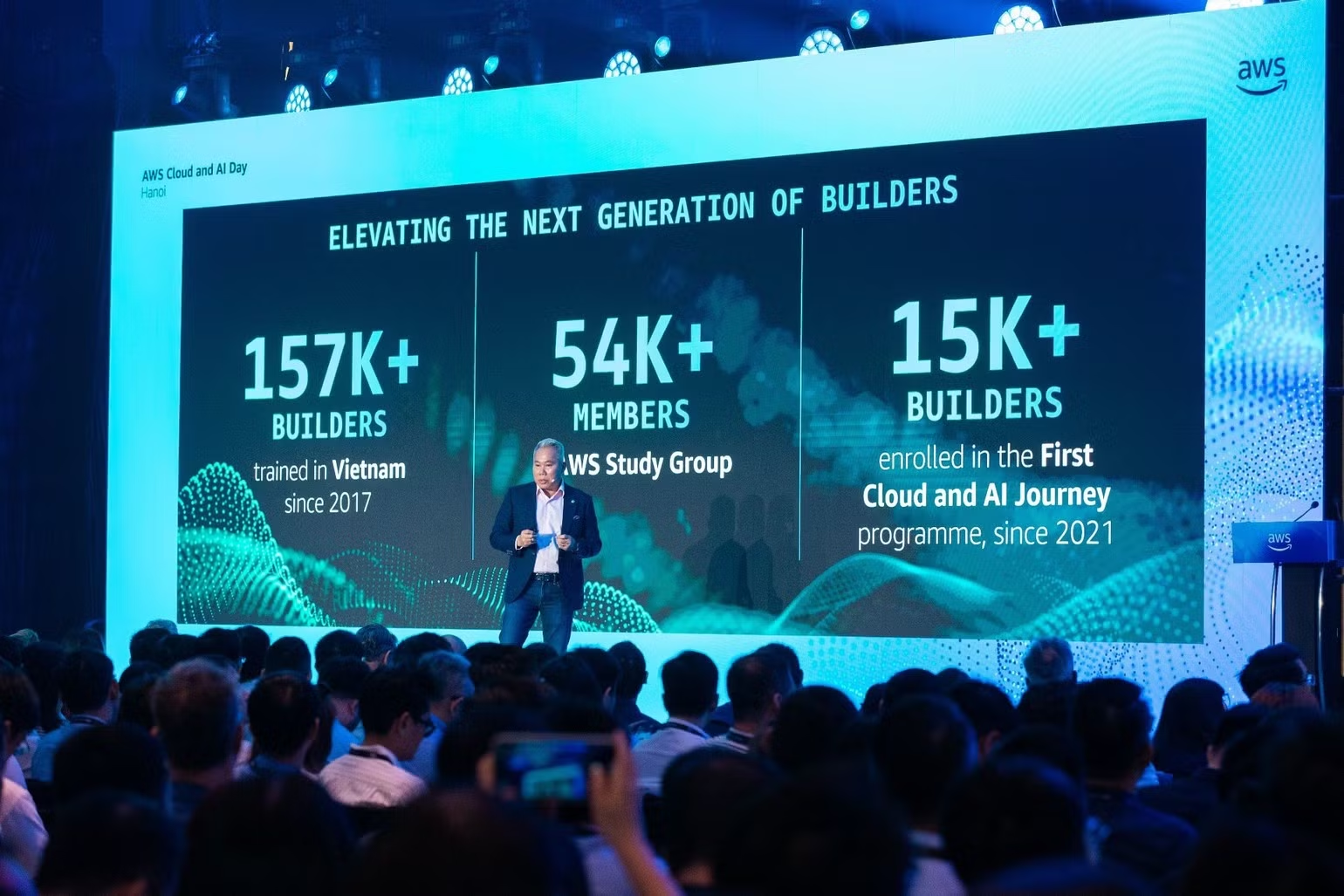
At the event, Eric Yeo, General Manager of AWS Viet Nam, said Viet Nam is showing growing interest in and adoption of technology, gradually turning its ambition to become an ASEAN AI hub by 2030 into reality.
According to AWS, the expansion of cloud infrastructure is being accompanied by the development of its partner ecosystem, developer community and training programmes, aimed at helping Vietnamese businesses access and deploy new technologies.