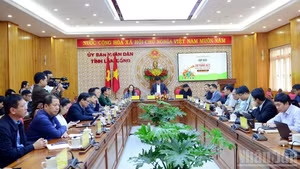
On November 2, the Ha Noi Department of Culture and Sports, in collaboration with the Centre for Cultural and Scientific Activities of the Van Mieu-Quoc Tu Giam, announced a series of events to commemorate the 950th anniversary of the Quoc Tu Giam (1076–2026).
Following the establishment of the Van Mieu (Temple of Literature), the Ly Dynasty founded the Quoc Tu Giam in 1076, Viet Nam’s first imperial academy, during the reign of Emperor Ly Nhan Tong. Over the centuries, this site has served not only as a centre for educating and cultivating talent for the nation but also as a space that embodies the core values of the Vietnamese scholarly tradition: upholding morality, valuing knowledge, honouring teachers, and embracing education as the foundation for personal development and service to the nation.
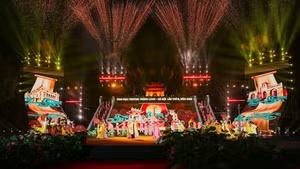
The highlight of the event series, which runs from November 5 to 15, will be the national-level commemoration ceremony titled “950 Years of the Quoc Tu Giam — The Vietnamese Imperial Academy” on the evening of November 14.
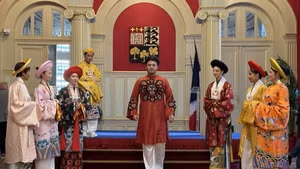
Themed “The Essence of Scholarly Tradition”, the programme is designed as a journey back to the roots, celebrating the spiritual values that have sustained the enduring vitality of Vietnamese education, from the founding of the Quoc Tu Giam in 1076 to the long-standing tradition of educating, nurturing, and valuing gifted individuals.
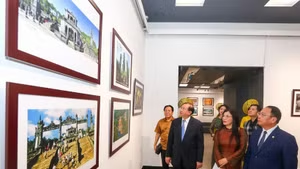
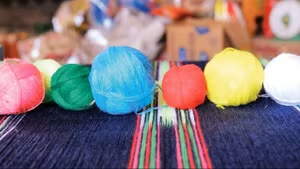
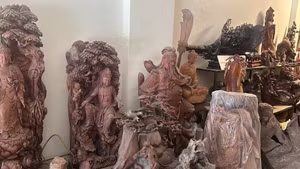
In addition, the Centre for Cultural and Scientific Activities of the Temple of Literature has organised a range of other events, including the exhibition “Founding Masters and Confucian Scholars of Viet Nam,” which showcases traditional crafts and artisanal products from various Vietnamese craft villages.
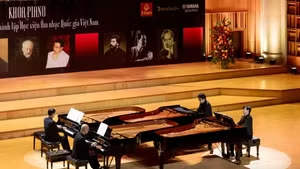
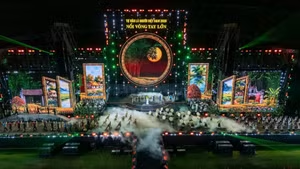
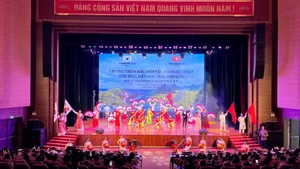
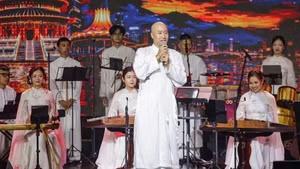
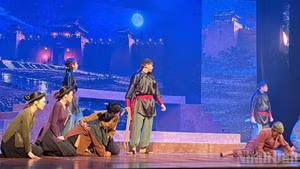
On the occasion, the organisers are also presenting an artistic programme, scheduled to be held on the evening of November 8 at the Văn Lake area, part of the Temple of Literature complex. The programme aims to foster a spirit of reverence for scholarship, inspire pride in the nation’s cultural and intellectual traditions, and ignite a collective aspiration for national development. A variety of other displays, exhibitions, and interactive experiences are also being offered.
According to Pham Xuan Tai, Deputy Director of the Ha Noi Department of Culture and Sports, these activities have been designed to harmonise scientific research, heritage conservation, traditional education, and contemporary artistic expression. Through this series of activities, Ha Noi aims to further affirm the standing of Van Mieu-Quoc Tu Giam within the cultural and historical landscape of Thang Long; it also seeks to leverage the heritage site’s role in fostering traditional values, shaping character, and inspiring a spirit of learning and creativity across generations, especially among the younger generation.