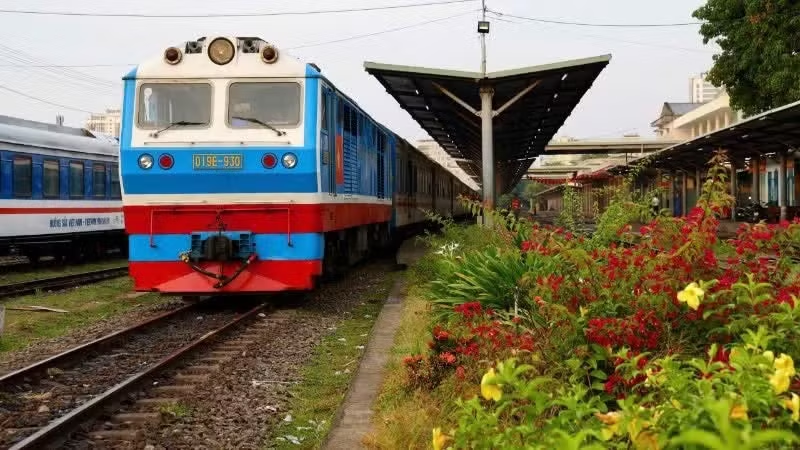
For the railway sector, perhaps spring does not arrive according to the calendar, but through young shoots taking root around stations, beside railway tracks, and through flowers blooming brightly despite harsh weather conditions and the demanding nature of railway work.
Trees and flowers continue to flourish and capture attention thanks to the care of workers after their shifts. Over recent years, the “Railway Tracks–Railway Flowers” movement launched by the railway sector has gradually transformed rigid technical corridors into green spaces.
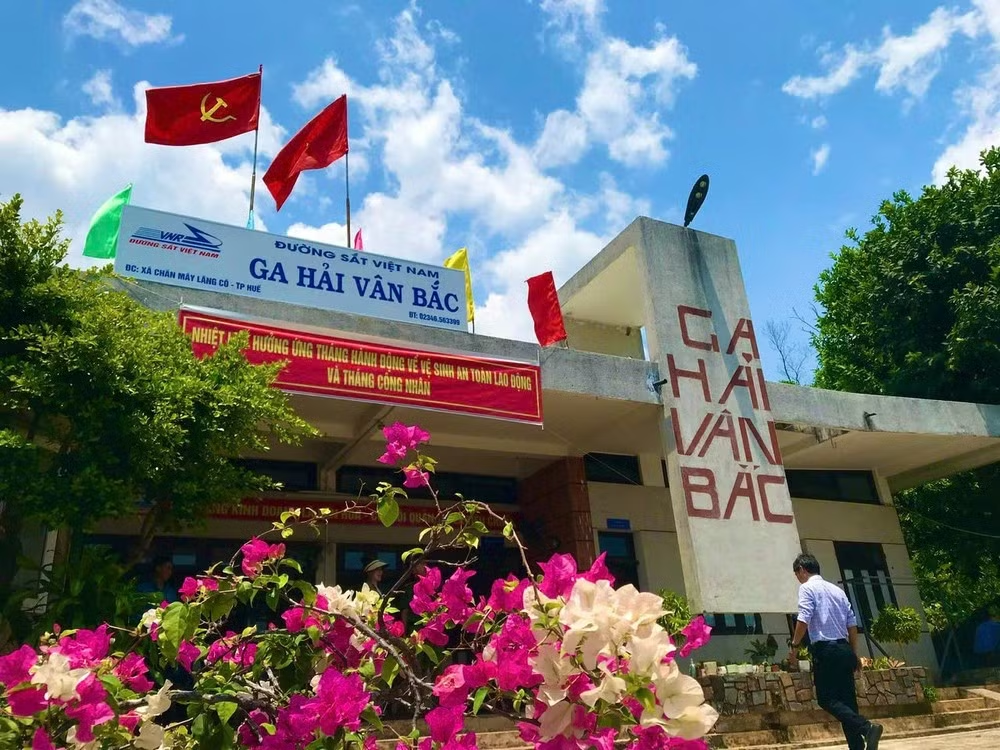
Contributing to this transformation are the stories of people who live and work alongside the railway tracks every day. Railway workers not only ensure train safety operations but also personally plant trees, cast flower pots, water plants, and trim branches and leaves.
It is a unique working environment where technical tasks and daily life blend into a common rhythm. From a grand perspective, the railway corridor forms a continuous line connecting the two ends of the country. But upon closer observation, one can see colourful spaces emerging among the concrete, gravel, and steel rails.
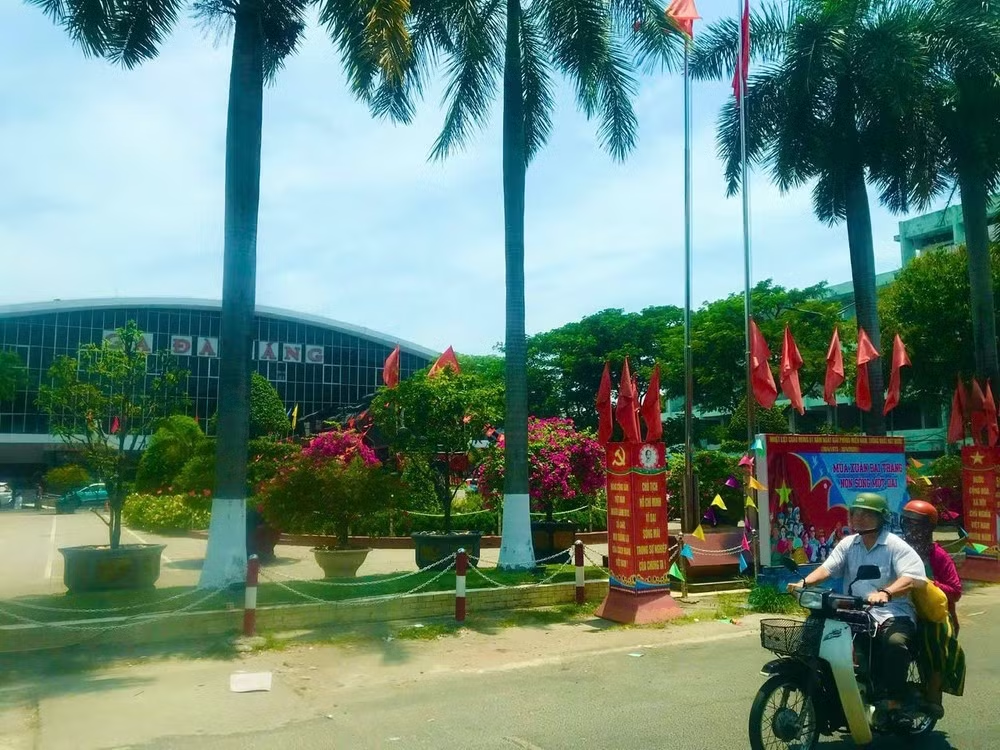
At many railway units, flower pots are made directly at stations using available materials such as cement, sand, and gravel. Many workers, accustomed to physically demanding technical tasks such as rail inspections, crossing duties, and track patrols, now patiently bend down to adjust flower roots and measure the spacing between plant beds to ensure they do not obstruct visibility for train operations. It is a natural transition from maintaining technical safety to nurturing green landscapes.
What makes the movement special is that there is no rigid model. Each unit and railway section implements it according to local conditions. In areas with ample land and favourable climates, long rows of flowers are planted along the tracks. Stations with limited space make use of every square metre to create small flower gardens. In locations with limited manpower and dense train schedules, plant care is organised according to shifts and teams.
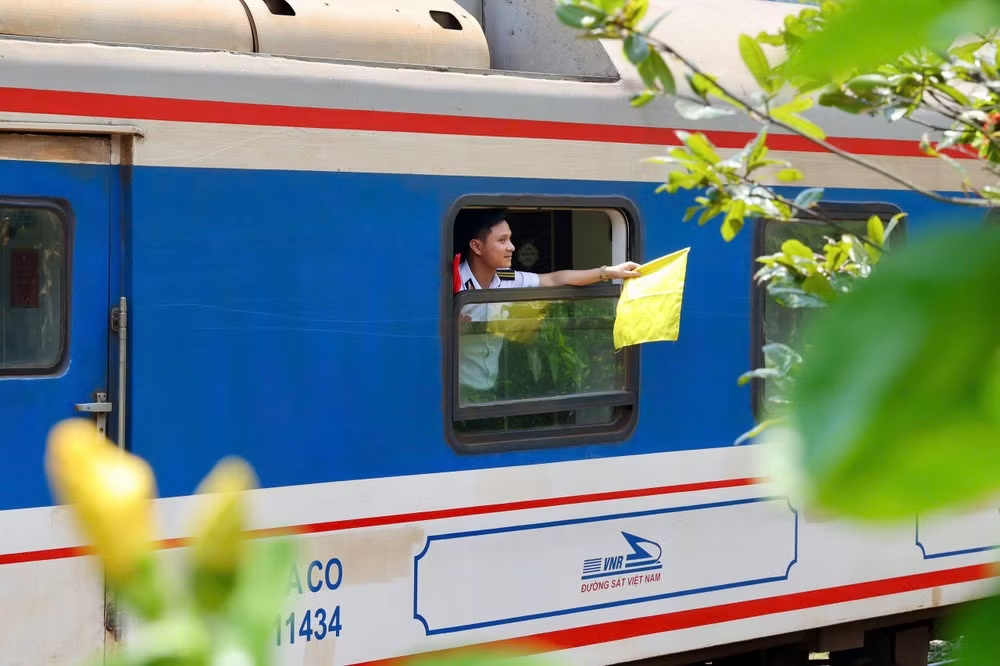
This flexibility has created a network of “railway gardens” united in spirit: self-maintenance, self-care, and beautification of the workplace while expressing care for passengers and visitors. There is no dedicated landscaping workforce. Railway employees themselves carry out all the work.
The railway is an interconnected system, and the “Railway Tracks–Railway Flowers” movement operates in the same spirit. Not every unit enjoys the same conditions. Some areas face harsh sunlight and prolonged heat, others frequent storms, while some have limited staff due to route characteristics. Instead of remaining isolated, railway units have naturally formed mechanisms for mutual support. Units with more favourable conditions actively share seedlings, flower pots, and plant care techniques with those facing greater challenges.
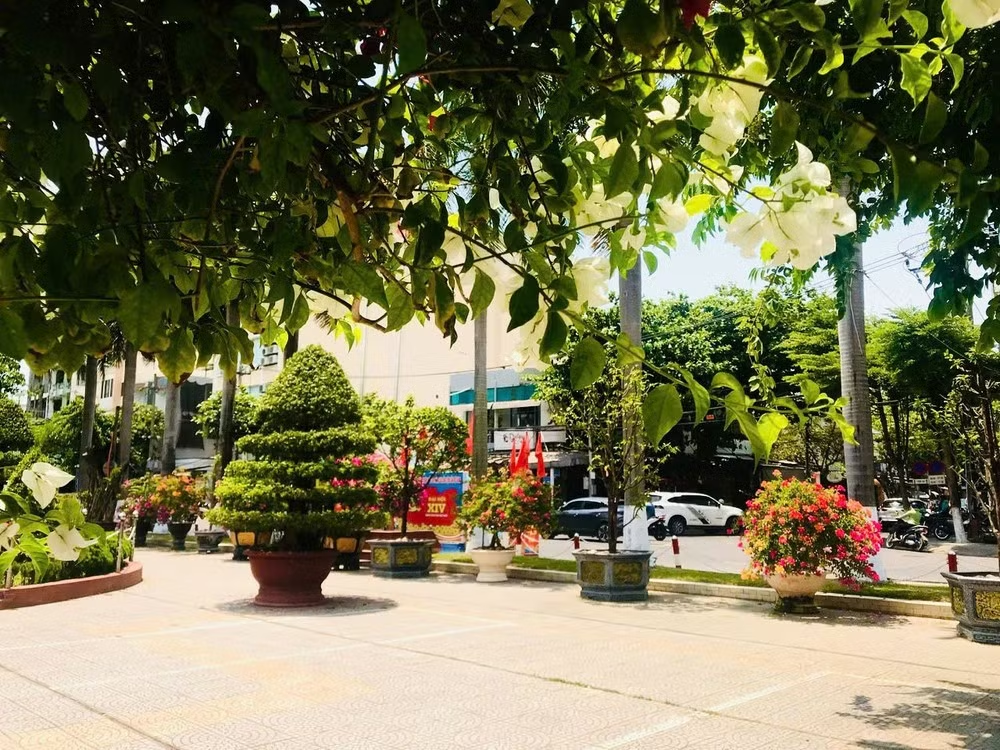
Some places even send plants from favourable regions to harsher ones or provide materials so that remote stations can maintain green spaces. This spirit of sharing stems from a common understanding that the railway system is one unified whole.
Particularly moving is the participation of retired railway workers and officials. Though no longer directly working on the routes, they still follow every train, station, and familiar railway section closely.
Many retired railway employees nurture seedlings and flowers in their own gardens before donating them to their former units. Some encourage family members and children to contribute plants and share gardening experience accumulated over many years.
Le Van Chien, Secretary of the Party Committee and Director of the Nghia Binh Railway Operations Branch, shared that he is especially touched by such warm sentiments.
According to him, every flower pot and flower bed represents professional memories and hopes passed among railway workers. The participation of retired generations has added depth to the movement, reflecting continuity between the past and present, between those still on duty and those who have left their shifts but never truly left the railway sector.
For a long time, railways were viewed merely as technical infrastructure. Through the “Railway Tracks–Railway Flowers” movement, that perception is gradually changing. Railway stations and tracks are also places where people live, work, and build daily connections.
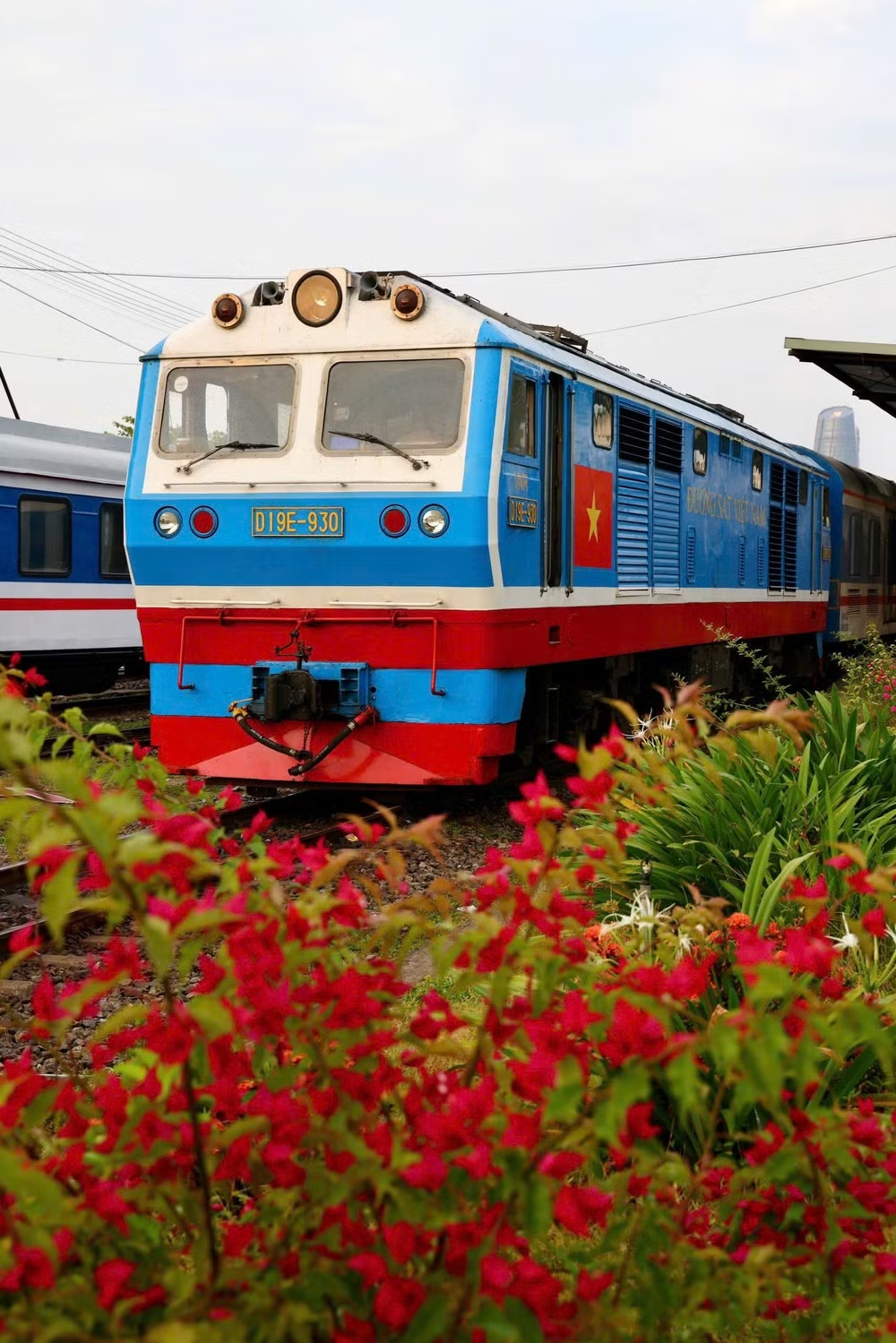
There are conversations during shifts, mornings spent watering plants at station yards, and evenings when colleagues gather to rearrange flower pots after storms. These ordinary moments are closely intertwined with the job itself. Technical spaces thus become living spaces where people and nature coexist harmoniously and complement one another.
Every movement needs a beginning, but what matters most is sustainability. For the “Railway Tracks–Railway Flowers” movement, its lasting vitality comes from the daily repetition of small actions: watering plants, caring for flowers, making pots, sharing seedlings, and supporting difficult units. Together, these efforts accumulate into long-term change.
Across railway stations nationwide today, it is easy to encounter gardens, ornamental plants, and bonsai trees that have been lovingly cared for over the years, possessing aesthetic value equal to that of professional artisans.
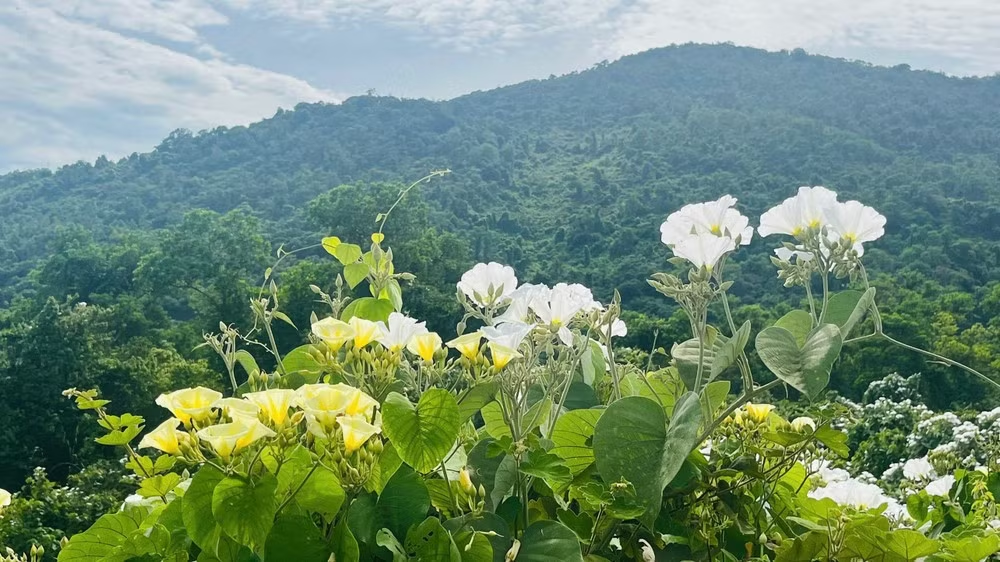
Indeed, bonsai enthusiasts often share stories about famous ornamental trees originating from the railway sector. Yet for railway workers, most ornamental plants and flowers are not viewed in terms of economic value or commercial potential. They are cultivated simply out of affection and appreciation for beauty.
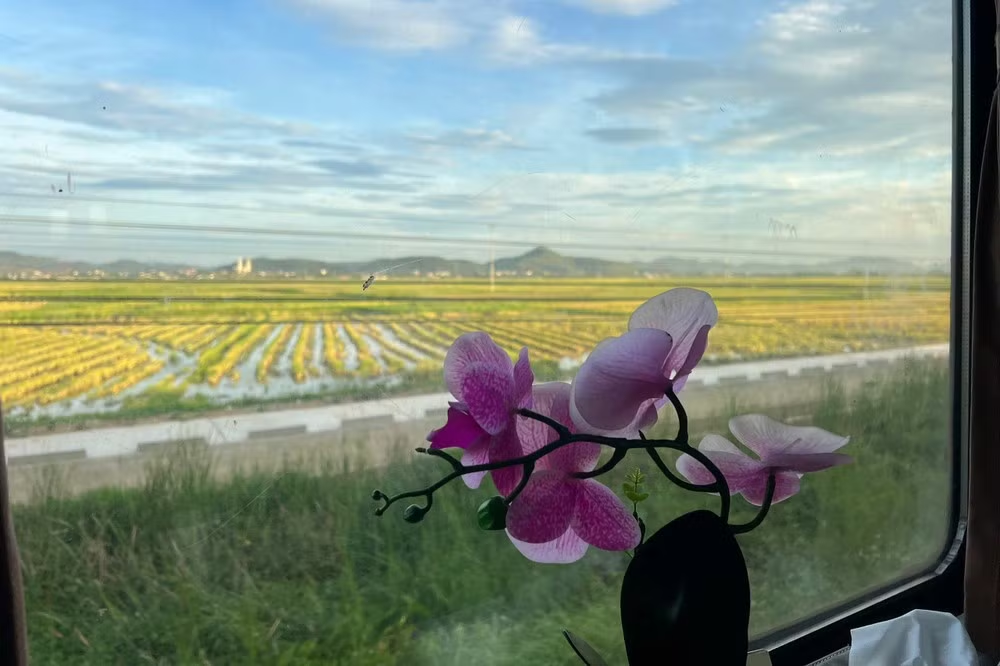
Along today’s railway routes, it is easy to feel and enjoy the growing presence of tree canopies and flower arches spreading across the tracks or standing quietly beside station yards like symbols of vitality and shelter. Spring truly comes from human hands — from workers on night duty who still take time to water plants, from retired officials who gift flower pots as precious memories, and from units sharing seedlings with one another across hundreds of kilometres of railway lines.
Along the endless journey, trains continue to run steadily. Beside them, the colours of spring are constantly awakened by the solidarity of workers and people who never stop sowing greenery across the country.