#cultural heritage

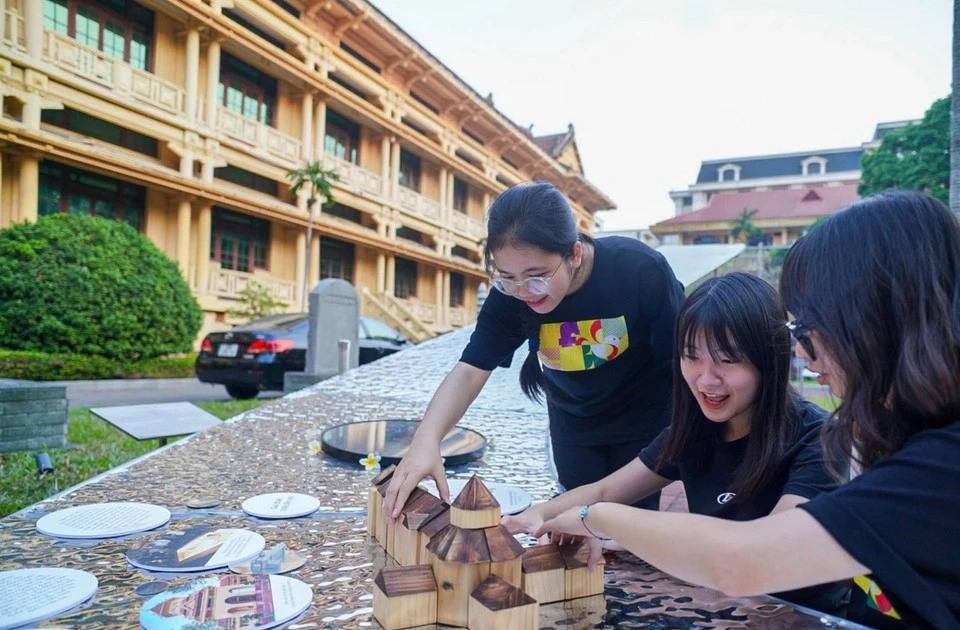
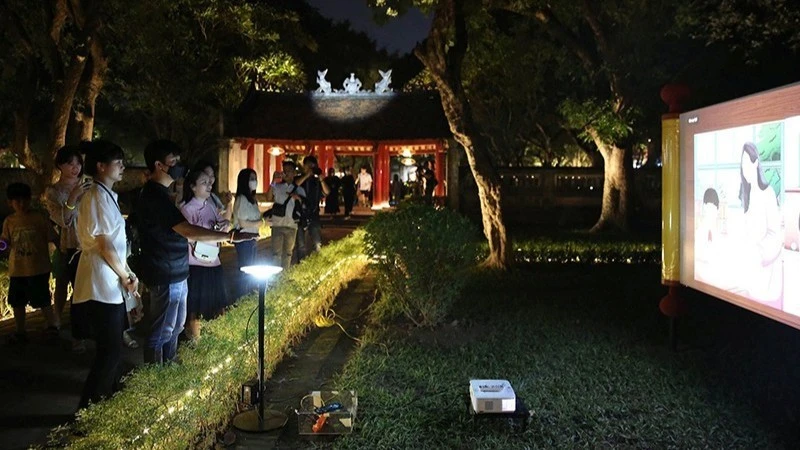
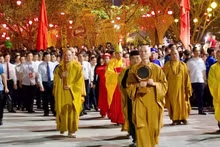
Young people take part in activities at the “Luu Trang Pho Co” programme.
Features

Learning to create “new heritage” from the capital’s advantages

The new elements of several major cultural policies recently announced and implemented by the Party, the State, and the cultural sector highlight Ha Noi’s considerable advantages in fostering creativity based on cultural heritage, generating economic value from and through culture. Beyond economic benefits, creative development alongside heritage preservation can also bring social and humanistic values to people’s lives.

Designer Trinh Bich Thuy (centre) devotes considerable effort to exploring, preserving and promoting the value of Vietnamese silk. (Photo supplied by the subject)
Culture

Bringing cultural heritage to life through fashion

Incorporating elements of cultural heritage into fashion design is becoming increasingly popular, ranging from materials and handicraft techniques to traditional patterns and imagery. However, some attempts to do so have been forced and have even distorted the heritage itself.

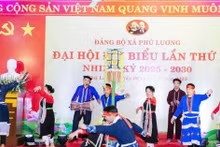
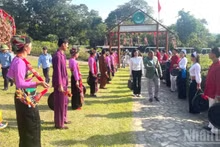
The “Khai den” dance is introduced to wider audiences by the Cao Lan Ethnic Group Culture Club through various events. (Photo: VUONG DIEM)
Features

Keeping folk culture alive

Cultural heritage can hardly remain vibrant if it exists only in people’s memories or conservation records. At the grassroots level, folk culture and arts clubs are therefore creating spaces where communities can practise and pass on traditions, bringing traditional cultural values back into everyday life.

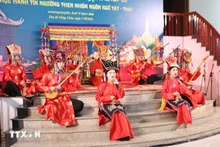
A performance showcases the rich heritage of Then at the event. (Photo: VNA)
Cutural Exchange

Viet Nam showcases Then ritual practices in Laos

An exhibition and performance programme featuring the practices of Then by people of the Tay–Thai ethnic language family opened in Vientiane on August 17 on the occasion of the 81st anniversary of Viet Nam's August Revolution and National Day (September 2) and the 10th anniversary of the Vientiane Declaration on Reinforcing Cultural Heritage Cooperation in ASEAN (2016–2026).

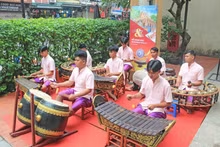
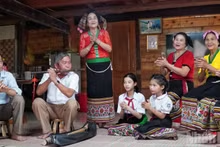
Artisans teach traditional ethnic melodies to the younger generation. (Photo: Dinh Phuong)
Culture

Border regions strengthen cultural heritage preservation

Every ethnic group possesses its own distinctive identity, in which culture serves as the spiritual strength that enables communities to remain rooted in their land, sustain their villages and safeguard national sovereignty. Culture can only endure when it is nurtured both by those who create it and by the local communities who live within it.

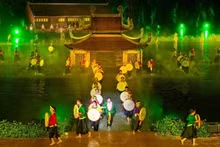
A scene from the real-life theatrical production “The Quintessence of Tonkin”, which vividly recreates traditional northern Vietnamese life and culture with the participation of local residents. (Photo: Tuan Chau-Ha Noi Joint Stock Company)
Culture

Respect for communities needed when harnessing cultural values

The rapid pace of globalisation has driven an explosive growth of the creative economy across many countries, including Viet Nam. However, alongside the opportunities for developing cultural industries, issues have emerged, including borrowing without attribution, disrespect for origins, distortion of cultural values, and harm to communities.

Back to top