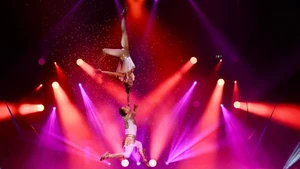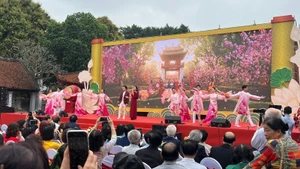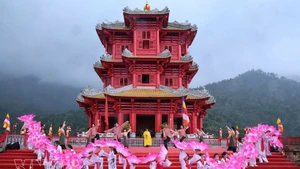
Ha Noi and Ho Chi Minh City continued to play their role as “cultural locomotives”. At the same time, many localities began to orient themselves towards a cultural–tourism–creative economy model as a new driver of growth.
Changes in development thinking were also reflected in the clearer recognition of cultural industries as a leading force of the digital economy. As digital transformation spread strongly across all sectors, cultural industries—based on intellectual assets and creative content—emerged as one of the fastest-growing sectors, with strong links to global markets and a high capacity to attract international resources. Policies on open data, the development of creative infrastructure, digital ecosystems for heritage and performing arts, and the promotion of copyright and intellectual property markets have begun to shape an entirely new development architecture for Viet Nam’s culture in the years ahead.
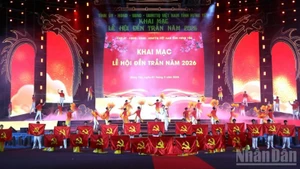
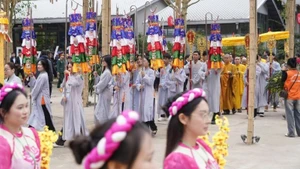
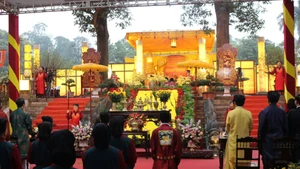
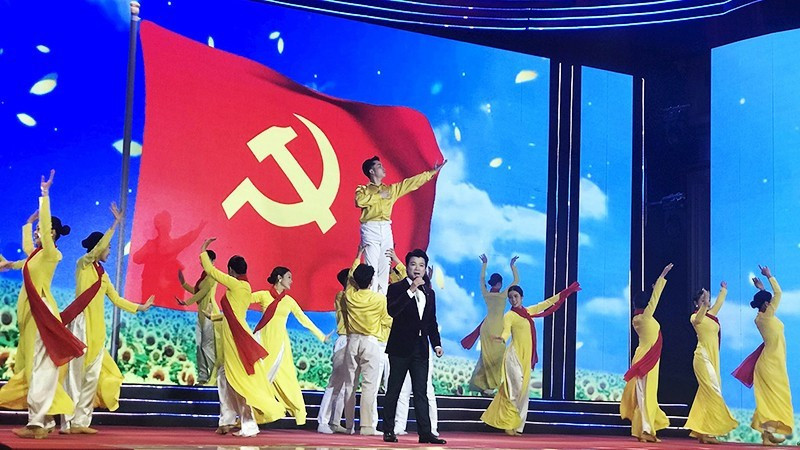
Alongside strategic innovations, 2025 also witnessed the strong vitality of national-scale cultural events. A series of activities commemorating the 50th anniversary of national reunification and the 80th anniversary of the August Revolution and National Day carried not only profound political and historical significance, but also became “soft launchpads” for projecting the image of a modern, integrated and creative Viet Nam.
From major national ceremonies and festivals to forums, conferences and regional and inter-regional festivals—especially A80, the year’s most inspirational event—all pointed to Vietnamese culture entering a phase of energetic resurgence and strong repositioning in the country’s spiritual and social life.
If Strategy 2486 is regarded as the institutional lifeblood of cultural industries in 2025, then the year’s creative achievements were the powerful current that demonstrated the renewed vitality of Vietnamese culture. Having moved beyond the challenging months of the pandemic, Viet Nam’s cultural and arts market experienced a remarkable boom, as people rediscovered confidence, inspiration and pride in cultural products created by Vietnamese themselves.
Cinema, music, performing arts, cultural tourism, fashion and digital arts—each field reached resounding milestones, reflecting the confident maturity of the country’s cultural industries.
Most prominent of all was Vietnamese cinema. Never before had the domestic film market witnessed such major breakthroughs. Mua Do (Red Rain) and Dia Dao: Mat Troi Trong Bong Toi (Tunnel: Sun in the Dark) not only shattered box-office records, but also broke long-standing prejudices surrounding historical and war films—that they are difficult, costly and attract limited audiences.
As long queues of viewers continued outside cinemas in Ha Noi, Ho Chi Minh City, Da Nang and Can Tho, it became clear that Vietnamese cinema was entering a new chapter: one of pride, of national spirit reinterpreted through modern cinematic techniques and professional production thinking. Even more notably, at several points during the year, revenue from Vietnamese films surpassed that of foreign productions, breaking the long-standing “Hollywood dominance”.
The success of filmmakers such as Tran Thanh, Ly Hai and a new generation of young directors has reinforced confidence that Viet Nam can build a strong film market—rich in identity and commercially attractive enough to become a true industry.
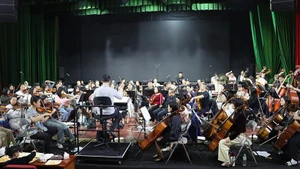
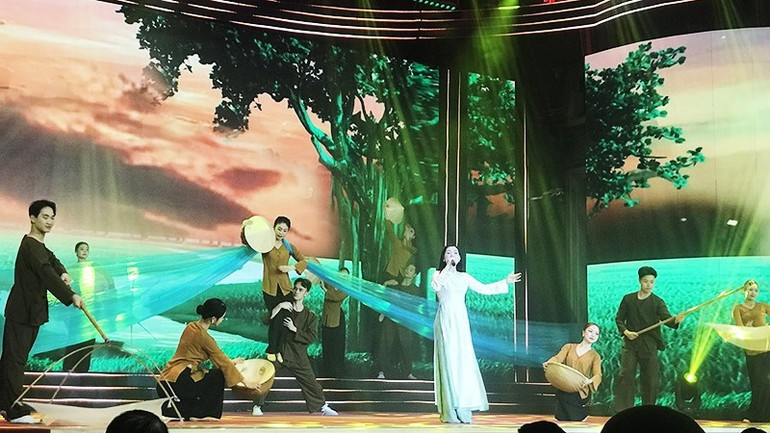
If cinema was the “brightest star”, then music and live concerts in 2025 formed a dazzling “galaxy” of creativity. Venues such as the Viet Nam National Exposition Centre and My Dinh National Stadium had never shone so brightly, hosting national-scale events including V Concert – Radiant Viet Nam, V Fest – Vibrant Youth, and numerous high-quality music nights produced to international technological standards.
What made these events successful was not only modern sound and lighting, but also a youthful, vibrant Vietnamese spirit. These concerts were not merely entertainment events; they became genuine “cultural phenomena”—where audiences shared a collective rhythm, where music became a common language of the community, and where aesthetic values and national pride were reaffirmed.
Cultural tourism also enjoyed a similarly radiant year. 2025 saw the strong return of tourism products linked to heritage, festivals, arts and creativity. Hoi An, Da Lat, Ha Noi, Hue, Nha Trang, Da Nang and especially Ho Chi Minh City—after joining the UNESCO Creative Cities Network—emerged as destinations vividly showcasing the vitality of Vietnamese culture.
International visitors increasingly came not only to sightsee, but to experience culture, a trend signalling Viet Nam’s transition from a nature-based tourism destination to a cultural tourism destination. Year-long A80 festivals added new emotional layers, reinforcing Viet Nam’s position as a safe, dynamic and identity-rich destination.
The official admission of Ho Chi Minh City into the UNESCO Creative Cities Network, following Hoi An and Da Lat, placed Viet Nam among a small group of countries worldwide with multiple creative cities—a globally recognised passport for the nation’s soft power.
Meanwhile, the fashion and design sector witnessed the proud maturation of a new creative generation. Vietnamese fashion in 2025 no longer stood on the sidelines of the regional market, but gradually made its mark through collections with cultural depth, the use of traditional materials, modern techniques and a distinctly Vietnamese aesthetic spirit. Many young designers were invited to international fashion weeks, while several Vietnamese brands appeared on major Asian e-commerce platforms, demonstrating the competitive capacity of the domestic creative industry.
At the same time, digital arts, gaming, online creative content and the digital copyright market grew strongly, bringing Viet Nam closer to the position of a major content-producing country in the region. Notably, young people were at the heart of this movement—not only as consumers of culture, but increasingly as its creators. They develop games, produce digital content, design in 3D, compose electronic music, make short films and appear on international creative platforms. A new cultural ecosystem is taking shape, where technology does not oppose tradition, but helps it spread more widely and deeply.
Looking at all these developments, it is clear that 2025 was the year in which Vietnamese creativity was unleashed most powerfully. Cultural industries are no longer “spontaneous and fragmented”, but have become a unified flow, connected through creative value chains, new policies, the organisational capacity of localities, and—most importantly—through the growing demand of Vietnamese audiences for high-quality cultural products rich in national identity.