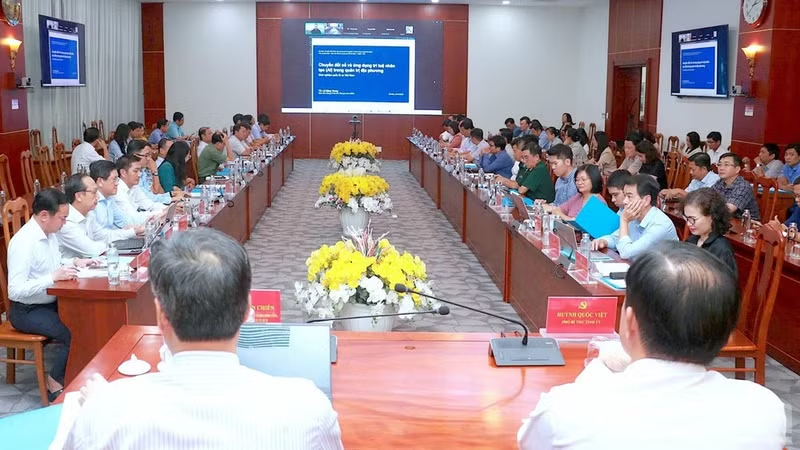
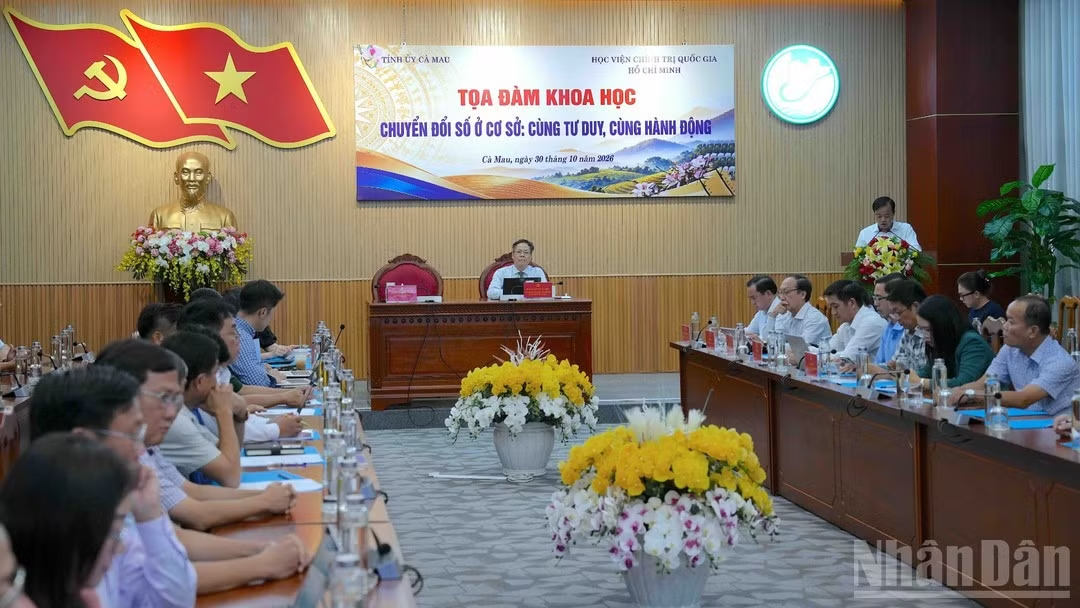
The seminar was co-chaired by Huynh Quoc Viet, Deputy Secretary of the Ca Mau Provincial Party Committee, and Associate Professor Dr. Le Van Chien, Head of the Institute of Leadership and Public Administration.
The primary objective of the seminar was to analyse and clarify practical bottlenecks, while proposing strategic solutions to enhance governance capacity, strengthen infrastructure, and promote the comprehensive application of digital technology from the commune and ward levels across the province of Ca Mau.
In his guiding remarks at the seminar, Deputy Secretary of the Ca Mau Provincial Party Committee Huynh Quoc Viet emphasised that digital transformation at the grassroots level is by no means limited to simply providing computers, installing software, or digitising routine administrative documents. In essence, it represents a revolution that comprehensively transforms the methods of leadership and management, as well as the mindset toward serving the public, within the grassroots-level political system.
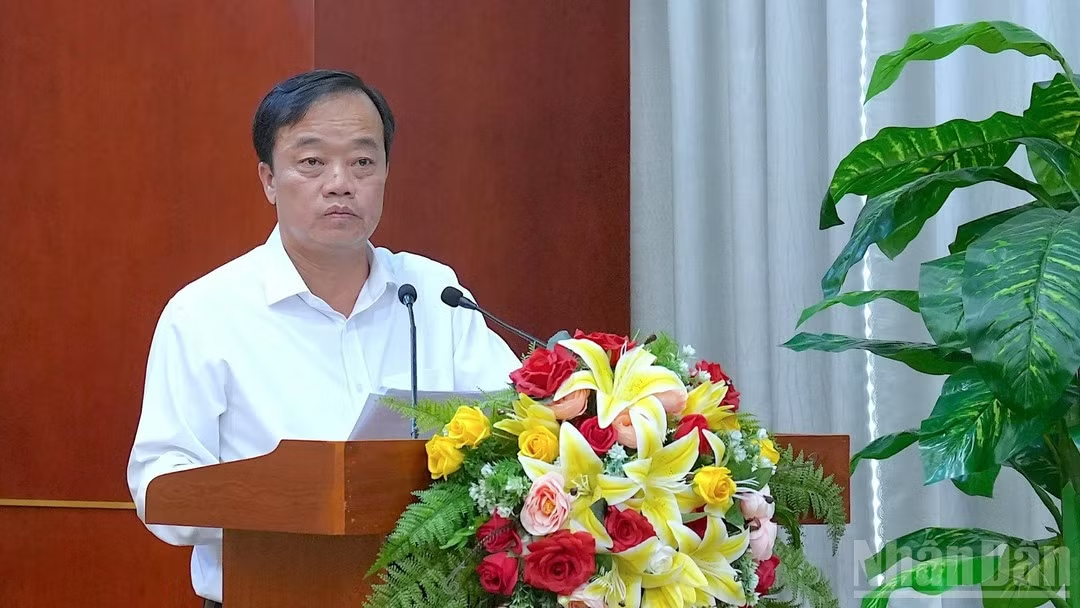
As the province intensifies the decentralisation of authority and delegates key responsibilities to the commune level, digital transformation serves as a vital tool and a crucial key to alleviating the workload, optimising operational processes, and shorten the gap between the government and the public.
Huynh Quoc Viet emphasised that the actual effectiveness of digital transformation should not be measured by the number of technology platforms deployed or the proportion of administrative applications submitted by officials on behalf of residents.
The core value must be reflected in tangible outcomes: shorter processing times for administrative procedures, reduced social costs, increased labour productivity among officials, and—most importantly—a marked improvement in the satisfaction levels of citizens and businesses.
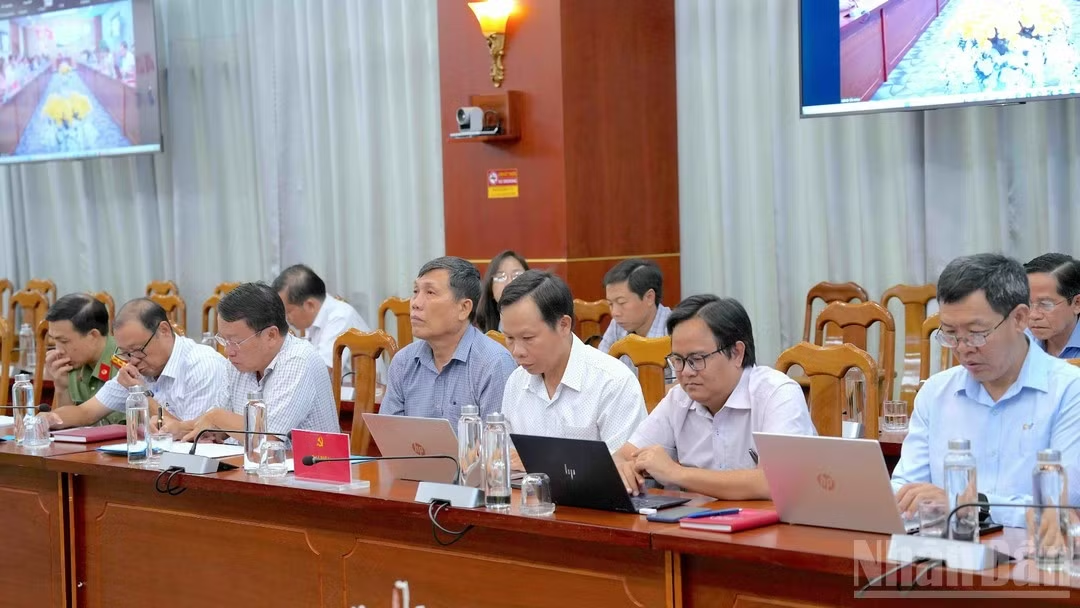
He called on Party committees and local authorities at all levels to uphold the shared spirit of “thinking together, acting together” and completely eliminate superficial digitisation and the pursuit of achievements for their own sake.
To ensure that digital governance at the grassroots level operates smoothly and remains effective in the long term, the Deputy Secretary of the Ca Mau Provincial Party Committee called on agencies and units to focus on standardising and cleaning data—adhering to the principles of it being “accurate, complete, clean, and up to date”—considering data as a core resource to support practical leadership and management.
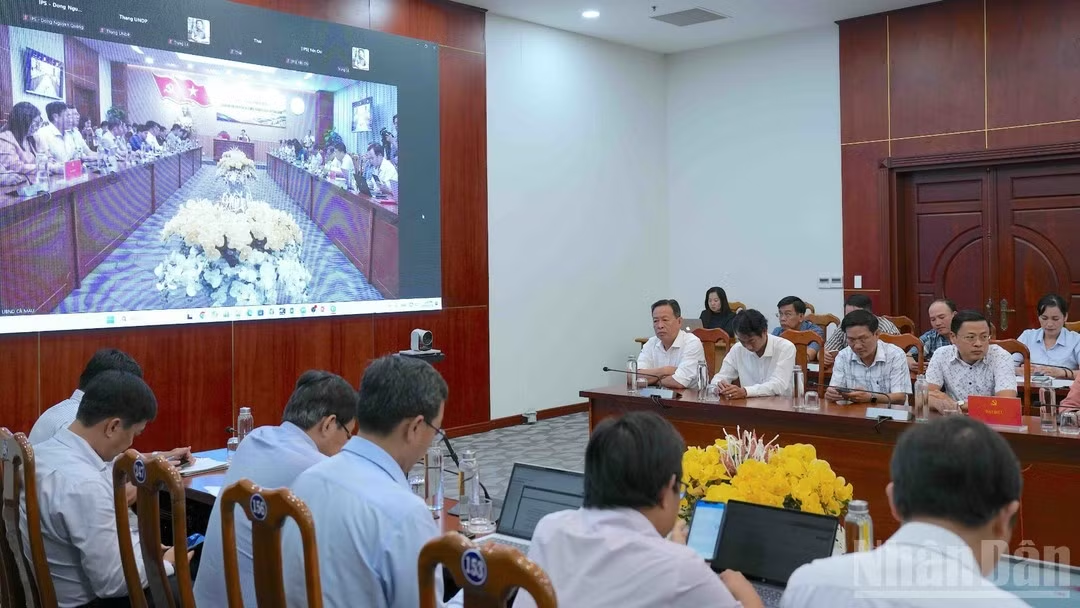
Furthermore, enhancing the digital capacity of commune-level officials and civil servants must be prioritised as an urgent, central task. To achieve this, the province will develop “hands-on” training programs tailored to specific job positions, enabling staff to master technology, become proficient in digital skills, and confidently handle their work entirely in the digital environment.
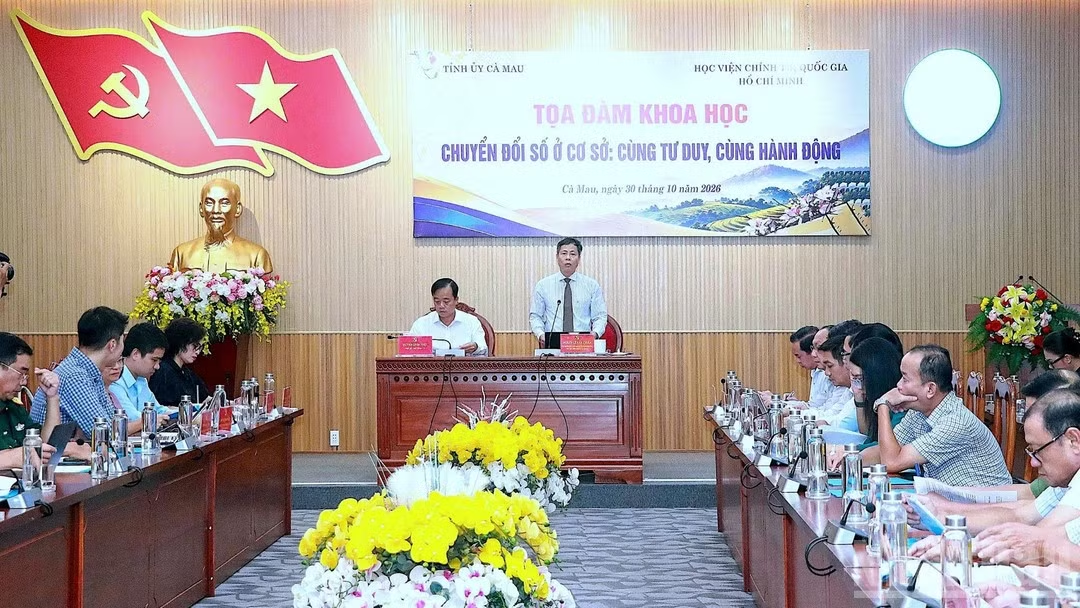
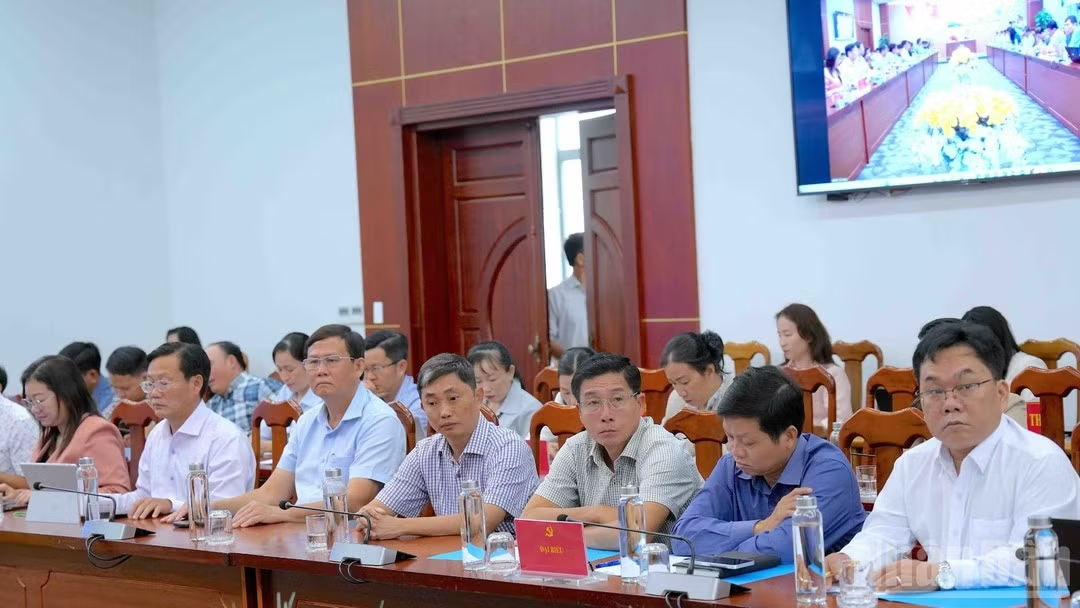
During the seminar, scientists, experts, and delegates engaged in a lively dialogue, candidly addressing challenges and obstacles related to technological infrastructure, human resources, and coordination mechanisms at the grassroots level in Ca Mau Province.
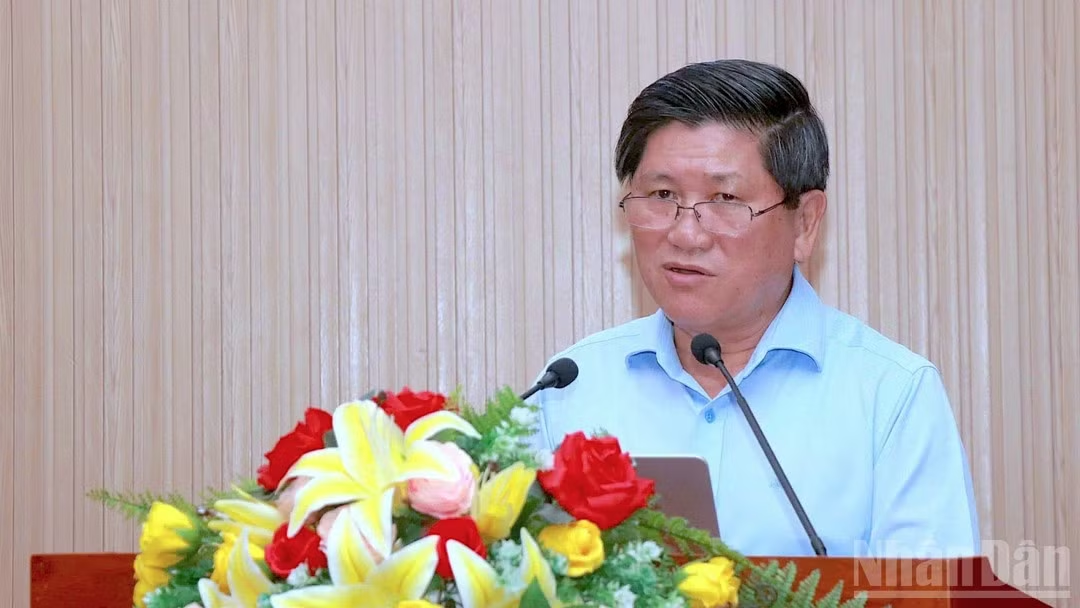
Numerous breakthrough solutions have been proposed to refine institutional frameworks, enhance the quality of end-to-end online public services, and maximise the role of community-based digital technology teams in providing support to the public.
Participants unanimously affirmed that digital transformation in Ca Mau must be underpinned by an inclusive service-oriented approach, placing people's satisfaction and practical interests at its centre and ensuring that no one is left behind as the country enters a new era of development.
According to Le Van Su, Vice Chairman of the Ca Mau Provincial People's Committee, this seminar has paved the way for key strategic directions, enabling Ca Mau to shift its focus from building foundational infrastructure to strengthening practical operational capabilities. The outcomes of this seminar will serve as a valuable practical basis for the provincial Party Committee and authorities to further refine policies, creating momentum for significant breakthroughs in local-level digital governance in the near future.