The 17th meeting of the Conference of the Parties to the Convention on Biological Diversity (COP17) taking place in Armenia, at a time when financial pressures, conflicts, and geopolitical tensions are placing major strains on efforts to protect nature.
In December 2022, the Kunming-Montreal Global Biodiversity Framework was adopted, setting out 23 targets for 2030 aimed at halting and reversing biodiversity loss.
To date, nearly 90% of countries that are parties to the convention have developed national biodiversity targets. This shows that despite differences in views and interests, countries can still reach consensus on protecting the green planet.
However, unresolved underlying differences remain and are posing significant obstacles to the implementation of commitments.
A recent United Nations report stated that none of the 23 targets presents a “fully positive picture”, while fewer than half of the national targets set by parties have remained on track.
The main reasons identified are constraints in mobilising finance and insufficient determination in fulfilling commitments and responsibilities. Financing remains a major bottleneck in efforts to protect biodiversity.
The Kunming-Montreal Global Biodiversity Framework has set the target of mobilising at least 200 billion USD annually for biodiversity by 2030.
However, the amount mobilised in practice remains only a drop in the ocean, with biodiversity finance during the 2023-2025 period reaching just around 75-92 billion USD per year, according to the Organisation for Economic Co-operation and Development (OECD).
The global economy is facing challenges stemming from conflicts, while government budgets must also prioritise important social welfare needs such as responding to refugee flows and recovering from the COVID-19 pandemic. This has made financial burden-sharing increasingly difficult for developed countries.
For poorer countries, meanwhile, every aspect of biodiversity conservation, from protection to monitoring to restoration, requires substantial financial resources. These countries already face difficulties arising from debt burdens, limited budgets, and restricted access to international finance.
Investment in fossil fuel extraction is another contentious and difficult issue for countries to resolve, with economic interests increasingly coming into conflict with environmental protection responsibilities.
Celine Beaulieu, a representative of the World Wide Fund for Nature (WWF), pointed out that countries cannot invest in protecting nature while at the same time pursuing activities that contribute to biodiversity degradation.
Each year, around 2.6 trillion USD is channelled into activities such as mineral extraction, fossil fuel production, and intensive agriculture, a figure many times higher than the amount spent on protecting and restoring nature.
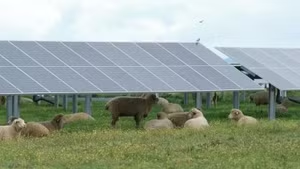
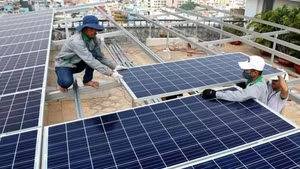
Renewable energy sources have expanded rapidly in recent years, however, this has yet to reduce the use of fossil fuels, while geopolitical tensions and escalating conflicts continue to drive global energy demand.
Each country also needs to improve the effectiveness of its nature protection policies. Many experts believe that alongside governments, the private sector should assume greater responsibility for contributing to conservation efforts, thereby helping mobilise more resources from businesses that benefit from natural resources.
As the 2030 deadline draws closer, calls are growing for the international community to narrow the gap between commitments and action. Biodiversity conservation is essential to building a sustainable future for humanity.