Craft village tourism spreads Vietnamese heritage and connects international communities
In recent years, alongside the country’s socio-economic development and rising living standards, travel demand among both domestic and international visitors has grown steadily.
Viet Nam currently has more than 5,000 craft villages and traditional craft villages gradually integrating production activities with tourism development.
In this context, craft village tourism has emerged as a highly promising segment, diversifying tourism products while preserving and promoting traditional cultural values. This model has enabled traditional craft villages to further strengthen their position, offer visitors a wider range of experiences, and serve as a bridge introducing Viet Nam’s culture and distinctive tourism products to international friends.
Today, with the support of the State, local authorities, and communities, more than 5,000 craft villages and traditional craft villages across the country are gradually integrating production activities with tourism development.
Many localities have focused on building brands for their distinctive handicraft products, thereby enhancing economic value and promoting Viet Nam’s image worldwide. In 2025 alone, Viet Nam’s exports of bamboo, rattan, and handicraft products reached approximately 4 billion USD, with products available in many major markets globally.
Developing craft village tourism not only helps preserve traditional crafts but also creates employment opportunities and improves local incomes. Through hands-on experiences, sightseeing, and shopping activities, visitors can gain deeper insights into the culture and identity of different regions across Viet Nam.
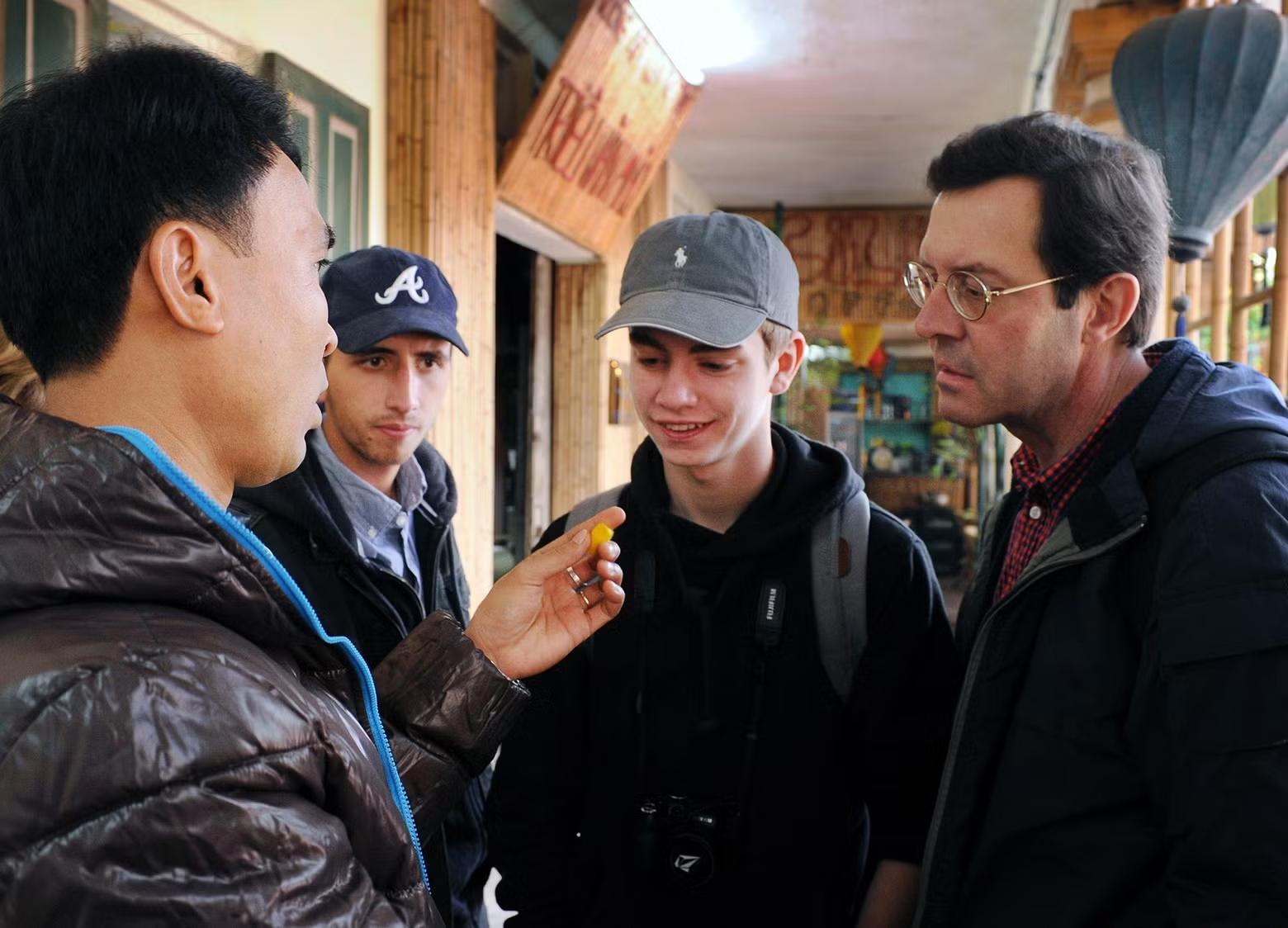
Craft village tourism has helped attract visitors to explore local destinations, appreciate cultural values. and purchase distinctive local products.Tourism activities in craft villages create opportunities for cultural exchange between local communities and international visitors through the exploration of traditional products and Viet Nam’s unique cultural heritage.
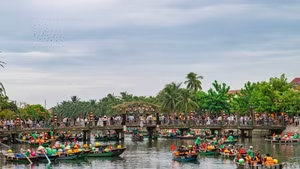
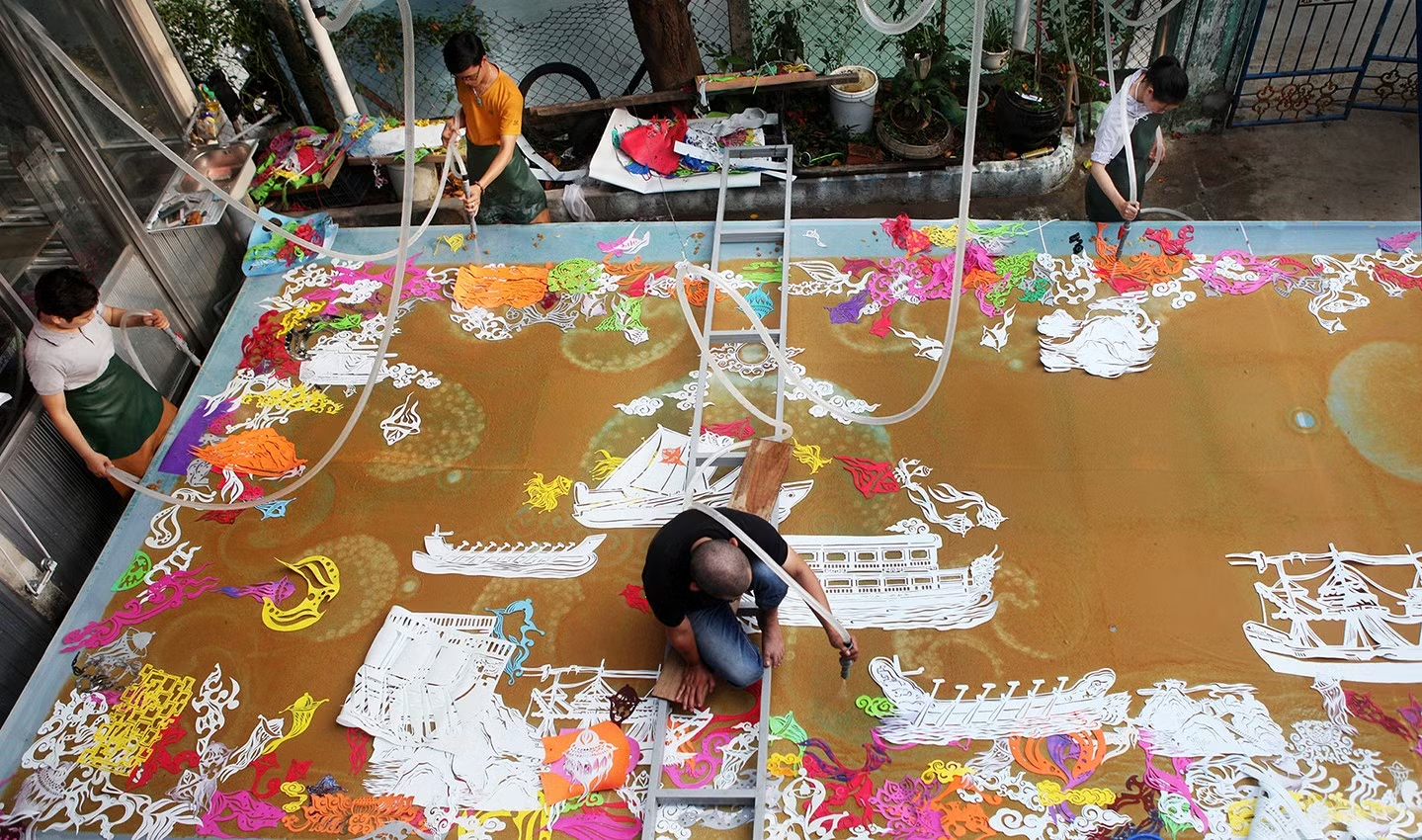
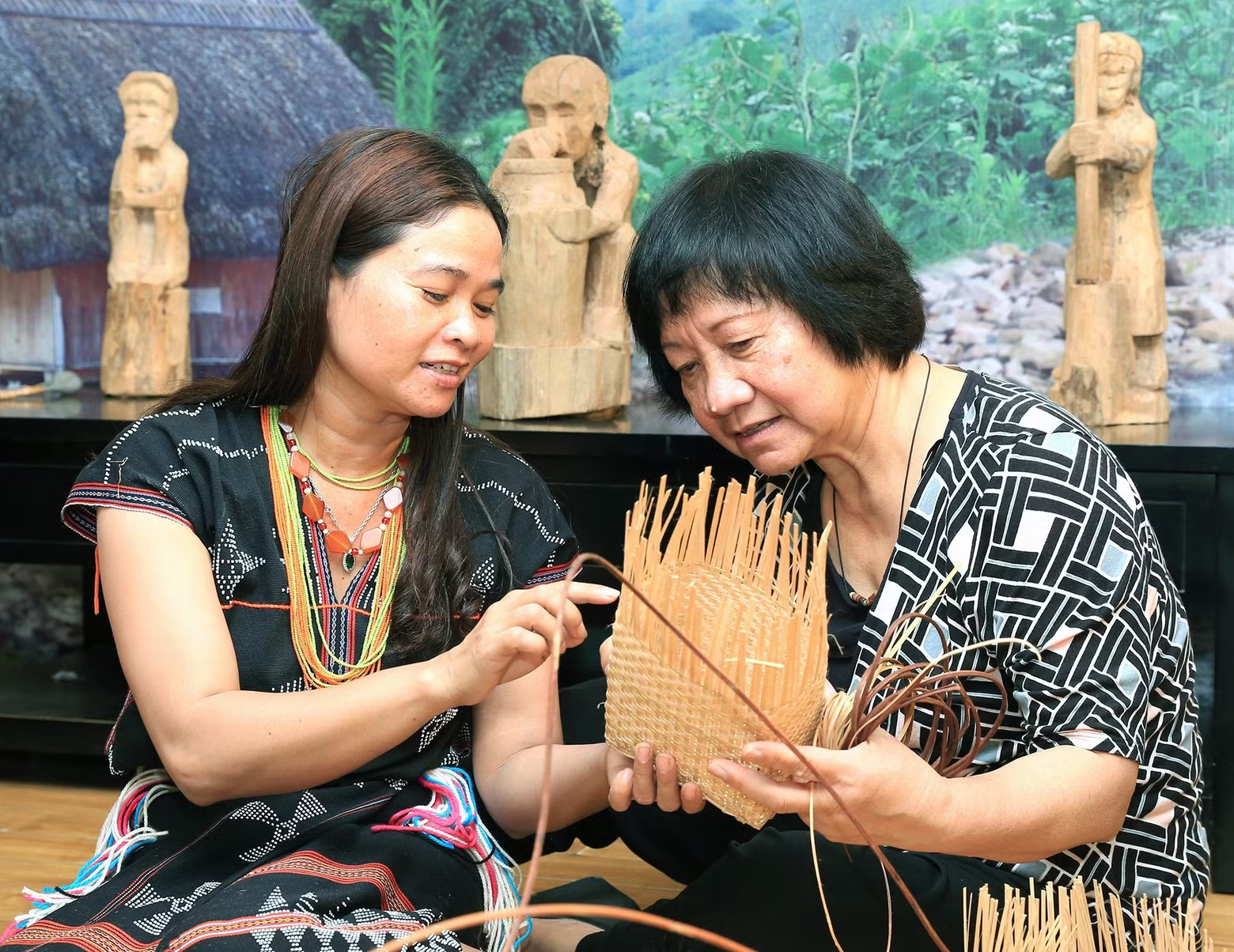
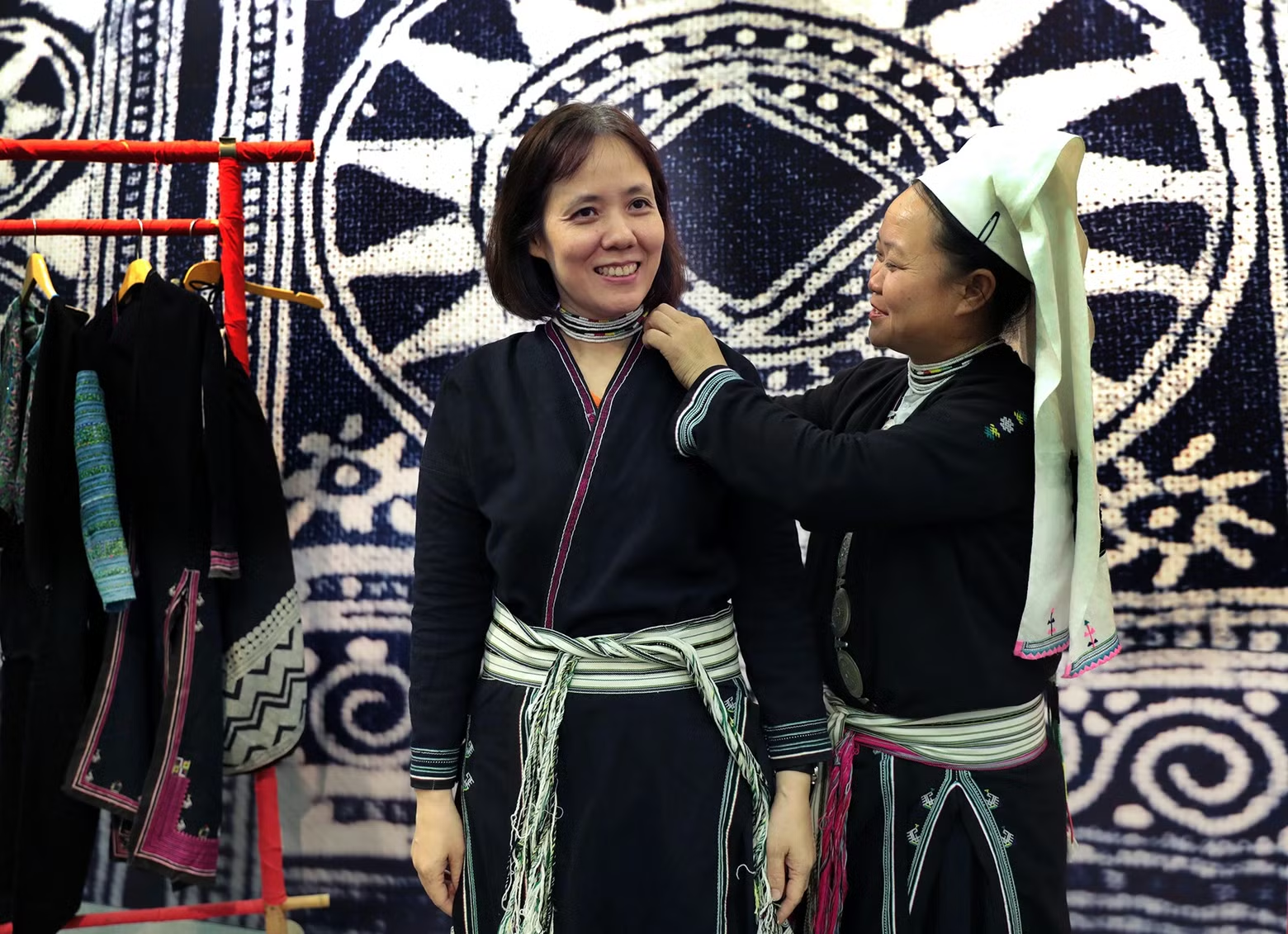
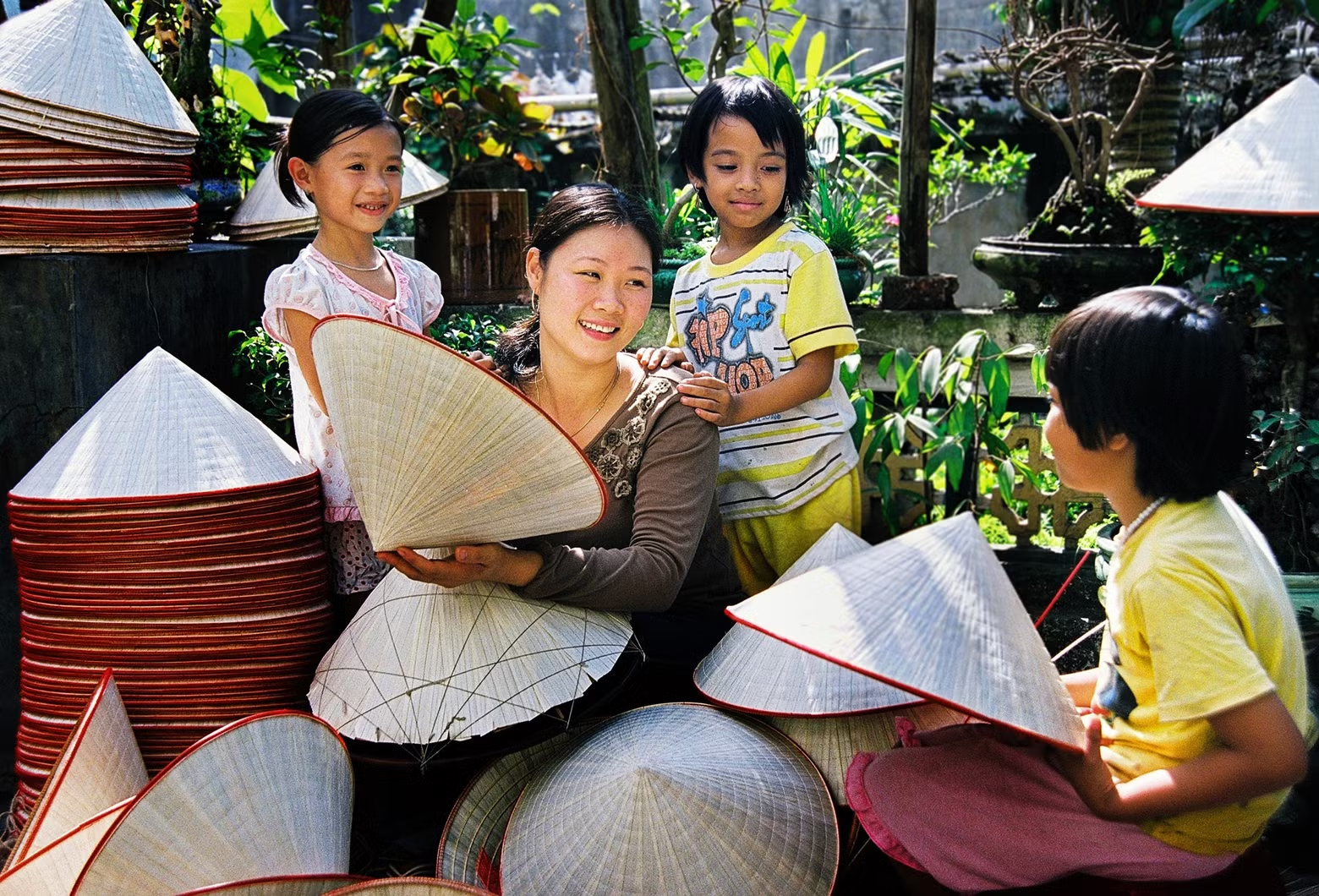
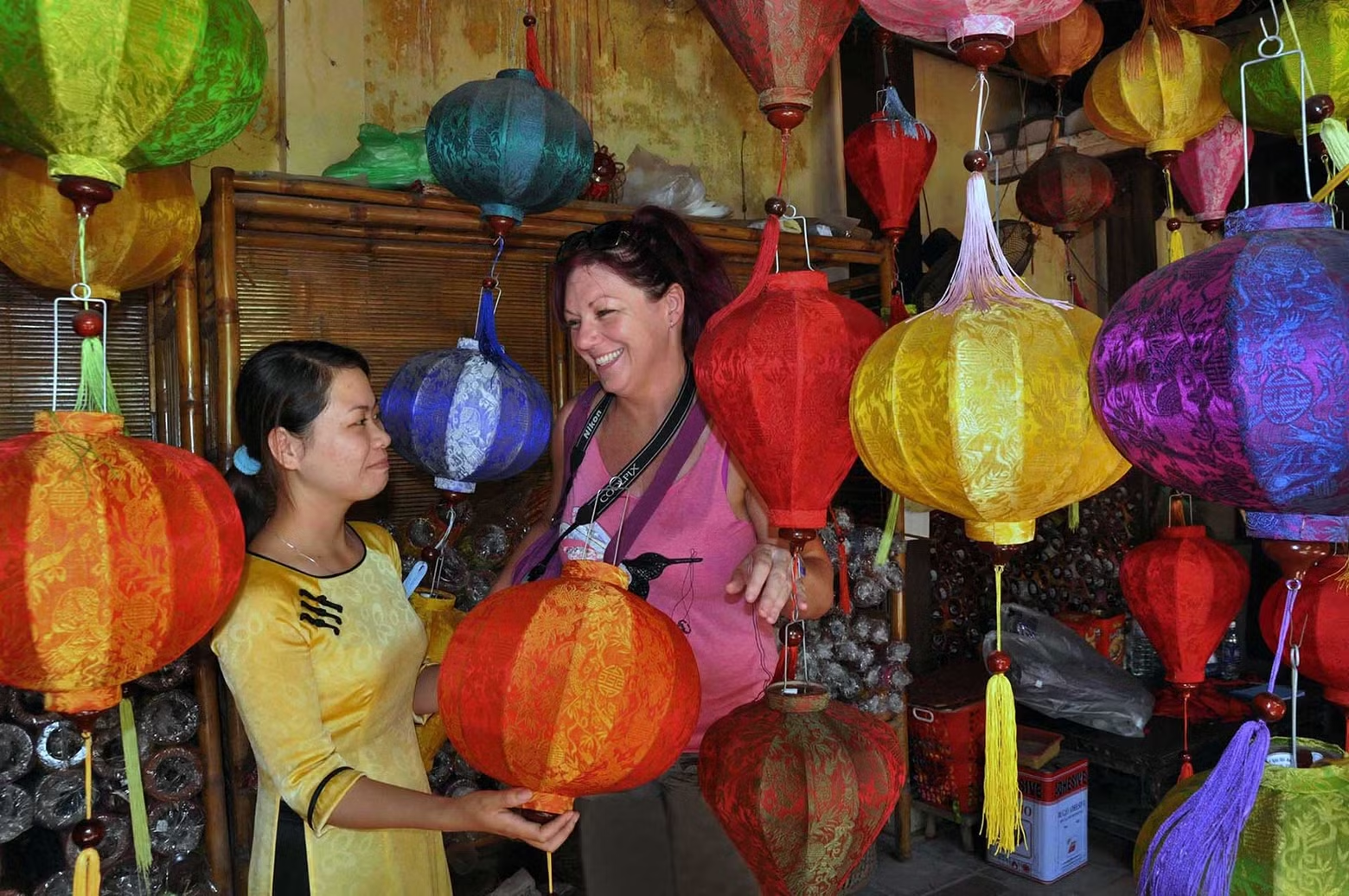
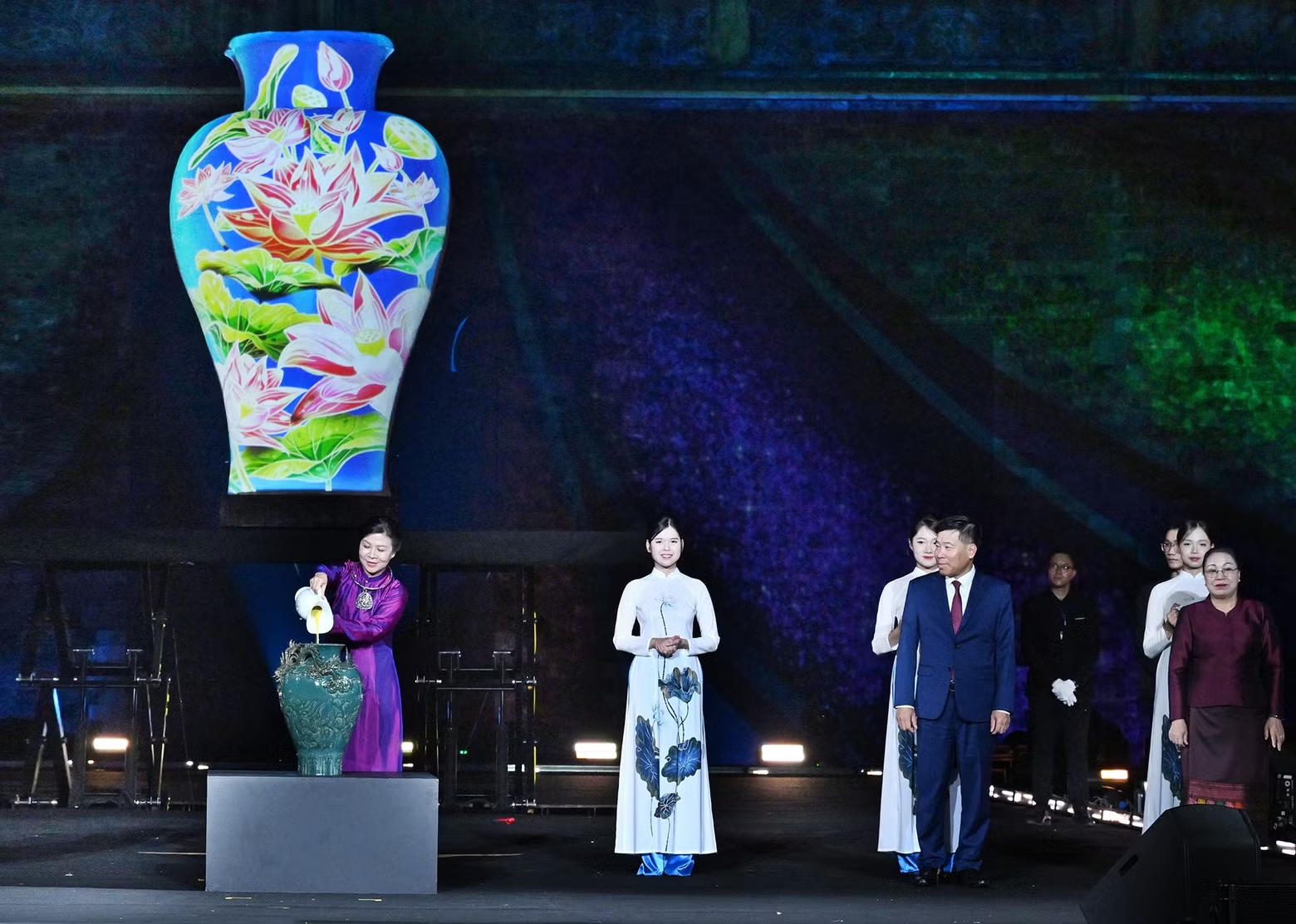
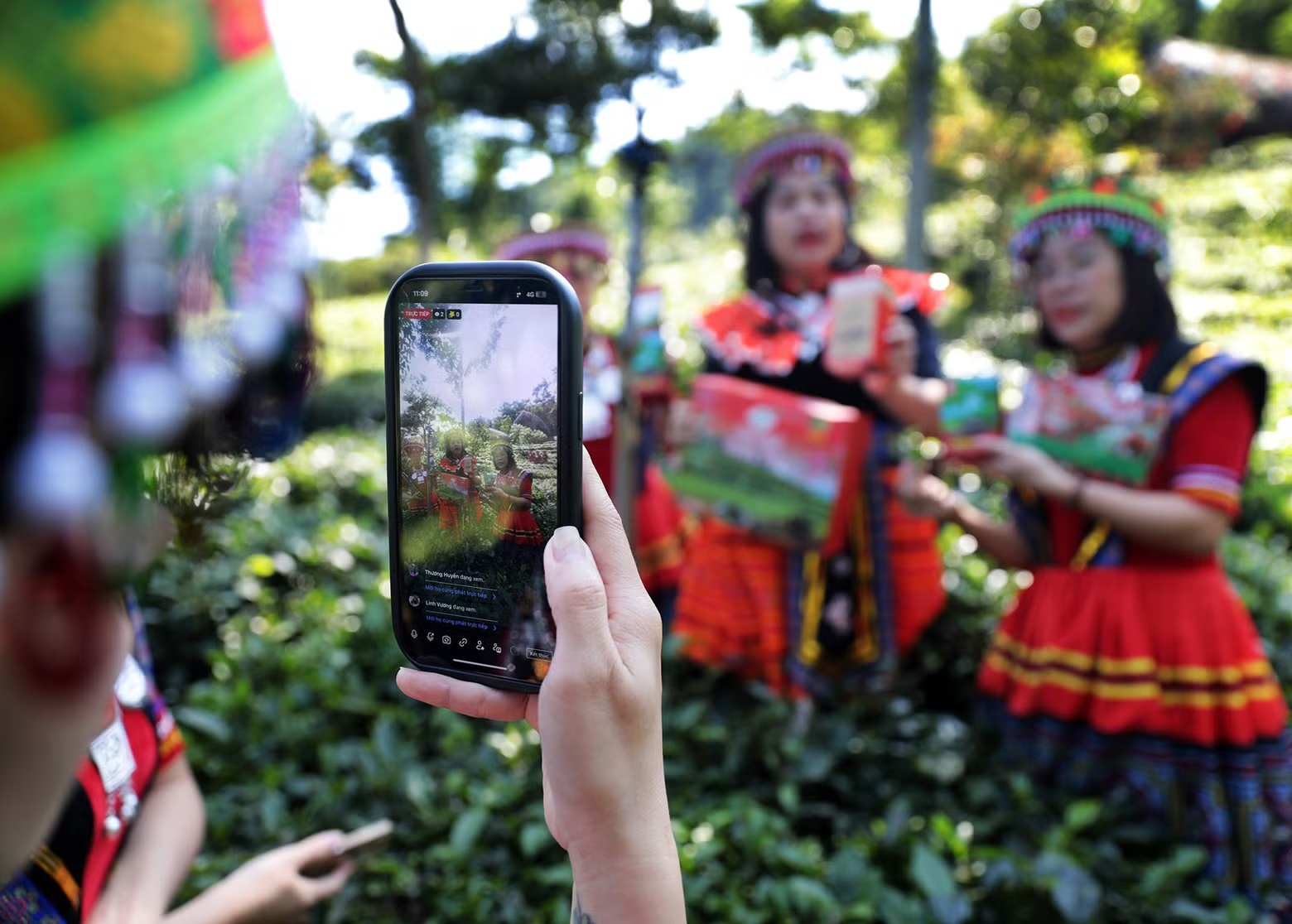
Visitors explore the intricate craftsmanship of traditional woven products made by the Co Tu ethnic people.Visitors enjoy trying on the traditional costumes of the Dao Tien ethnic group in Cao Bang during the “Beeswax and Indigo Colours” event.Craft village tourism revives the traditional craft of Chuong Village in Ha Noi, creating opportunities for younger generations to learn about its unique conical hat-making tradition.Tourism activities in craft villages provide opportunities for cultural exchange and for learning about the production of Hoi An lanterns between local communities and international visitors.Ngo Phuong Ly, spouse of Party General Secretary and State President To Lam, together with delegates, participates in a five-colour ceramic painting activity during the opening ceremony of the first World Culture Festival in Ha Noi, organised by the Ministry of Culture, Sports, and Tourism in coordination with the Ministry of Foreign Affairs and the Hanoi People’s Committee.
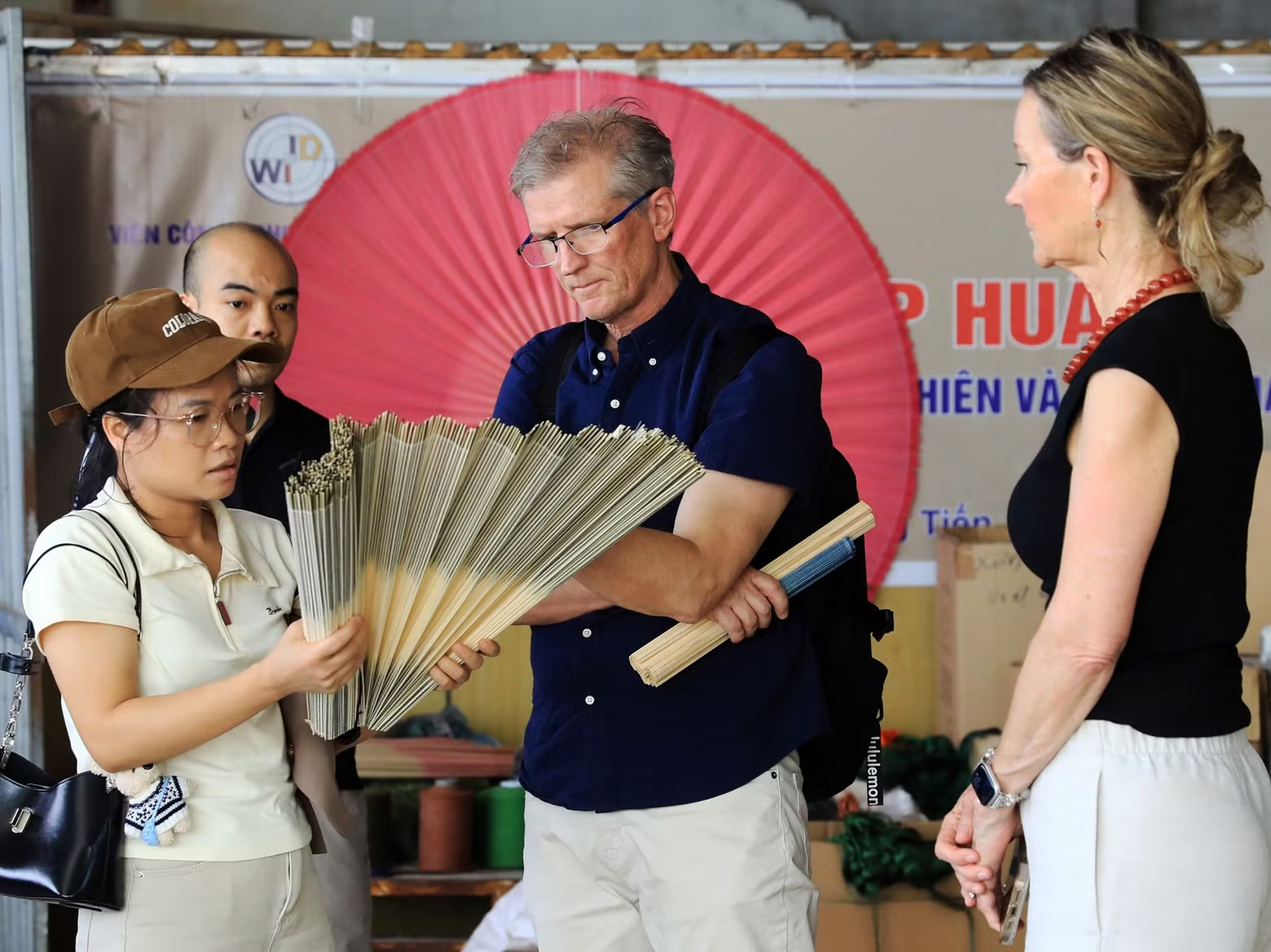
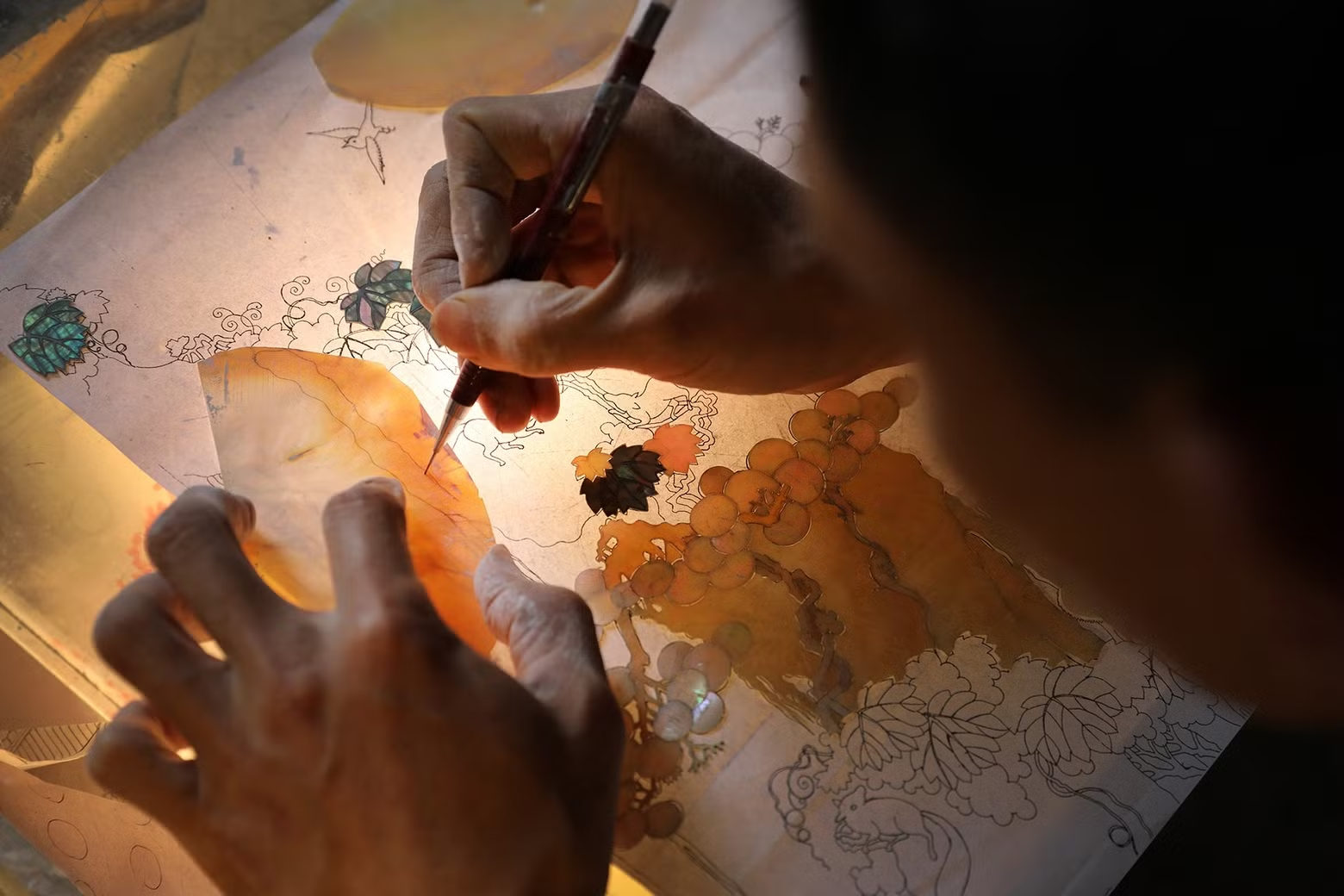
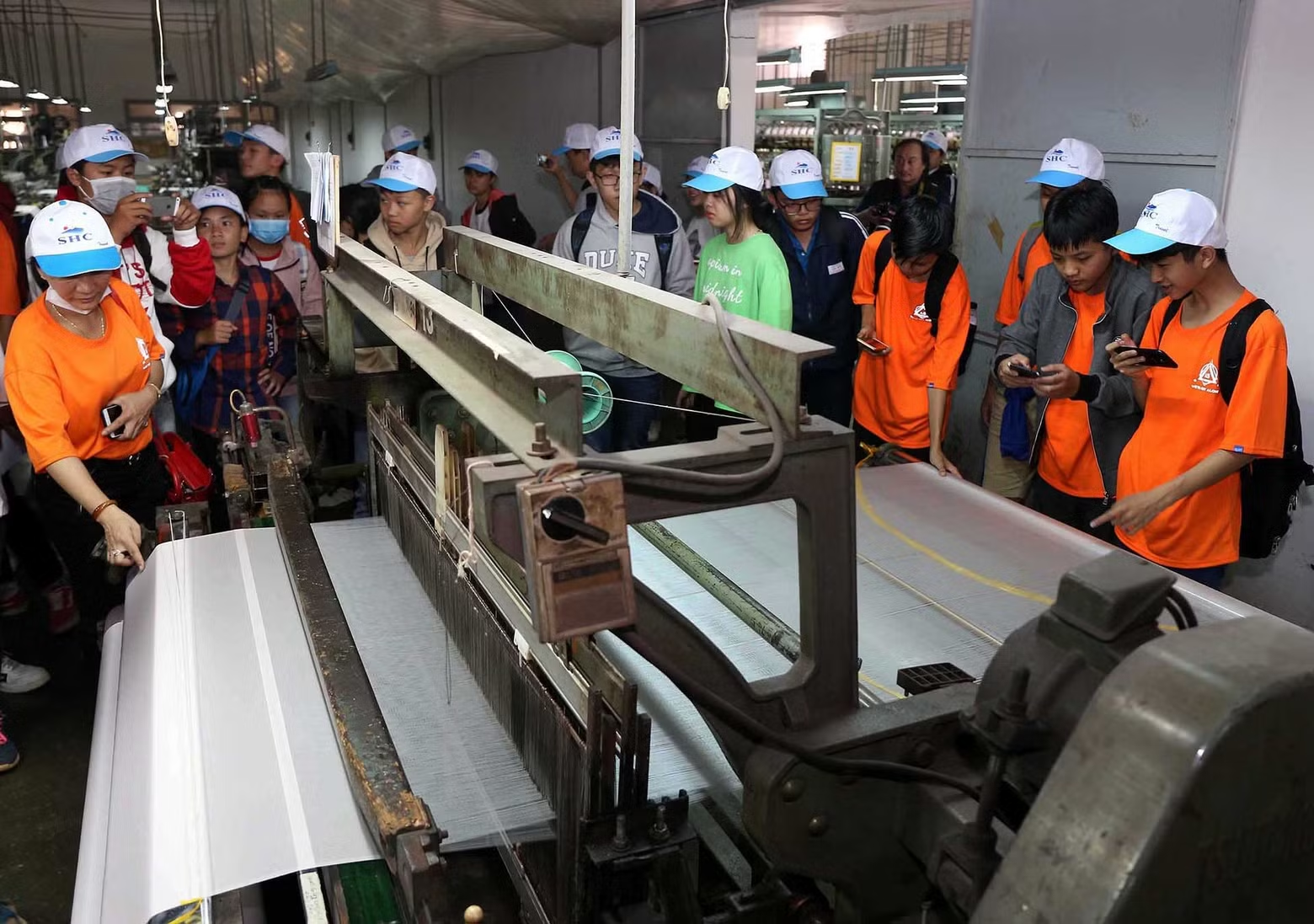
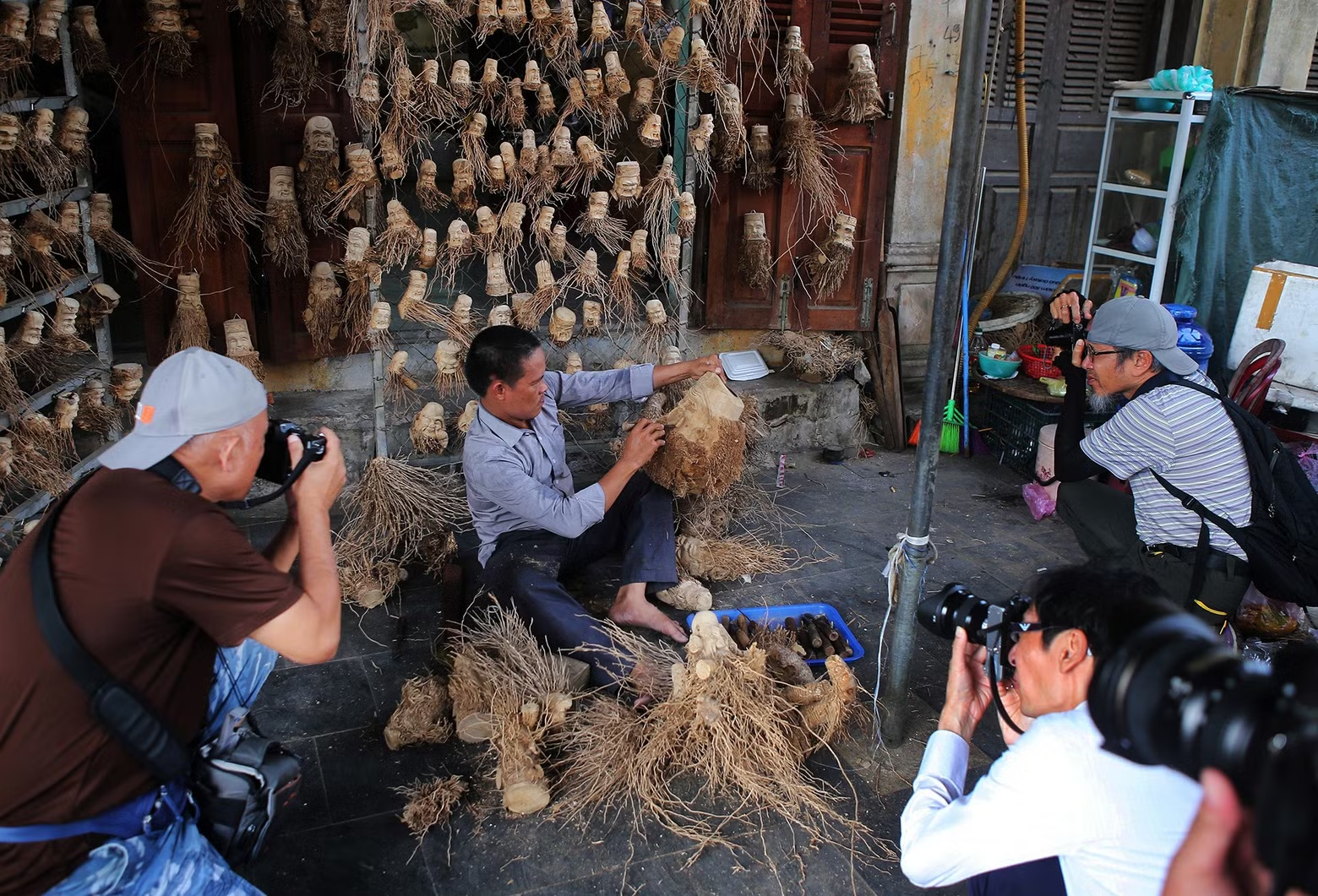
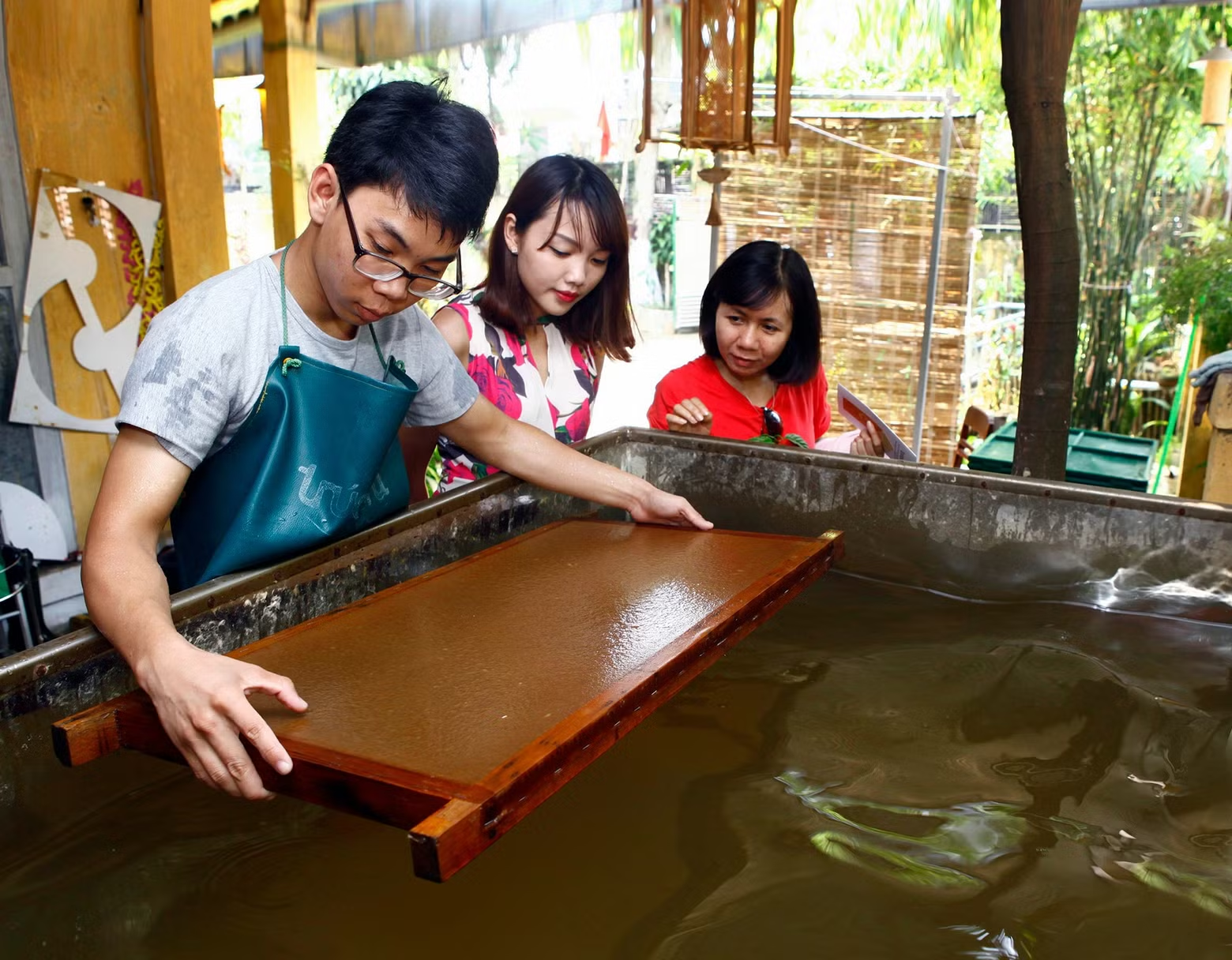
The Tang Tien bamboo and rattan craft village in Bac Ninh boasts a history spanning more than 300 years. Its highly sophisticated and artistic products are exported to Japan, the Republic of Korea, and many European countries, serving as “cultural ambassadors” of Viet Nam.The skilful hands of mother-of-pearl inlay artisans in Chuon Ngo Village, Chuyen My Commune, Ha Noi, produce exquisite works that successfully enter demanding international markets such as the UK, Russia, the US, the Netherlands, and Japan.Staff of Tay Truc Xanh Agricultural Cooperative guide residents of Quan Chu Commune, Thai Nguyen Province, in applying e-commerce solutions to promote and expand the reach of local tea products to visitors.Visitors observe and learn about the traditional silk-weaving process in Bao Loc, Lam Dong Province.Artistic sculptures and carved works created from bamboo roots by artisan Huynh Phuong Do in Hoi An, Da Nang City, continue to attract strong interest from both domestic and international visitors.Visitors experience the process of preparing Truc Chi paper before creating artworks using water-based brushes.
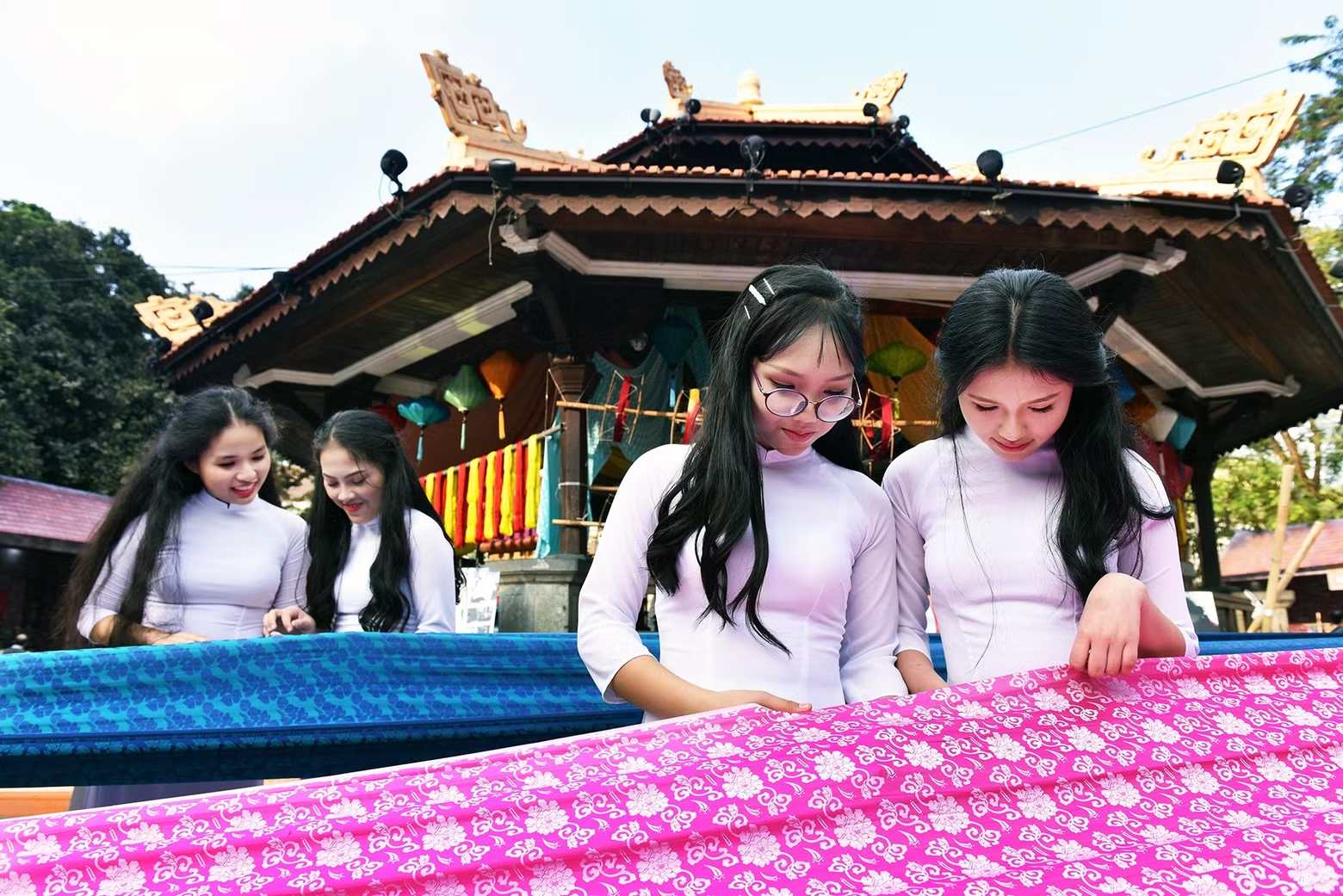
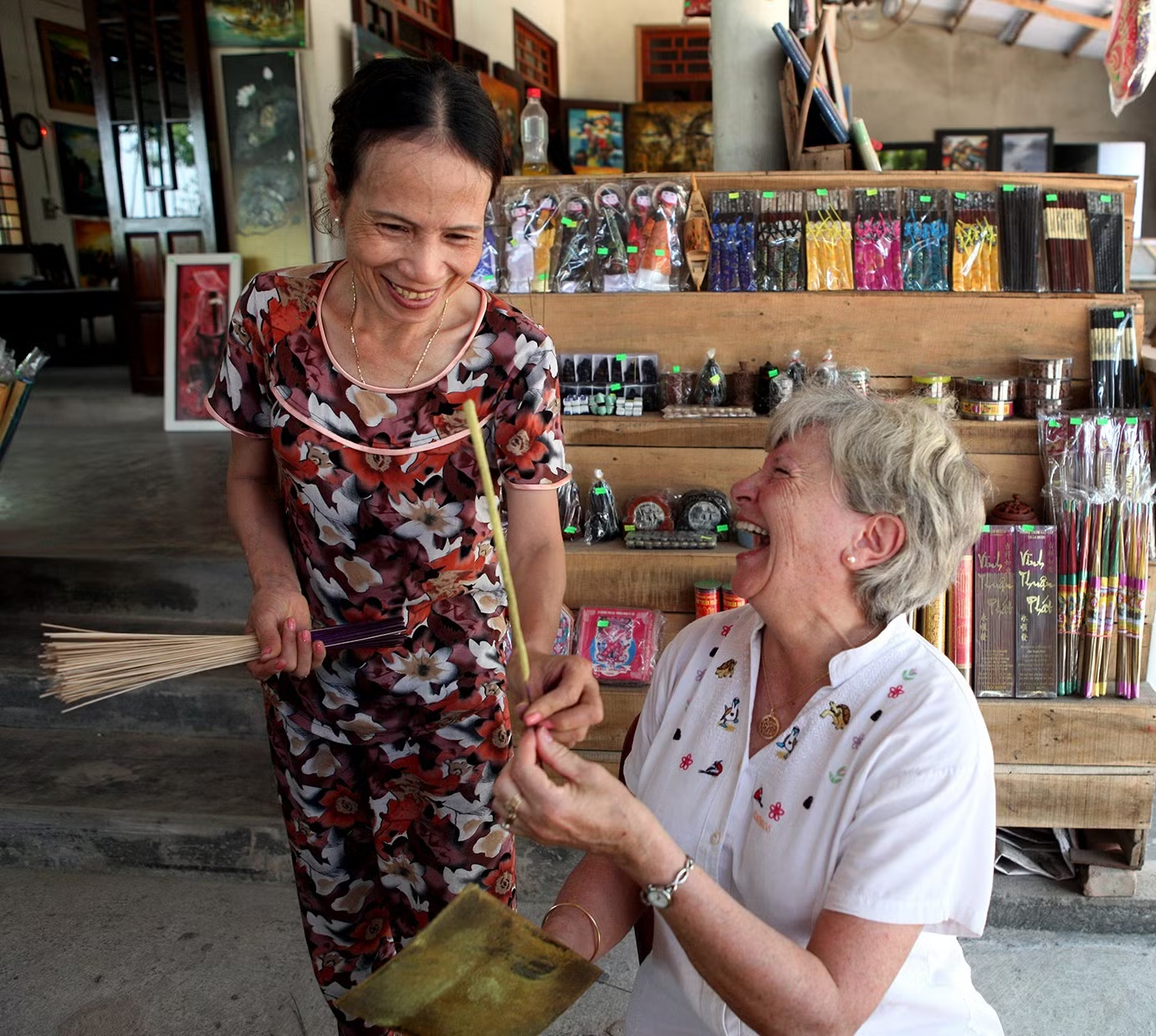
The experience of making incense sticks by hand at the Thuy Xuan incense-making village in Thuy Xuan Ward, Hue City, offers visitors enjoyable moments while introducing them to distinctive Vietnamese cultural values.International visitors learn about the silk production process at Van Phuc Silk Village in Ha Noi.
Viet Nam ranks ninth globally for safety and security in the World Economic Forum's 2026 Travel and Tourism Development Index. In Phu Quoc, this advantage is reinforced by efforts to maintain public security and order, prepare for APEC 2027 and foster a welcoming tourism environment, helping to build confidence among international visitors.







![[In Pictures] Nui Chua Rock Park: A million-year-old outdoor museum of landforms on the Khanh Hoa coast](https://en-cdn.nhandan.vn/images/nyM650OGFWrOVWc-xajqNz57td8idIAL_VG9puyG2UZEKOnmq1DVlT1--ZclbO3z2WBaWZhbt6O3e8kjPZqJMWkfEz7RO9qhcwg8o8LQFK8/ndo-br-cao-nguyen-da-moi.jpg.avif)