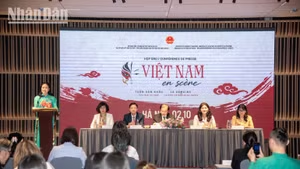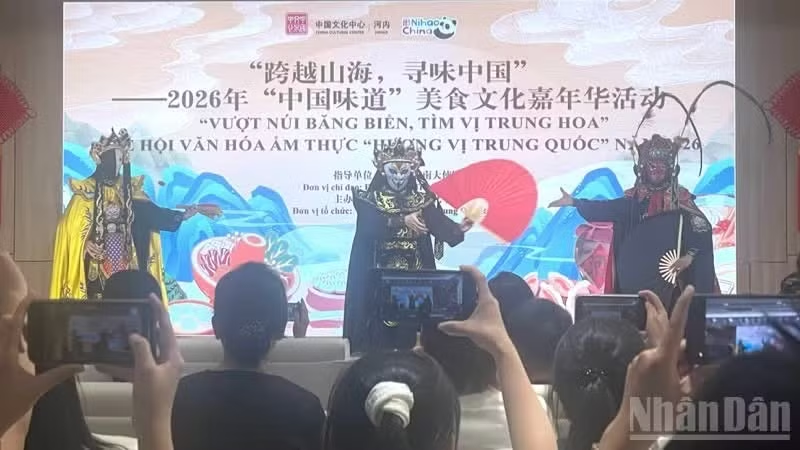
Speaking at the opening ceremony, Tian Qi Ru, Counsellor of the Chinese Embassy in Viet Nam, emphasized that China and Viet Nam both belong to the Asian agricultural cultural sphere and share many similarities in culinary origins and aesthetic concepts. Both countries regard rice as a main food, pay attention to the use of fresh ingredients, favor spicy flavors and possess distinctive culinary arts featuring harmonious combinations of flavors.
According to Tian Qi Ru, Chinese dumplings contain the warmth of mountains and rivers, while Vietnamese spring rolls reflect everyday urban life. Chinese stewed soups emphasize nourishing and mild health benefits, while Vietnamese broths highlight natural sweetness. Guangxi spicy snail noodles and Ha Noi beef noodle each carry their own unique flavors, leaving unforgettable impressions on diners.
The similarities in culinary philosophy together with differences in cooking methods have created the unique appeal of the spirit of “each beauty in its own way, together creating harmonious beauty”. “A bite of China” is not only the flavor of daily life, but also the flavor of friendship and of the times, contributing to nurturing Viet Nam-China neighborly friendship while conveying aspirations for shared development.
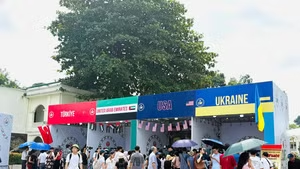
The program attracted many young Vietnamese and Chinese people interested in exploring Chinese culinary culture. At the event, many young participants shared their impressions of their favorite Chinese dishes, demonstrating the appeal and connective power of Chinese culinary culture among Vietnamese youth.
Chinese cuisine values the harmony of the five flavors and the concept of “harmony in diversity”, reflecting the spirit of peaceful coexistence and shared joy. Similarly, Vietnamese culinary culture also contains many humanistic values and philosophical depths, from the cooking concept of “following nature and returning to nature” to traditional customs such as honoring ancestors and welcoming distinguished guests in every family. Cuisine is not only a means of conveying civilization, but also a bond connecting people.
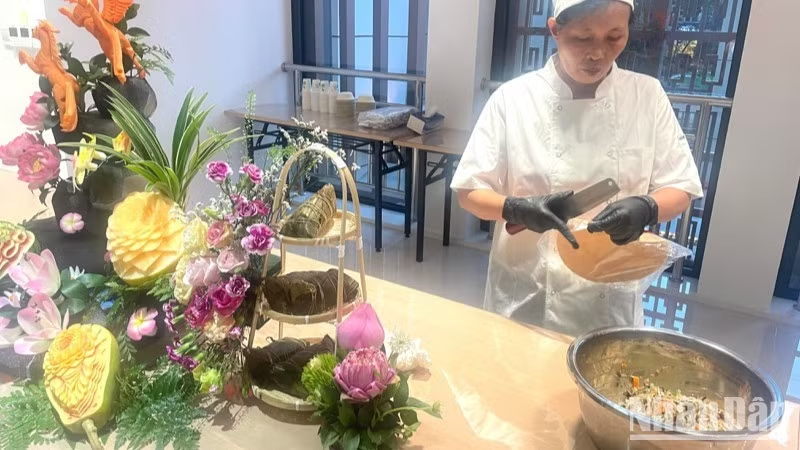
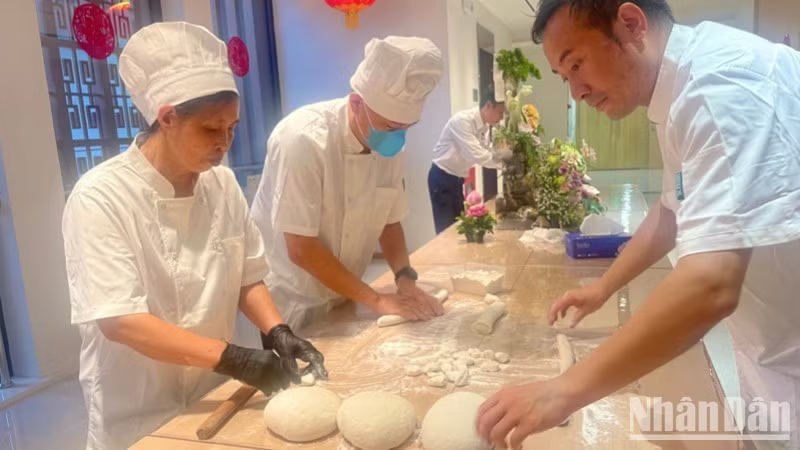
At the event, visitors were introduced to the distinctive features of the traditional cuisines of the two countries and participated in experiential activities such as making Chinese dumplings, wontons and traditional Vietnamese spring rolls.