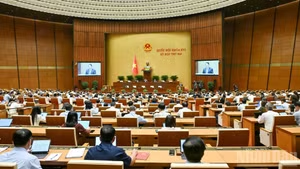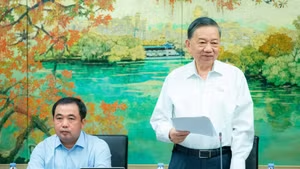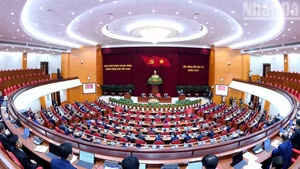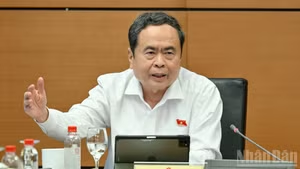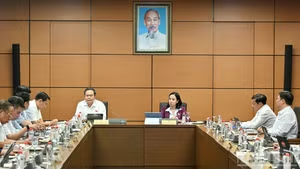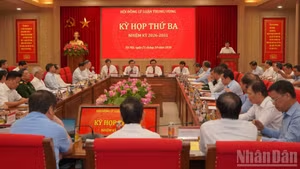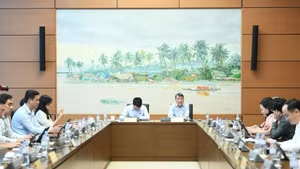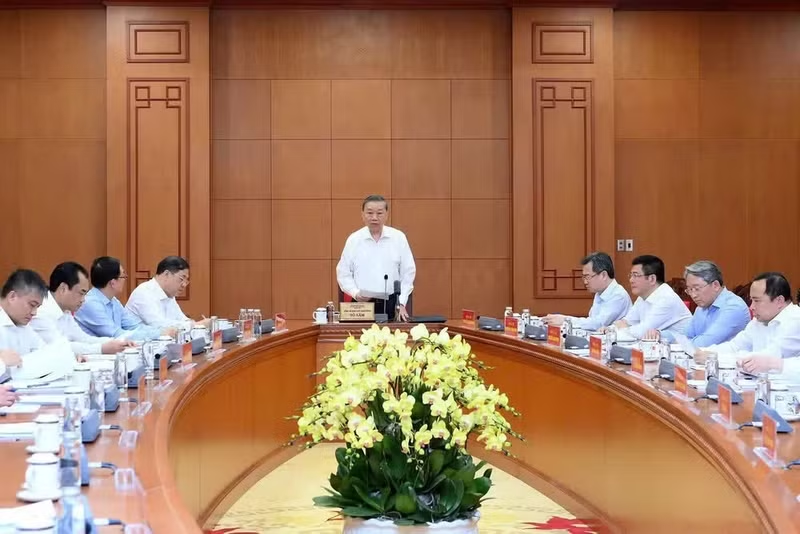
Chairing a working session on June 10 with the Government Party Committee and relevant agencies reviewing the implementation of Resolution No. 24-NQ/TW, issued by the 11th Party Central Committee, on proactively responding to climate change, strengthening natural resource management and environmental protection, the top leader emphasised that environmental protection and climate adaptation must be integrated into the broader goals of rapid and sustainable development, maintaining high economic growth over the long term, and building a modern economy driven by science and technology, innovation and digital transformation.
He called for a deeper shift in mindset regarding environmental protection and climate resilience, underscoring the need to move beyond traditional approaches and embrace a more forward-looking development vision.
General Secretary and President Lam affirmed that environmental protection and climate adaptation are central to the new development model outlined for the Party’s 14th National Congress. He stressed that investing in the environment means investing in the future, requiring a transition from a reactive approach to one that proactively shapes development.
This shift, he said, involves moving away from a focus on pollution treatment, damage control and passive responses towards early prevention, green growth, enhanced resilience, harmonious coexistence between people and nature, and sustainable development for future generations.
He underscored the importance of placing people at the centre of all objectives, targets and policy solutions. The ultimate goal, he noted, is not merely to meet technical standards but to ensure that citizens can live in a safe and healthy environment, with their health, lives, livelihoods and assets protected from natural disasters and climate-related risks.
Priority should be given to addressing pressing environmental challenges, including air and water pollution, solid waste and plastic waste management, pollution in traditional craft villages and industrial clusters, as well as flooding, landslides, drought and saltwater intrusion. Green transition efforts, he added, must be closely linked to social welfare and sustainable livelihoods, ensuring that vulnerable groups are not left behind.
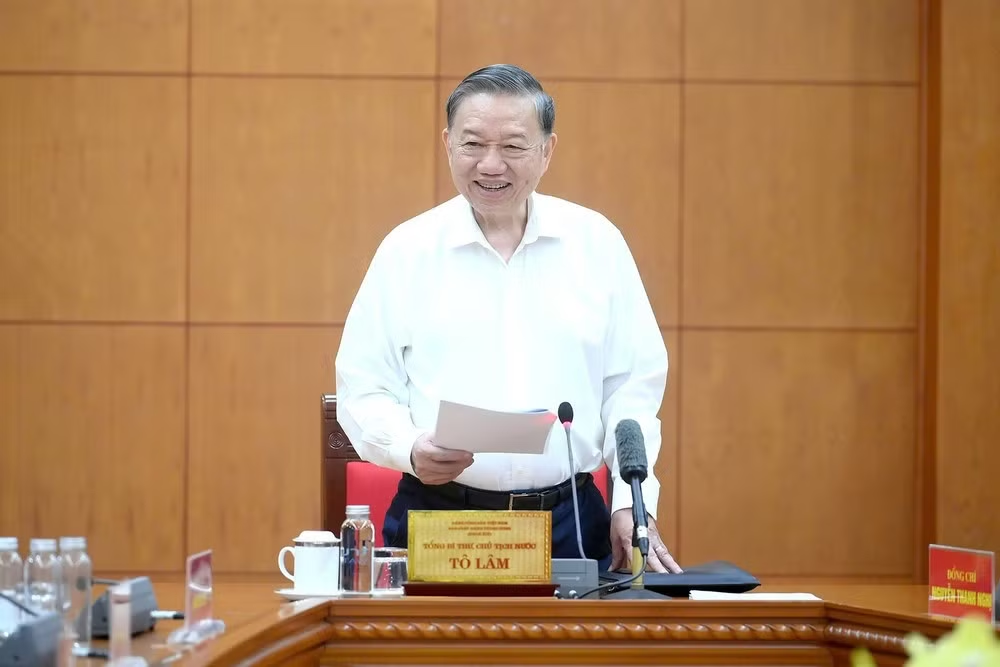
The top leader highlighted the need to identify clearer strategic breakthroughs, particularly in institutions, science and technology, and national governance. He called for accelerated deployment of strategic technologies in line with the Politburo's Resolution No. 57, the development of a national digital database on natural resources, the environment and climate, the expansion of the carbon market, and the refinement of economic instruments for environmental and resource management.
He also stressed the importance of strengthening forecasting, early warning systems and risk governance, while shifting decisively from administrative management to modern governance based on data, technology and market mechanisms.
At the same time, he stressed the need to further refine a transparent and coherent legal framework, promote decentralisation coupled with effective oversight, and mobilise resources from society, the private sector and international partners to support green development and climate adaptation goals.
According to him, the state budget should play a leading role while creating stronger mechanisms to mobilise private-sector resources through green credit, green bonds, carbon markets, public-private partnerships and international cooperation. Resources should be allocated strategically, with priority given to environmental hotspots, vulnerable areas with critical infrastructure needs and projects capable of generating broad spillover effects.
He also called for deeper research into strategic issues related to water security, food security, energy security, mineral security, maritime security and biodiversity conservation, which should be incorporated into the broader strategy of safeguarding the nation from an early stage and from afar.
The top leader further stressed the need to elevate Viet Nam’s approach to international cooperation on environmental protection and climate change.
Noting that environmental and climate issues are global in nature, he said Viet Nam should continue to actively participate in international cooperation mechanisms and make the most of global knowledge, governance experience and financial resources to support environmental protection, climate adaptation and green transition efforts.
However, he emphasised that international cooperation should not be limited to receiving support. Viet Nam should take a more proactive role in shaping regional and global initiatives, standards and cooperation mechanisms on environmental and climate issues, thereby contributing to the international community’s collective efforts while enhancing the country’s position, reputation and influence.
He underlined the need to ensure a balance between national interests and international responsibilities. The implementation of international commitments on environmental protection, climate adaptation and greenhouse gas emissions reduction, he noted, must take into account the specific conditions of each country and follow appropriate roadmaps and implementation pathways.