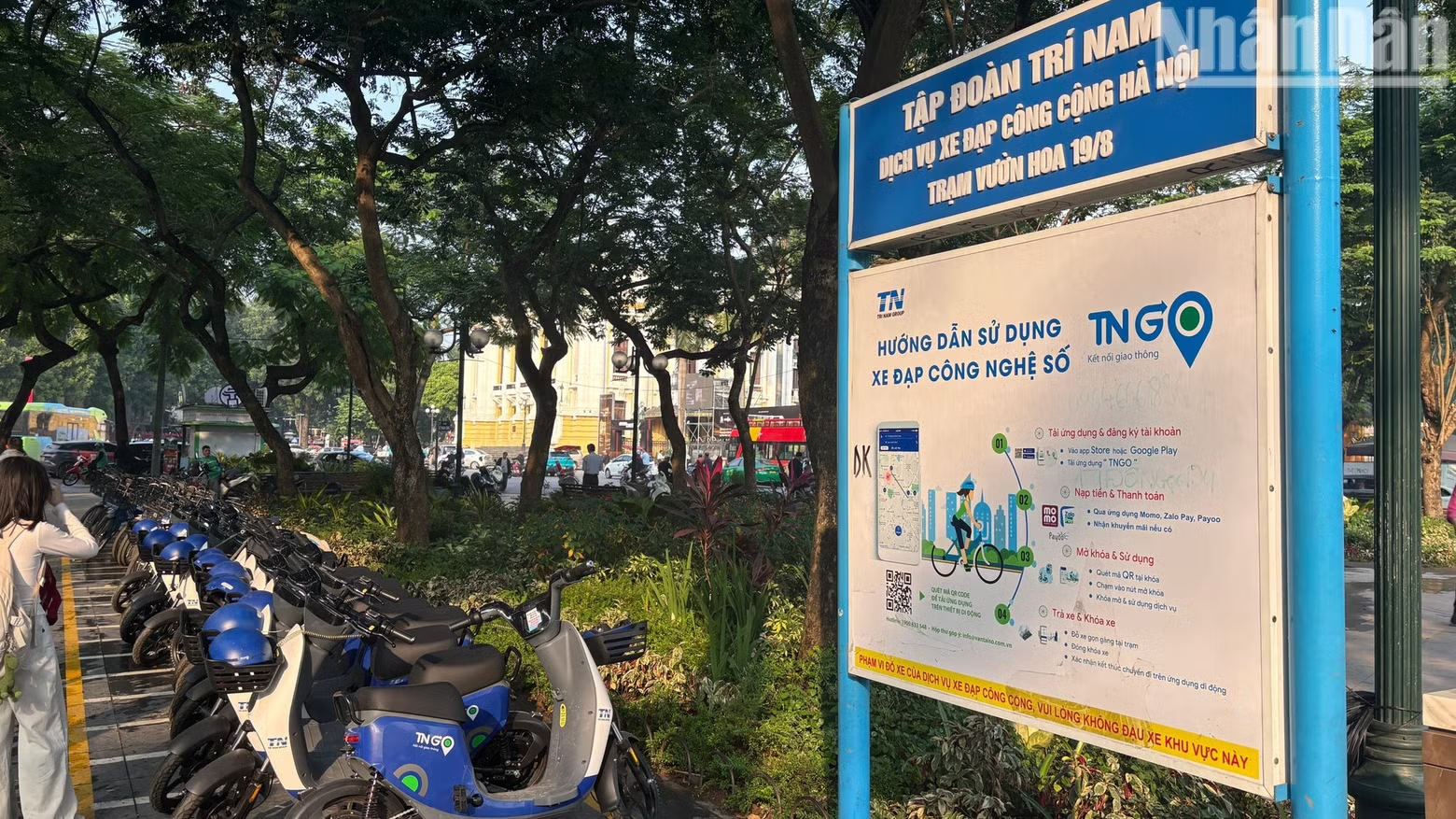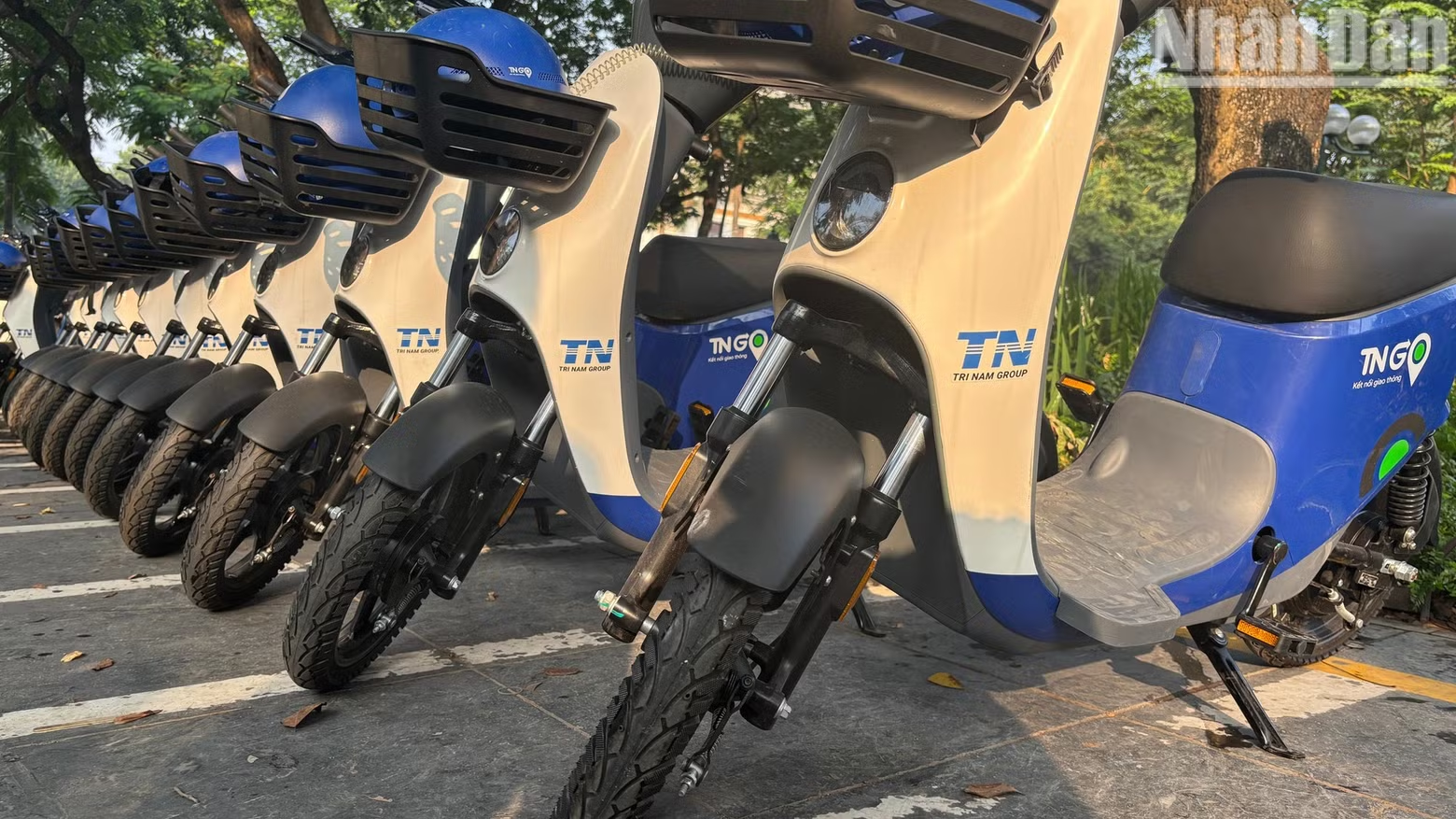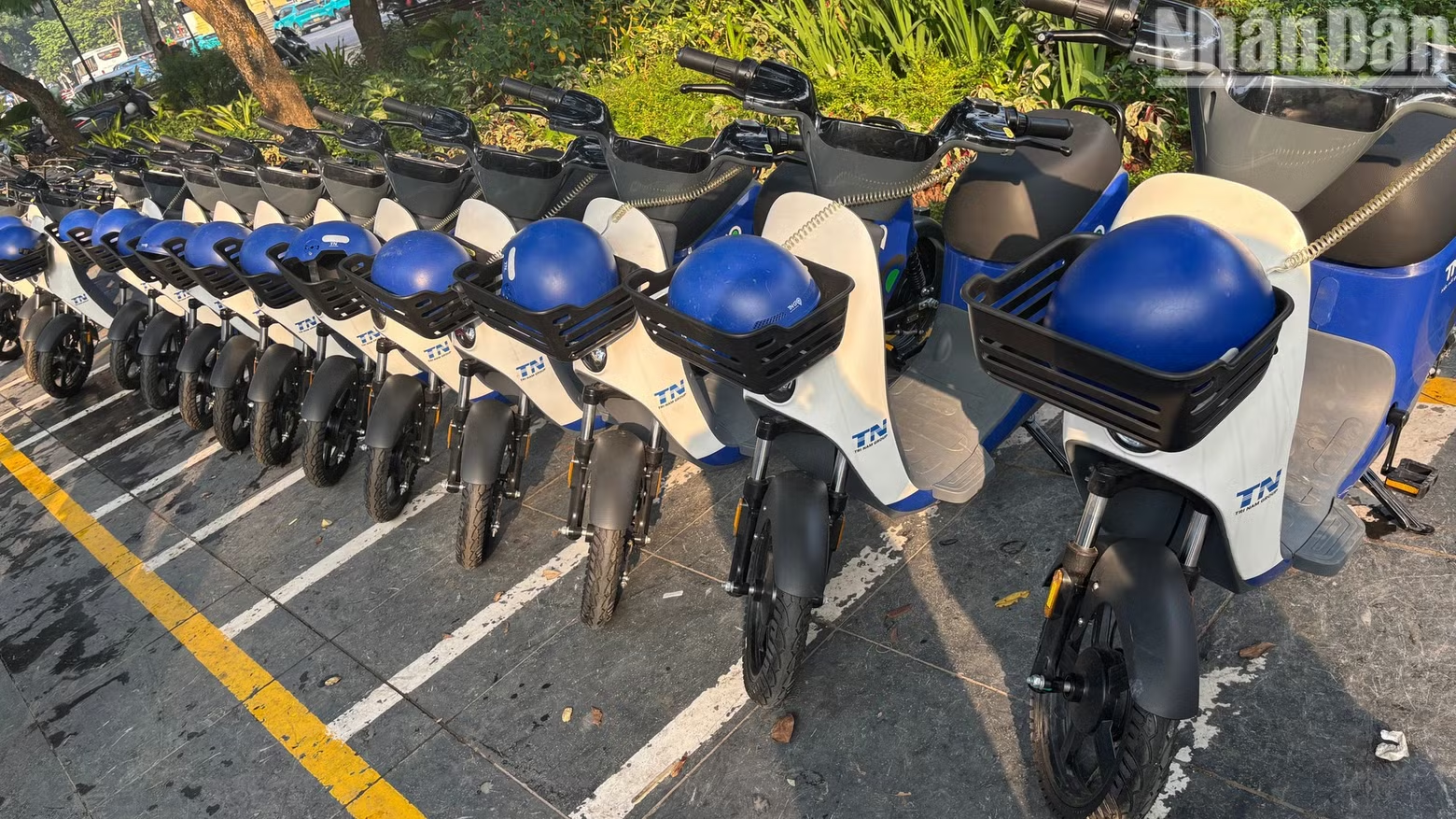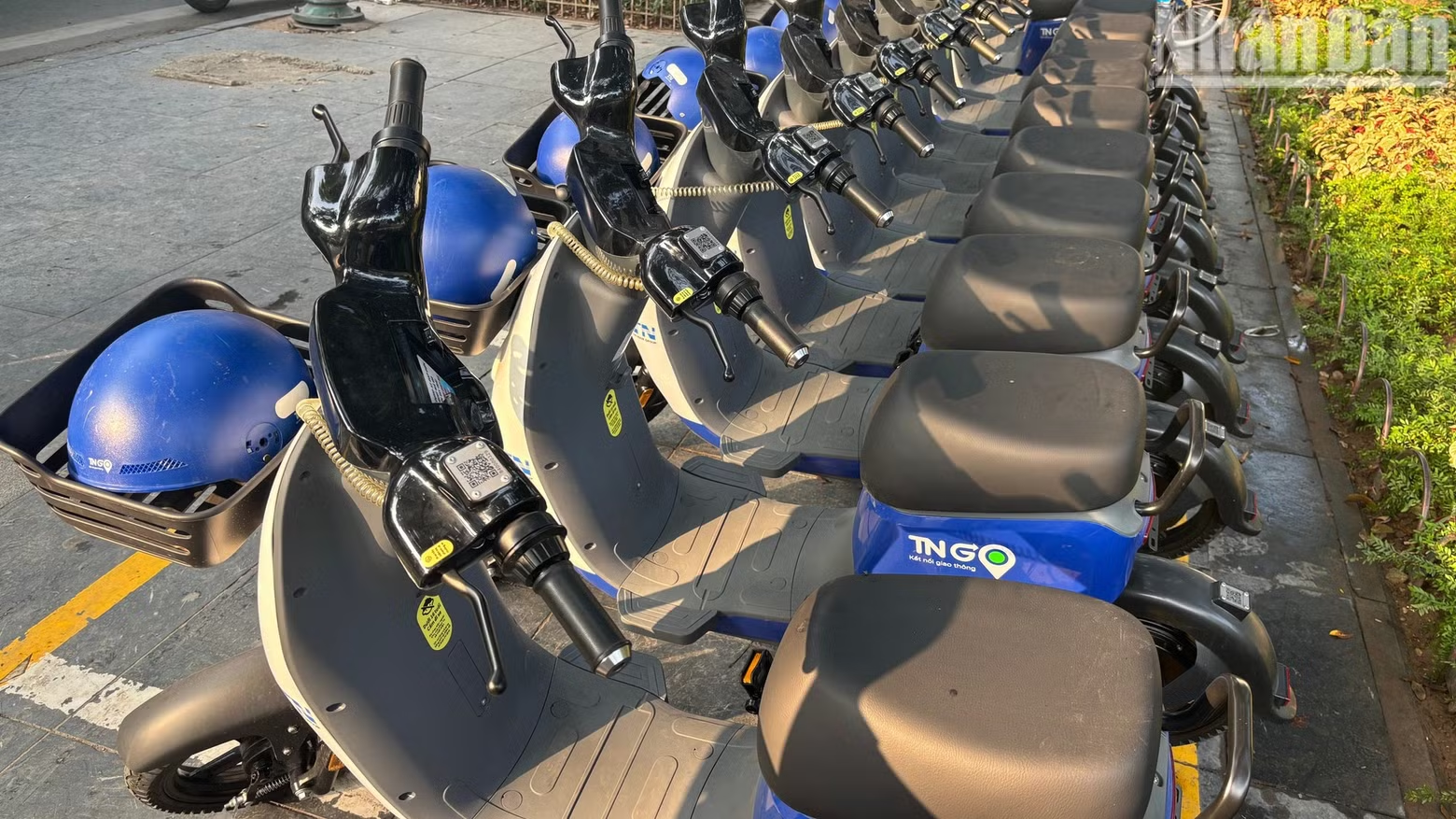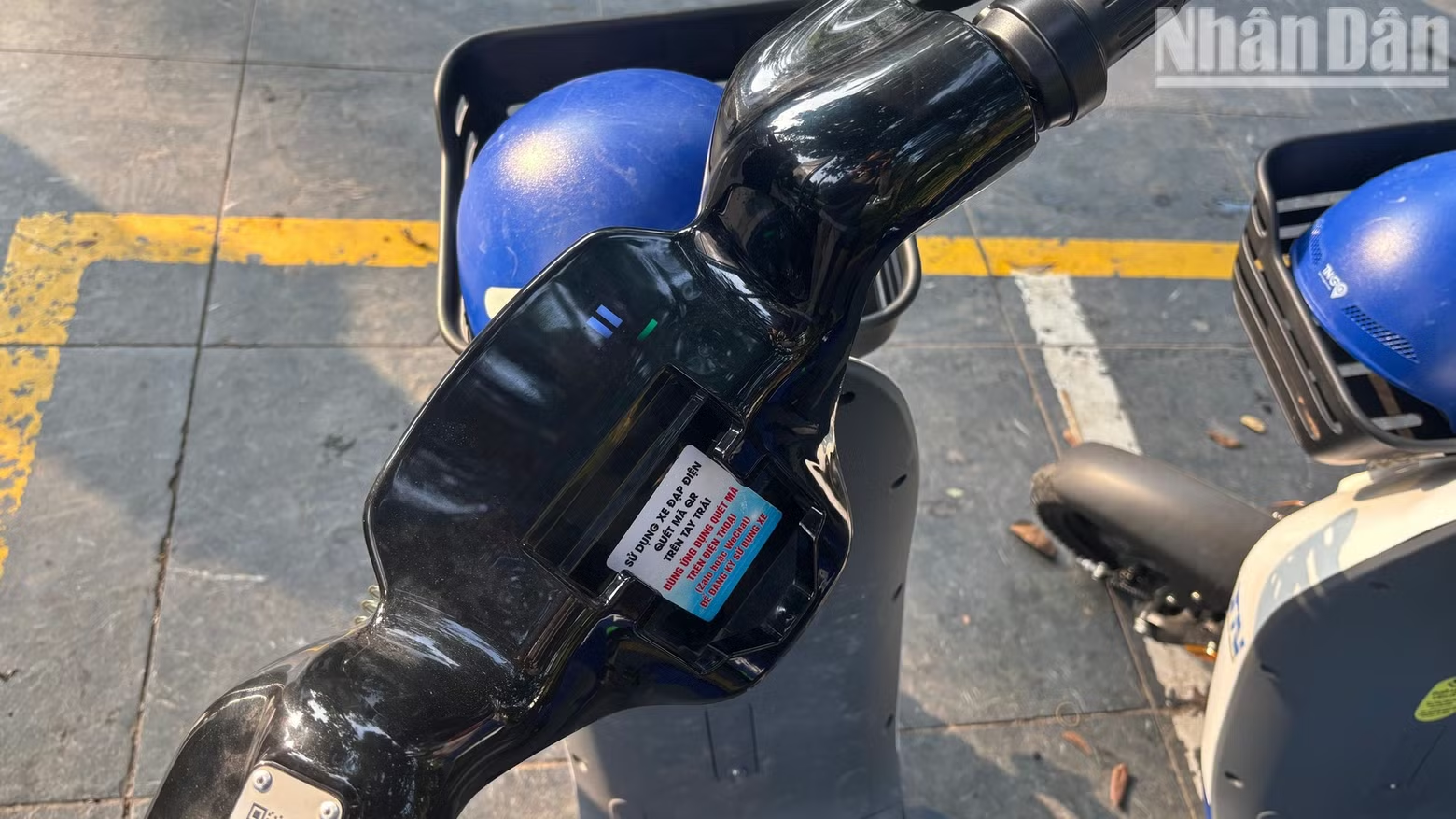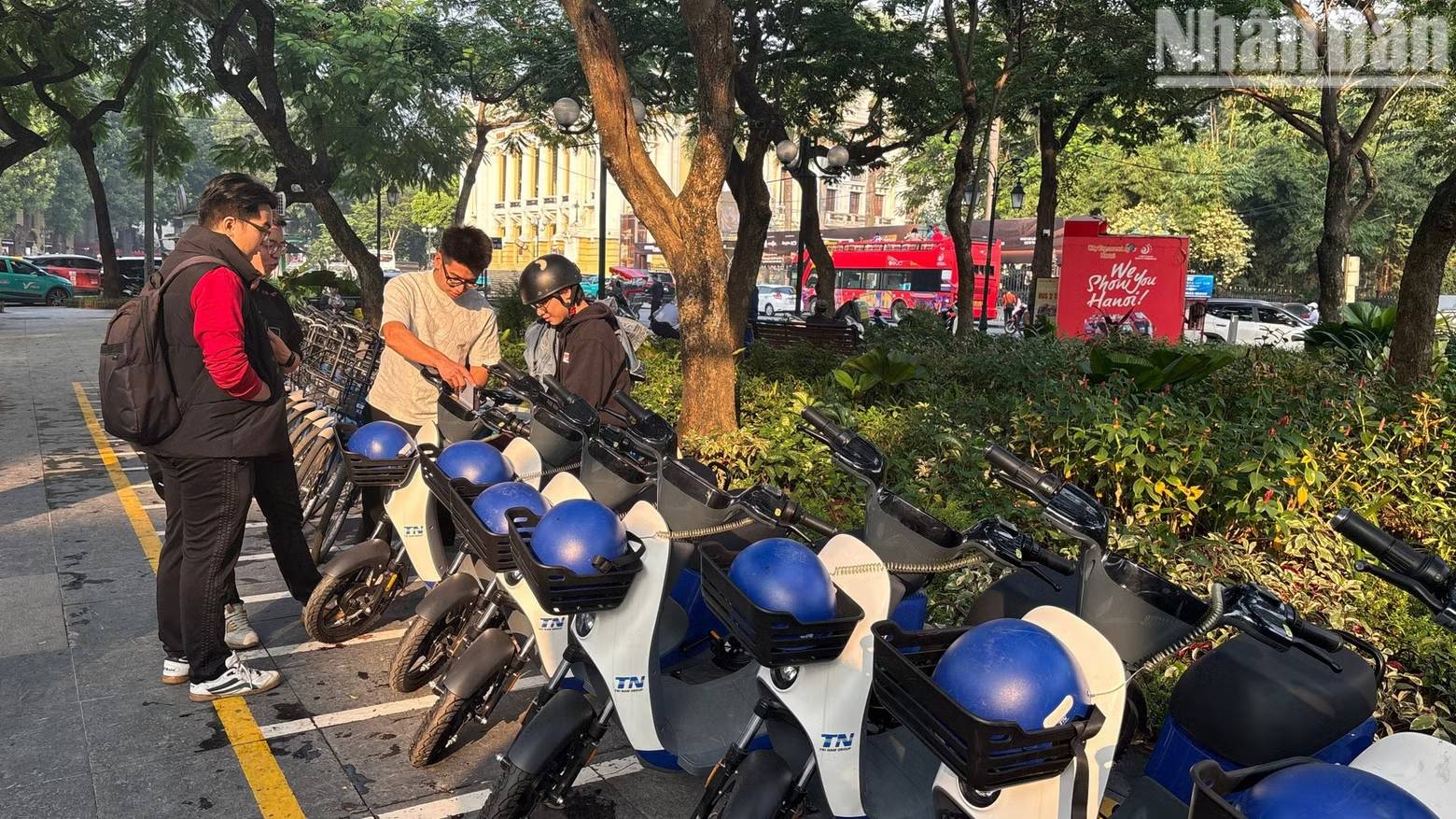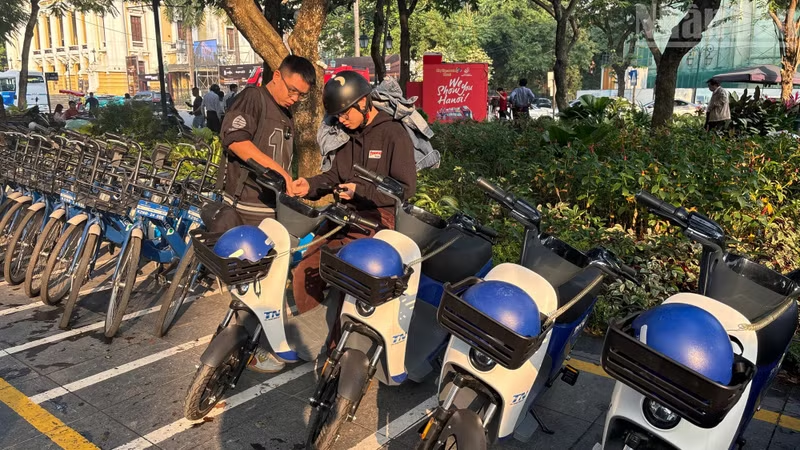
Around 10–15 electric bikes were arranged at the 19/8 Station for residents to try, marking the first time Ha Noi has implemented a public two-wheeled electric bicycle model and expanded its environmentally friendly transport ecosystem.
According to a representative of Tri Nam Company, the pilot programme is a step towards diversifying public transport vehicles, suitable with the Capital’s transport planning and Viet Nam’s national commitments on reducing greenhouse-gas emissions at COP26. In the initial phase, the company has deployed 500 electric bikes across 130 stations within Ring Road 1; meanwhile, plans are being developed to expand into Ring Road 2 and Ring Road 3 to increase accessibility and meet the flexible mobility needs of inner-city residents.
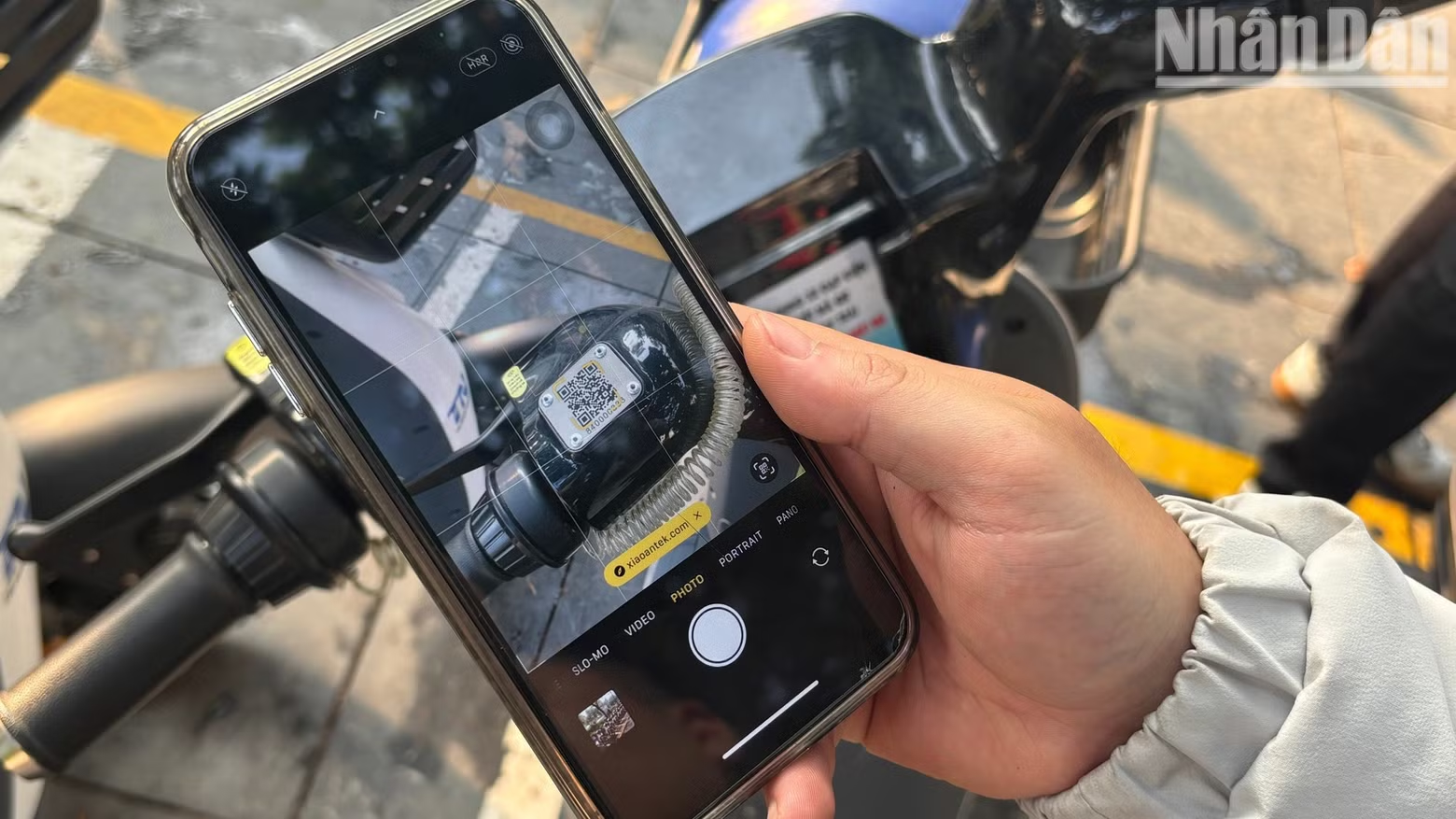
Practical experience shows that the vehicles operate stably, are compact and easy to handle. Hung Binh (32 years old, Dai Mo Ward) shared that the new model offers a convenient travel option, contributing to reducing pressure on the existing transport system. “The bike runs smoothly and is compact; the app is quick and easy to use, even older people can use it,” he said.
Regarding technical specifications, the two-wheeled electric bike model developed by TNG is equipped with pedals, an electric motor and a removable battery. A key difference from traditional electric bikes is that the battery can be swapped directly at public charging stations operated by TNG, meaning users do not need to take the bike home for charging.
After each battery swap, the bike can operate for about 90 km, reach a maximum speed of 25 km/h, carry up to 130 kg and is equipped with a front basket. When the battery runs out, the bike can still function as a regular bicycle. According to the operator, with inner-city travel needs, users only need to replace the battery about once a week.
Under the plan approved by the Ha Noi People's Committee, from December 2024 to the first quarter of 2026, Tri Nam Company expects to operate more than 5,000 two-wheeled electric bikes in the inner city; relevant departments have been tasked with ensuring station infrastructure, technical safety and synchronised connection with the public transport network.
Many transport experts believe that putting public electric bikes into operation not only expands a new type of service but is also an important solution to enhance connectivity within the public transport system. Dinh Van Hung, Director of the Centre for Environmental Geography and Territorial Organisation under Viet Nam Association for Conservation of Nature and Environment), explained that the public bike–electric bike service “helps diversify the transport network, promotes green travel habits and supports reducing congestion and urban air pollution.” According to him, this model plays as a “last-mile connector” between residents and bus or metro lines, thereby contributing substantially to the goal of increasing the share of public passenger transport to 30–35% in the coming years.
Regarding technical specifications, the two-wheeled electric bike model developed by TNG is equipped with pedals, an electric motor and a removable battery. A key difference from traditional electric bikes is that the battery can be swapped directly at public charging stations operated by TNG, meaning users do not need to take the bike home for charging.
After each battery swap, the bike can operate for about 90 km, reach a maximum speed of 25 km/h, carry up to 130 kg and is equipped with a front basket. When the battery runs out, the bike can still function as a regular bicycle. According to the operator, with inner-city travel needs, users only need to replace the battery about once a week.
Ha Noi’s pioneering pilot of public electric bikes is considered a suitable step in its roadmap to build a civilised, modern, green and sustainable capital city, in line with the spirit of Resolution No. 06-NQ/TW of the Politburo on planning, building and developing Vietnamese urban areas. This initiative also lays an important foundation for gradually restoring “urban bicycle culture,” contributing to shaping a low-emission transport model, improving quality of life and creating a community-friendly urban environment.