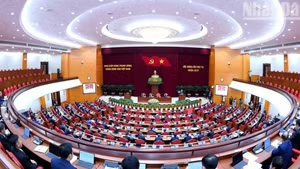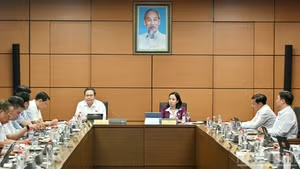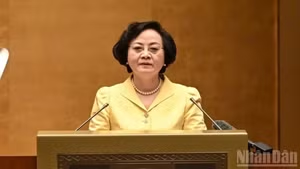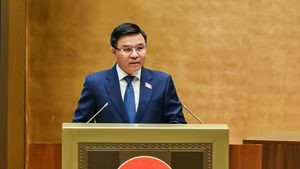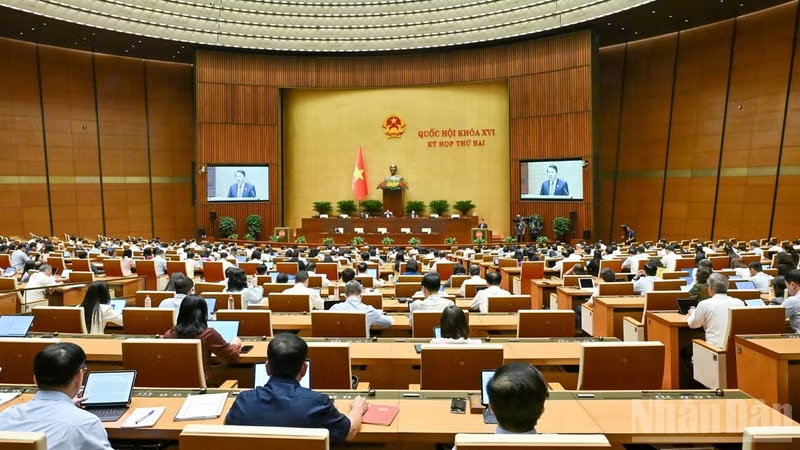
Deputies largely agreed with the draft, saying it addresses shortcomings in identifying works requiring protection, responds to rapid technological advances and clarifies the responsibilities of relevant forces in safeguarding national security infrastructure.
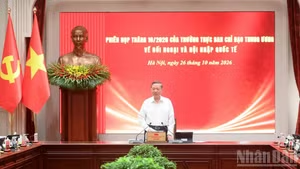
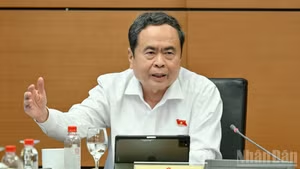
General Secretary of the Communist Party of Viet Nam Central Committee and President To Lam stressed that protection must cover not only infrastructure but also essential activities associated with it, particularly electricity, transport, and data systems whose disruption could affect multiple sectors, localities and people's daily lives.
He called for clear criteria for listing protected works, classification based on their essential functions and the consequences of service disruption, and regular updates to the list. Amid digital transformation, protection measures should cover infrastructure, data and control systems, with stronger cybersecurity and clearly assigned coordination and operational responsibilities.
He also emphasised the need to enable timely emergency responses and strictly define the conditions, authority, scope and duration of protective measures to safeguard human and citizens' rights. Protection corridors should respect residents' legitimate interests, with clear provisions on compensation, support and resettlement, as well as greater public participation.
Deputy Do Duc Hong Ha of Ha Noi highlighted legal and practical shortcomings in Article 29, which allows organisations managing protected works to approve restrictions on residence, production and business activities within protection corridors. He argued that such authority could improperly grant administrative powers to economic entities, many of which operate power transmission systems, energy plants, telecommunications facilities, fuel depots and logistics infrastructure. The draft also lacks clear criteria, procedures, processing deadlines and grounds for refusal, potentially creating discretionary licensing mechanisms and limiting citizens' and businesses' ability to lodge complaints or pursue administrative lawsuits.
Ha proposed that competent-level People's Committees license residence, production and business activities in these corridors, following written professional opinions from the police authority and the organisation directly managing the works. The Government should detail licensing procedures, deadlines, public disclosure of corridor planning and complaint settlement mechanisms.
Meanwhile, deputy Pham Minh Tuan of Khanh Hoa province proposed adding provisions to Article 41 clarifying the Ministry of National Defence's responsibility for coordinating in protecting national security-related works in border areas, islands and the continental shelf. He also called for coordination in controlling airspace and addressing unmanned aerial vehicles violating protected airspace.
He noted that certain critical facilities in these areas, including oil and gas wells, undersea fibre-optic cables and infrastructure along border belts, do not fall under the category of defence works or military zones, but still require appropriate protection arrangements.