
Resolution 57 refines technology priorities for new growth phase
Viet Nam is revising its priority high-tech portfolio to better align with global innovation trends and evolving development demands in the years ahead.
#AI
Có 55 kết quả
Viet Nam is revising its priority high-tech portfolio to better align with global innovation trends and evolving development demands in the years ahead.

The Ministry of Science and Technology has issued Circular No.05/2026/TT-BKHCN on the National Artificial Intelligence Ethics Framework, aimed at guiding the research, development, and application of artificial intelligence (AI) in a safe and responsible manner for the benefit of individuals, communities, and society.

In recent years, many educational institutions have recognised artificial intelligence (AI) as an inevitable trend in education and digital transformation. To date, general education institutions have developed relatively effective plans to incorporate AI education, contributing to the development of students’ learning capacity, thinking skills and experiential learning.

Amid the strong wave of digital transformation sweeping the globe, Viet Nam’s early move to develop and adopt a law on artificial intelligence (AI) is not merely an institutional refinement. It is also a strategic decision aimed at expanding the development space for the digital economy.

Amid profound global changes, artificial intelligence (AI) has emerged as a breakthrough driver of development. Alongside major opportunities, AI also poses unprecedented challenges relating to security, ethics, social trust, and development governance.

Ha Noi has put into operation an intelligent traffic control centre with more than 1,800 artificial intelligence-enabled cameras, which not only improves monitoring efficiency and the handling of violations, but also gradually optimises traffic flows, reduces congestion, and moves towards building a modern, smart, and sustainable urban transport system.

The World Economic Forum (WEF) has recently released a report showing that the global labour market has undergone significant upheaval in recent years and is set to change even more rapidly.

The Au Lac Grand Prize has been launched to recognise artificial intelligence (AI) products and solutions developed and mastered by Vietnamese innovators that deliver strong and lasting socio-economic impact.

In 2025, Lexi, a health technology startup applying artificial intelligence (AI), received consecutive honours at numerous prestigious international awards and competitions, leaving a strong mark across the fields of social enterprise, design, technology, and health equity.
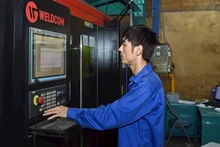
Artificial intelligence (AI) is increasingly becoming a key factor in restructuring the mechanical engineering sector. While offering effective solutions, AI also poses new challenges that Viet Nam’s mechanical industry must confront and adapt to in order to achieve breakthroughs.
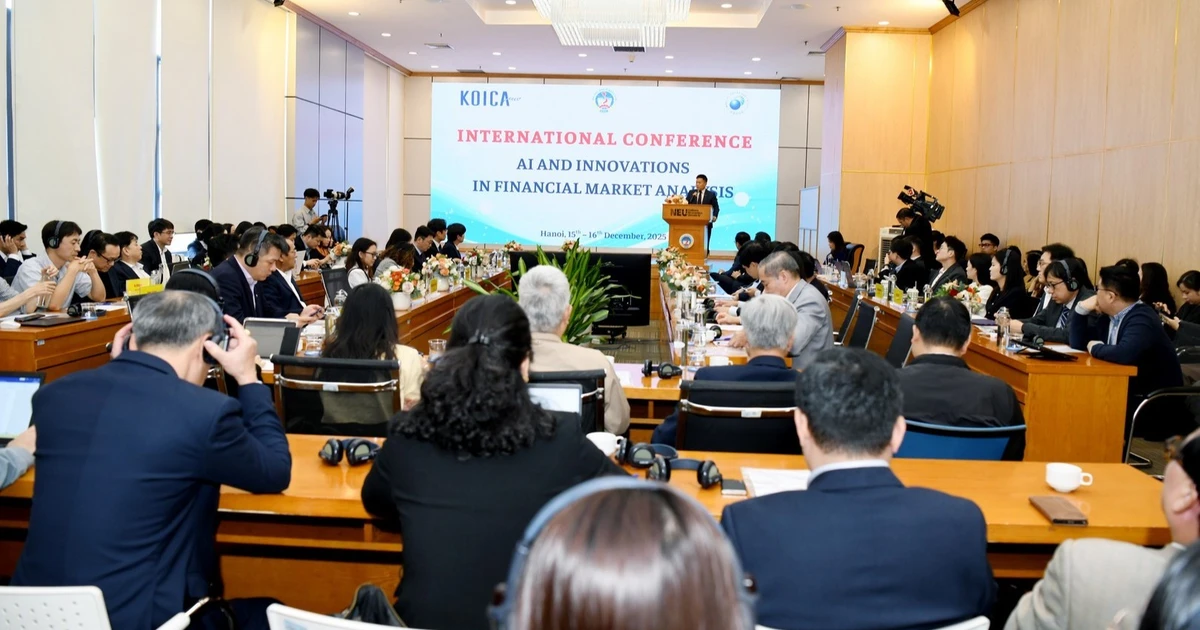
The Institute of Banking and Finance of the National Economics University, in collaboration with the Korea International Cooperation Agency (KOICA) and the Financial Supervisory Service (FSS) of the Republic of Korea (RoK), opened the international scientific conference titled “AI and Innovation in Financial Market Analysis” (AIFMA) in Ha Noi on December 15.
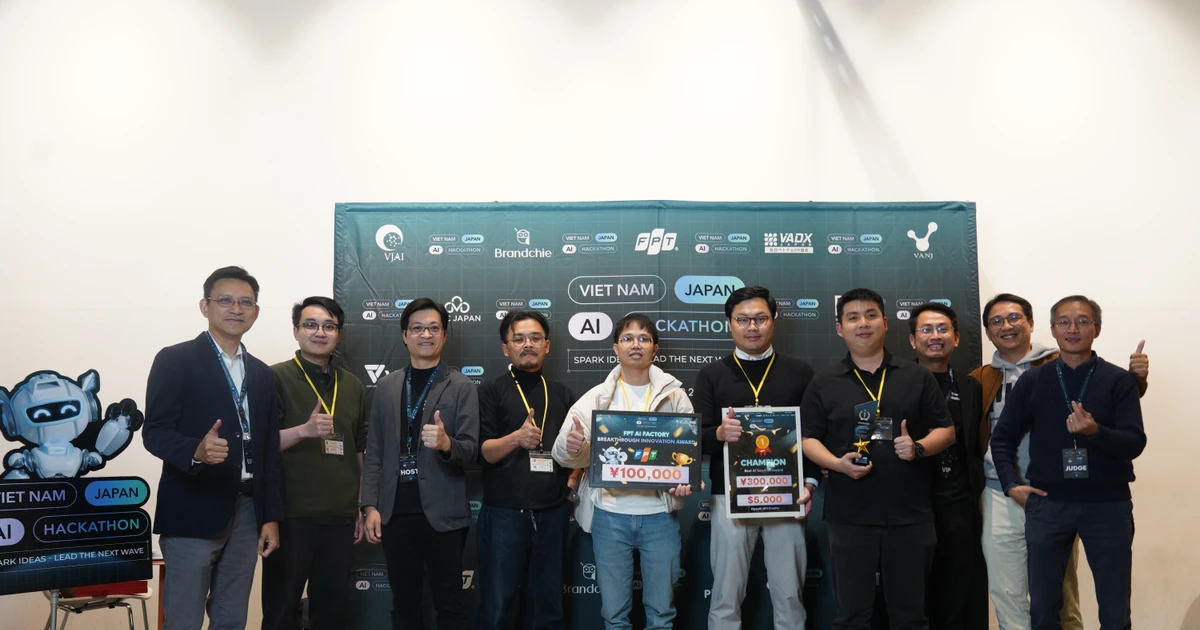
The final round of the Vietnam–Japan AI Hackathon 2025 took place in Tokyo on December 13, bringing together eight outstanding teams from Vietnamese research groups and technology enthusiasts living and working in Japan.
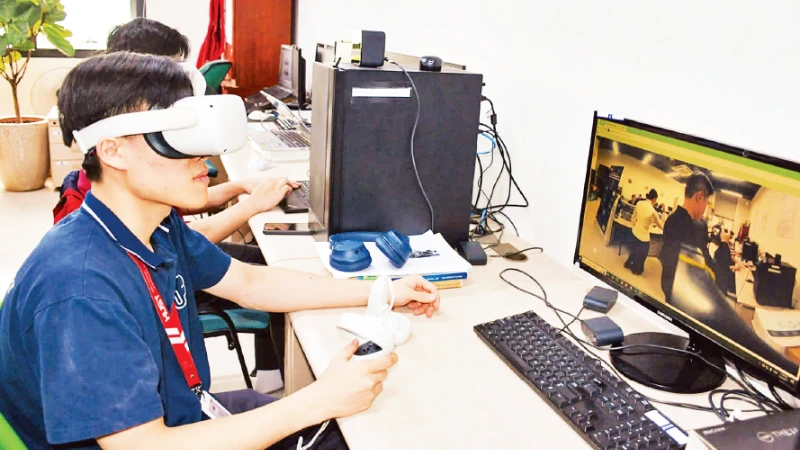
In the context of rapid digital transformation, artificial intelligence (AI) is becoming an important driver of innovation in education and training. Educational institutions, especially higher education institutions, need to intensify reform and effectively harness AI to improve training quality in the new context.

Da Nang has been named Viet Nam’s Smart City of 2025, securing the top and only national title granted this year by the Viet Nam Software and IT Services Association (VINASA).
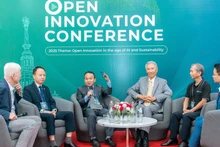
The Open Innovation Conference 2025 (OIC 2025) officially took place for the second year at VinUni University on December 1, with the participation of leading domestic and international experts.

Artificial intelligence (AI) is developing rapidly and has become a key factor shaping the global technology landscape. As the AI craze intensifies with no sign of slowing down, the tech world is sparking a debate: whether the AI market is becoming overvalued and showing signs of an emerging bubble.

Deputies to the 15th National Assembly (NA) held group discussions on the draft Law on Artificial Intelligence (AI) on the morning of November 21 as part of their ongoing 10th session.

The draft Law on Artificial Intelligence was among items under consideration of the National Assembly (NA) Standing Committee at its ongoing 51st session on November 17.

Artificial intelligence (AI) is profoundly affecting every aspect of life. More than merely a tool, AI is becoming a core component in the development strategies of nations, businesses, and global organisations.
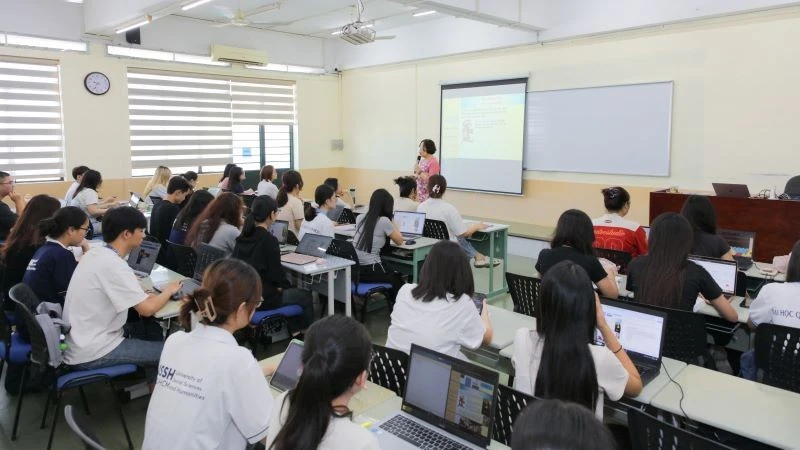
In the context of globalisation and the Fourth Industrial Revolution, Artificial Intelligence (AI) has been profoundly transforming every sphere of social life, from the economy and healthcare to public administration.