Viet Nam’s image as a hospitable, vibrant, and culturally rich destination
To many international visitors, Viet Nam appears as a country with a vibrant, energetic rhythm of life, yet still maintaining a distinctive sense of harmony.
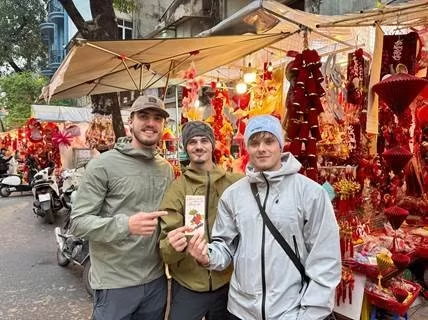
Chris, Barman, and Michael Jones, travellers from Wales, despite having set foot in Ha Noi for less than a day, described the city with immediate impressions: “lively”, “chaotic but lovely”.
Beyond its scenery, it is the Vietnamese people who leave the most lasting impression on visitors and foreigners living here. “People here are very friendly, very open, very welcoming,” said Oliver, a 19-year-old traveller from the UK.
The way Vietnamese people communicate, give directions, or engage in conversation helps shape an image of Viet Nam as a safe, hospitable country in the minds of international visitors. These impressions come not only from landscapes or street culture, but above all from the sincerity and warmth of the Vietnamese people.
Foreigners experience Tet in Viet Nam
If the everyday atmosphere creates initial goodwill, Tet provides foreigners with the clearest insight into the depth of Vietnamese culture. For Magda, Annelie, and Tsebo from South Africa, Tet brings deeply moving experiences, especially the tradition of respecting elders: “We don’t have the respect of the elders like you guys have here”. Through family gatherings and shared meals, they came to understand more about the family values Vietnamese people always cherish.
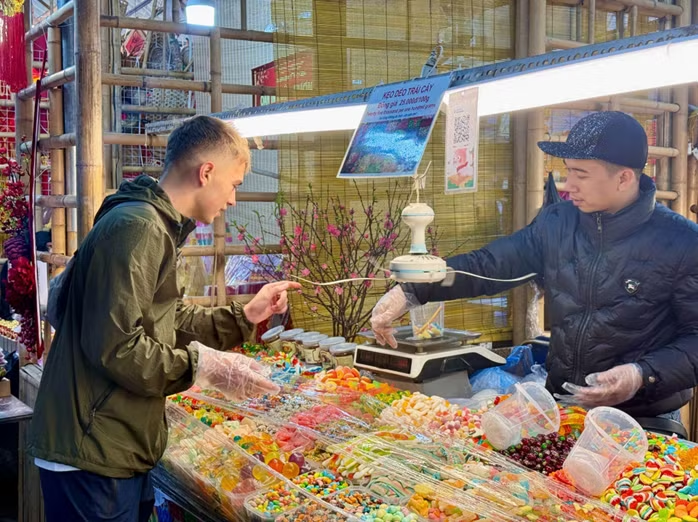
Furthermore, Joanna Del Prado and Marge Magno, Filipino visitors who have worked in Viet Nam for more than a decade, said the atmosphere of Tet preparations reminds them of Christmas back home: “The lights and the lanterns… the same, although the designs are different.”.
What impressed them most was the culture of family reunion: “You celebrate a full week with the family that impressed us so much”. For them, customs such as giving lucky money, visiting relatives, and even shops closing for the holiday reflect strong family values, which set Tet apart from other celebrations.
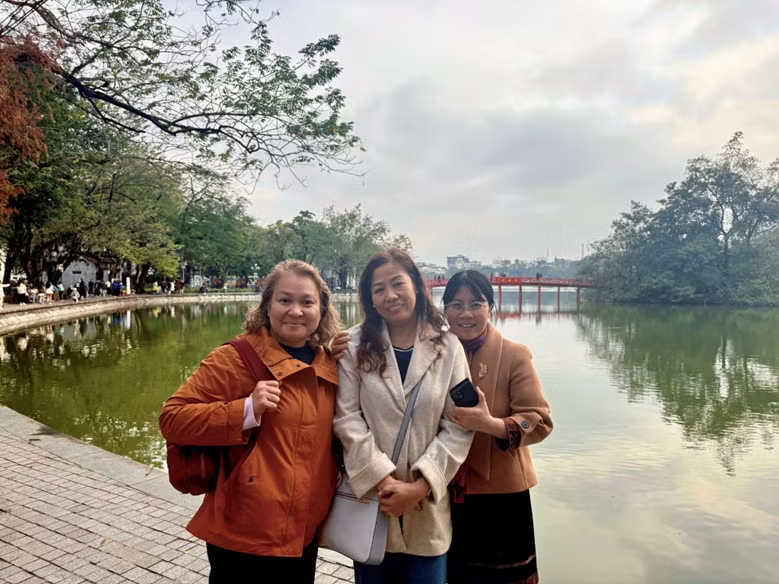
International friends see Tet not only as the beginning of a new year, but as a symbol of unity, affection, and cultural tradition. These values, expressed through rituals and family gatherings, give them a deeper understanding of Viet Nam’s cultural identity in modern life.
Embracing cultural differences during Tet
Alongside the excitement, many visitors also admitted to moments of surprise when experiencing Tet culture. For Sigrid, a German visitor, the biggest challenge was understanding the meaning behind traditional rituals: “I don’t know the customs and the traditional things to do”, she said, despite being impressed by the red decorations and flowers filling the streets ahead of Tet.
For those used to Western lifestyles, Tet can feel unfamiliar and even surprising. Tsebo from South Africa noted that New Year celebrations in his home country often involve gatherings with friends: “New Year would be mostly with friends, they just come back home drunk”. Witnessing Vietnamese families preparing meals and spending several days visiting relatives made him realise the central role of family in Vietnamese society.
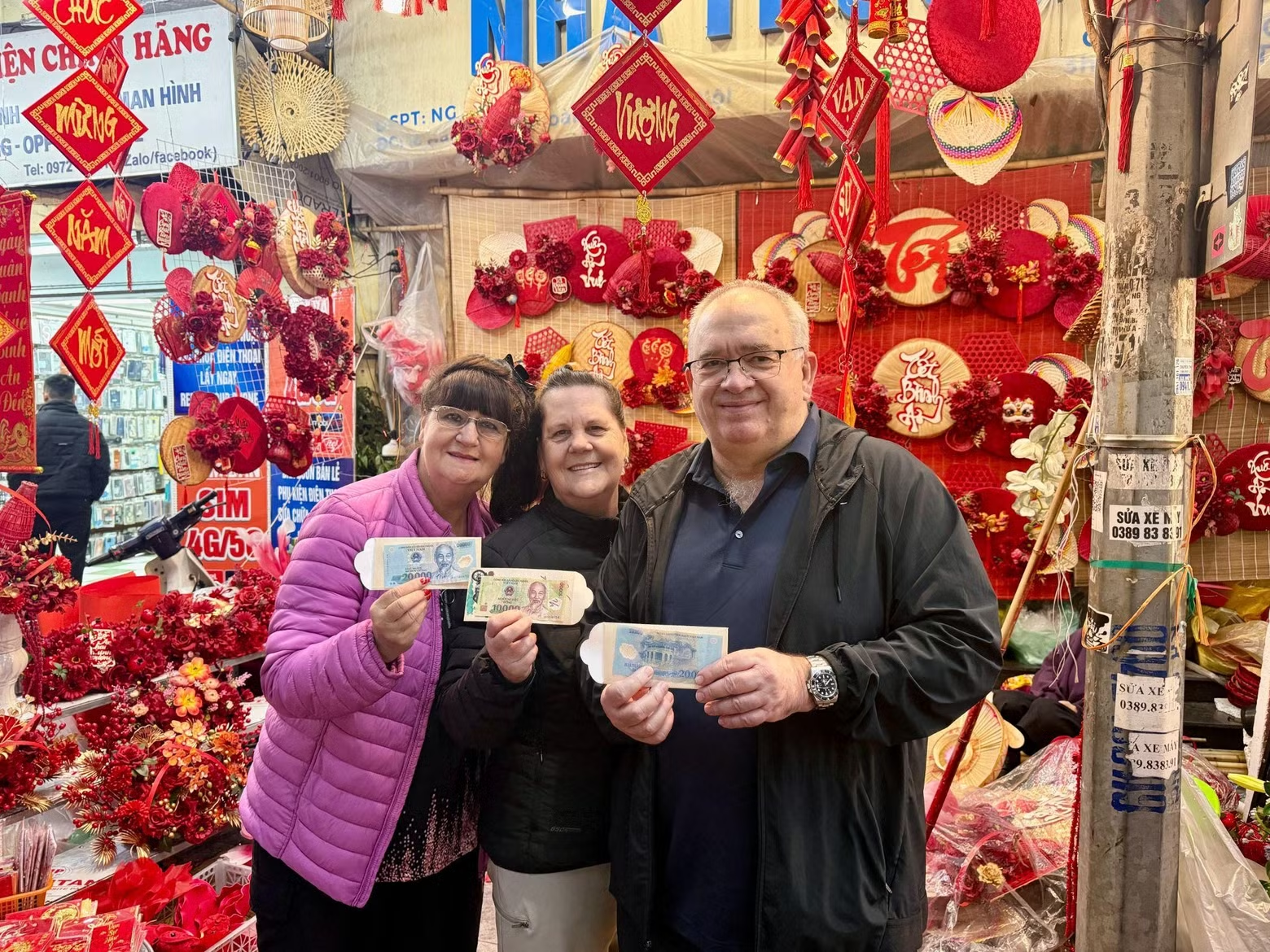
Joanna Del Prado and Marge Magno agreed that they were initially surprised by shops closing during the first days of the Lunar New Year: “I know that in the past, all the shops were closed, and you really spend time going back to your family”. Viet Nam’s family-oriented culture is markedly different from New Year celebrations in the Philippines, where young people often spend more time with friends.
Despite language barriers and cultural differences, international friends regard these experiences as positive — a strong sense of unity and stability, which became even more evident as Viet Nam entered an important period of political and social events. To them, a cohesive and harmonious society provides the foundation for Viet Nam to preserve its identity and achieve sustainable development.
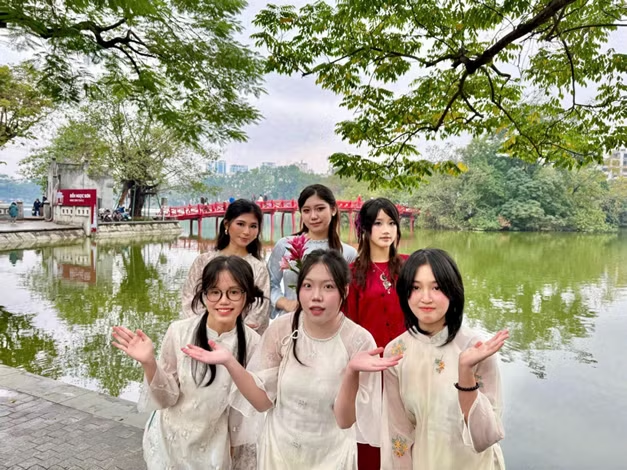
Tet plays a role as a cultural bridge, spreading the image of Viet Nam internationally
From the heartfelt reflections of international friends, Tet is not only a time of reunion but also a cultural bridge that helps the world better understand Vietnamese identity and spirit.
Moreover, the warmth of family, the vibrant festive atmosphere, and long-preserved traditions leave a deep impression, portraying Viet Nam as a friendly, stable, and culturally rich nation. These positive experiences contribute to promoting the beauty of Vietnamese culture internationally, making Tet one of the country’s most effective symbols of connection and cultural diplomacy.

![[Video] Viet Nam among Top three Asian destinations for return visitors](https://en-cdn.nhandan.vn/images/nyM650OGFWrOVWc-xajqN-rTZ68Rlmc1fiGJOhBRYHErj-E25MBpvJqrpphXazfrpe9t-fYCGuQU4CN0yXo3Rg/du-lich-vietnam.jpg.avif)