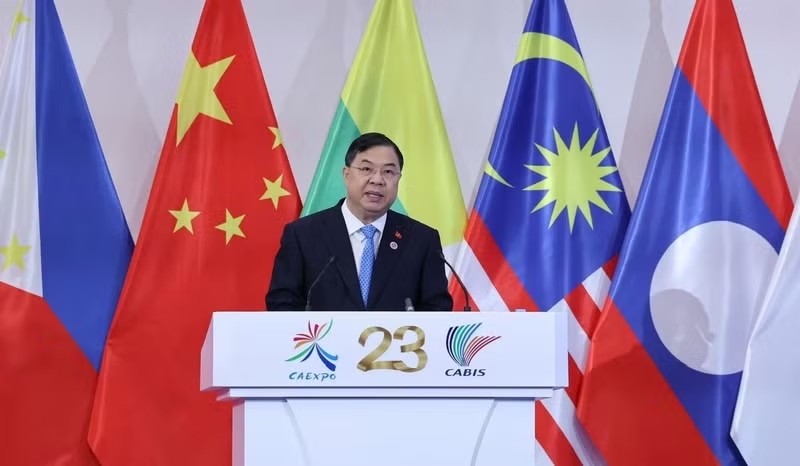
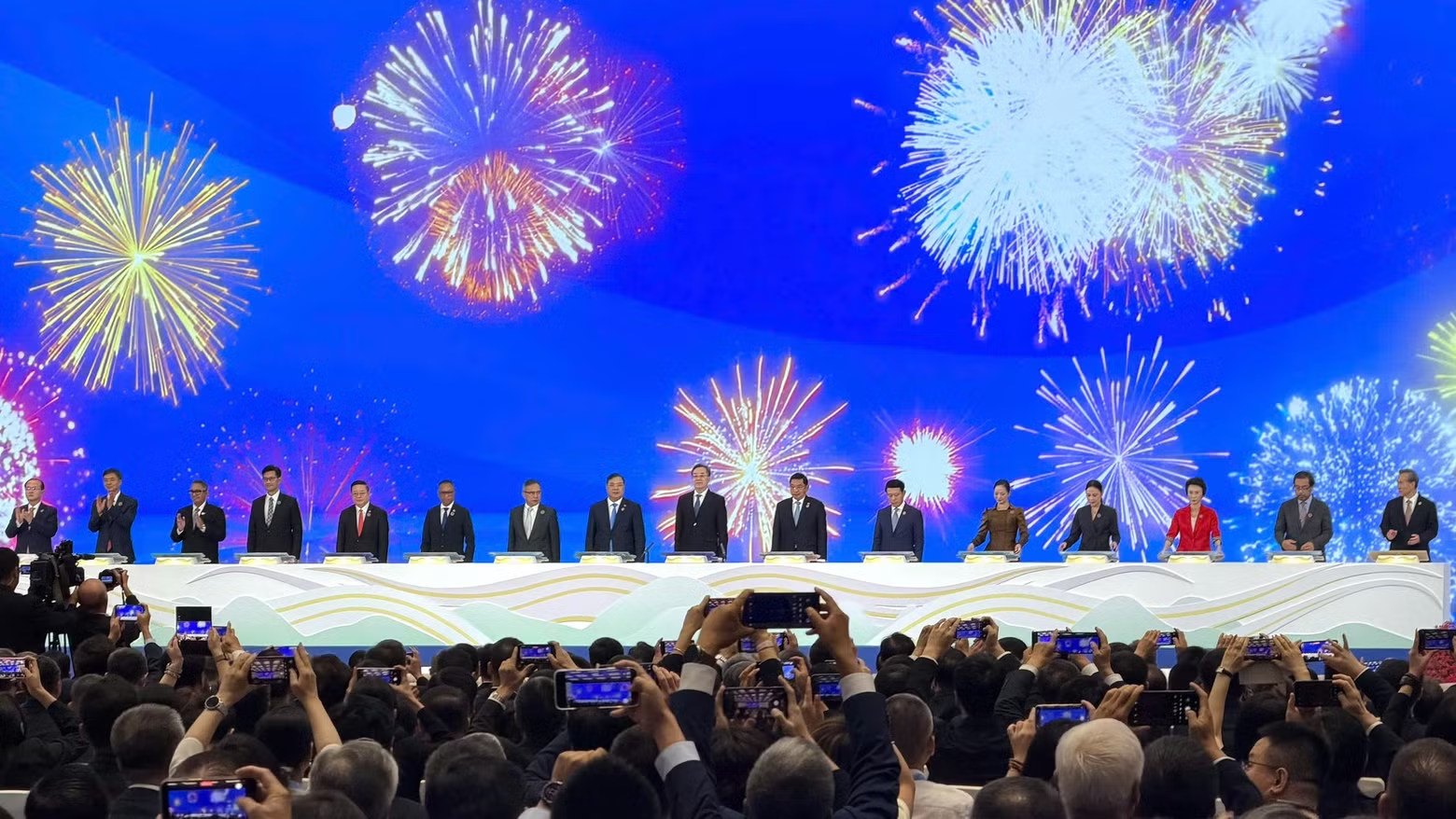
This year's expo, under the theme "CAFTA 3.0 Opportunities, Better Life”, highlights the latest achievements in cooperation between China and ASEAN countries as well as new opportunities arising from the China-ASEAN Free Trade Area (CAFTA) 3.0 framework.
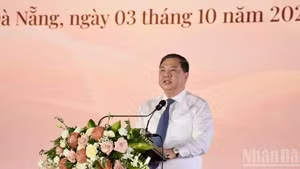
Speaking at the opening ceremony for the expo, Standing Deputy Prime Minister Pham Gia Tuc emphasised that over nearly four decades, ASEAN–China relations have emerged as one of the most successful and stable models of cooperation. Building on strong political ties, economic and trade cooperation between the two sides has made remarkable strides, with bilateral trade surpassing 1 trillion USD for the first time in 2025, making ASEAN and China each other’s largest trading partners. China also remains a leading source of foreign direct investment (FDI) for many ASEAN countries.
Within the broader ASEAN–China relationship, Viet Nam–China trade and investment cooperation has played an important role in connecting markets and production chains.
According to the Vietnamese Standing Deputy PM, the theme of this year’s expo focuses on CAFTA 3.0, encompassing artificial intelligence, the digital economy, the green economy, logistics and supply chains, reflects a new phase in China–ASEAN cooperation: from market connectivity to development capacity connectivity, and from traditional trade in goods to digital trade promotion and high-tech investment.
Viet Nam has always attached great importance to and strongly supported CAEXPO and China - ASEAN Business and Investment Summit (CABIS), and is proud to be an active contributor to the success of these events, he affirmed.
On this occasion, Standing Deputy PM Pham Gia Tuc put forward four proposals for China – ASEAN cooperation. First, efforts should be made to translate CAFTA 3.0 into practice, symplify procedures to facilitate trade and investment and further expand market access for each other's goods.
Second, it is crucial to enhance ASEAN-China trade and investment in a more balanced and sustainable manner, while strengthening linkages between businesses from both sides in green agriculture, clean energy and emerging sectors.
Third, the two sides should accelerate digital connectivity and innovation; jointly harness the potential of artifical intelligence, cross-border e-commerce, digital infrastructure and smart logistics, while working together to foster an innovative, secure and inclusive regional digital ecosystem.
Fourth, the focus should be placed on strengthening ASEAN–China infrastructure connectivity across road, rail, maritime and air transport, particularly cross-border transport links, logistics networks and economic corridors, thereby fostering stable and highly efficient regional supply chains.
Vietnamese enterprises showcase a diverse range of products at CAEXPO 2026, including agricultural products, processed foods, footwear, consumer goods, household products, furniture, handicrafts and technology solutions, among others.
The event also provides them with opportunities to connect directly with major buyers and access high-quality investment flows, thereby enhancing their specialised production capacities.
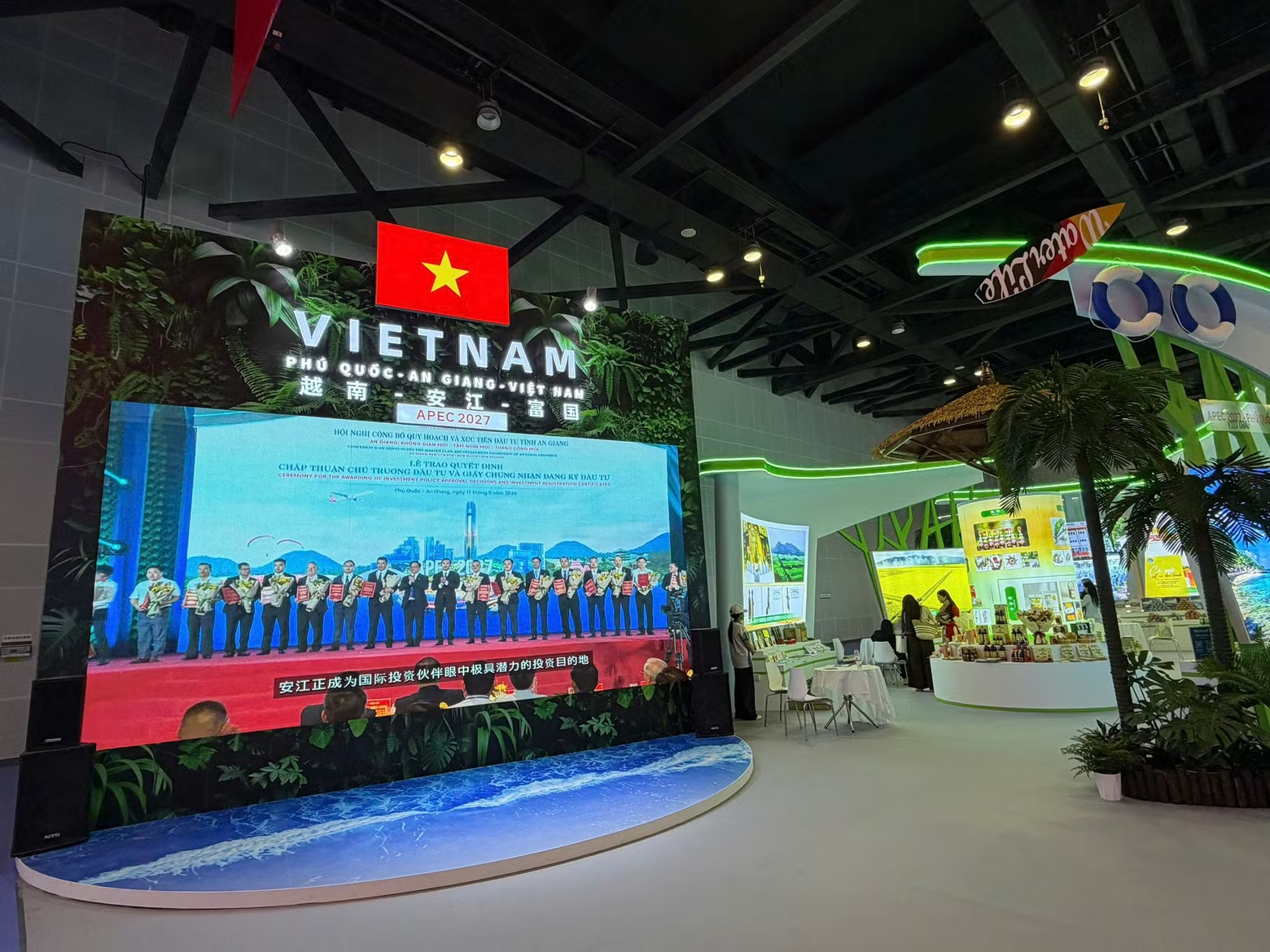
This year, Viet Nam's An Giang Province was selected for participating in the Pavilion of Cities of Charm, introducing the potential and strengths of the locality in particular and Viet Nam as a whole in the fields of economy, trade, investment and tourism, while also highlighting their distinctive cultural features.
Alongside exhibition and trade promotion activities, Vietnamese Ministry of Industry and Trade is coordinating with relevant agencies to organise a series of forums and conferences including the Viet Nam–China Forum on Trade, Investment and Technology Cooperation, the 2026 Conference on Promoting International Cooperation in the China (Guangxi) Pilot Free Trade Zone; and the Conference on Investment Promotion in ASEAN Industrial Parks and Project-Matching Exchanges.
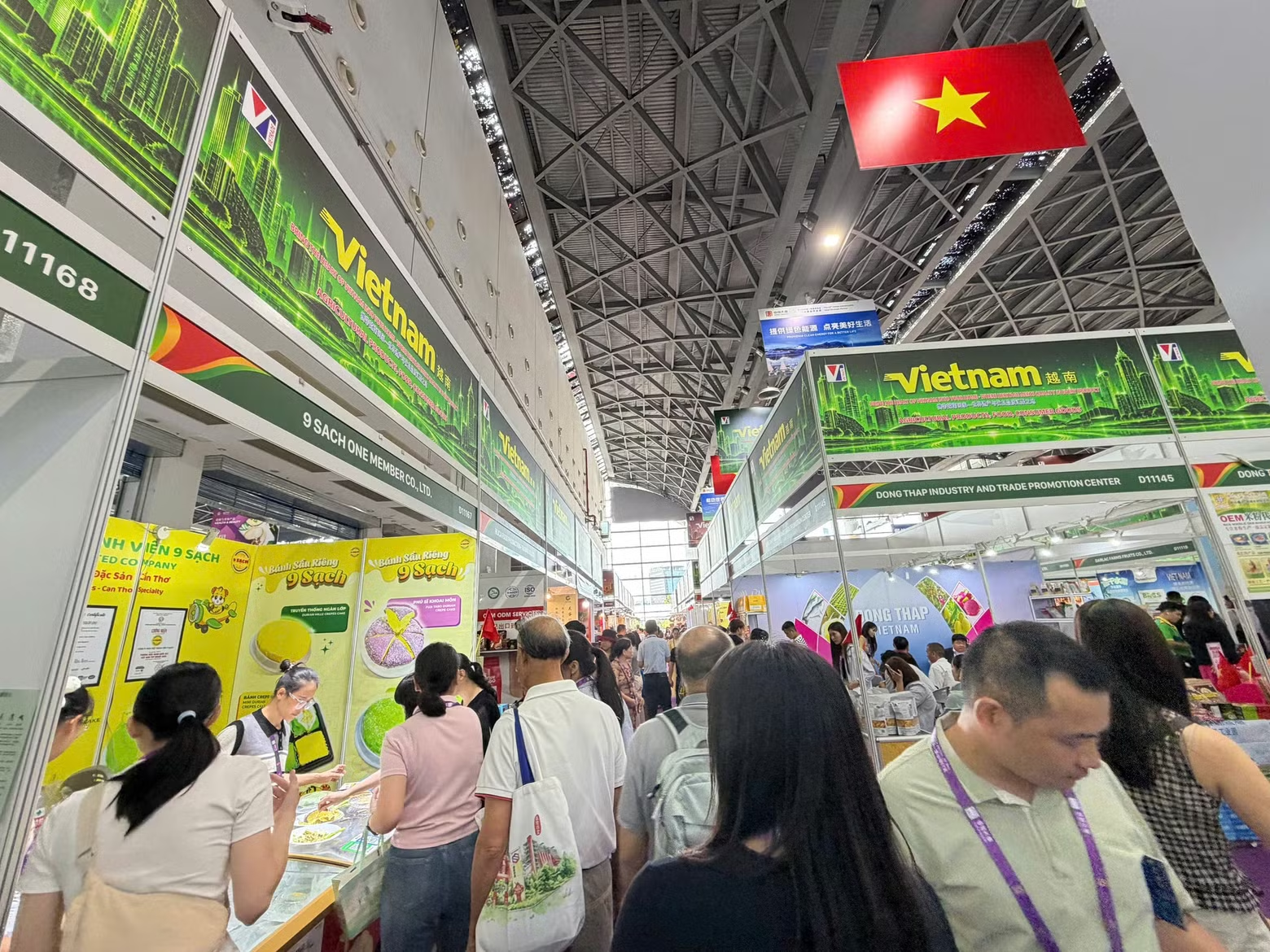
The activities are expected to facilitate connections between Vietnamese enterprises and potential partners, while opening up further opportunities for trade, investment and technology cooperation between Viet Nam, China and other regional partners.
With a total area of approximately 170,000 square metres, the expo gathered over 3,400 enterprises from over 70 countries and territories, an increase of 5.3% compared to the previous edition.
The 100,000-square-metre main exhibition area at the Nanning International Convention and Exhibition Centre is divided into five sections: Commodity Trade, Investment Cooperation, Trade in Services, Advanced Technologies, and Cities of Charm.
This year's expo witnesses a strong technological focus. ASEAN countries are showcasing a diverse array of products and solutions, ranging from agriculture, handicrafts and traditional industries to higher value-added sectors such as digital telecommunications, green transformation, environmental protection and artifical intelligence (AI).



![[Infographic] VN-Index rises 0.34% on October 6](https://en-cdn.nhandan.vn/images/j0QNt7m_5iy1OXpnUKiwG61aYhTv_B140GWhfriF26IM-hJLr-YyB-igcHJ7cLRKshCXmgI3hJXGVRYJMfGPzA/chung610-8460.jpg.avif)