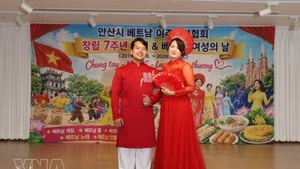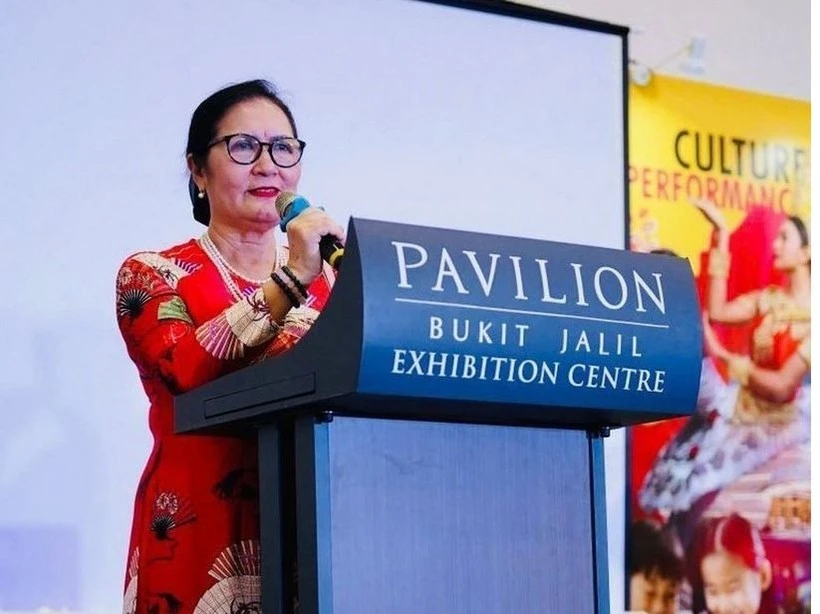
Tran Thi Chang, President of the Malaysia-Viet Nam Friendship Association, said she is particularly struck by Viet Nam’s ability to sustain rapid growth while safeguarding its cultural identity and traditional values. Numerous tangible and intangible heritages have earned UNESCO World Heritage status, and the distinct cultures of Viet Nam’s 54 ethnic groups remain protected and upheld, contributing considerably to national progress.
With the current GDP trajectory, modernising transport and technology infrastructure, and a wave of new projects driven by strategic Party leadership, Chang said Viet Nam is poised for even stronger advancement in the coming years.
She praised ongoing efforts to restructure State agencies, eliminate redundancies, streamline administration, and accelerate digital technology adoption across sectors. These reforms, she said, will facilitate sustainable growth and enable Viet Nam to achieve its ambitions for 2030-2045.
To fully pool OV resources in the new development phase, Chang suggested that the State study breakthrough policies for OVs in citizenship rights, talent attraction, and investment.
On the cultural front, she urged greater investment in online Vietnamese language curricula and overseas cultural hubs to engage younger generations born abroad. She also proposed regular summer camps, cultural tours, and internships at Vietnamese companies for OV students, along with support for them to launch businesses back home.
For administrative reform, Chang advocated digitising OVs-related procedures via mobile apps and creating one-stop legal assistance units in major cities to handle investment, civil status, and residency matters
Nguyen Thi Lien, who has spent more than a decade engaged in community work and Vietnamese language teaching in Malaysia, voiced strong support for the Politburo’s Resolution 57 on breakthroughs in science and technology, innovation and national digital transformation.
She highlighted the resolution’s focus on tapping more than 600,000 OV intellectuals and experts to drive “leapfrog” development, calling it clear evidence of the Party and State’s commitment to harnessing their role and potential.
Lien called for continued concrete policies to further enhance the role of Viet Nam’s overseas missions, encourage OVs to build strong communities and stay connected to their homeland.
Greater connectivity, especially for younger generations, to engage directly in political, cultural, economic, and social activities would bolster national unity and maximise collective overseas contributions to Viet Nam’s development, she said.