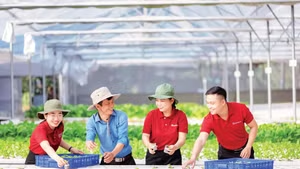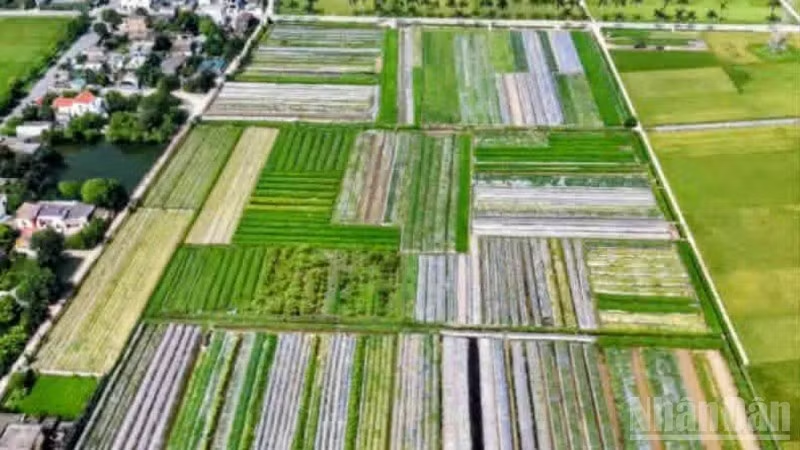
Speaking about the medicinal plant cultivation areas in Dong Tien Hai, Tay Tien Hai, Tien Hai, Ai Quoc, Dong Chau and Nam Cuong communes, Hoang Van Luong, born in 1999 and currently Chairman of the Board and Director of Hoang Luong Southern Herbal Cooperative, shared that the Hoang Luong Southern Herbal Cooperative make use of mixed gardens and plots of land that local people leave uncultivated to grow medicinal plants. Each year, the cultivation area increases significantly. At present, the cooperative has more than 70 hectares of medicinal plants supplying raw materials for processing health-enhancing products.
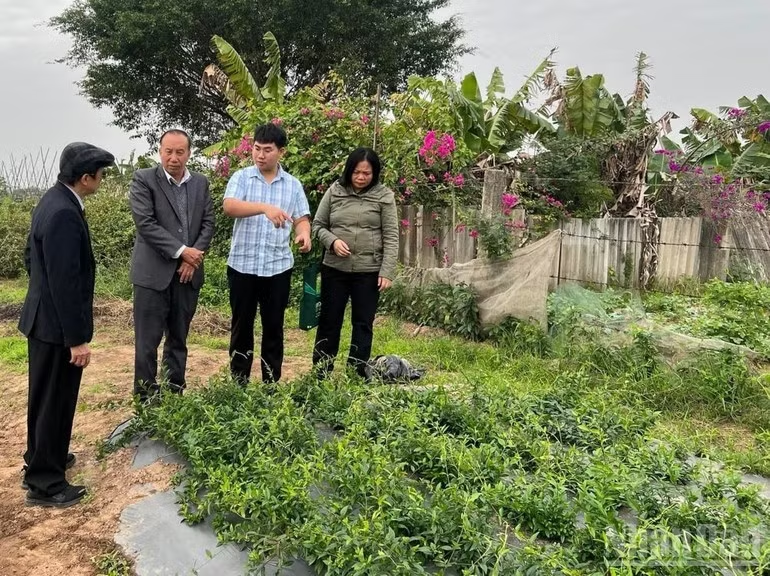
Dong Tien Hai Commune has the largest cultivation area, with more than 40 hectares. Cooperative members remain committed to this work because, alongside traditional rice farming, medicinal plant cultivation provides a substantial source of income during the agricultural off-season.
Medicinal plants such as honeysuckle, black beans, mung beans, xa den (Celastrus hindsii) and diep ha chau (Phyllanthus niruri) have been introduced by Luong to ensure a stable supply of raw materials for production.
After graduating from Ha Noi Medical University, Luong returned to his hometown and devoted himself to research and formulation, developing two high-value products: reishi mushroom tea and brown rice–cordyceps tea. These products were recognised as three-star OCOP (One Commune One Product) items in 2023 and 2024.
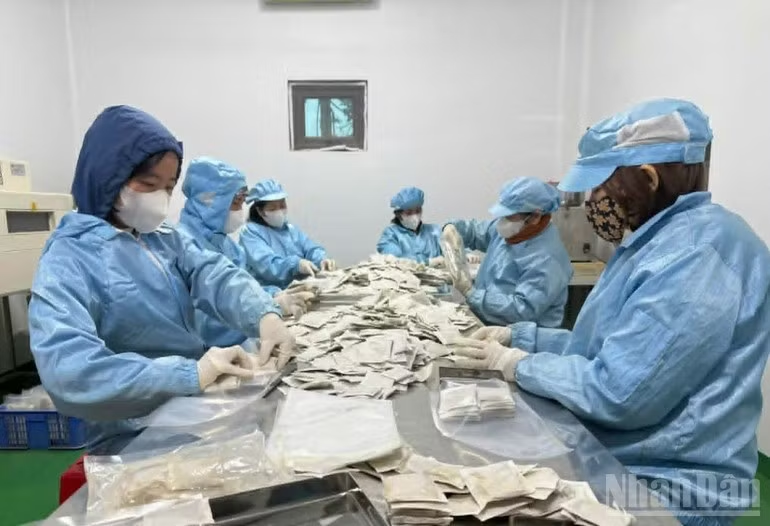
Previously, with the cooperative, the former Tien Hai District authorities provided immediate support of 80 million VND per product. As a newcomer to the sector, Luong expressed his delight at the close attention and support from local leaders as the cooperative navigates the many challenges ahead in production and business.
He noted that before participating in the OCOP programme, the cooperative’s products were little known. Now, with an established brand, they have attracted greater attention and interest from consumers.
Hoang Van Luong is continuing to pilot the cultivation of more than one mau (approximately 3,600 square metres) of jasmine to harvest flower buds, while also linking with households in Dong Chau Commune, Hung Yen, to grow mushrooms. After a long and persistent effort to build up raw material zones, ca gai leo (Solanum procumbens) and xa den have emerged as medicinal plants that deliver high economic value and are easy for local farmers to cultivate.
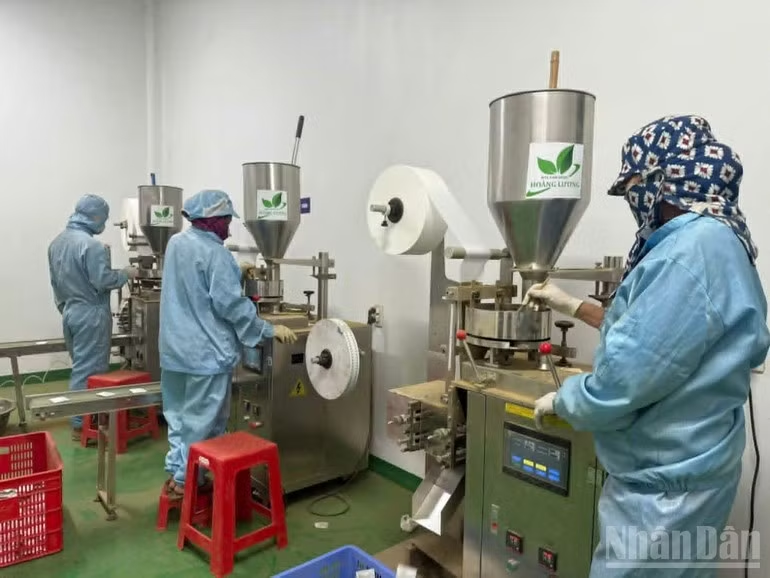
For these medicinal plants, the cooperative applies new technologies. Instead of traditional sun-drying methods, when plants reach around two months of growth (while still young), they are immediately extracted and processed. This results in products with a more fragrant flavour and enhanced value and potency.
With a relatively large cultivation area established, the cooperative has formed production-consumption linkages to market medicinal plants for its members. At present, its main buyers include clinics and pharmaceutical companies such as Khai Ha and Thai Hung.
Alongside selling raw medicinal materials, the cooperative also promotes and markets its herbal tea products. In the past year alone, the cooperative performed well, generating revenues of around 8 billion VND.
Hoang Luong Southern Herbal Cooperative is now shifting towards producing gift items derived from medicinal plants. A notable example is reishi mushroom tea, which has been designed to incorporate the Tien Hai brand identity, enhancing recognition and evoking the image of a revolutionary homeland marked by resilience and determination in labour and production.
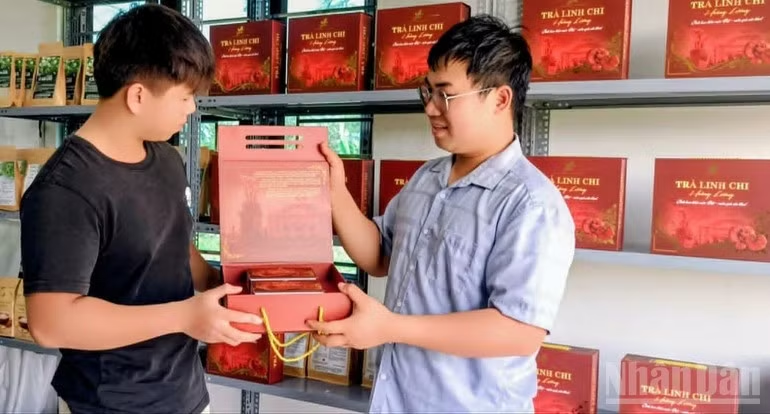
Currently, the cooperative produces a range of teas, including reishi mushroom tea, brown rice–cordyceps tea, ca gai leo (Solanum procumbens) tea and relaxing herbal tea. It is also researching and developing foot-soak packs and massage oils to diversify its product portfolio, create a distinctive identity and enhance competitiveness in the market.
In addition to reishi mushroom tea and brown rice–cordyceps tea, which have been awarded three-star OCOP status by the province, in 2024 the cooperative added another three-star OCOP product: pennywort and mung bean powder. This achievement is a fitting reward for the coastal village youth’s persistent, scientific efforts in exploration, research and extraction.