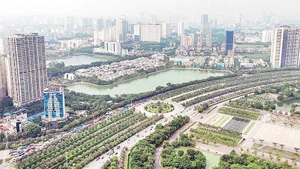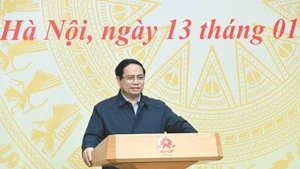
This statement was made at a conference on implementing Hanoi’s master plan until 2030, aimed at transforming the capital into a modern and sustainable city.
He added the city will relocate schools, universities, hospitals and factories in downtown districts to the outskirts and their vacated premises will be converted to green parks and public spaces. The city will also carry out extensive renovations to places of historical and cultural interests.
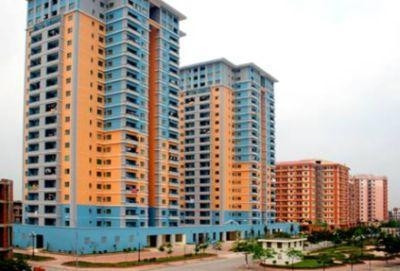
Under the master plan, the city will develop new urban areas and satellite towns in suburban districts to ease strain on the city centre, said the Chairman.
The city will also pool its resources to significantly upgrade urban infrastructure including roads, power and clean water supply, as well as drainage and sewage systems.
Speaking at the conference, Politburo member and Secretary of the Hanoi Party Committee Pham Quang Nghi urged relevant agencies to effectively fulfil their assigned tasks to realise the city’s urban development plan.
In July 2011, the Prime Minister approved Hanoi’s master plan until 2030, with a vision towards 2050, anticipating the capital will become a modern metropolitan area with a population of 9 million by 2030.