[In Pictures] August Revolution, August 19, 1945: A victory of patriotism and aspiration for national independence

The August Revolution of 1945 was a great victory of the Vietnamese nation under the leadership of the Communist Party and leader Nguyen Ai Quoc-Ho Chi Minh. The August Revolution gave birth to the Democratic Republic of Viet Nam, opened a new chapter in the nation’s history, affirmed the triumph of patriotism and the aspiration for national independence, and strongly encouraged national liberation movements around the world.

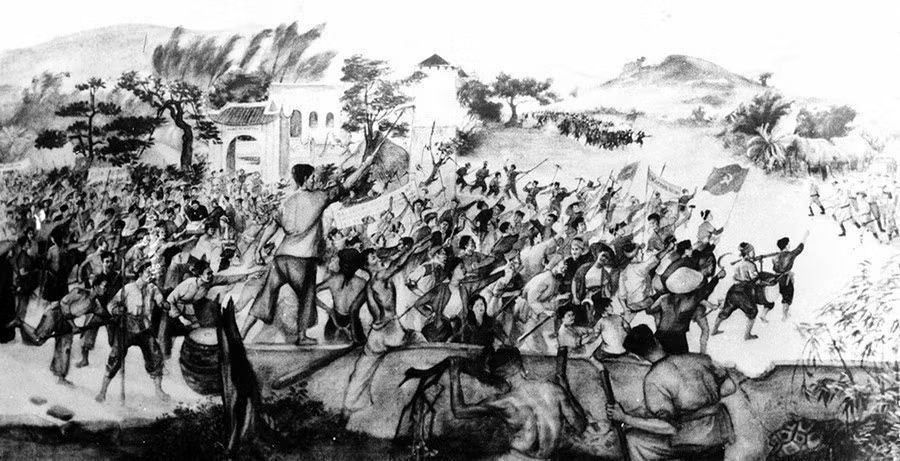
The revolutionary struggle movement in the 1930-1931 period, culminating in the Nghe-Tinh Soviets movement, broke out as the first general rehearsal of the Vietnamese revolution under the leadership of the Party of the working class, becoming a shining milestone in the history of the Vietnamese revolution. (Photo: VNA)
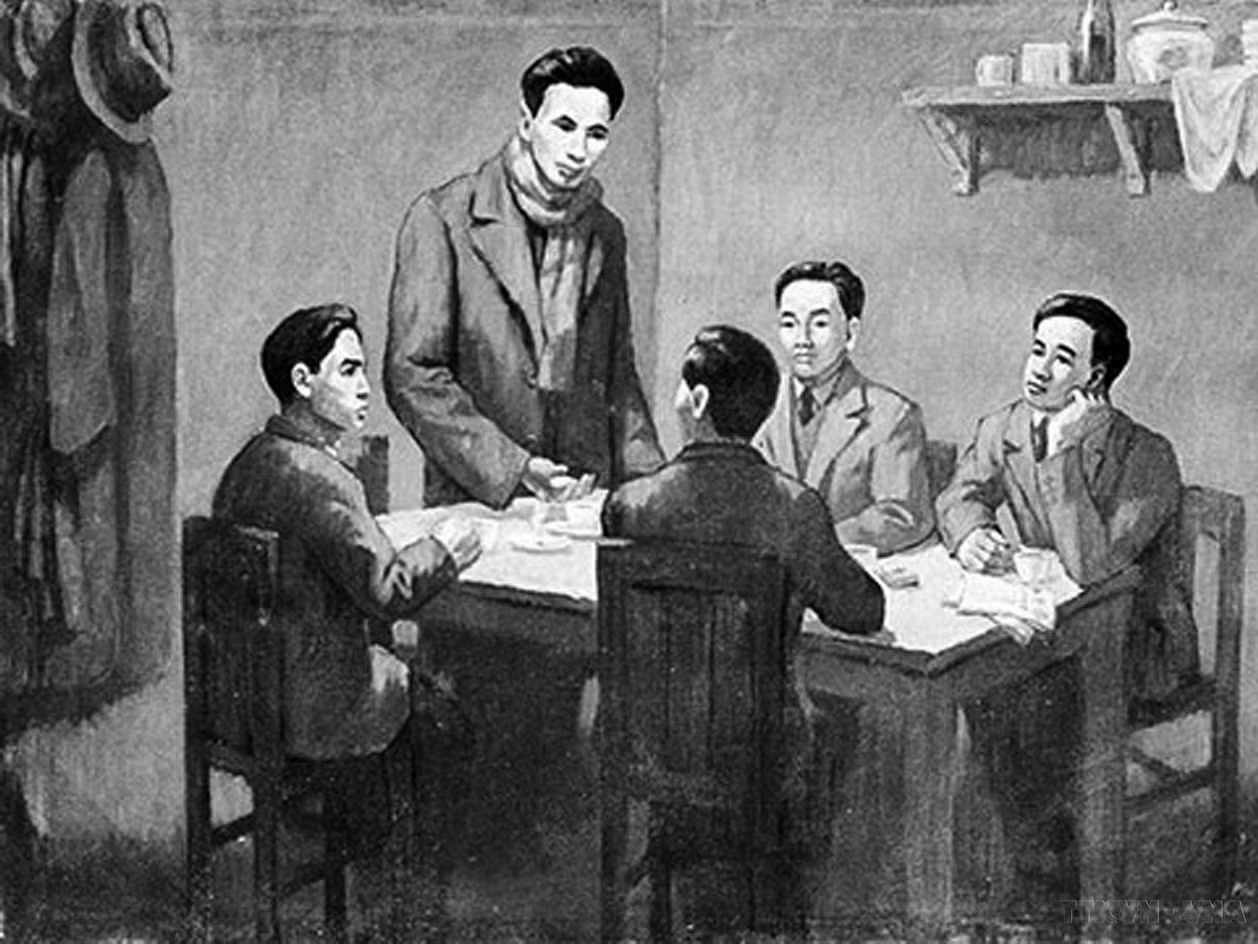
From January 6 to February 7, 1930, a conference to merge communist organisations and establish the Communist Party of Viet Nam was held in Hong Kong (China), under the chairmanship of Nguyen Ai Quoc on behalf of the Communist International. (Photo: VNA)
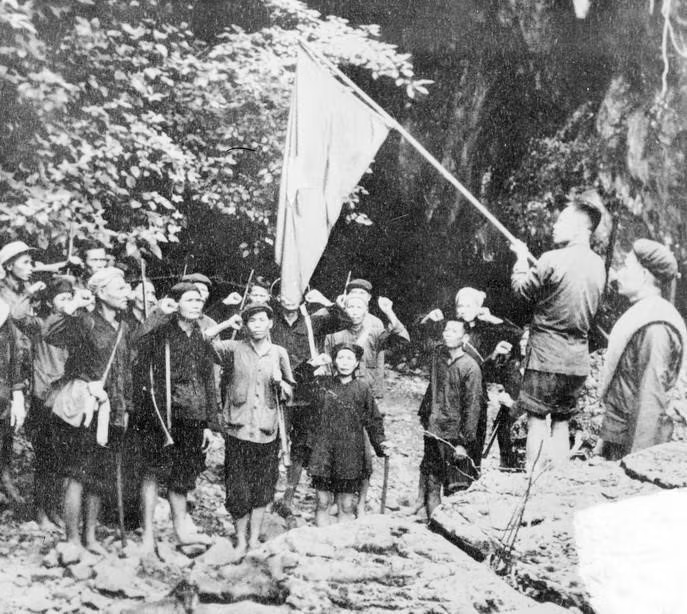
The first guerrilla unit in Viet Nam led by the Party was established in Bac Son, Cao Lang Province, in 1940. (Photo: VNA)
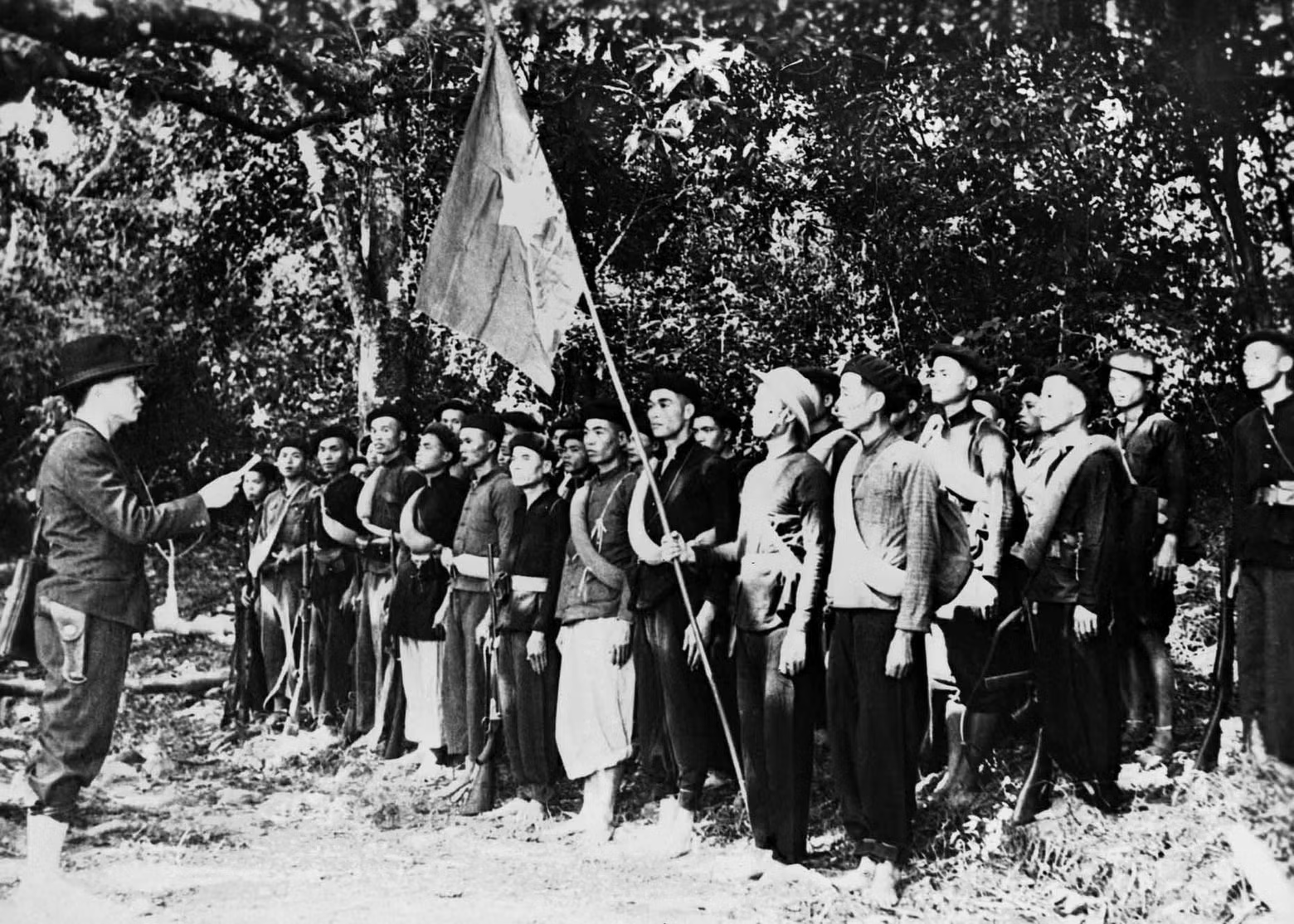
On December 22, 1944, the Viet Nam Propaganda Unit of Liberation Army, the predecessor of the Viet Nam People’s Army, was established in Cao Bang under the command of Vo Nguyen Giap, creating a new situation on the armed revolutionary struggle front. (Photo: VNA)
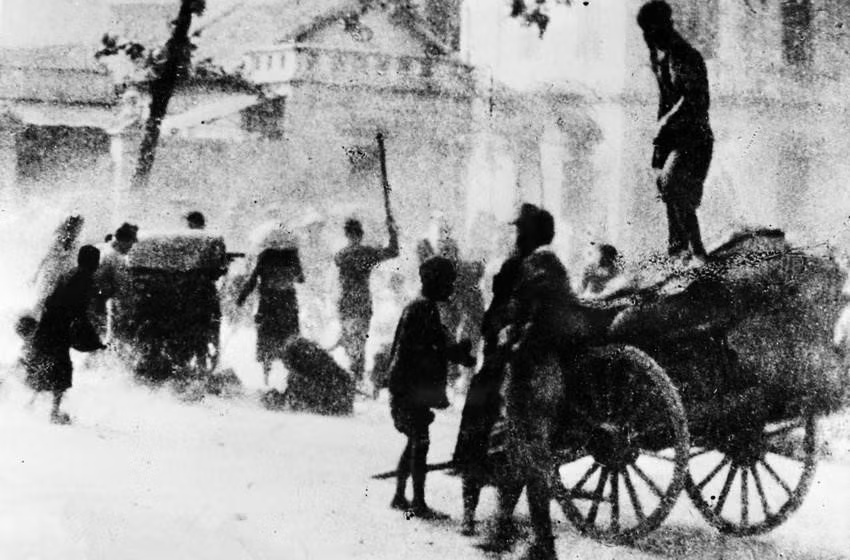
On March 9, 1945, Japan staged a coup against France and seized sole control of Indochina. The Standing Board of the Party Central Committee issued the directive “Japan and France shoot each other and our action”. Under the directive, a revolutionary high tide emerged in many places. The Viet Bac liberated zone, comprising six provinces, was established, calling on people to bravely advance under the banner of the Viet Minh and “use our own strength to liberate ourselves”. In the photo: People in many localities rose up to seize Japanese rice warehouses to relieve famine. (Photo: VNA)
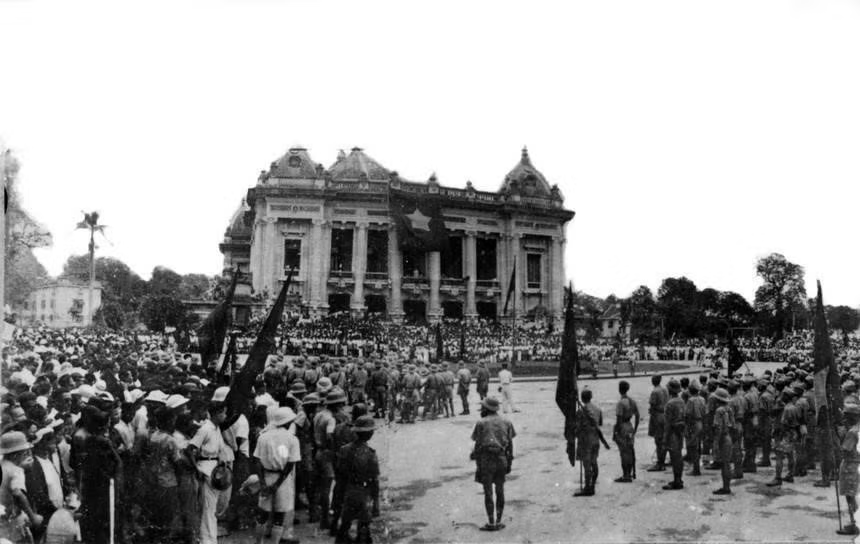
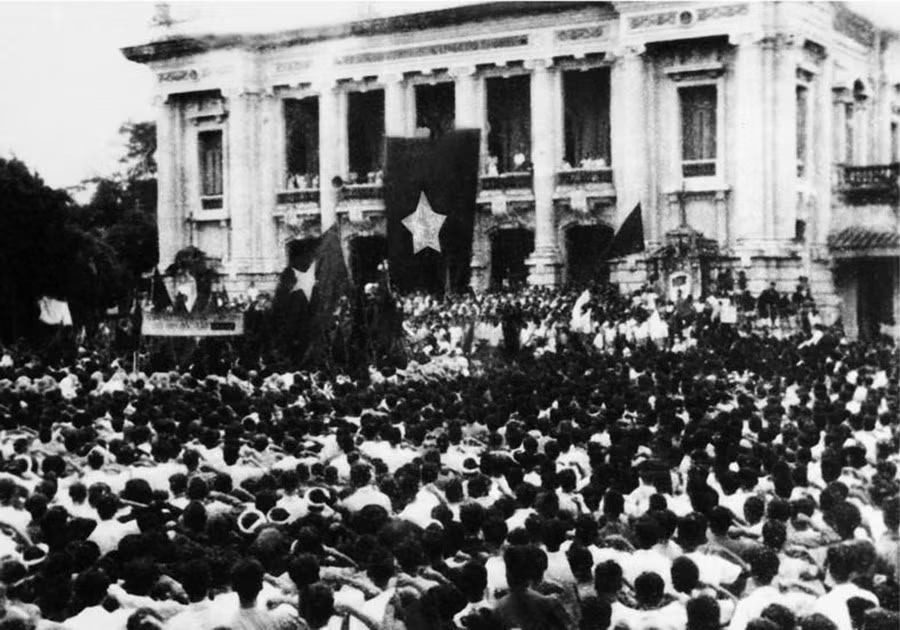
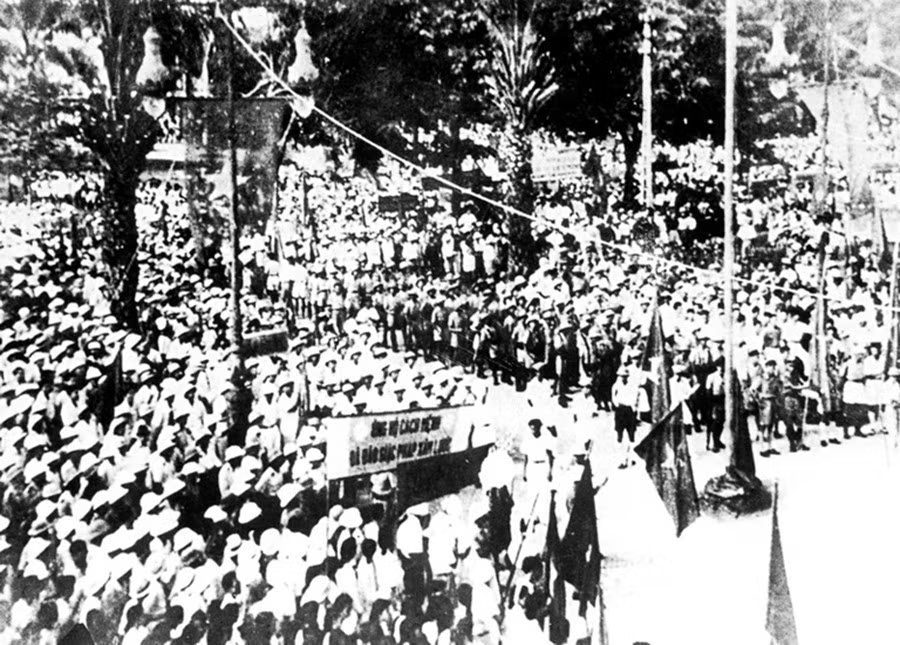
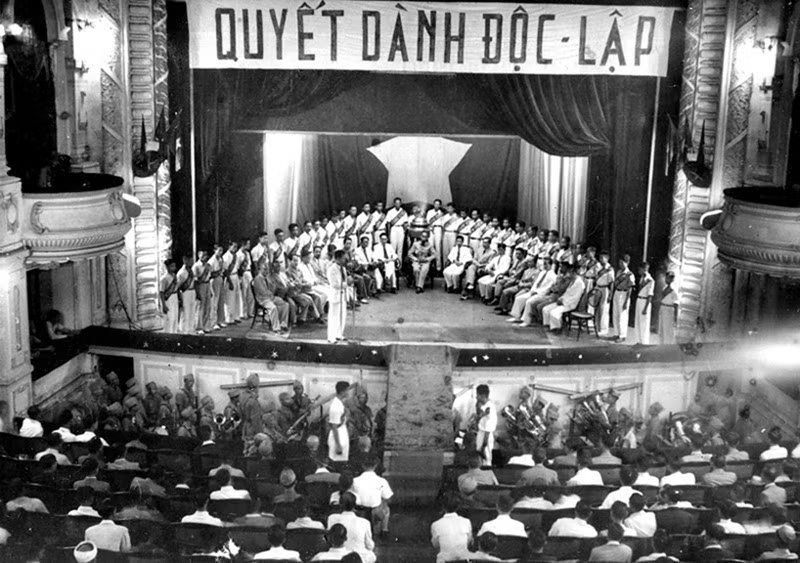
The Viet Minh Front holds a rally with the participation of tens of thousands of people at the Ha Noi Opera House Square. (Photo: VNA Archives)
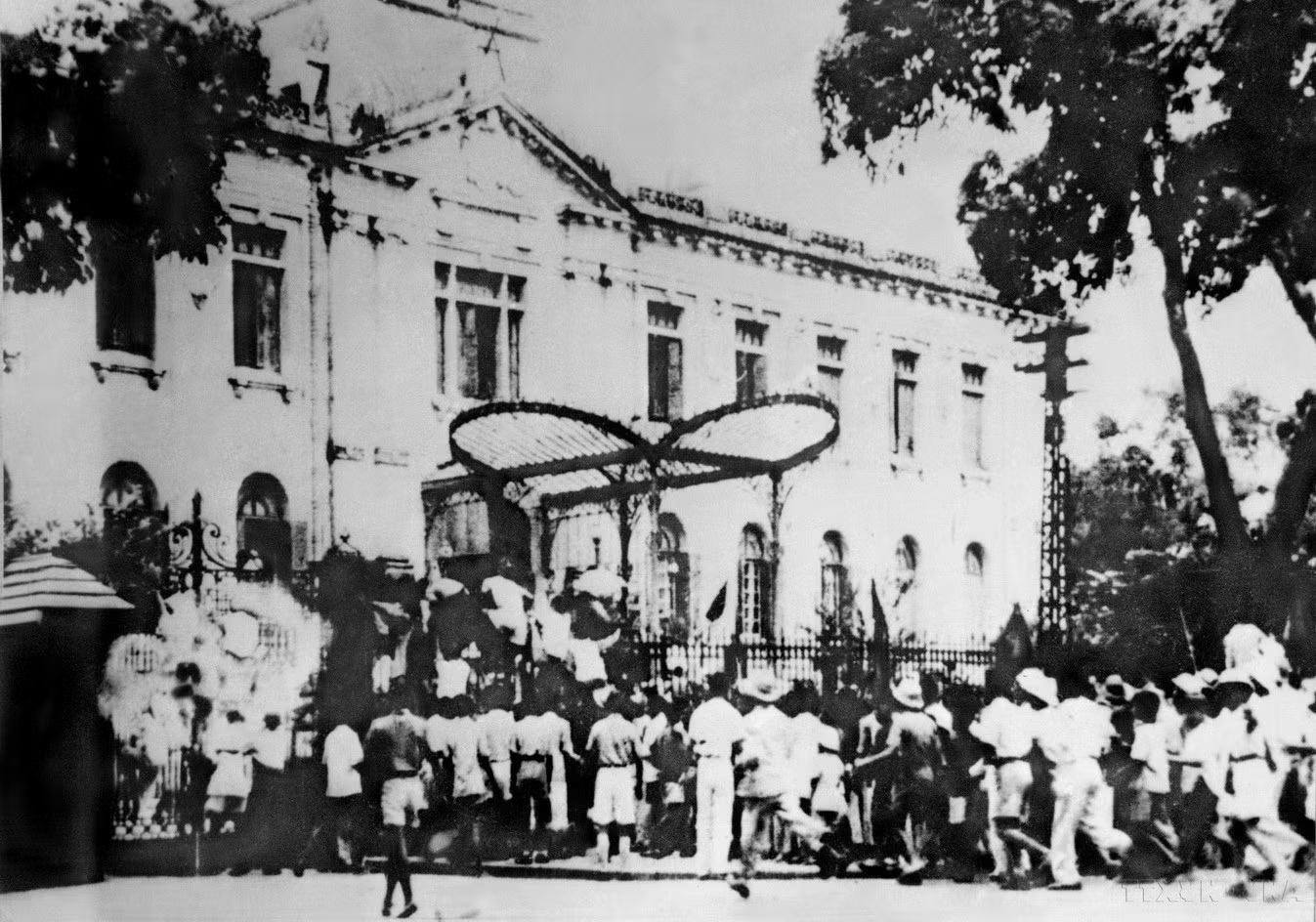
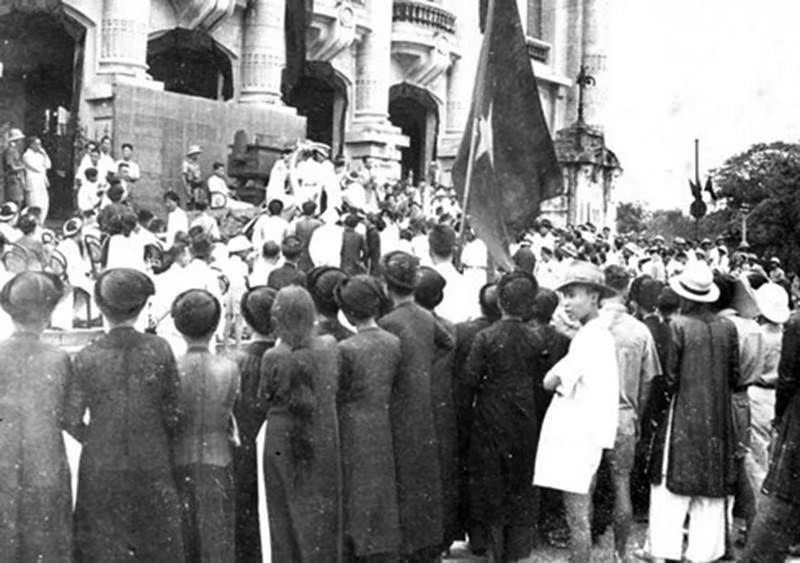
Revolutionary masses and self-defence forces seize the Residence of the Tonkin Governor, known as Bac Bo Phu, on August 19, 1945. The August Revolution succeeds in Ha Noi. (Photo: VNA Archives)
On August 19, 1945, hundreds of thousands of people from Ha Noi and neighbouring provinces took different routes to the Ha Noi Opera House Square to attend an unprecedented mass rally of revolutionary forces in response to the national uprising to seize power. (Photo: VNA Archives)
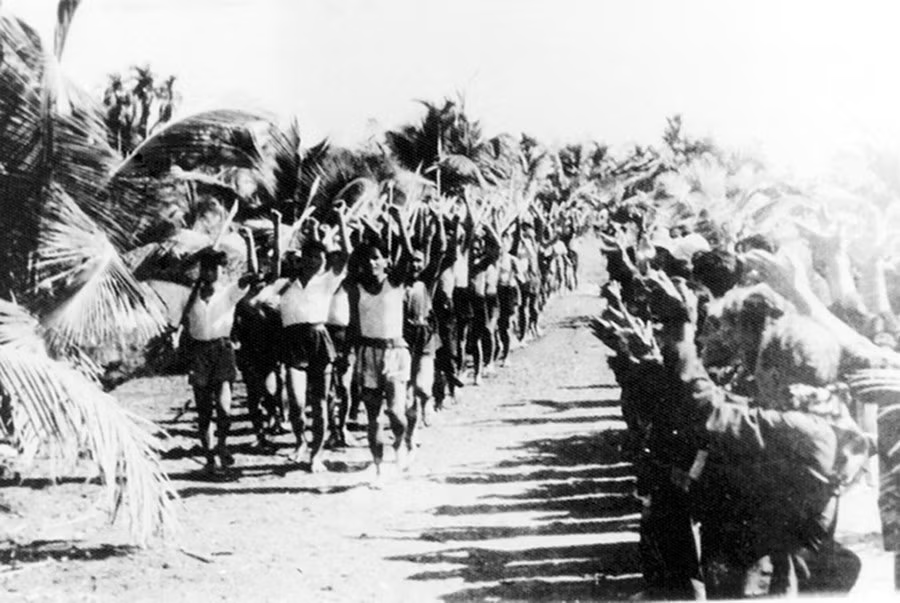
On June 1, 1945, the Vanguard Youth organisation was founded in the South. This was a youth movement operating under the Party’s orientation, playing an active role in mobilising and gathering youth forces in preparation for the August 1945 General Uprising. (Photo: VNA Archives)
The people of Sai Gon rise up to seize power during the August Revolution of 1945. (Photo: VNA Archives)
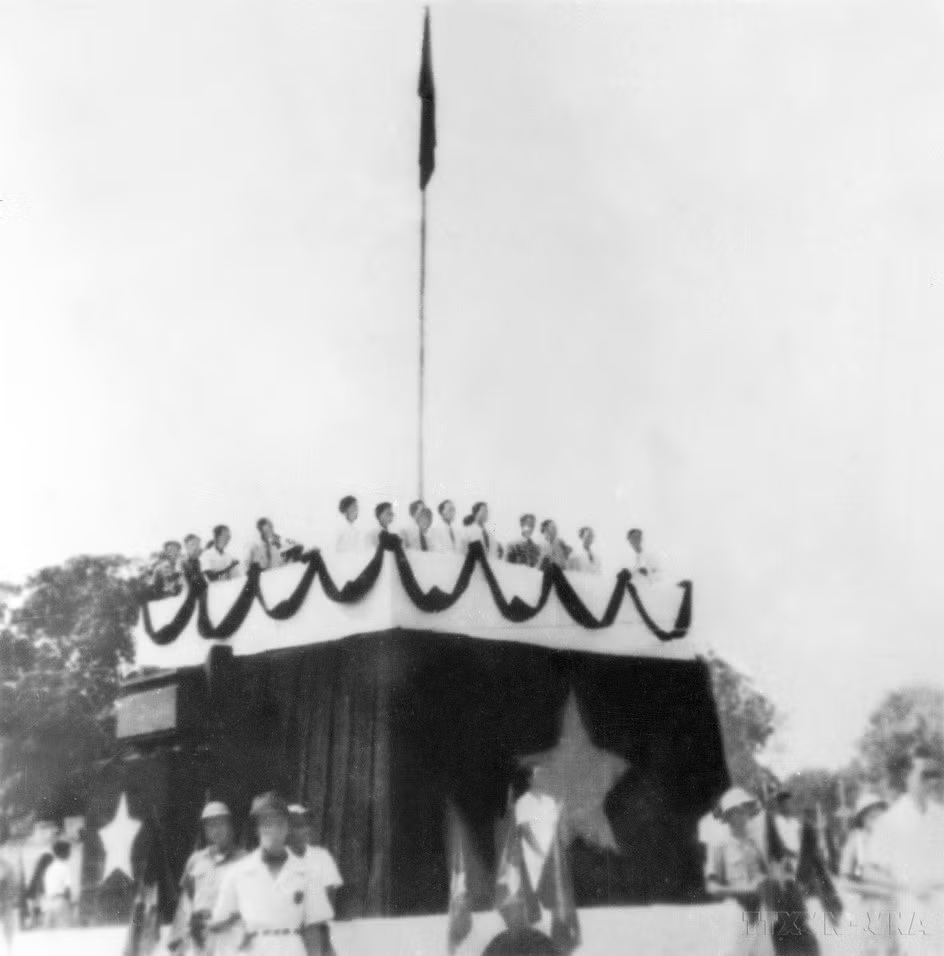
On September 2, 1945, at Ba Dinh Square in Ha Noi, President Ho Chi Minh read the Declaration of Independence, proclaiming the birth of the Democratic Republic of Viet Nam, the first people’s democratic state in Southeast Asia. (Photo: VNA)
After the August general uprising, the newly established revolutionary government faced countless difficulties. Propaganda work focused on educating the people in a spirit of resilience and indomitability, determination to protect the achievements of the revolution, and to safeguard independence and freedom. It also encouraged the people to carry out three major tasks: fighting famine, illiteracy and foreign invaders. In the photo: To encourage people to donate gold in support of the revolutionary government, on September 17, 1945, President Ho Chi Minh sent a letter to people nationwide, clearly stating the great significance of organising Gold Week and calling on everyone to take an active part. (Photo: VNA Archives)
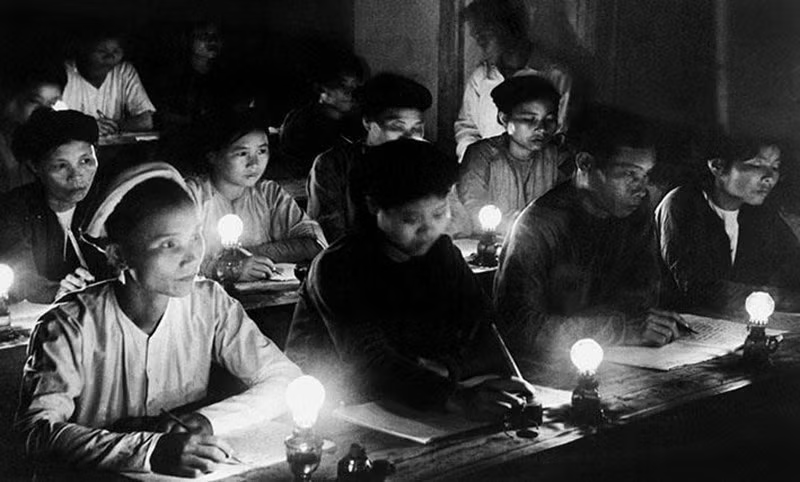
In November 1945, the Party Central Committee issued the directive on Resistance War and National Construction, consolidating the government, fighting the French colonial invasion, combating illiteracy, reforming education in a new spirit, opening universities and secondary schools, and building a new culture based on three principles: scientific, national and popular. As a result, after one year, 2 million people escaped illiteracy. In the photo: A “popular education” class in Ha Noi in the early days of independence. (Photo: VNA Archives)
After the August general uprising, the newly established revolutionary government faced countless difficulties. At that time, communication and education focused on cultivating the people’s resilient and indomitable will and their determination to protect the achievements of the revolution and safeguard independence and freedom, while encouraging them to carry out three major tasks: fighting famine, illiteracy and foreign invaders. In the photo: On November 5, 1945, “Resistance Day” was held nationwide to demonstrate the entire people’s support for the heroic struggle of compatriots in the South. In Ha Noi, President Ho Chi Minh attended and delivered a speech at the Ha Noi Opera House. (Photo: VNA Archives)
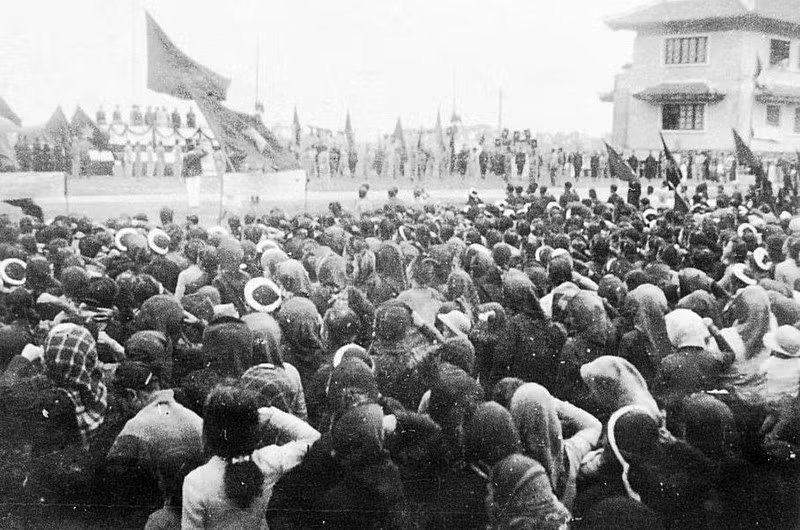
In January 1946, the Government decided to hold a General Election to elect the National Assembly, draft the Constitution and establish an official Government. In the photo: On January 12, 1946, tens of thousands of people in the capital gathered at the Central School Campus, now Ha Noi University of Science and Technology, to welcome President Ho Chi Minh and newly elected deputies to the first National Assembly. (Photo: VNA Archives)
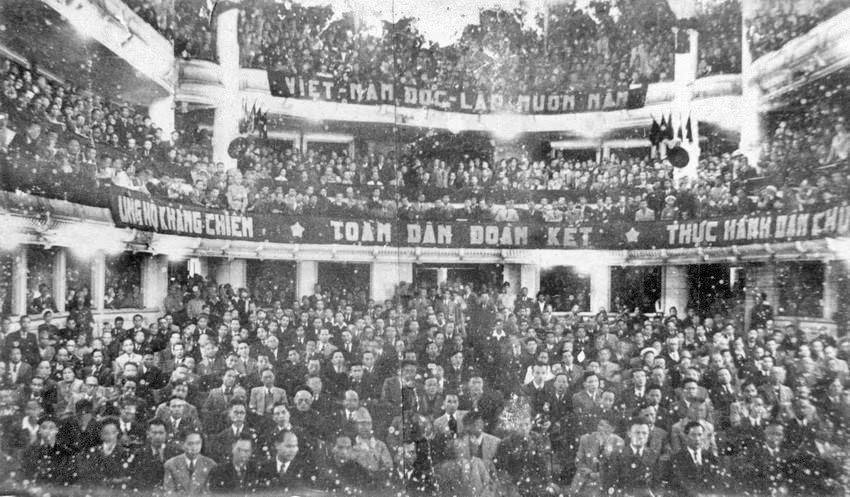
Just five months after independence was gained, in response to President Ho Chi Minh’s call, with the patriotic spirit and heroic momentum of the August Revolution, all Vietnamese citizens aged 18 and above across the country took part in the first General Election to elect the National Assembly according to the most democratic and progressive principles. In the photo: The opening of the first session of the first-tenure National Assembly on March 2, 1946, in Ha Noi. (Photo: VNA Archives)
NDO
Back to top