The plan reflects Viet Nam’s sense of responsibility and efforts to contribute to the implementation of the United Nations Convention to Combat Desertification (UNCCD) and fulfil the international commitments to which the country is a party.
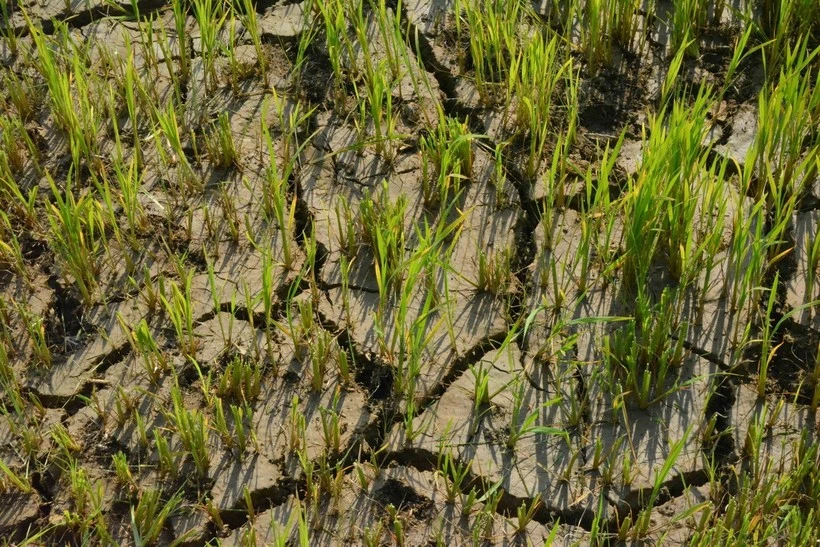
Preventing and combating desertification is identified as a key task, helping with nature and biodiversity conservation, sustainable management of forests, water and land resources, and improvement of people's incomes and life quality. It also supports poverty reduction, stable settlement, and the integration of desertification control objectives with national, sectoral and local strategies, as well as the UN Sustainable Development Goals (SDGs).
By 2030, the plan aims to identify and map desertification-prone areas nationwide and by socio-economic region; expand the meteorological and hydrological monitoring network for observation, forecasting and early warning; and develop adaptive management plans to mitigate impacts of drought and land degradation. Targets include sustainable use of land and water resources, maintaining 3.5 million hectares of rice farming land, ensuring forest coverage of 42–43%, improving forest quality, and conserving wetlands.
By 2050, total degraded land is to account for no more than 40% of the country’s natural land area, with severely degraded land and that at high risk of desertification kept below 4.5%. Average incomes in desertification-affected areas are hoped to reach at least 50% of the national average.
Among region-specific measures, northern midland and mountainous areas will have eroded and leached land restored through reforestation, sustainable farming on sloping land and agroforestry.
The north-central region is set to rehabilitate arid and infertile land; conserve protection, coastal, special-use, and large-timber forests; form concentrated citrus fruit, tea, peanut, and sugar cane cultivation zones; develop drought-resistant crops; and upgrade irrigation infrastructure.
Meanwhile, the south-central coast and Central Highlands will prioritise natural forest protection, water-saving practices, high-tech agriculture, and crop restructuring to avoid natural disasters, droughts, and saltwater intrusion.
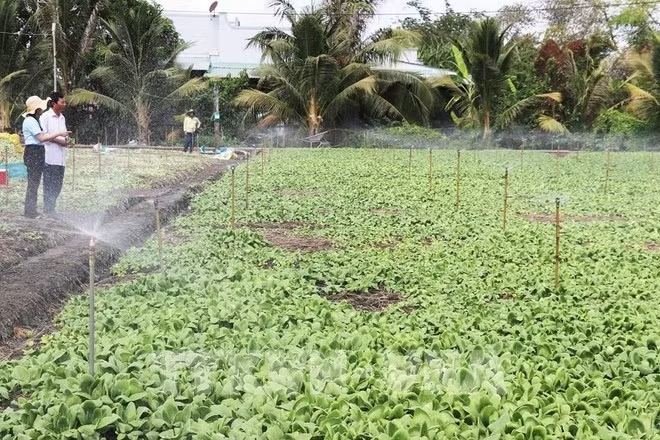
In the Red River Delta, southeastern, and Mekong Delta regions, efforts will focus on controlling salinity and acidification, expanding irrigation and coastal forests, upgrading reservoirs and dykes, enhancing inter-provincial coordination in operating irrigation systems to prevent saltwater intrusion, promoting intensive and high-technology farming and increasing high-quality rice cultivation, and stepping up climate-adaptive crop restructuring linked to processing and markets.