Rising tensions in the Middle East, particularly the conflict involving the US, Israel and Iran, have significantly affected the global energy market, especially shipping activity through the Strait of Hormuz – a strategic route for transporting crude oil from the region. Disruptions along this route have directly impacted Asia, which is heavily dependent on crude oil supply from the Middle East.
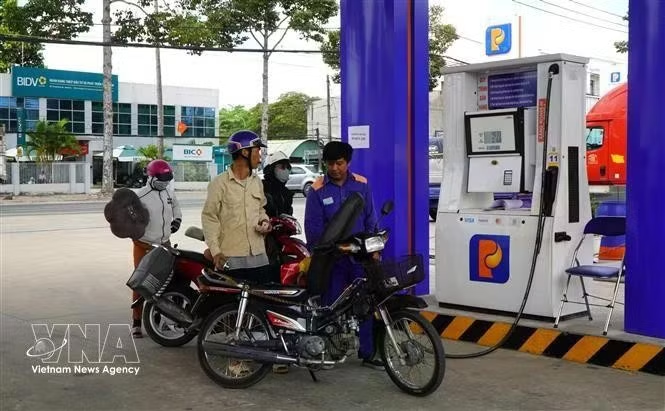
Facing that fact, the decree amends preferential import tariff rates for certain fuel products and inputs listed in Appendix II on the preferential import tariffs under the existing tax classification system.
Specifically, the preferential import tax for unleaded petrol is slashed from 10% to zero. Import duties on petrol blending components such as naphtha and reformate (HS code 2710.12.80) is also reduced to 0%.
Preferential import tariffs is also cut from 7% to 0% for diesel fuel, fuel oil, aviation fuel and kerosene.
Additionally, certain raw petrochemical materials such as xylene, condensate, and p-xylene will have their tax rates reduced from 3% to 0%, while other cyclic hydrocarbons will see their tax rates brought down to 0% from 2%.
This decree takes effect from March 9 to April 30. After this period, the preferential import tax rates for the listed fuel products and raw materials will revert to the provisions of Decree No. 26/2023/ND-CP, dated May 31, 2023, unless a proposal is made by the Ministry of Industry and Trade to extend the new decree's validity for urgent reasons related to economic and social development or stabilisation of the fuel market.