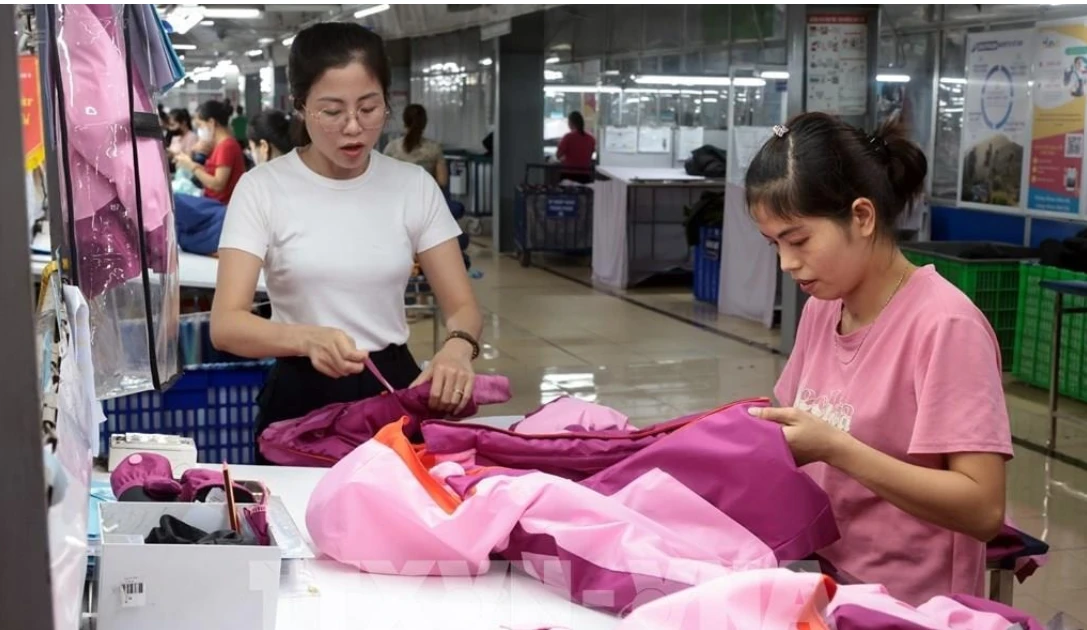
After more than five years of the EU–Viet Nam Free Trade Agreement (EVFTA) taking effect, Viet Nam’s exports to the EU, including France, have recorded positive progress. However, growing competition has narrowed early advantages, prompting businesses to shift from low-value processing to proactive exports based on standards and branding.
According to Vu Anh Son, Trade Counsellor of Viet Nam in France, bringing Vietnamese goods into foreign retail systems is now a strategic component of enhancing national competitiveness. France, a large and demanding market with one of Europe’s most advanced retail infrastructures, has served as a testing ground for Vietnamese products’ ability to meet strict standards and build brand recognition.
A milestone was marked in 2022 when Vietnamese rice entered major French hypermarket chains for the first time, demonstrating not only market access but also product resilience through quality and branding.
In addition, Viet Nam Goods Weeks, held twice annually during Lunar New Year and Mid-Autumn Festival over the past five years, have helped make Vietnamese products more familiar to French consumers at points of sale.
These efforts are implemented under the Ministry of Industry and Trade’s initiatives to promote Vietnamese enterprises’ direct participation in foreign distribution networks and the Viet Nam Value National Brand Programme. Close inter-agency coordination, combined with a three-step approach covering market research, enterprise standardisation and in-store promotion, has been key to success.
From practical experience, the Viet Nam Trade Office in France highlighted the importance of standardising production from the outset, selecting leading enterprises to create spillover effects, and strengthening “soft infrastructure,” particularly international trade human resources.
The office affirmed it will continue to act as a strategic bridge, helping Vietnamese goods compete in major global retail systems through quality, standards and national branding rather than volume alone.