Vinh Nghiem Pagoda – Ancestral home of the Truc Lam Zen sect

Vinh Nghiem Pagoda, also known as Duc La Pagoda, is located in Quoc Khanh Hamlet, Tri Yen Commune, Yen Dung District (formerly Bac Giang Province, now Tan An Ward, Bac Ninh Province). This ancient pagoda dates back to the Ly dynasty and was restored and expanded in the 13th century by King-Monk Tran Nhan Tong, who developed it into the Buddhist centre of the Truc Lam Zen sect.

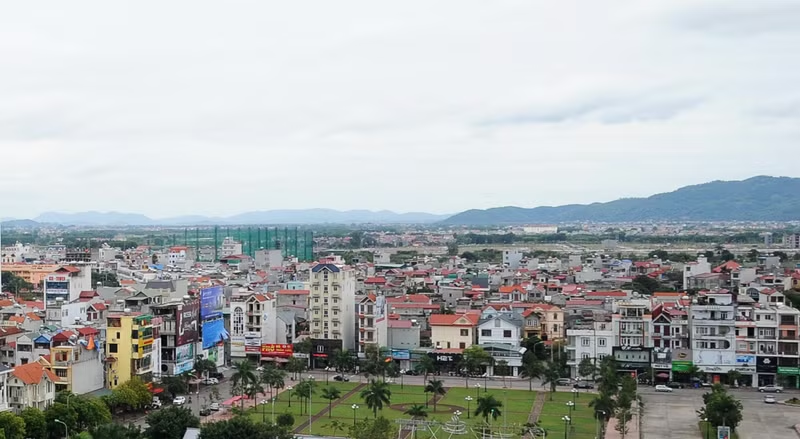
Located 18 km south of the former Bac Giang City, Vinh Nghiem Pagoda sits on a low hill, backed by the Co Tien mountain range and facing the confluence of the Thuong and Luc Nam rivers at the gateway to the Yen Tu mountains. (Photo: Tran Hai)

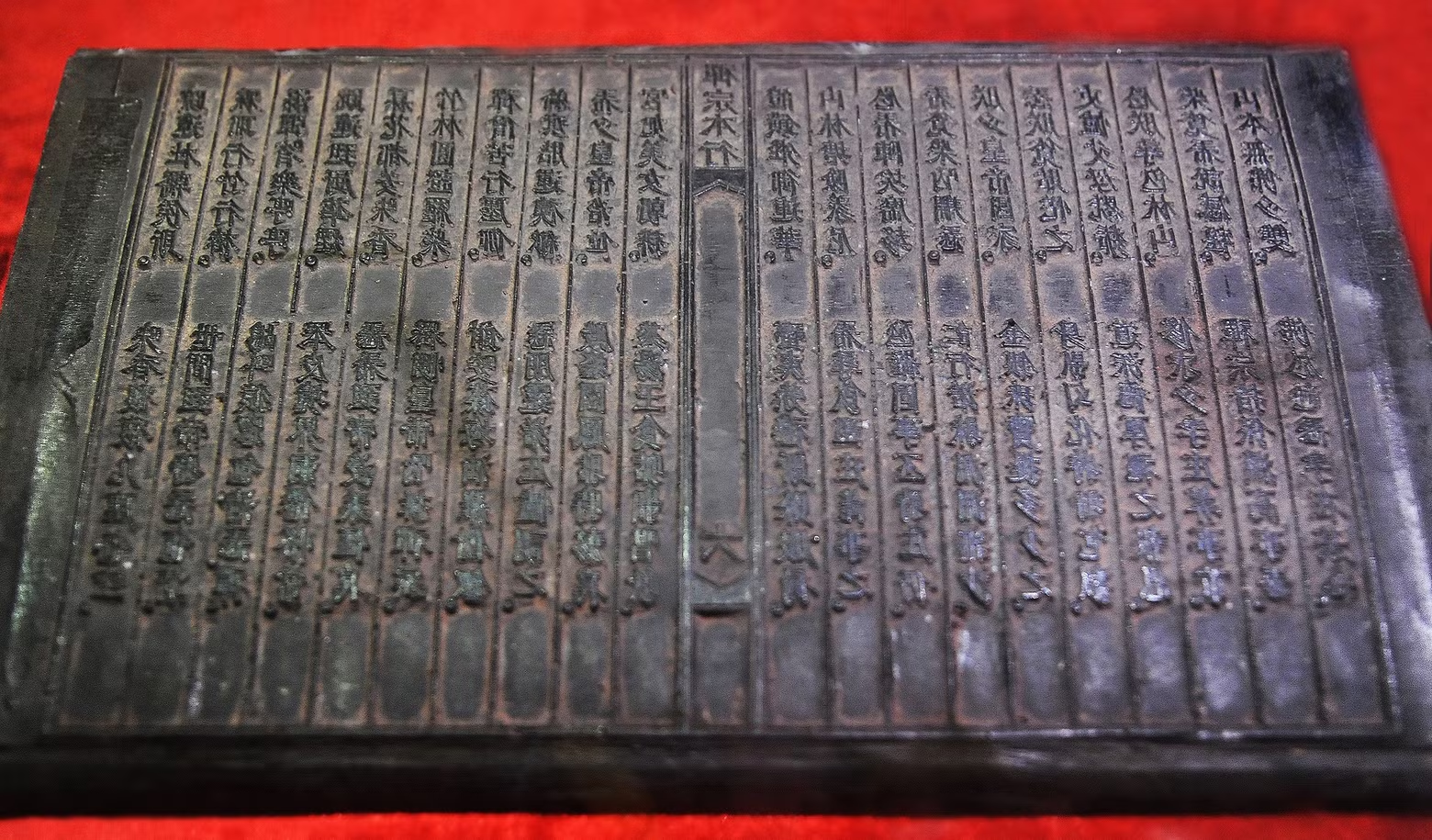
The site preserves the only original collection of woodblocks of the Truc Lam Buddhist sect. The United Nations Educational, Scientific and Cultural Organisation (UNESCO) has awarded recognition to the 3,050 woodblocks of Vinh Nghiem Pagoda as part of the Memory of the World documentary heritage.
a-2-dsc-5456-copy.jpg
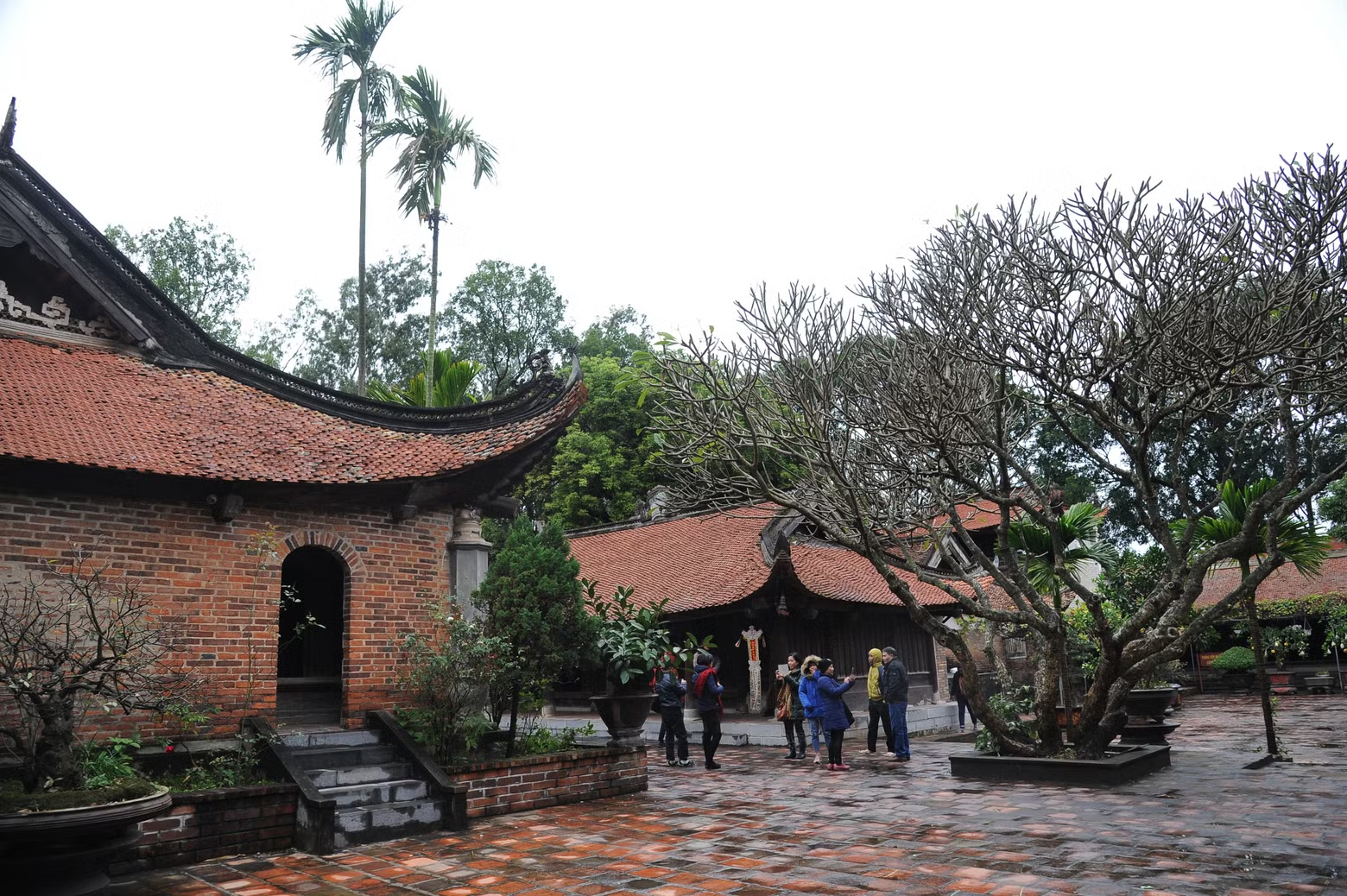
Vinh Nghiem Pagoda is one of Viet Nam’s most representative examples of classical and distinctive ancient architecture. The First Patriarchs’ Hall enshrines the three founding patriarchs of the Truc Lam Yen Tu Zen sect: King-Monk Tran Nhan Tong, Zen Master Phap Loa and Zen Master Huyen Quang. (Photo: Tran Hai)
a-3-dsc-5535.jpg
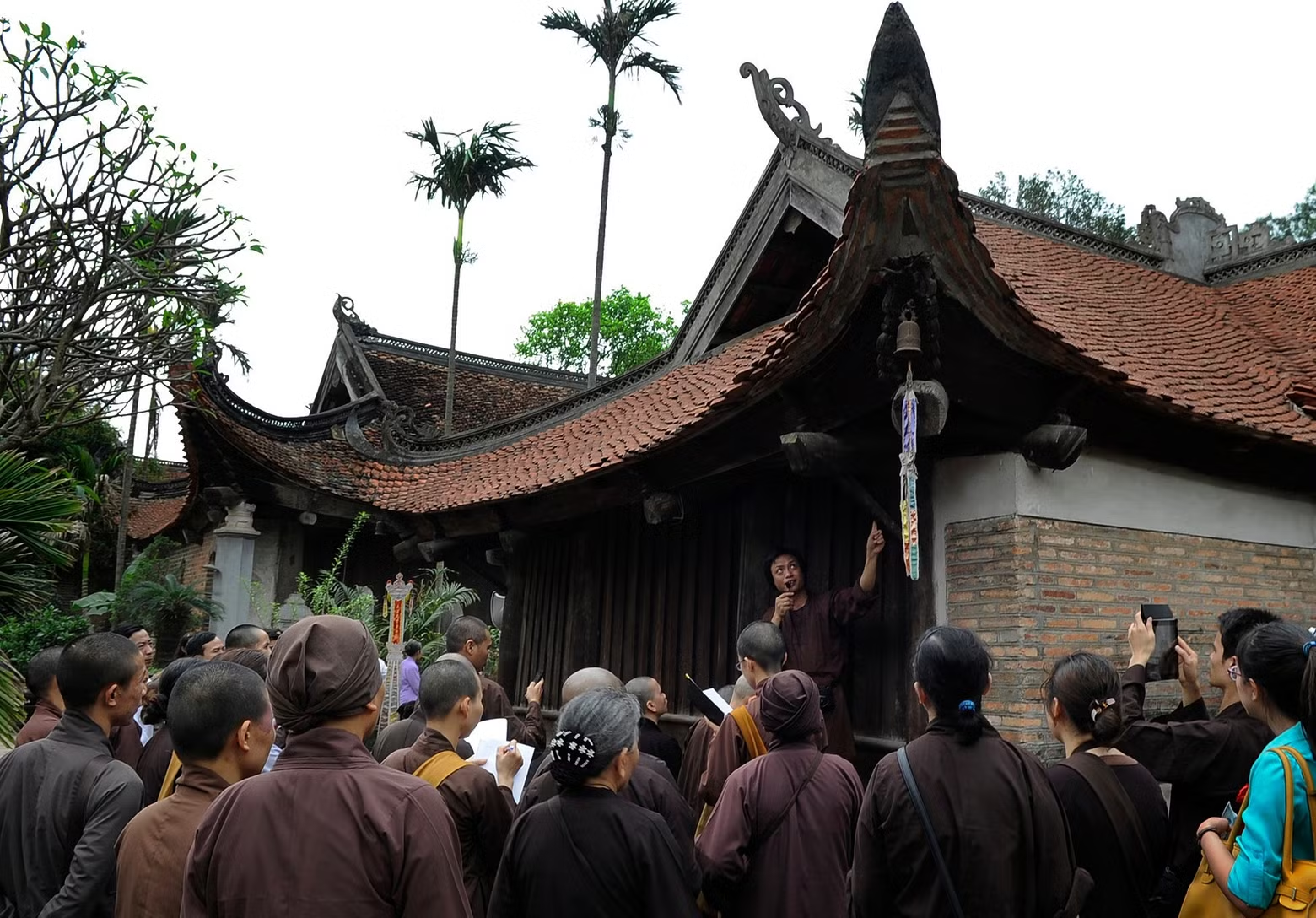
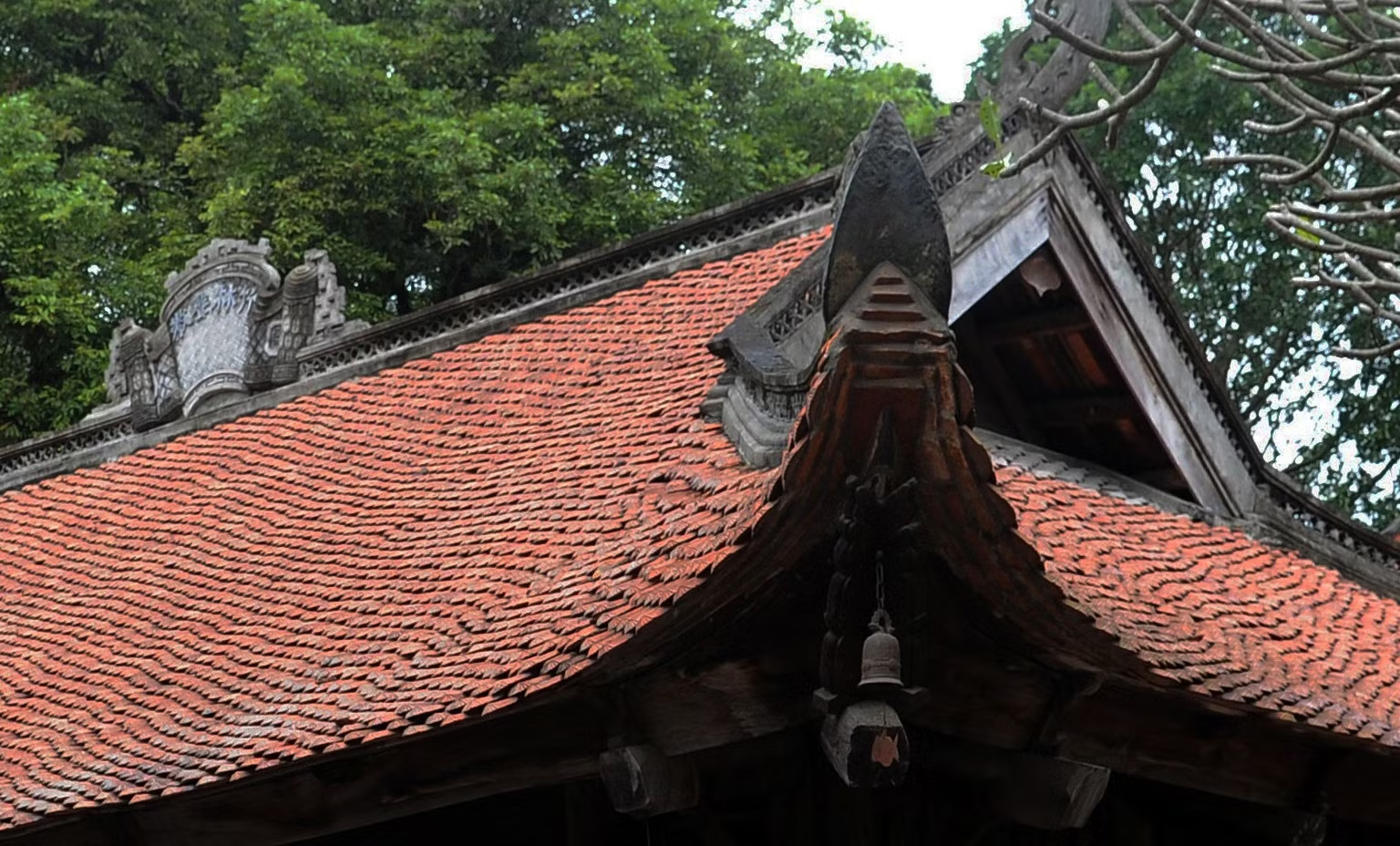
The pagoda is built in the traditional pagoda–tower architectural style, featuring gracefully curved roofs with intricate carvings and buildings of distinctive form. (Photo: Tran Hai)
a-4-076a3425.jpg
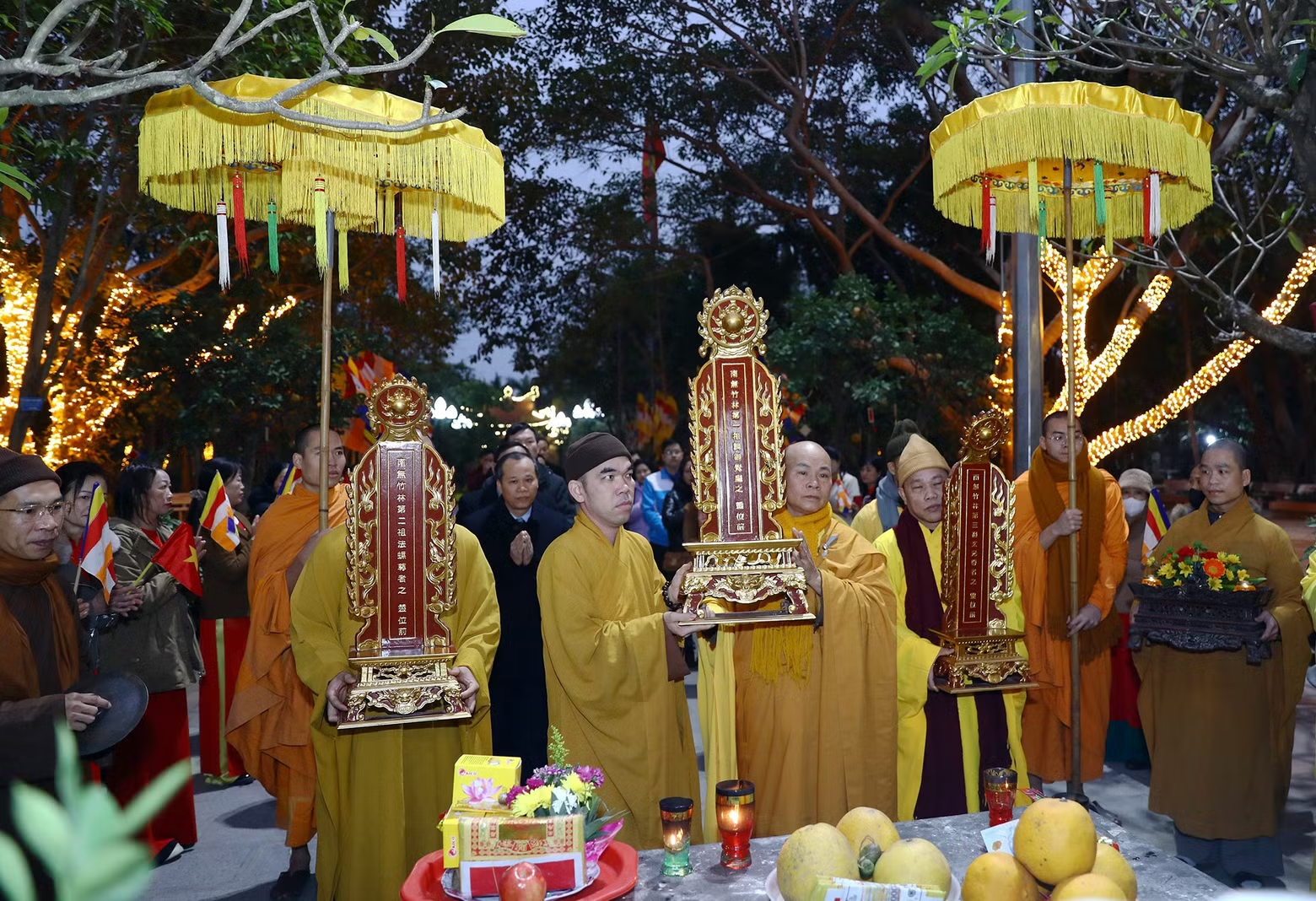
The Vinh Nghiem Pagoda Festival is held annually on the 14th day of the second lunar month. Visitors and local residents take part in spiritual and cultural experiential activities such as the palanquin procession of the three villages of La Thuong, La Trung and La Ha, and the preparation of ceremonial offerings in each village, creating an atmosphere that is both lively and solemn, imbued with reverence.
In the photo: Delegates perform the ritual procession of the spirit tablets of the Three Truc Lam Patriarchs at Vinh Nghiem Pagoda during Bac Giang (now Bac Ninh) Province Culture and Tourism Week 2025. (Photo: Ngoc Anh)
a-5-moc-ban-chua-vinh-nghiem.jpg
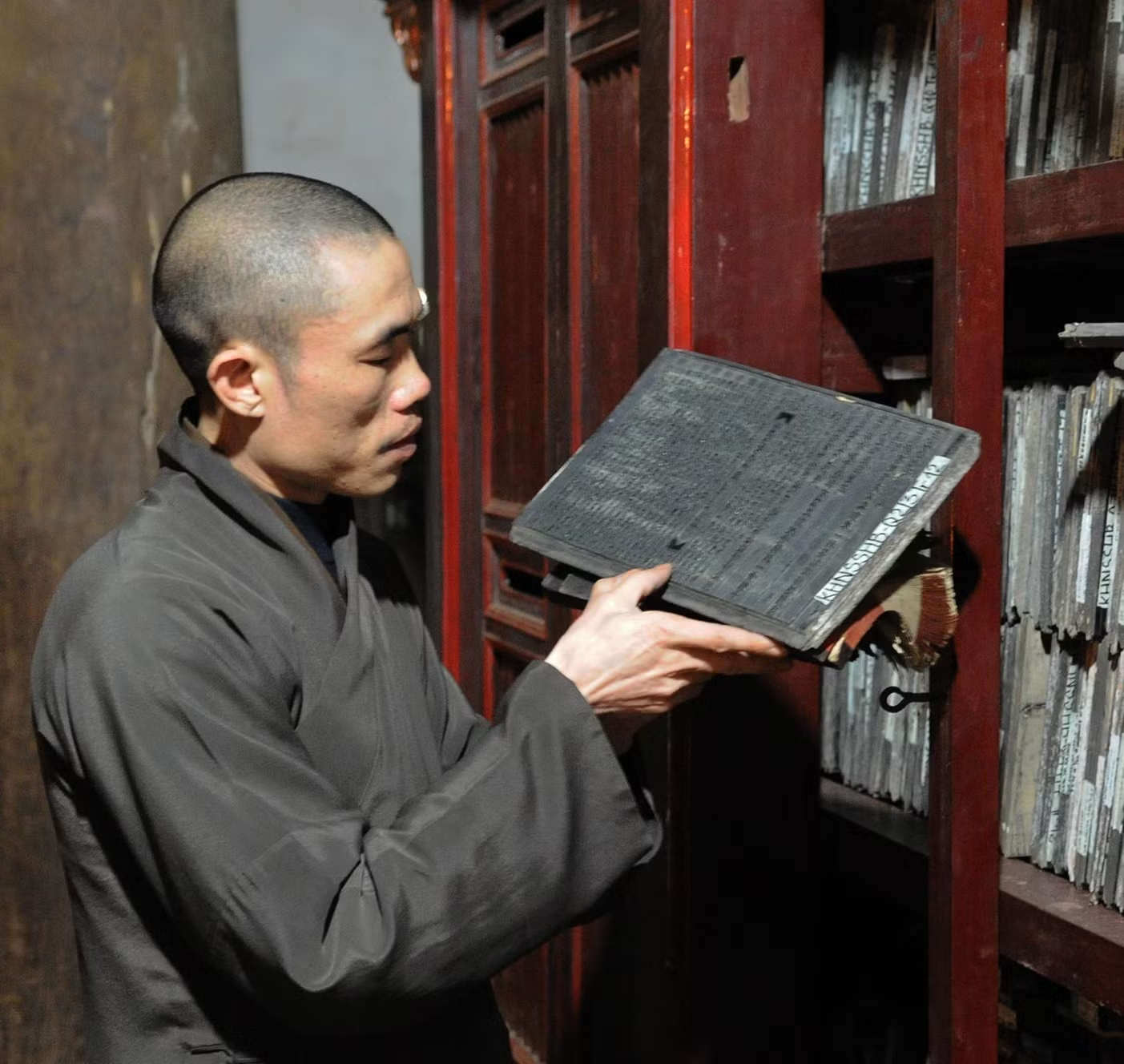
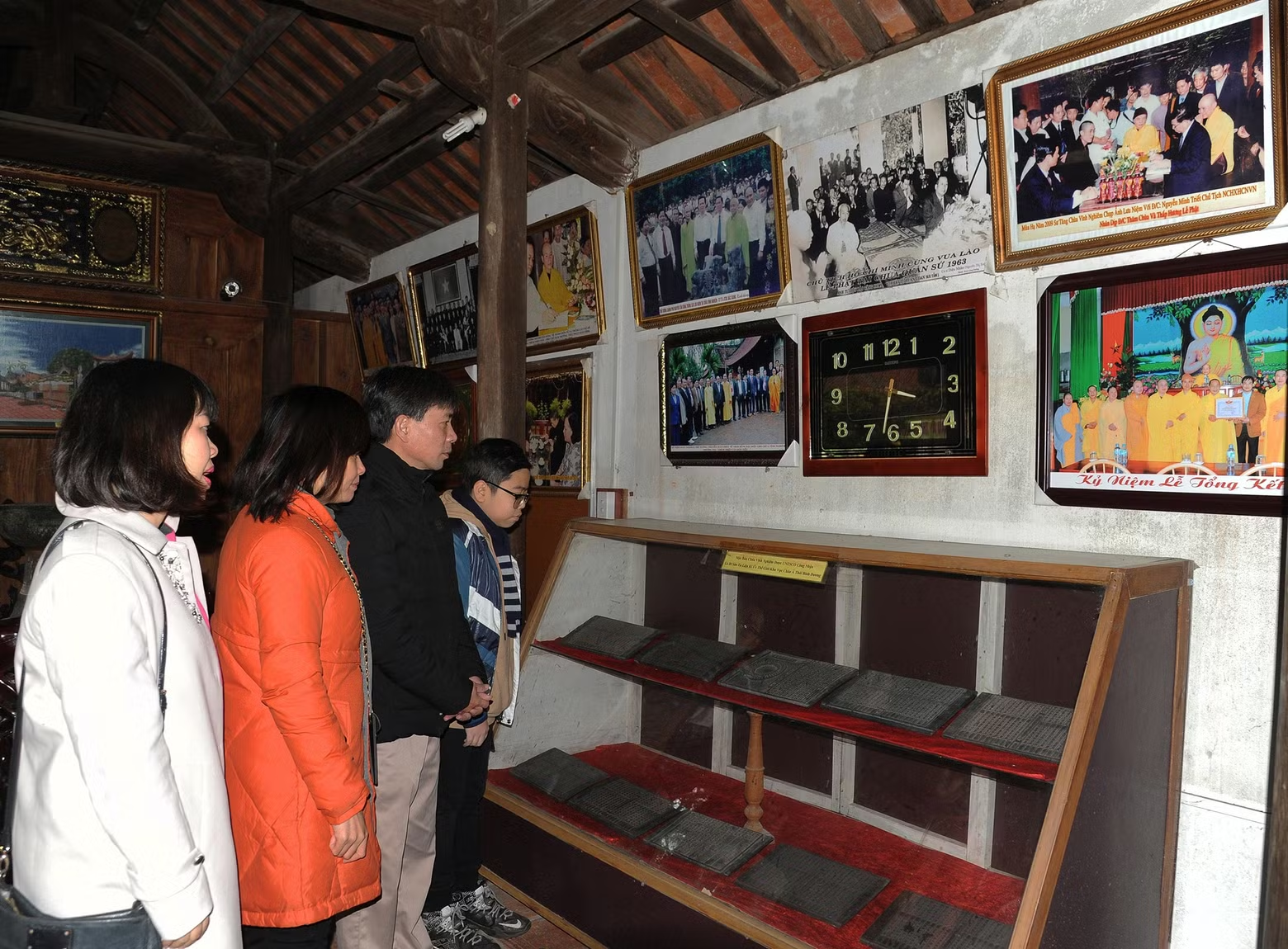
Vinh Nghiem Pagoda currently preserves 6,021 engraved faces from a total of 3,050 valuable woodblocks carved from fig wood, covering a wide range of fields. In 2012, the Vinh Nghiem Pagoda woodblocks were recognised by UNESCO as a documentary heritage of the Asia–Pacific region. (Photo: Viet Hung)
a-6-dsc-5464.jpg
The Vinh Nghiem Pagoda woodblocks are engraved in Han and Nom scripts, featuring various calligraphic styles such as regular script, cursive script, clerical script and semi-cursive script. Many pages are interwoven with finely executed illustrations carved by ancient artisans, with sophisticated lines and balanced, harmonious compositions, making them graphic works of high aesthetic value. (Photo: Thanh Giang)
a-7-phat-tu-tim-hieu-ve-lich-su-chua-vinh-nghiem.jpg
Vinh Nghiem Pagoda (Bac Ninh) is part of the Yen Tu – Vinh Nghiem – Con Son, Kiep Bac complex of historical relics and scenic sites (commonly referred to as Yen Tu). It is an ancient pagoda dating back to the Ly dynasty and was restored in the 13th century by King-Monk Tran Nhan Tong, who established it as the Buddhist centre of the Truc Lam Zen sect.
In the photo: Buddhists learn about the history of Vinh Nghiem Pagoda. (Photo: Viet Hung)
a-8-dsc-5459.jpg
In recognition of its historical value, Vinh Nghiem Pagoda was classified by the State as a national-level historical and cultural relic in 1964. Subsequently, in 2015, the Vinh Nghiem Pagoda Festival was recognised by the State as a national intangible cultural heritage. (Photo: Tran Hai)
a-9-dsc-5468.jpg
The site was originally built during the reign of King Ly Thai To (1009–1028) under the name Chuc Thanh. During the reign of King Tran Nhan Tong (1278–1293), the pagoda was expanded, restored and renamed Vinh Nghiem. By the late 19th century, it fell within Duc La Hamlet, and local people therefore also referred to it as La Pagoda or Duc La Pagoda. (Photo: Tran Hai)
a-10-dsc9618-1.jpg
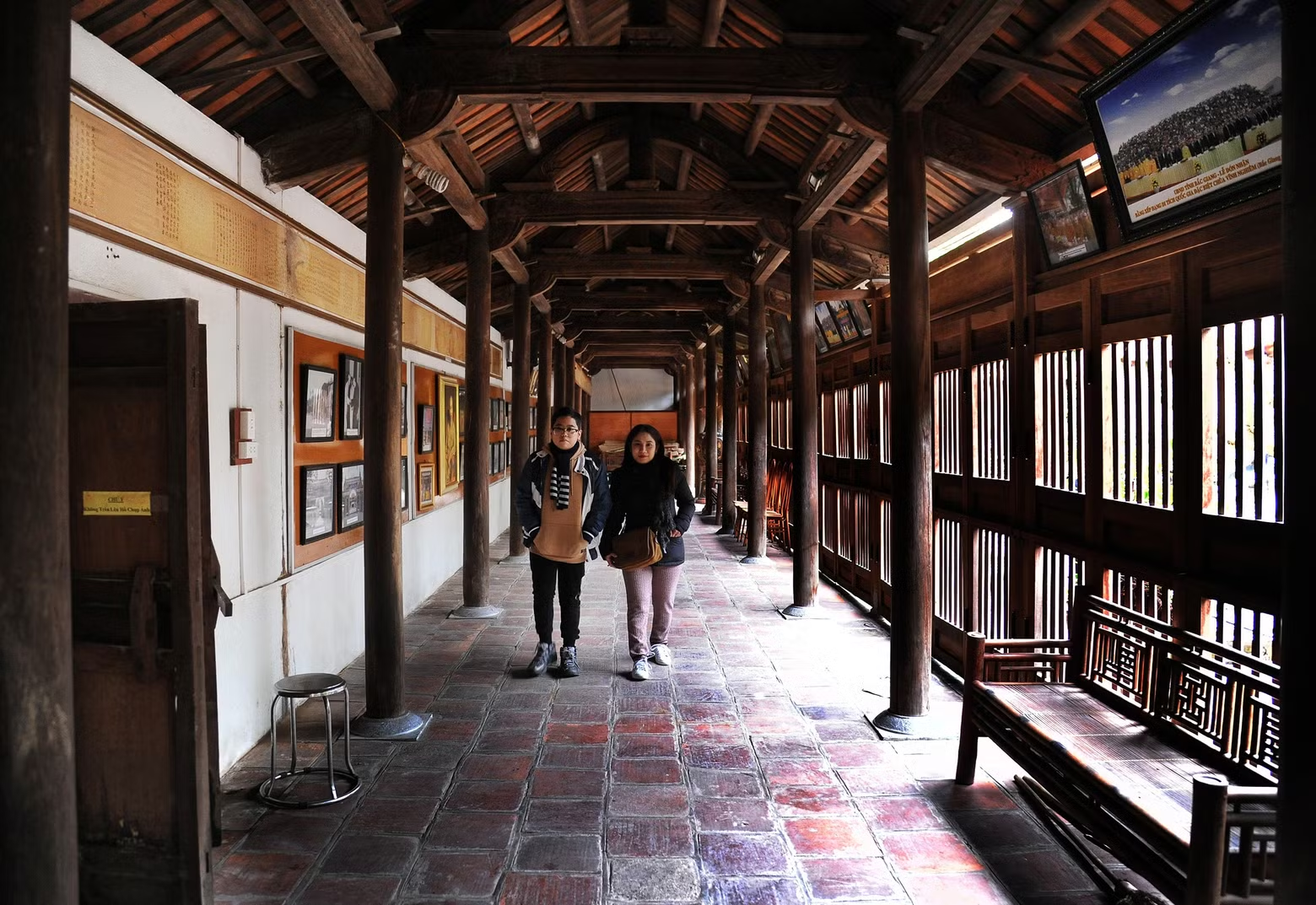
After more than 700 years of formation and development, the distinctive cultural identity of Vinh Nghiem Pagoda continues to be jointly preserved and safeguarded by the monastic community and local residents. (Photo: Thanh Giang)
Translated by NDO

You May Also Like

Back to top