Rich potential for community-based tourism
Dak Lak covers more than 18,000 square kilometres of land and possesses abundant tourism resources, combining the characteristics of both the Central Highlands and the South-Central Coast regions, creating a diverse natural and cultural landscape. The province has a population of over 3.3 million, representing 49 ethnic groups from across the country. Among them, the E De, M’nong, J’rai, and Cham are indigenous ethnic groups, while others such as the Muong, Tay, Nung, Dao, Thai and Mong migrated to the province over the past 50 years.

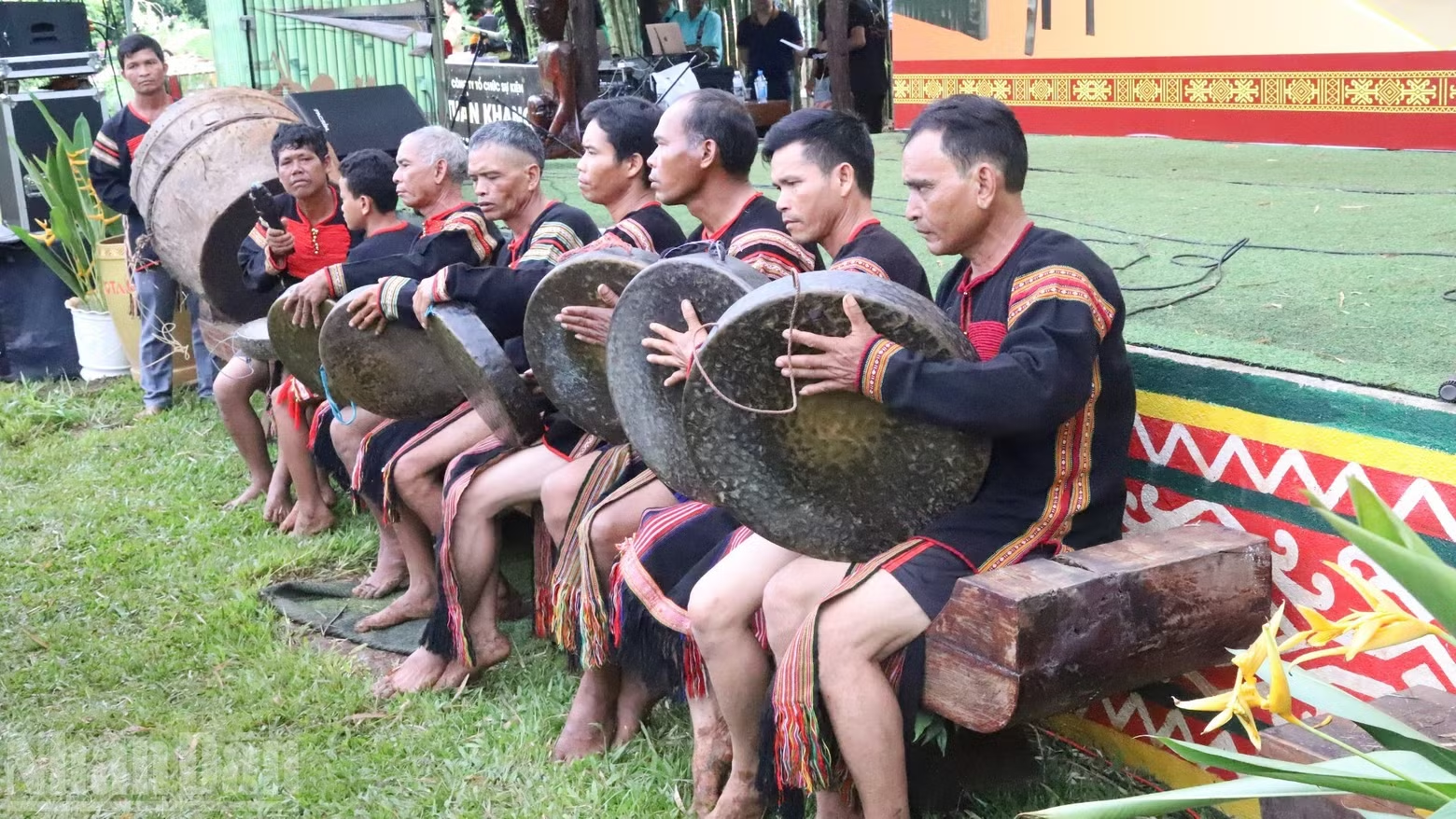
Nguyen Son Hung, Head of the Tourism Management Division under Dak Lak Provincial Department of Culture, Sports and Tourism, said each ethnic group has its own cultural identity, customs, and traditions, contributing to the province’s rich cultural diversity. The indigenous ethnic groups possess distinctive cultural features such as the double-drum performance, sets of gongs (three-gong and five-gong ensembles), the Dam San epic, Xing Nha, Dam Di, and more. Notably, the Space of Gong Culture in the Central Highlands and Bai Choi Folk Singing have been recognised by UNESCO as Intangible Cultural Heritage of Humanity.
The province also has renowned tangible cultural heritage, including gong instruments, lithophones, stone horns, bamboo and rattan musical instruments, longhouse architecture, tomb-house architecture, weaving and brocade-making tools, wood carving, and more. These are closely associated with unique values in music, culture, festivals, and cuisine — reflecting the rich cultural life of ethnic communities in the Central Highlands. This invaluable cultural resource offers strong advantages for developing community-based tourism.
According to Hung, in addition to its cultural diversity and traditional values, Dak Lak also has tremendous tourism potential with its 189 km coastline and mountainous plateau forests. These areas include khop forests, special-use forests, and many unique nature reserves suitable for various tourism forms such as ecological, scenic, cultural, historical, and festival tourism.
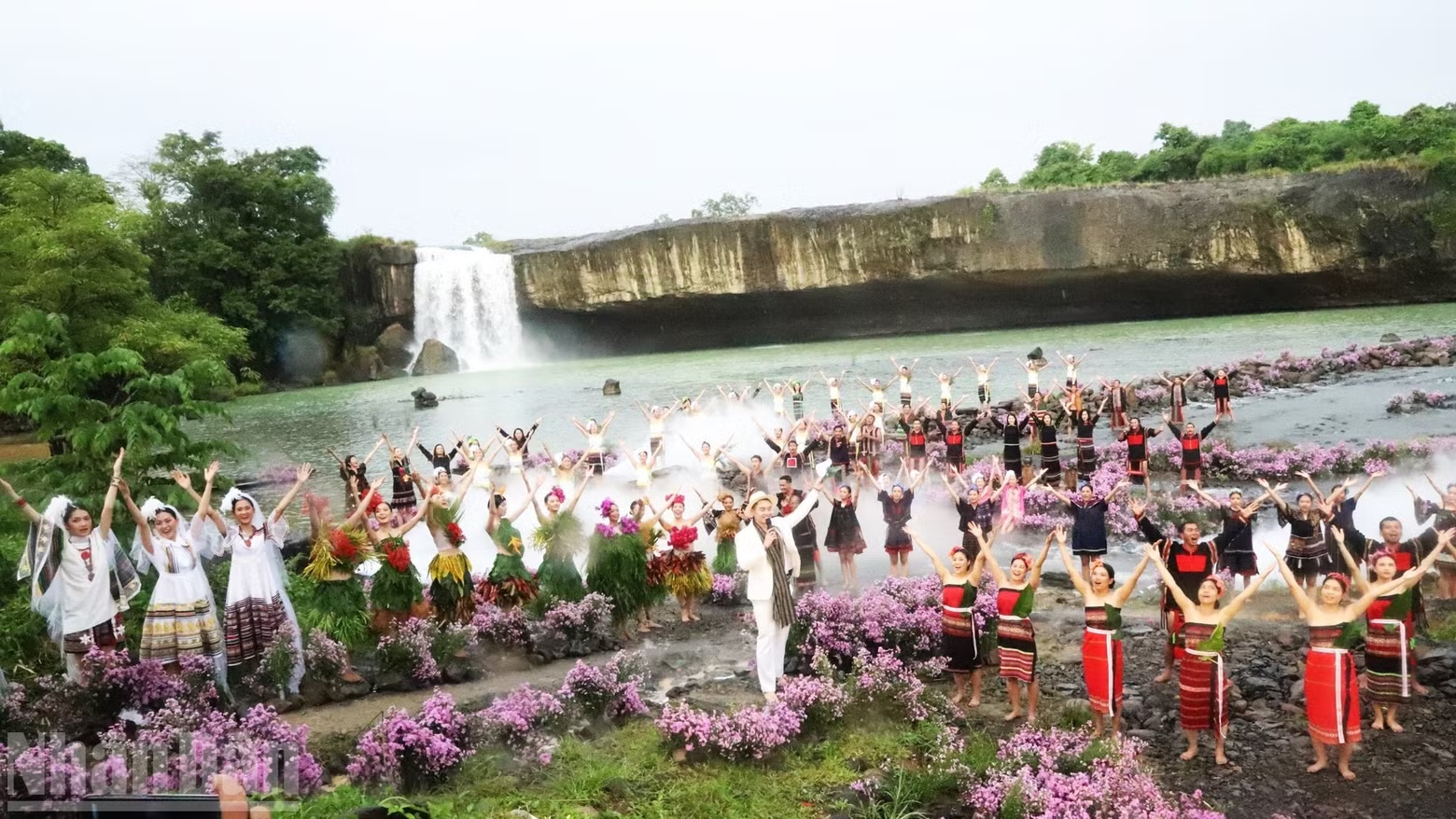
Ecotourism and scenic destinations include Dray Nur Waterfall, Dray Sap Thuong Waterfall, Thuy Tien, Bim Bip, Yok Don National Park, Chu Yang Sin, Ea So Nature Reserve, Lak Lake, Ea Kao Lake, Bai Xep, Bai Mon, Hon Yen, Xuan Dai Bay, O Loan Lagoon, and Cu Lao Mai Nha.
Cultural and historical sites include the Buon Ma Thuot Prison (a National Special Relic), the Ganh Da Dia (a National Scenic Special Relic), Bao Dai Palace, the Dak Lak Museum, the Thanh An Tho relic site, the Nhạn Tower — an exceptional Cham architectural structure — and the Vung Ro historical site linked to the Ho Chi Minh Trail at sea, as well as Dien Cap (Dai Lanh Cape). These attractions hold significant historical value and offer strong tourism potential.
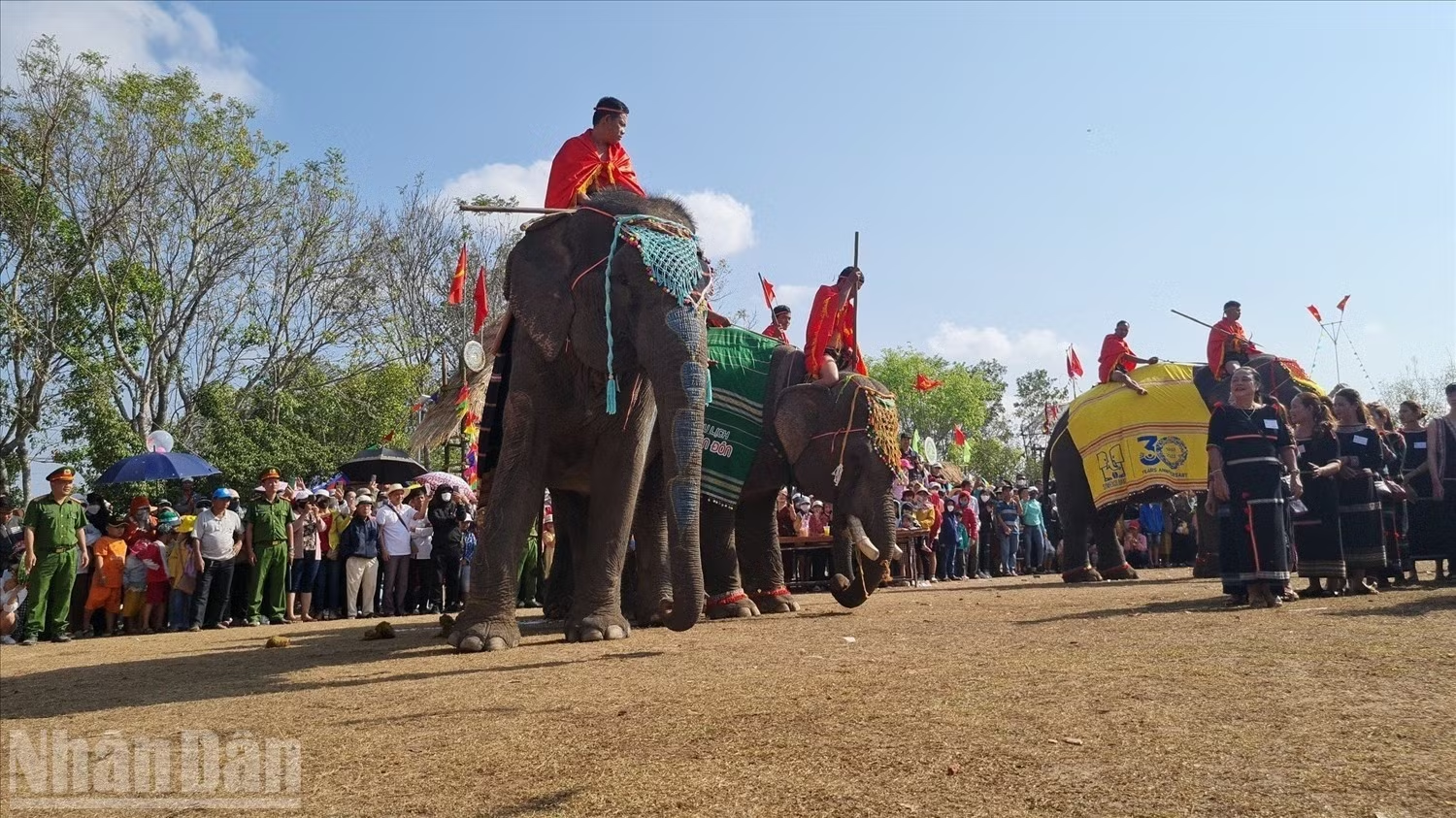
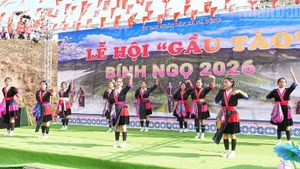
In particular, Dak Lak is also known for its many distinctive festivals, including Gong Culture festivals, the Elephant Festival, boat racing, whale worship rituals, festivals of ethnic minority groups, as well as numerous traditional craft villages such as brocade weaving, Yang Tao pottery, fermented rice wine brewing, fish sauce making, rice paper making, and sedge mat weaving. Many of these carry strong potential and advantages for developing community-based tourism, especially in ethnic minority villages.
Community-based tourism gradually thriving
To tap into its potential and advantages for developing community-based tourism and improving livelihoods, particularly in ethnic minority villages, the Dak Lak Provincial Party Committee issued Project No. 08/DA-TU on March 28, 2022, on tourism development for the 2021–2025 period with orientations to 2030. The Dak Lak Provincial People’s Council also issued Resolution No. 08/2021/NQ-HDND on August 13, 2021, on supporting community-based tourism development in ethnic minority hamlets and villages for the 2021–2025 period.
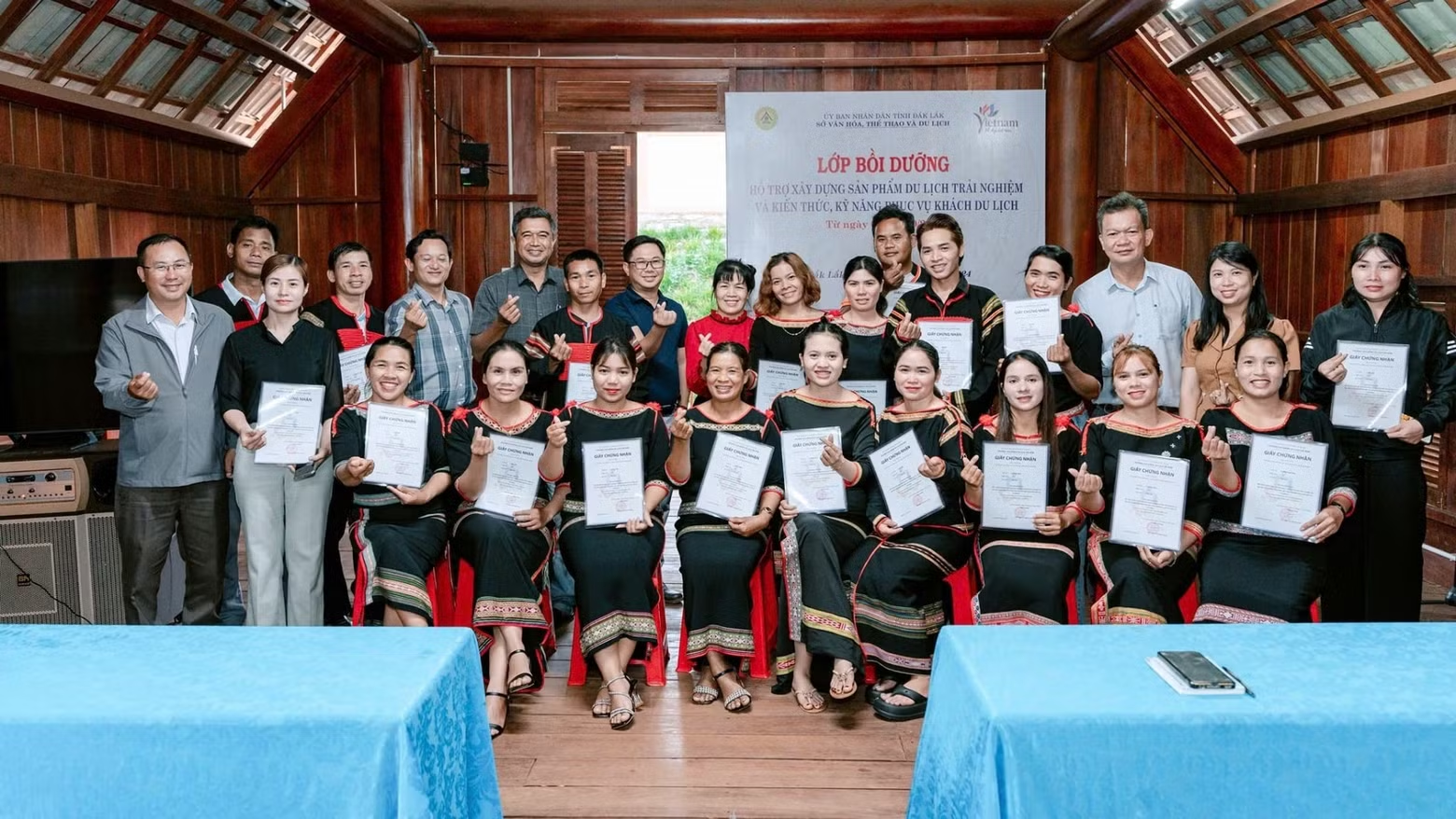
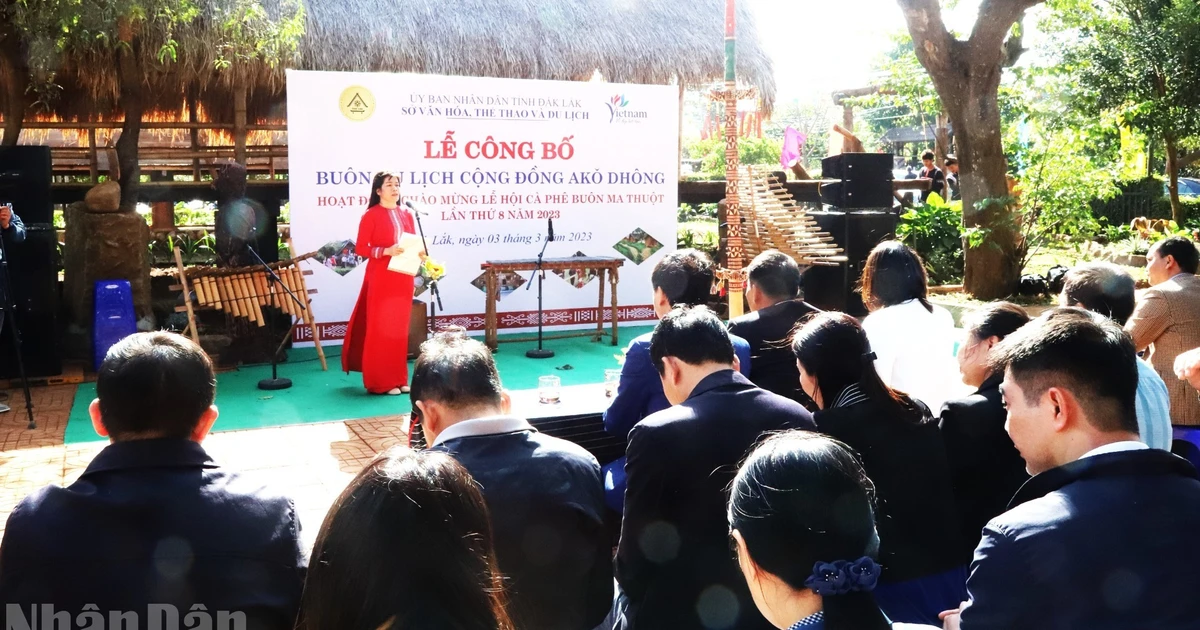
Under this resolution, the province has implemented support for community-based tourism investment in five villages across 12 categories. Specifically, in 2022, Ako Dhong Village in Buon Ma Thuot Ward received support in 10 of 12 categories and for five households, totaling more than 716 million VND. In 2023, support for 12 of 12 categories and for 4 households totaling more than 793 million VND was given to Kuop Village in Ea Na Commune; and for Tri Village in Buon Don Commune in 12 of12 categories and five households, totaling more than 920 million VND. Meanwhile last year, supports were granted to Tuor Village in Hoa Phu Commune in 12 of 12 categories and four households with investment of over 874 million VND, and Kli A Village in Buon Ho Ward in 12 of 12 categories and for four households, with investment exceeding 878 million VND.
Additionally, under the National Target Programme for socio-economic development in ethnic minority and mountainous areas for the 2021–2030 period (Phase I: 2021–2025, Project 6), the province supported investment in developing key tourism destinations in Tong Ju Village (Ea Kao Commune, now Ea Kao Ward) and Jun Village (Lien Son Town of Lak District, now Lien Son Lak Commune) in November 2023.
The villages receiving this support have been officially recognised as community-based tourism villages, and local households have received full training in customer service, tourism operations, and homestay hospitality skills.
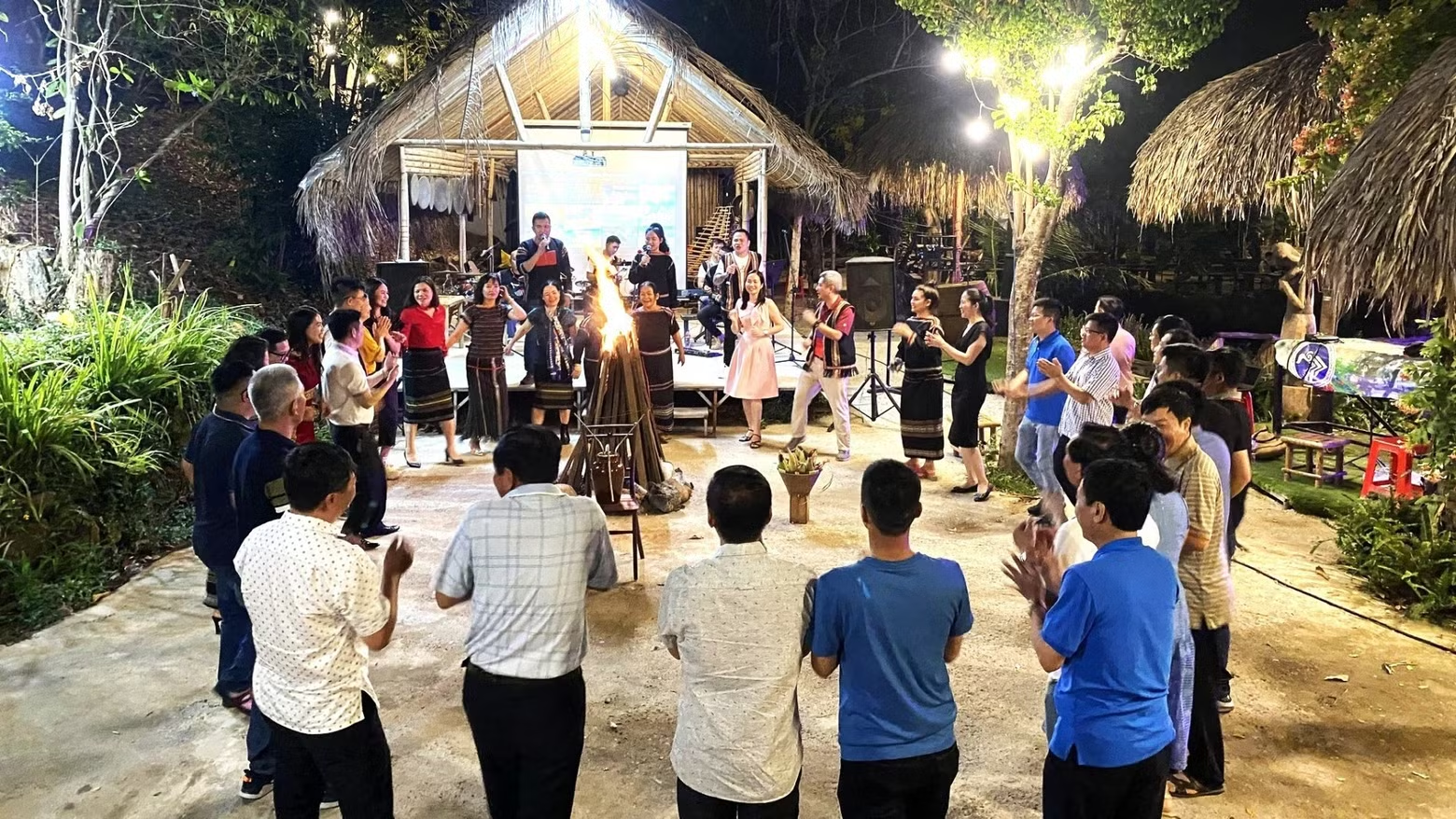
In addition, three villages, including Tring Village in Buon Ho Ward, Ja Village in Krong Bong Commune, and Yang Lanh Village in Buon Don Ward, have been supported under the Border Area Support Project — Dak Lak Province Sub-project (ADB project). The support included the construction and handover of community-based tourism welcome gates and cultural exhibition houses (completed in 2022); assistance for 15 longhouses, including sanitation facilities, concrete yards, and clean-water wells; provision of equipment and tools for visitor services both at the cultural exhibition house and at the 15 longhouses; training for 15 longhouse-owning households; the provision of one gong set; training courses on editing, directing, and performing traditional cultural shows for local art teams.
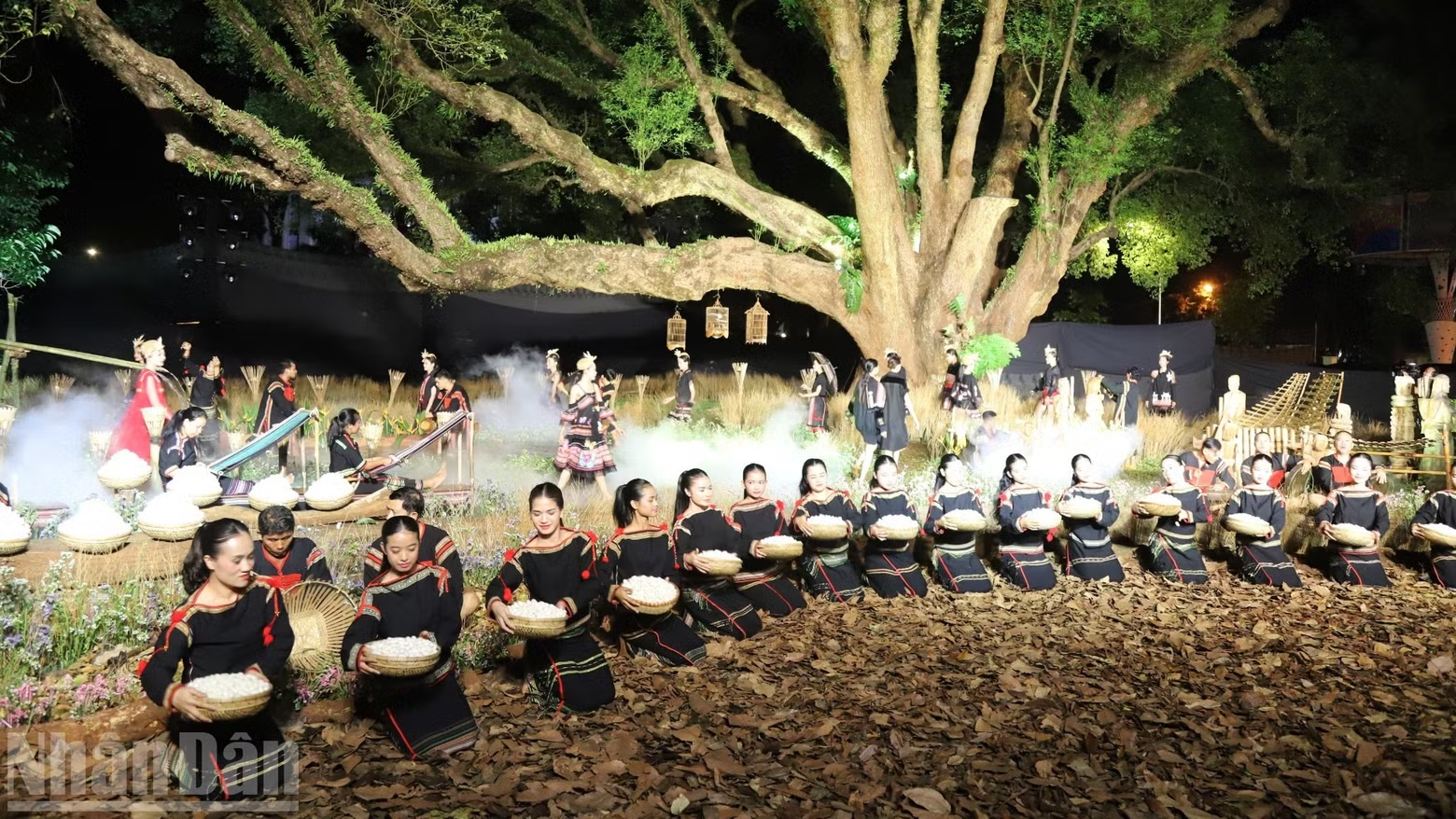
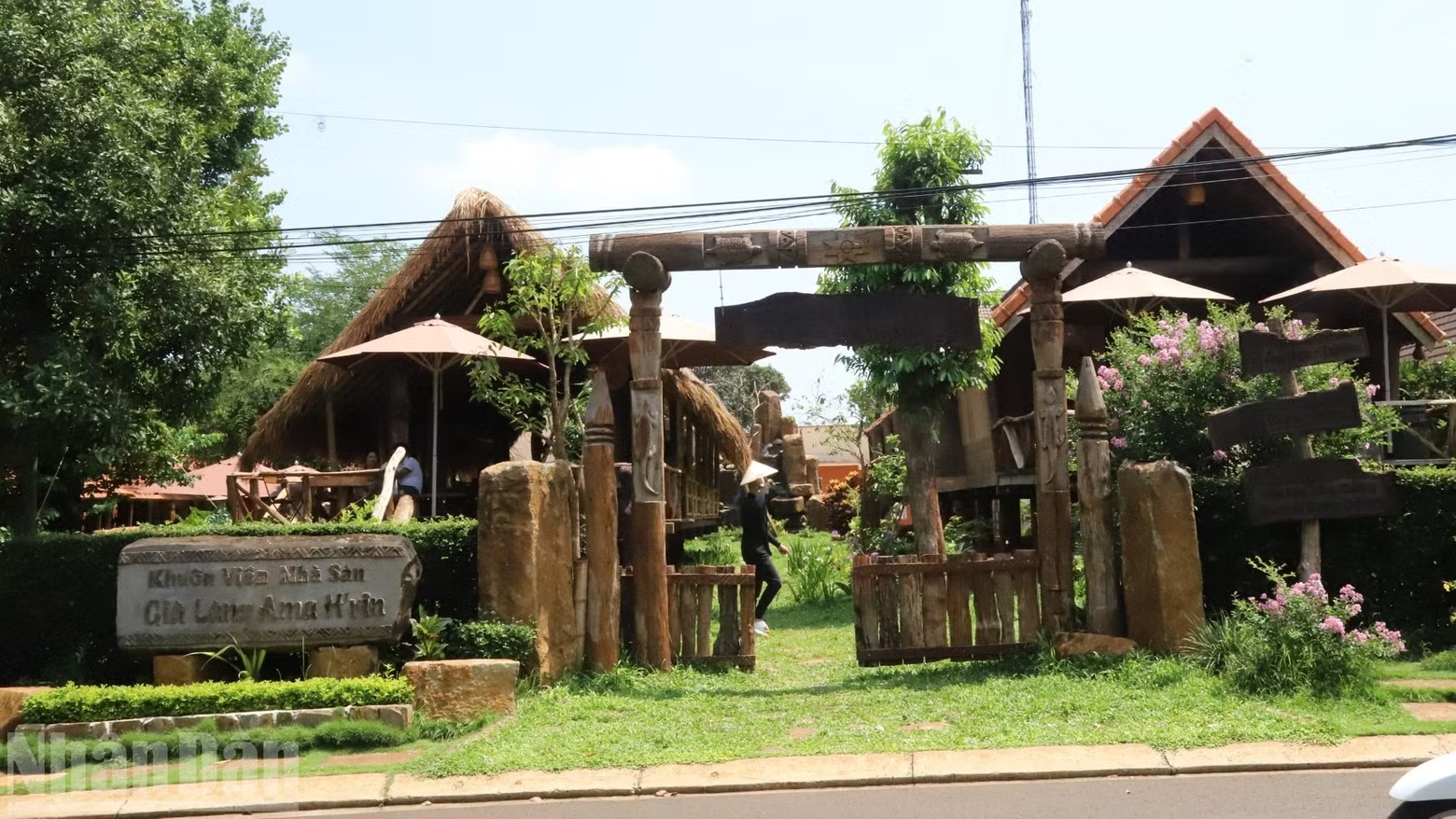
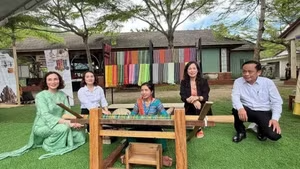
According to the Dak Lak Provincial Department of Culture, Sports and Tourism, current community-based tourism villages, especially Ako Dhong in Buon Ma Thuot Ward, Tong Ju in Ea Kao Ward, and Jun in Lien Son Lak Commune, have been operating community-based tourism and homestay services effectively. These villages have preserved traditional living spaces and promoted unique cultural values for visitors, including longhouse architecture, gong culture, brocade weaving, traditional cuisine, and agricultural experience activities, as well as cultural and village-life exploration. They have become signature destinations for travellers seeking to experience Central Highlands culture. As a result, local households have increased their income through tourism services, handicraft sales, and food offerings, while community awareness of cultural preservation and environmental protection has improved.
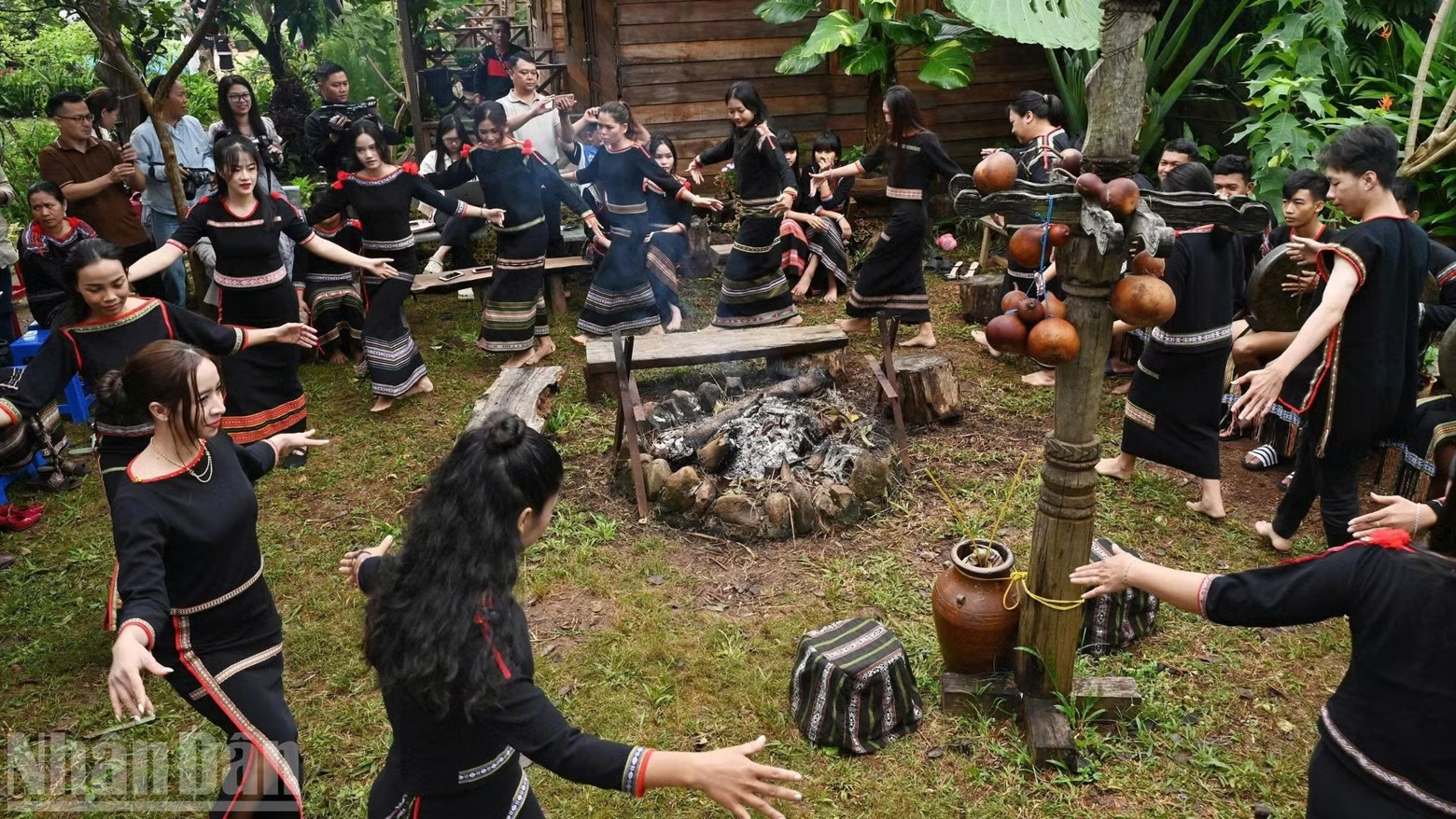
Since being designated a community-based tourism village in early 2023, visitor numbers to Ako Dhong Village have surged. On holidays, weekends, and peak seasons, the village’s roads are filled with tourist vehicles. The significant increase in tourists has generated more jobs and improved household incomes, while also creating better conditions for residents to focus on preserving traditional cultural values.
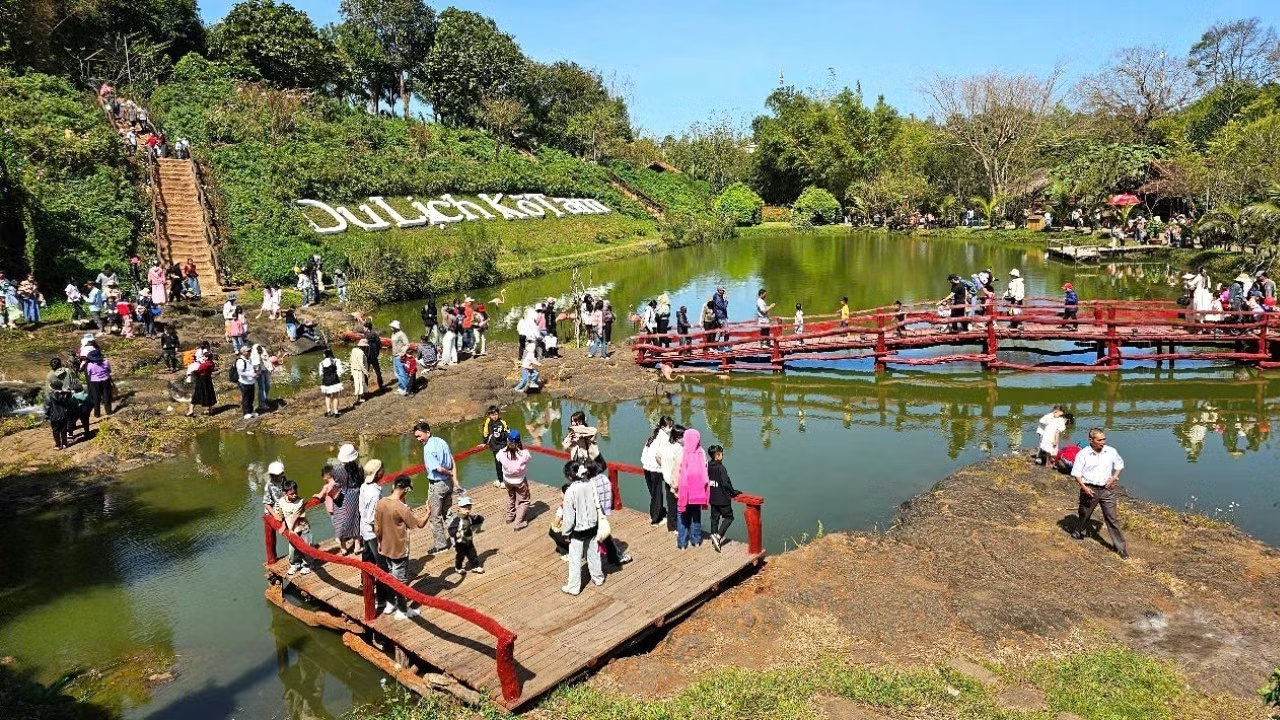
H’Zu Ni Nie, Secretary of the Ako Dhong Village Party Cell, said: “The village currently has 370 households, including 84 ethnic minority households. In recent years, thanks to community-based tourism support programmes, the village has developed infrastructure items, improved the environment, relocated livestock areas, built parking lots, and installed signage. Residents have also received training in community-based tourism development and visitor services. As a result, the village now has 35 E De traditional houses, along with preserved traditional festivals, numerous gong sets, ethnic musical instruments, brocade weaving, and fermented rice wine-making. These cultural values captivate visitors.”
Y Nuel Nie, owner of the Gia Lang Ama H’rin cultural space, café, and Central Highlands cuisine venue, noted: “Preserving longhouse spaces to develop tourism is the right direction and has become a key factor attracting visitors. This is a model that should be replicated and shared with other villages in community-based tourism development.”
Nguyen Canh Tung, Chairman of the Buon Don Communal People’s Committee, shared: “Implementing Resolution No.08 of the Provincial People’s Council on supporting community-based tourism development, the commune has sent households to study models in the Northwest provinces, while coordinating to carry out cultural preservation and tourism development projects. Since Tri Village was recognised as a community-based tourism village in early 2024, tourist arrivals have risen significantly, leading to higher income and improved living standards for local families.”
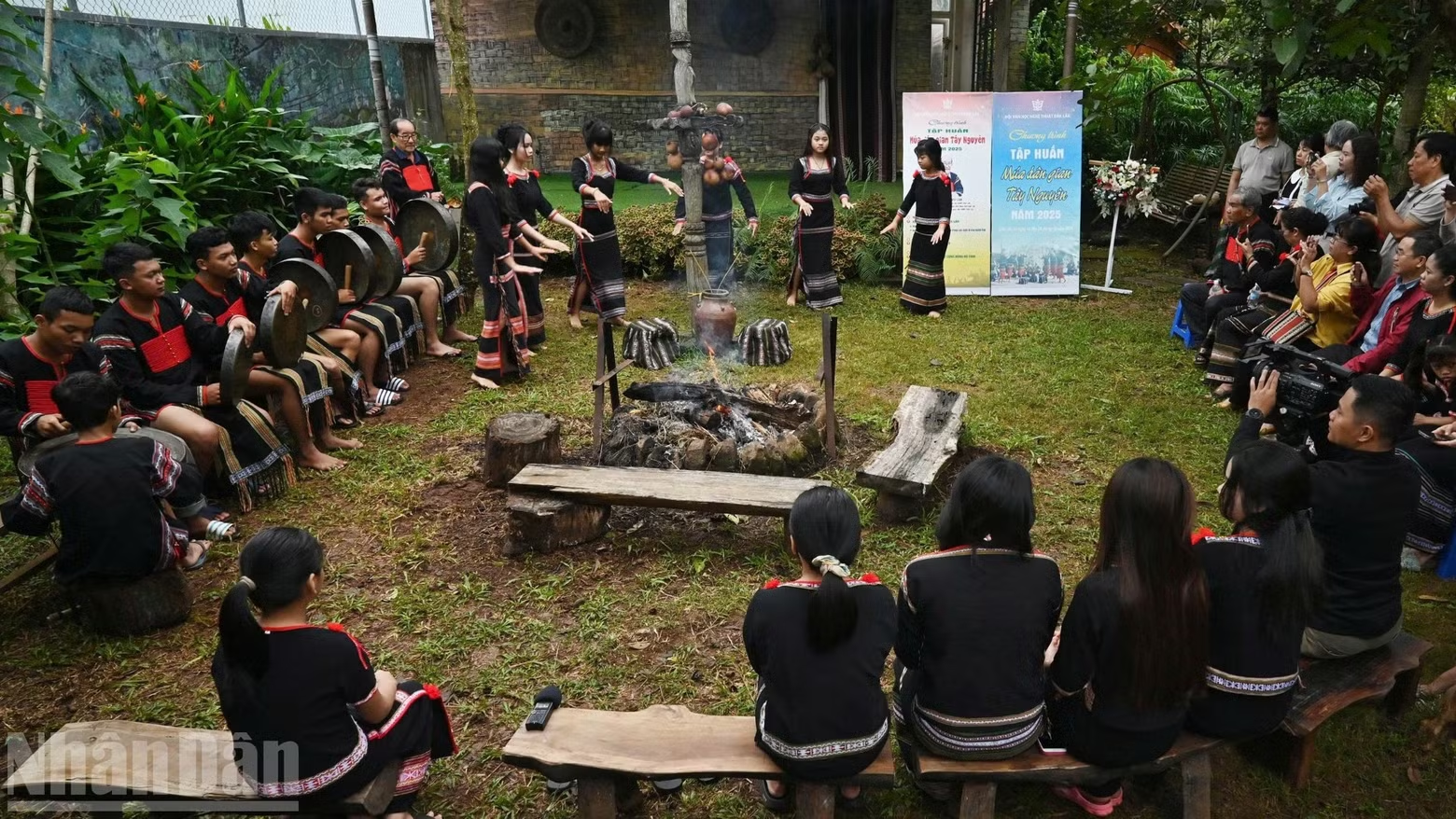
Recognising that tourism, particularly community-based tourism, is a key direction for leveraging cultural and ecological values of local ethnic communities, attracting domestic and international visitors, creating jobs, and improving livelihoods, Dak Lak will continue to strengthen its commitment to this sector. In the coming period, the Dak Lak Provincial Department of Culture, Sports and Tourism will advise the Provincial Party Committee, People’s Council, and People’s Committee to enhance leadership and guidance; raise awareness; and renew thinking on community-based tourism development. The province will also promote communication efforts to highlight the role of community-based tourism in socio-economic development, while implementing comprehensive planning and clear support mechanisms to connect community-based tourism with the province’s tourism supply chain. Additionally, Dak Lak will continue reviewing, amending, and supplementing regulatory frameworks, mechanisms, and policies to create favourable conditions for the development of community-based tourism.
![[Video] Viet Nam among Top three Asian destinations for return visitors](https://en-cdn.nhandan.vn/images/nyM650OGFWrOVWc-xajqN-rTZ68Rlmc1fiGJOhBRYHErj-E25MBpvJqrpphXazfrpe9t-fYCGuQU4CN0yXo3Rg/du-lich-vietnam.jpg.avif)








![[In Pictures] Nui Chua Rock Park: A million-year-old outdoor museum of landforms on the Khanh Hoa coast](https://en-cdn.nhandan.vn/images/nyM650OGFWrOVWc-xajqNz57td8idIAL_VG9puyG2UZEKOnmq1DVlT1--ZclbO3z2WBaWZhbt6O3e8kjPZqJMWkfEz7RO9qhcwg8o8LQFK8/ndo-br-cao-nguyen-da-moi.jpg.avif)