It was in this context that digital transformation opened a new path, helping traditional crafts find their place in the modern economy.
Changing mindsets to avoid being left behind
Muong Hoa Cooperative, Ta Van Day 2 Hamlet, Ta Van Commune (Lao Cai Province), is one of the typical models of this transformation, with the support of the Inclusive Digital Acceleration Project (IDAP) under the Gender-Responsive Equitable Agriculture and Tourism (GREAT) Programme, jointly implemented by the governments of Australia and Viet Nam.
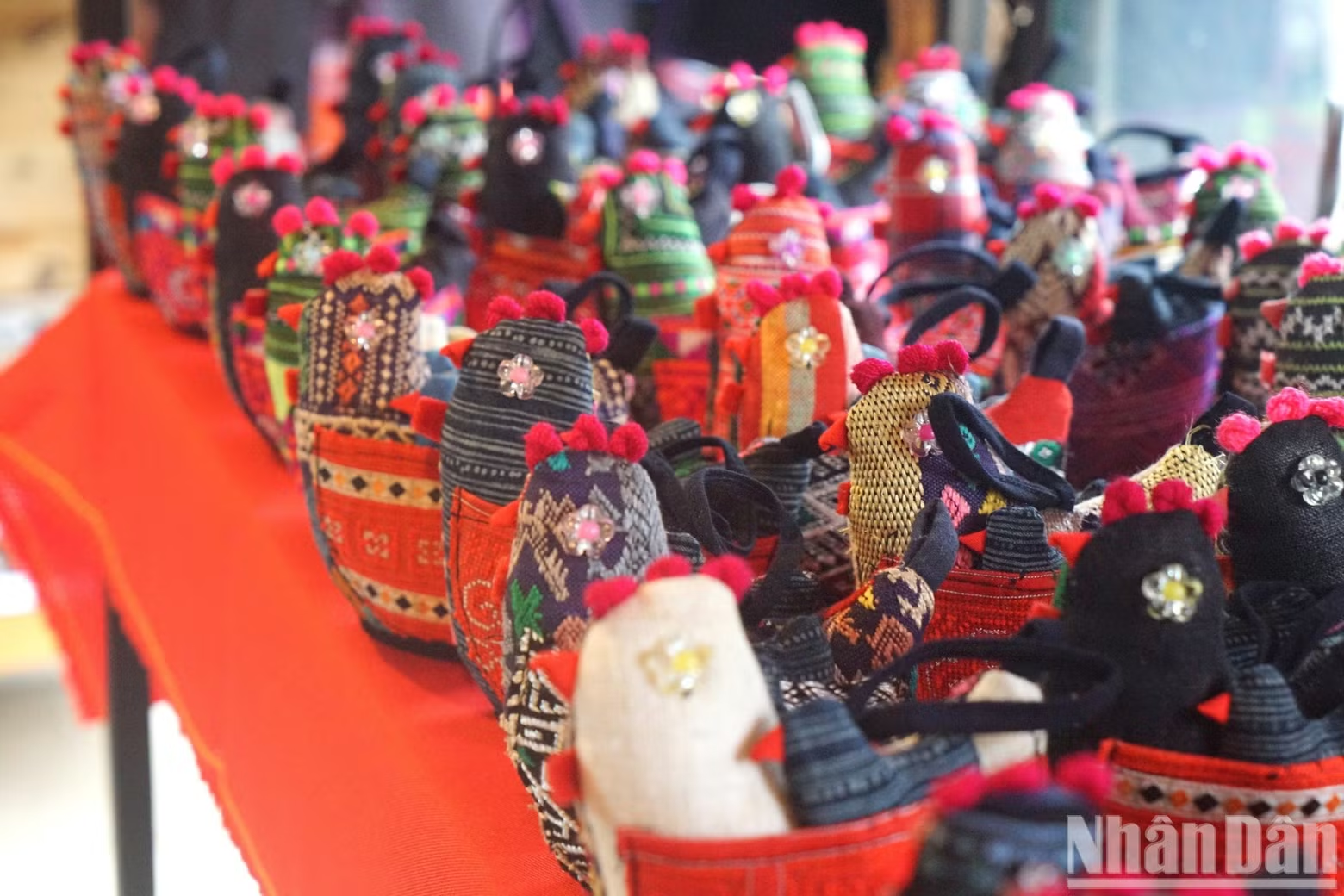
Founded in 2018 by Sung Thi Lan, a H’Mong woman, the cooperative specialises in producing and trading handicraft products such as embroidered accessories, handwoven fabrics, and naturally dyed textiles, while also organising local cultural experience activities for visitors.
Originating from the desire to preserve traditional crafts and create livelihoods for local women, the cooperative chose a handicraft-based production path, using natural materials and avoiding industrial chemicals. However, the Covid-19 pandemic caused tourist numbers to plummet sharply, pushing many households to the brink of abandoning their craft.
A turning point came when Muong Hoa Cooperative participated in support activities under the Gender-Responsive Equitable Agriculture and Tourism (GREAT) Programme. Starting from very basic digital skills, the cooperative gradually built an online presence, maintained connections with customers, and expanded markets beyond the local area.
According to Sung Thi Lan, Director of Muong Hoa Cooperative, the greatest change for her and the cooperative members was not regarding technology itself, but rather a shift in business mindset.
Muong Hoa Cooperative was initially established with nine members, mainly selling handicraft products directly to tourists along the Sa Pa–Ta Van–Lao Chai terraced rice field routes. When the Covid-19 pandemic broke out and tourism came to a standstill, the cooperative was forced to close and had no source of income.
“At that time, we almost knew nothing about online sales. Internet access in the village was limited; we used Zalo and Facebook, but we did not know how to leverage them for business,” Sung Thi Lan shared.
The turning point came when the H’Mong woman born in 1989 and other cooperative members were able to participate in the GREAT Programme through connections facilitated by women’s unions at various levels.
Here, they received training in digital transformation, online sales skills, production group management, and cooperative operations.
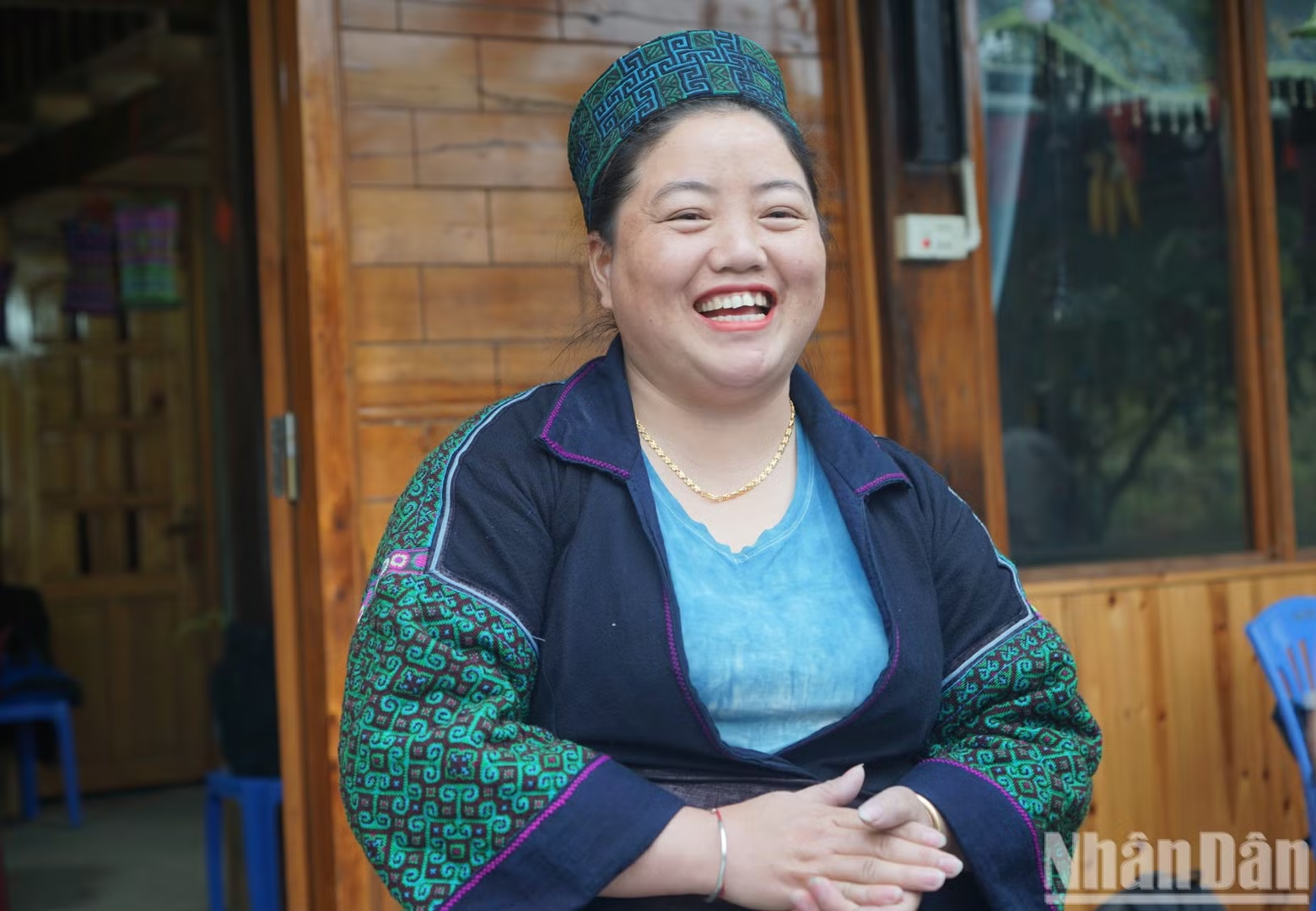
Lan said that to keep up with new knowledge, she had to study some content repeatedly. Gradually, however, she learned how to set up fan pages, post content weekly and monthly, manage orders, and handle customer data.
During the pandemic, even without visitors, the cooperative kept its shop open to photograph products and post them online for sale. Over time, brocade, indigo-dyed, and beeswax-resist-dyed products were sold online, generating stable income and attracting more women in the village to join production.
From a small-scale model, Muong Hoa Cooperative reorganised production along a value chain, dividing tasks into groups responsible for fabric dyeing, hand embroidery, garment finishing, online sales, and experiential tourism. Each group has a leader acting as a focal point for coordination, enabling production to continue even with members living across different northern mountainous provinces.
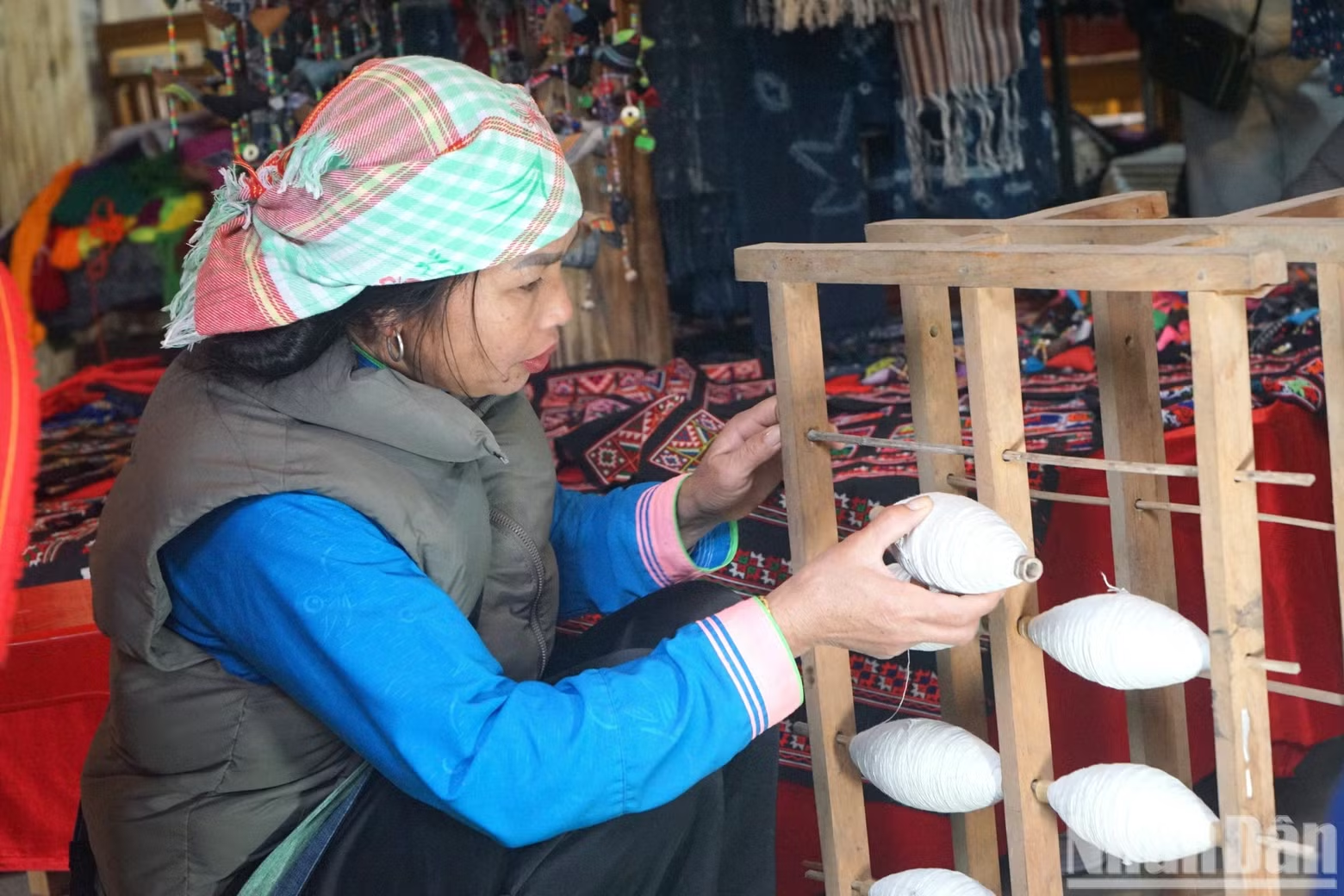
Currently, the cooperative has more than 300 women participating in production groups, with the hand-embroidery group being the largest. According to Lan, embroidery not only increases income but also helps preserve the craft and culture while making use of idle agricultural time.
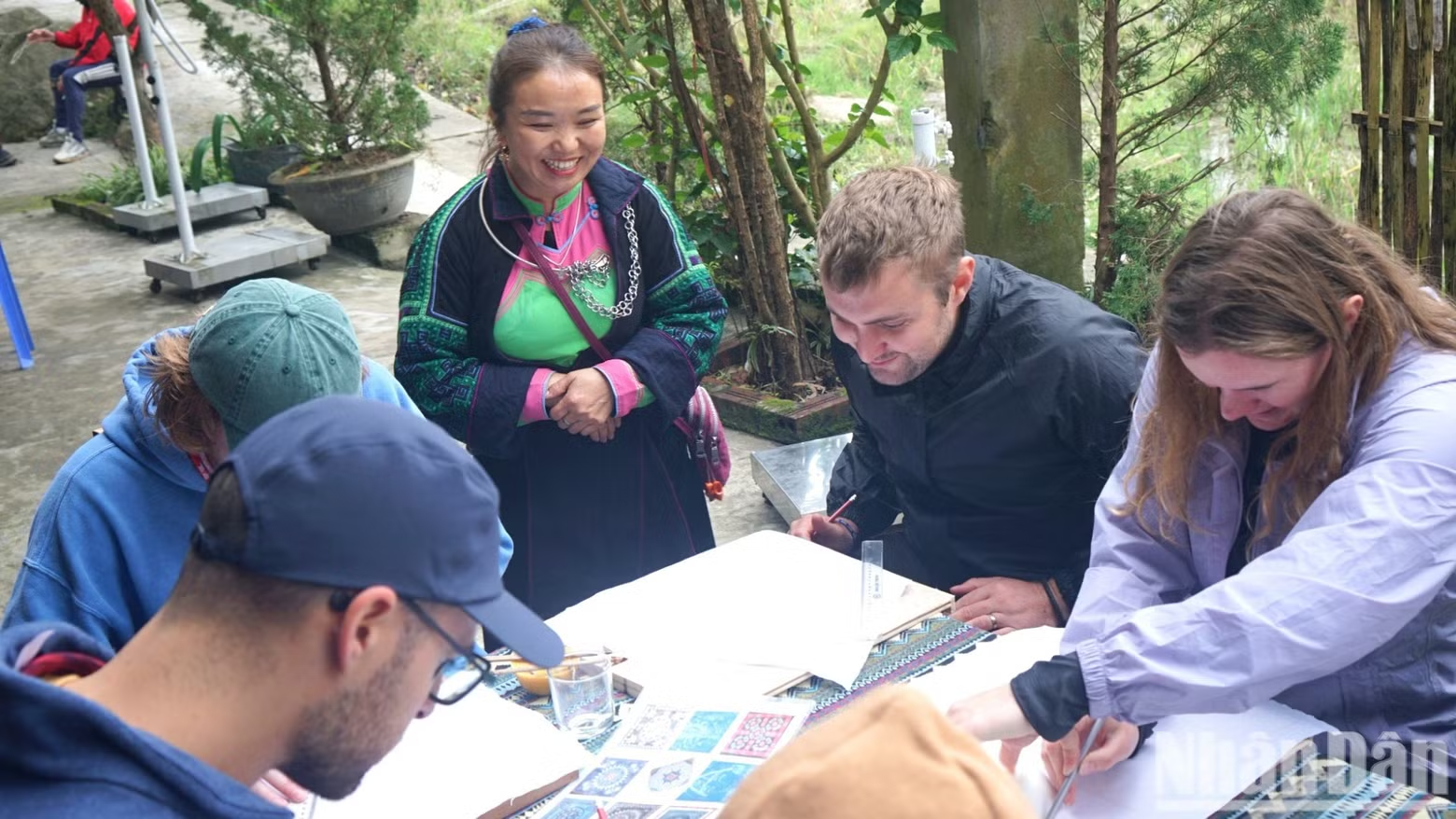
Alongside handicraft production, the cooperative has developed cultural experiential tourism such as beeswax-resist painting, indigo dyeing, herbal baths, local cuisine, folk performances, and homestays, thereby increasing service value and reducing pressure to produce large quantities.
Many members say that since joining the cooperative, their income has become more stable and life less precarious compared to when they relied solely on agriculture. Some older women continue to practise embroidery, earning extra income without engaging in heavy labour.
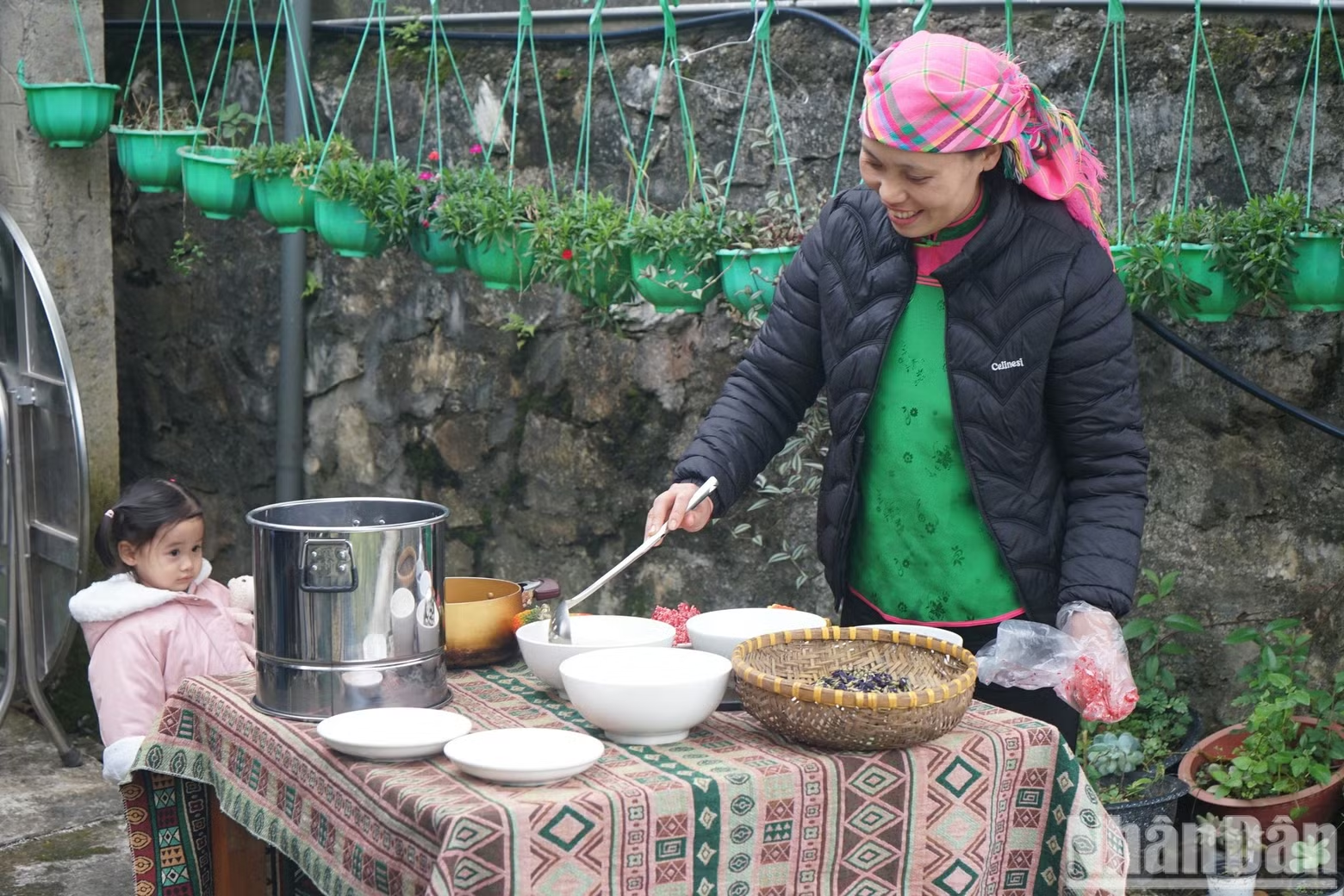
Son Thi La, 40, a cooperative member involved in experiential tourism, shared that with additional income, she feels more independent and under less pressure. According to her, when women have economic independence, their voices are also more respected within the family.
“Many households participate in the community tourism model, with wives engaged in handicrafts and experiential tourism, while husbands help prepare traditional cuisine. As a result, livelihoods are diversified and children have better access to education,” La said.
Building a digital ecosystem for women-led enterprises
According to Vu Quynh Anh, a representative of the GREAT Programme, in its second phase the programme is implementing around 12 sub-projects in Lao Cai Province, including a sub-project focused on building ecosystems and promoting digital transformation for women-managed enterprises.
Implemented in partnership with KisStartup, the sub-project does not merely support individual enterprises but aims to connect businesses with a digital service ecosystem, encompassing human resources, consultancy, financial management, and technology, at costs suitable for mountainous areas.
The project also collaborates with universities such as Tay Bac University and the Thai Nguyen University branch to provide digital skills training for students, creating a local talent pool for local enterprises.
To date, the project has trained nearly 250 enterprises in Lao Cai and Son La, most of which have directly applied digital tools in production and business. Muong Hoa Cooperative is considered a typical example, gradually shifting from small-scale souvenir sales to supplying brocade materials for fashion designers, with brocade sales accounting for around 70% of its total revenue.
According to Nguyen Hoai Nam, a senior management officer at the Australian Embassy, the core of the programme is shifting from grant-based support to a market-oriented approach. Instead of merely providing initial assistance, the GREAT Programme poses questions such as “what to produce, who to sell to, and how to participate in value chains?”, enabling local people to become genuine market actors.
The programme also aligns with Viet Nam’s major orientations such as digital transformation, private-sector development, and competitiveness enhancement. In the next phase, GREAT will focus on scalable models capable of generating long-term spillover impacts.
From the perspective of implementing partners, Vu Hai Phong, a representative of KisStartup, noted that digital transformation is merely a tool, while internal capacity and innovative thinking remain the decisive factors.
During implementation, KisStartup has provided hands-on guidance to many women who had never previously accessed technology, while also introducing artificial intelligence to support content creation, order management, and customer response.
According to Phong, the ultimate goal is not regarding technology itself, but helping enterprises develop habits of using services and being willing to pay once they see effectiveness, thereby creating a foundation for sustainable development even after the project ends.
From women who once sold goods by the roadside along tourist routes, Muong Hoa Cooperative is gradually becoming a nucleus for spreading a new livelihood model, where traditional crafts are preserved and women have stable incomes and are not left behind in the digital transformation process.
Assessing the project’s success, Australian Ambassador to Viet Nam Gillian Bird emphasised: “It is truly encouraging to witness real changes in the lives of women like Sung Thi Lan, Director of Muong Hoa Cooperative, whose successful enterprise has helped support 300 other households in her community.”
Ambassador Gillian Bird stated that in its development partnership with Viet Nam, Australia prioritises gender equality and inclusion. She affirmed that when all men, women, girls, and boys are able to fully realise their potential, the economy will grow and the country will prosper.
Therefore, the GREAT Programme not only supports women in building enterprises in agriculture and tourism but also strives to transform the business environment and policy framework to ensure that women’s economic empowerment is sustainable in the future.