The highlight of the programme was an experiential space simulating a miniature green society, where residents could directly explore initiatives, technologies and green transition products applied in daily life and production. In particular, the “Exchange recyclable waste for gifts” programme encouraged residents to collect, sort and bring clean recyclable waste to the festival in exchange for practical gifts.
With more than 17,000 gifts from supporting organisations, the event promised a vibrant space featuring activities such as a journey to collect a “Green Passport”, exchanging recyclable waste for gifts and spinning a prize wheel, with the grand prize being a VinFast Viper electric vehicle in the premium segment.

Alongside booths showcasing products, the Green Products Mega Livestream programme offered opportunities to access environmentally friendly products with numerous attractive promotions. Meanwhile, the talk show “When Consumers Go Green – Businesses Adapt” focused on discussing green consumption trends and solutions to help businesses adapt.

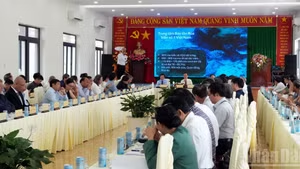
Speaking at the programme, Vice Chairman of the Ho Chi Minh City People's Committee Bui Minh Thanh emphasised that the city had set a target of achieving double-digit economic growth in the coming years. However, economic development must go hand in hand with environmental protection and improvements in people's quality of life.
Green transition is no longer an option but has become an inevitable requirement, while also opening up opportunities to innovate the growth model, improve productivity, reduce costs and attract investment.

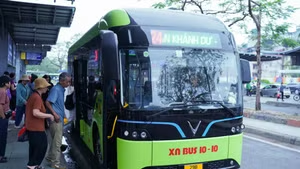
The city has identified green transition, digital transformation and innovation as its three strategic pillars. In particular, Ho Chi Minh City aims to ensure that 100% of public transport vehicles use clean energy by 2030.
Sharing his views at the programme, Tran Xuan Toan, Editor-in-Chief of Tuoi Tre Online, said that we were living in a period when economic growth and environmental protection could no longer be regarded as two separate goals. Climate change, environmental pollution, resource depletion and the pressures arising from traditional production and consumption models were creating an urgent need for change.

Viet Nam has committed to achieving net-zero emissions by 2050. This is a major goal that demonstrates the country's responsibility towards the future of humanity, but it is also an opportunity for us to renew our growth model, enhance competitiveness and create new development value.

Green transition needs to begin with small actions by each citizen that can have a far-reaching impact. This effort also requires businesses to take the lead and turn green transition into a development advantage, while the younger generation must become a force shaping a green future.