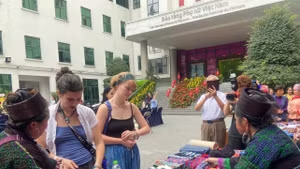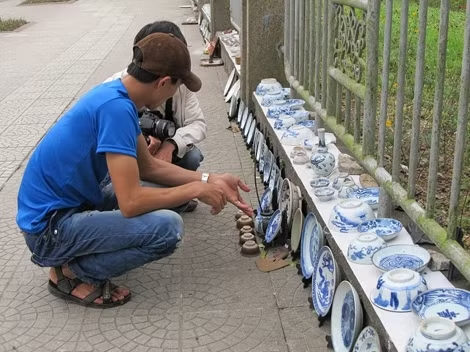
The antiques are evidence of cultural flows and the heyday of trading activities in the ancient capital of Hue. The roadside sale provides entertainment for people and antique collectors and helps visitors learn more about Hue.
The antiques have been very popular so far, and they are also affordable, ranging from tens to hundreds of thousands of Vietnam Dong.
“Foreign visitors come here to exchange and buy antiques to understand more about Vietnamese culture. In addition, many researchers also come to learn about the antiques”, said Nguyen Hung, who has sold antique products here for 11 years.
When asked about the low prices of the products, he added that sellers encounter many patrons who are very knowledgeable about antiques, so they never overcharge or sell counterfeit products.
There are many kinds of ancient ceramic items, coins and furniture that were used in common families and inside palaces during the Ly, Tran, Le, Nguyen and Cham dynasties (the 11th century to the 20th century). The items include combs, lamps, mugs, flower vases, pots, urns and pipes. They were salvaged by fishermen from the Huong riverbed and the bottom of the city’s other rivers.
“The fishermen themselves have ‘woken up’ dormant items in the riverbeds”, said Ho Tan Phan, a researcher and collector who owns thousands of antiques salvaged from the Huong River.
He also emphasised that, in addition to the tombs and architecture of feudal dynasties, the ancient products are considered cultural messengers, giving current and future generations insight into how their ancestors lived.
With his thorough understanding of this type of relic, Phan is eager to present compelling and scientific evidence on the development of Hue, the ancient capital.
Sellers, buyers and visitors to this stretch of road have created a distinctive cultural feature in Hue.

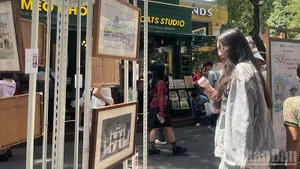
A booth of antiques on Tran Hung Dao street