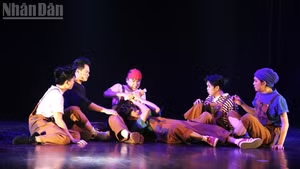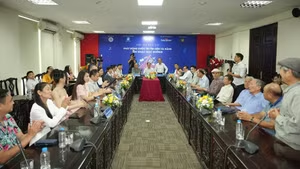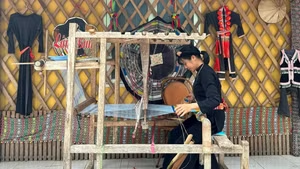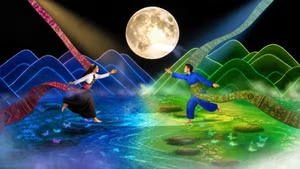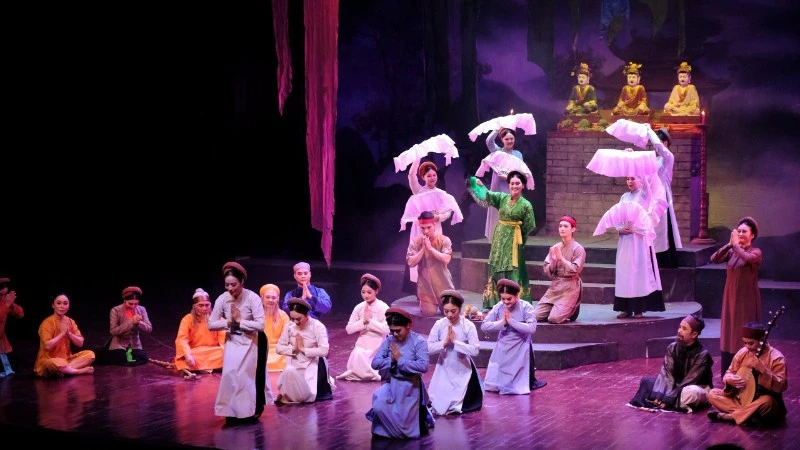
The merger of the three traditional theatres is considered a strategic step aimed at affirming the status and enhancing the operational quality of traditional stage arts in the context of integration. Not only does it contribute to streamlining the apparatus and improving governance efficiency and effectiveness, but it also helps optimise human, financial and infrastructure resources.
The Viet Nam National Traditional Theatre is expected to become a national-level cultural institution, capable of producing and organising large-scale, multi-genre performances that combine the strengths of each art form. In doing so, it will bring the essence of traditional theatre closer to modern audiences, while also expanding its influence across the region and internationally. This is also a foundational step towards promoting autonomy mechanisms, stimulating the dynamism and creativity of artists in upholding traditional artistic values, developing cultural industries, and attracting tourism.
However, alongside these opportunities lie numerous challenges. In addition to the trust and high expectations for a transformation in traditional theatre, many practitioners have expressed concern about the potential fading of the unique identities of each art form — tuong, cheo, and cai luong — after the merger.
In the current context where traditional theatre is facing difficulties amid fierce competition from modern entertainment formats, many young audiences are not even able to clearly distinguish between tuong, cheo, and cai luong. The fact that the three leading units in each art form are now “under one roof” raises the question of whether this will further blur their distinct characteristics in the eyes of audiences. These concerns are not unfounded, especially as mechanical mergers of art troupes in some localities have led to the risk of amateurisation of professional performance activities.
Added to this are potential difficulties arising during organisational restructuring, competition for employment positions, and psychological disruption among staff and artists. Therefore, the merger of the three traditional theatres must be carried out scientifically, prudently, and responsibly, with comprehensive and feasible solutions in terms of mechanisms, policies, and artistic development orientations so as to preserve the distinct value of each form within an effective and sustainable common structure.
To ensure the unique identity of each art form continues to be recognised, preserved, and promoted, many experts argue that it is necessary to maintain dedicated performing troupes under the new structure to preserve the distinctiveness of each genre. In parallel, it is essential to quickly stabilise the organisational apparatus and develop a flexible and efficient governance model after the merger.
The head of the new institution must be someone with professional expertise, bold thinking, a willingness to innovate, and the ability to unite artists from different units to foster solidarity. More importantly, fairness and objectivity must be maintained in the treatment of each art form such that tuong, cheo, and cai luong can all shine in their own distinctive ways when presented side by side.
The merged theatre must also adopt policies to attract talent and offer deserving incentives, creating conditions for artists to dedicate themselves to their profession. A long-standing issue in many public art institutions is that some artists are no longer active in the profession but have not yet reached retirement age, while young talented artists lack opportunities and are often hired on short-term contracts with low income.
This situation has made recruitment for traditional theatre difficult for many years. It is a bottleneck that needs to be addressed during the merger process to both ensure the rights of senior artists to retire early and establish mechanisms to identify, train, and retain young talented artists, thereby improving the quality of human resources for the new theatre.
Alongside promoting the creative resources and renewed thinking of each artist, the “midwife” role of the Ministry of Culture, Sports and Tourism is indispensable in the development of traditional theatre. This requires coordinated attention, from upgrading performance infrastructure and nurturing young talent to focused investment, especially in commissioning the creation of high-quality traditional art programmes that embody national identity and the spirit of the times. This is the key direction for traditional theatre to tap into its internal strength and assert its position in the current of contemporary culture.