Libraries embrace digital transformation
During the 2021–2025 period, Ho Chi Minh City has synchronously implemented a host of policies and programmes to develop reading culture and modernise the library system. As the nation’s major economic, cultural, and educational hub, the city is at the forefront of digital transformation in the library sector, aiming to build a modern, integrated, and user-friendly library network to meet the growing demands for learning, research, and entertainment among residents.
According to Do Van Luong, an officer at the Ho Chi Minh City General Sciences Library, the library has digitised around six million pages of documents, including nearly 155,000 pages in the first six months of 2025. Digitisation of rare documents and collections from provinces has exceeded planned targets for many years.
The library has also added electronic resources, upgraded IT infrastructure and digital data, and implemented interconnectivity and resource sharing across the city’s public library system.
Ho Chi Minh City is at the forefront of digital transformation in the library sector, aiming to build a modern, integrated, and user-friendly library network to meet the growing demands for learning, research, and entertainment among residents.
“The library is relentlessly advancing the application of information technology in issuing online reader cards, using electronic office management software, employing artificial intelligence (AI) to process multimedia documents in book promotions, and producing audiobooks for visually impaired readers, while regularly providing digital transformation support to grassroots public libraries,” Luong reported.
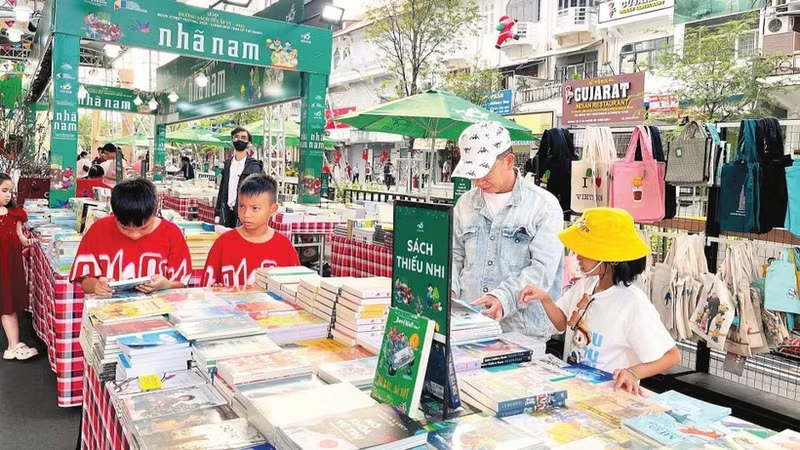
Ho Chi Minh City is also a pioneer in building book street systems and book spaces, becoming a highlight in spreading reading culture throughout the community.
Over the past decade since its launch, Ho Chi Minh City Book Street has continuously innovated to adapt to changes in social life, the publishing market, and especially shifts in reading needs, habits, and methods in the digital age.
Chairman of the Viet Nam Publishers Association, Pham Minh Tuan, applauded the expansion of the Book Street’s functions, noting that it has become a space for educating on reading culture, fostering a healthy reading environment that connects books with readers, and knowledge with daily life.
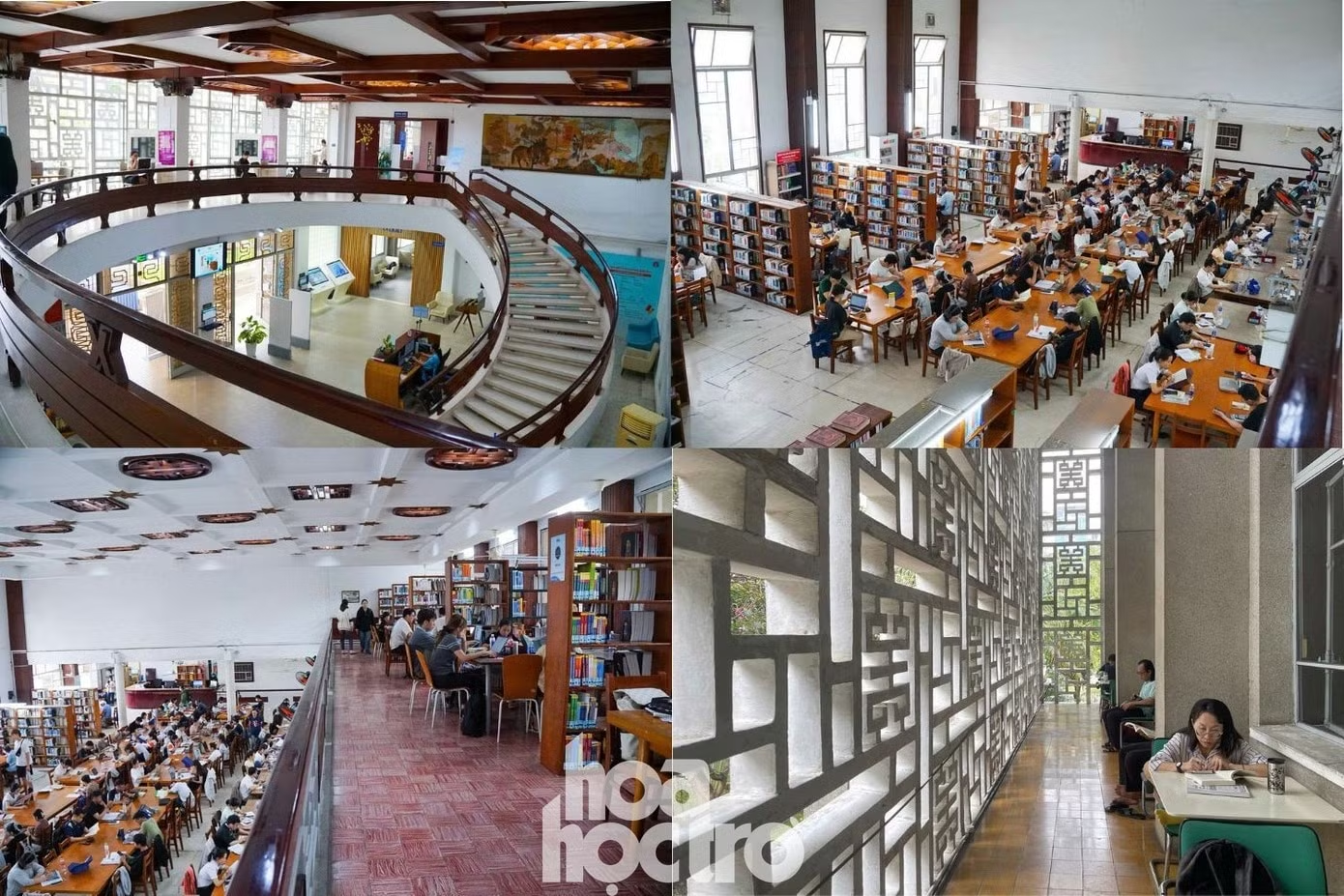
According to a survey by the Ho Chi Minh City General Sciences Library, the proportion of residents reading books has risen steadily in recent years, especially among young people, pupils, and students. The library has developed S.Hub and S.Hub Kids spaces, attracting thousands of readers. Its website and social media channels operate 24/7, drawing 10,000–12,000 visits per day.
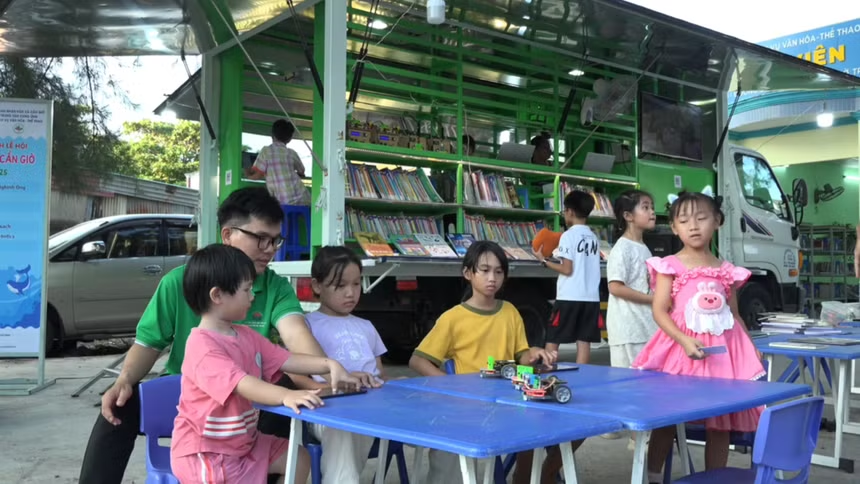
A system of seven mobile library vehicles serves residents in new rural communes, remote areas, export processing zones, drug rehabilitation centres, and schools for disabled children. In 2024, 42 mobile library trips were conducted, attracting 26,239 readers.
Activities such as Ho Chi Minh City Reading Culture Day, the Tet Book Street Festival, and the launch of Reading Culture Ambassadors are also held regularly, helping create a beneficial and appealing reading environment that draws in ever more residents.
Strengthening grassroots reading culture
In reality, the public library system cannot yet compare with those in advanced countries in the region and the world, particularly in applying information technology. Management of ward- and commune-level library operations still reveals many shortcomings. The grassroots library network faces numerous difficulties with premises, equipment, book sources, and personnel, especially due to low funding.
Dr Tran Van Hong from the Phu Lam Centre for Culture–Sports Services noted that in many places, library staff have not yet received proper training in librarianship and information science. This leads to library work being treated as a part-time task rather than a specialised profession requiring high skills.
He emphasised that alongside continuing to promote good models and practices for developing reading culture at the grassroots, Ho Chi Minh City needs to pay more attention to standardising positions and skills for library staff, unifying standards for school libraries, updating professional tools, and introducing reward policies suited to qualifications and expertise.
Ho Chi Minh City needs to pay more attention to standardising positions and skills for library staff, unifying standards for school libraries, updating professional tools, and introducing reward policies suited to qualifications and expertise.
Deputy Director of the Ho Chi Minh City Department of Culture and Sports, Cao Van Chong, said that every year the city effectively implements projects to equip rural areas with traditional educational, theoretical, and political books. This activity will be intensified to help officials, Party members, and residents enhance their self-study and learning abilities, especially after the city launched the two-tier local administration model, thereby improving the capacity and effectiveness of grassroots cadres.
The municipal Department of Culture and Sports will continue coordinating with localities and units to select suitable book lists and themes, invest in building and upgrading culture–sports centres, broadcasting stations, and libraries; prioritise funding for book supplements; and intensify communication campaigns to raise awareness of the importance of equipping political theory books.
It also aims to affirm the essential role of reading culture in accessing knowledge and specialised expertise, while focusing on expanding and improving the quality and effectiveness of book streets and book spaces across the city.
According to Phan Xuan Thuy, Deputy Head of the Party Central Committee’s Commission for Communication, Education and Mass Mobilisation, the Ho Chi Minh City Book Street is an important cultural institution within the city’s cultural system, linked to the goal of building a civilised, modern, and compassionate city founded on knowledge and innovation. He stressed that investment in the Book Street should not stop at physical infrastructure but must involve strategic thinking to build spiritual cultural life and foster lifelong learning habits among residents.