In Pictures: Restoring fallen soldiers’ names: An order from the heart
Millions of soldiers sacrificed their lives so the country could reap the independence and peace it has today. Yet, after many decades, hundreds of thousands remain missing, or have been repatriated but remain unidentified, plunging countless families into anguish and waiting.
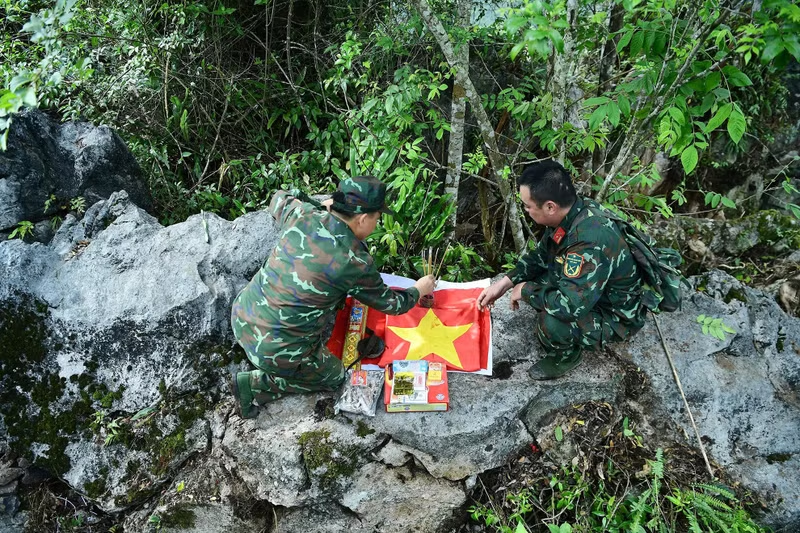
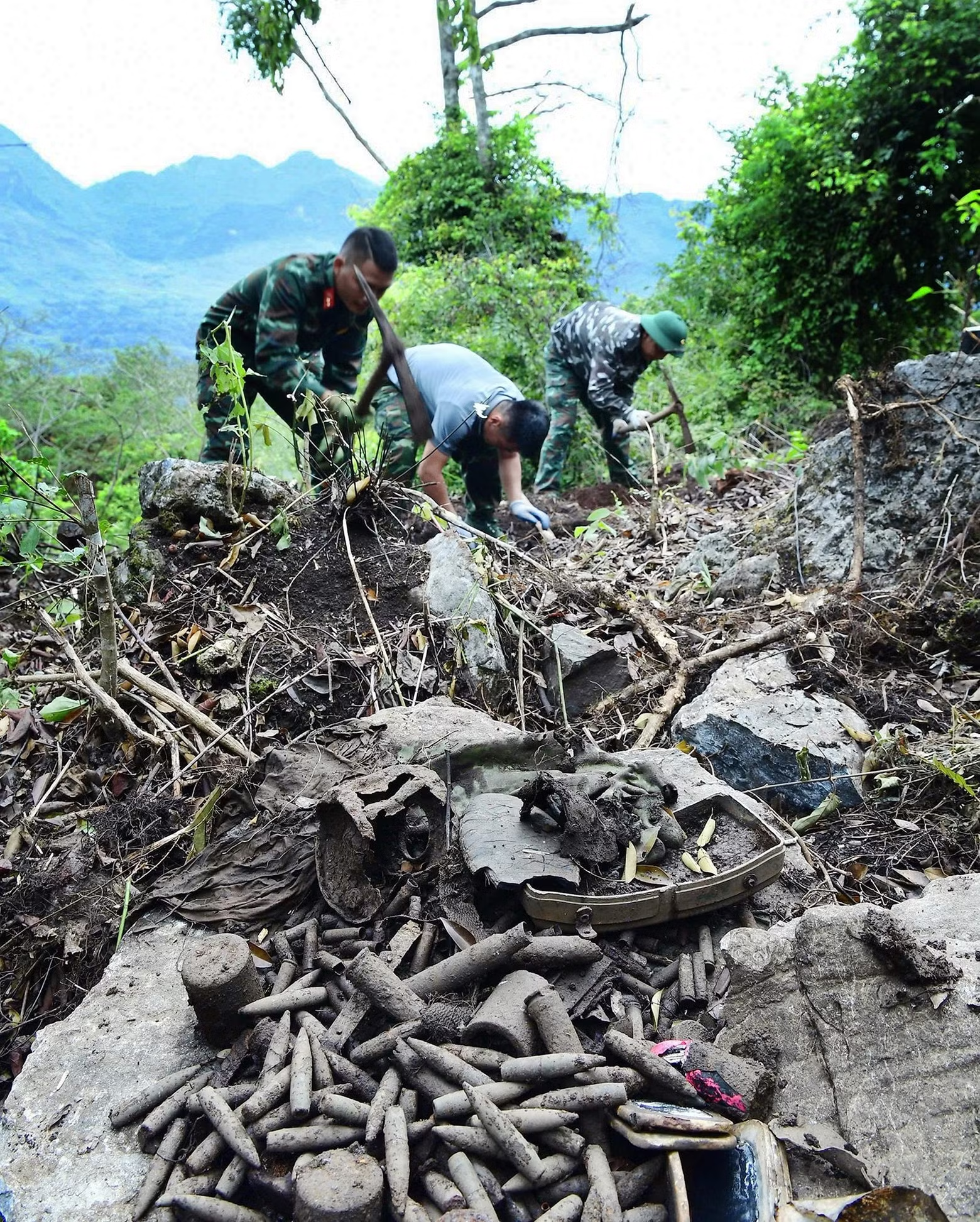
Members of the search team clamber over sharp, sheer limestone cliffs tangled with scrub and vines to reach point 685 in Nam Ngat Village, Thanh Thuy Commune, Tuyen Quang Province, in search of the fallen.
At present, the country still has approximately 175,000 martyrs’ remains undiscovered and unrecovered, and nearly 300,000 graves unidentified. Behind those figures lies the longing to be called by the right name, to return to family and homeland after years forsaken on the battlefield.
Designated task forces nationwide are racing against time to deploy the 500‑day campaign to recover and identify the remains of fallen soldiers, launched from March 15, 2026 to July 27, 2027, by the National Steering Committee for the Search for, Recovery, and Identification of Martyrs’ Remains.
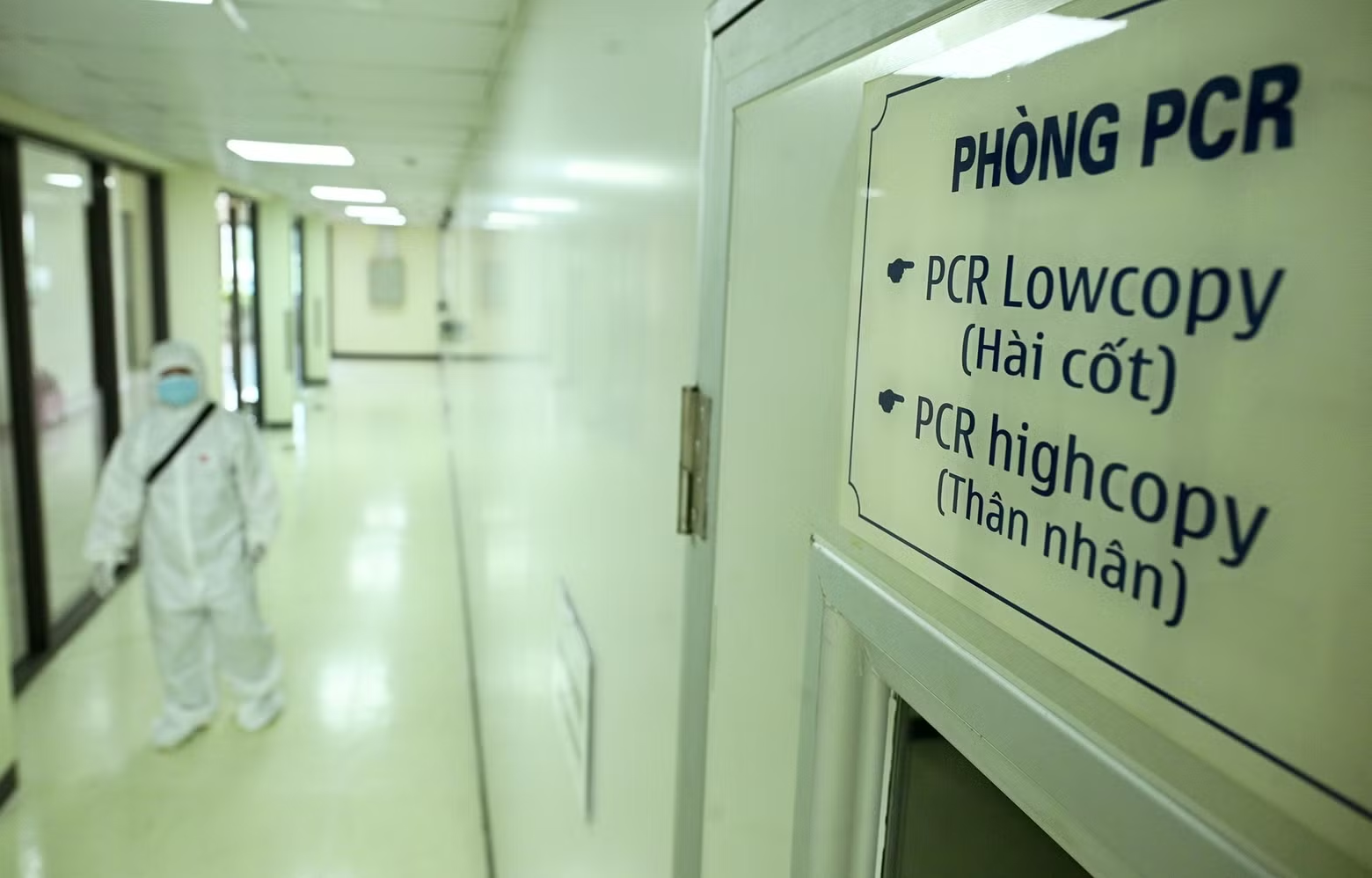
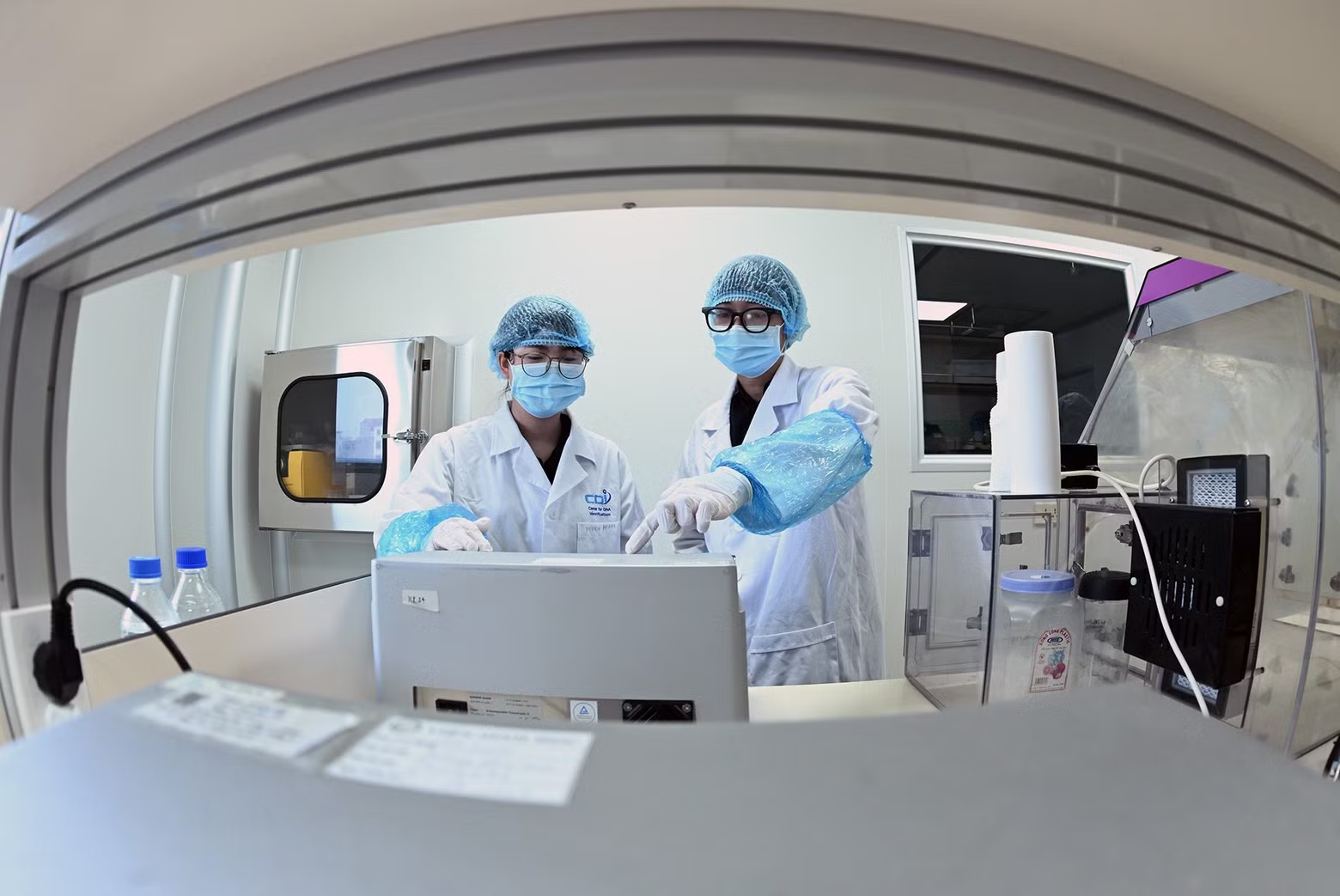
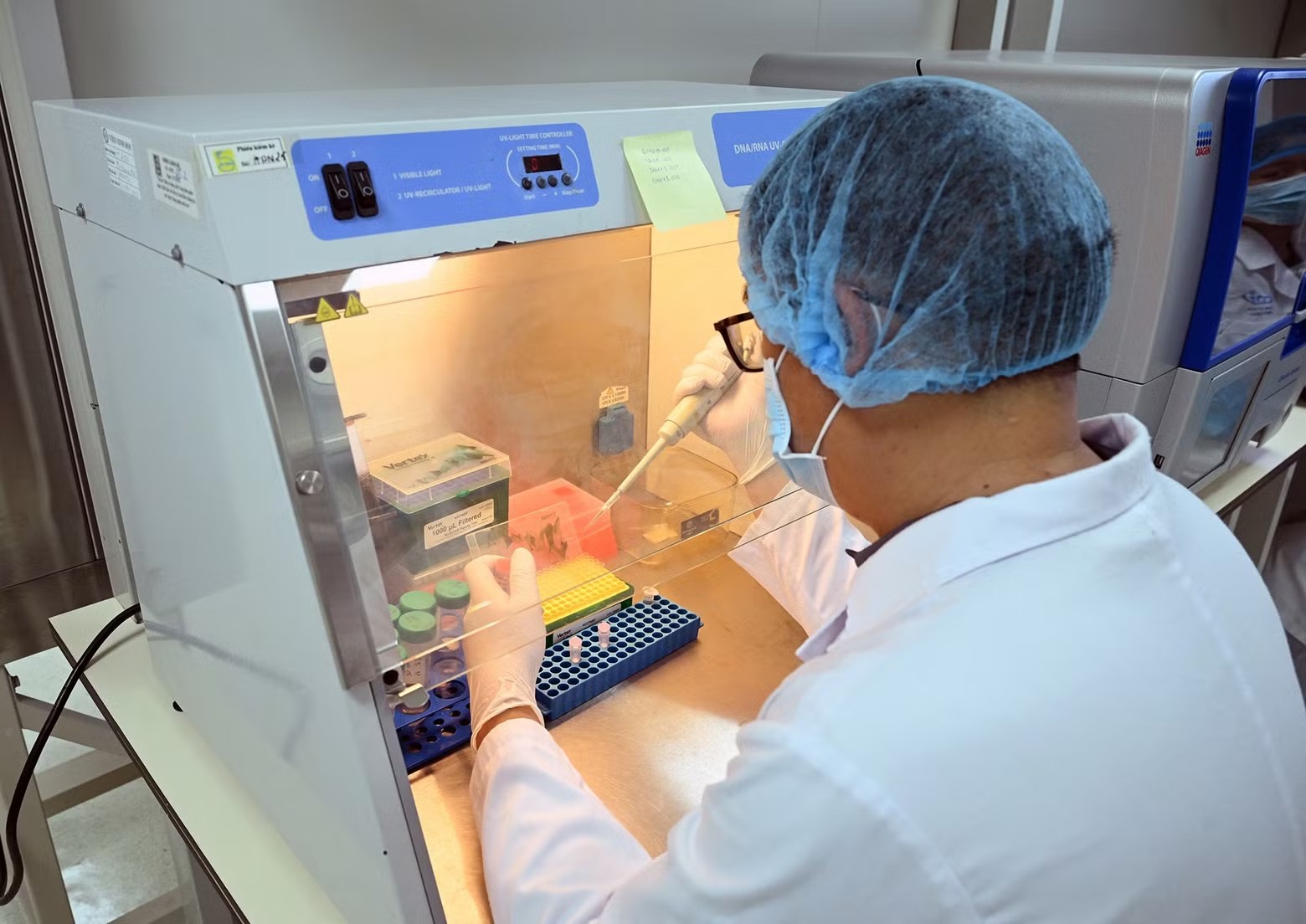
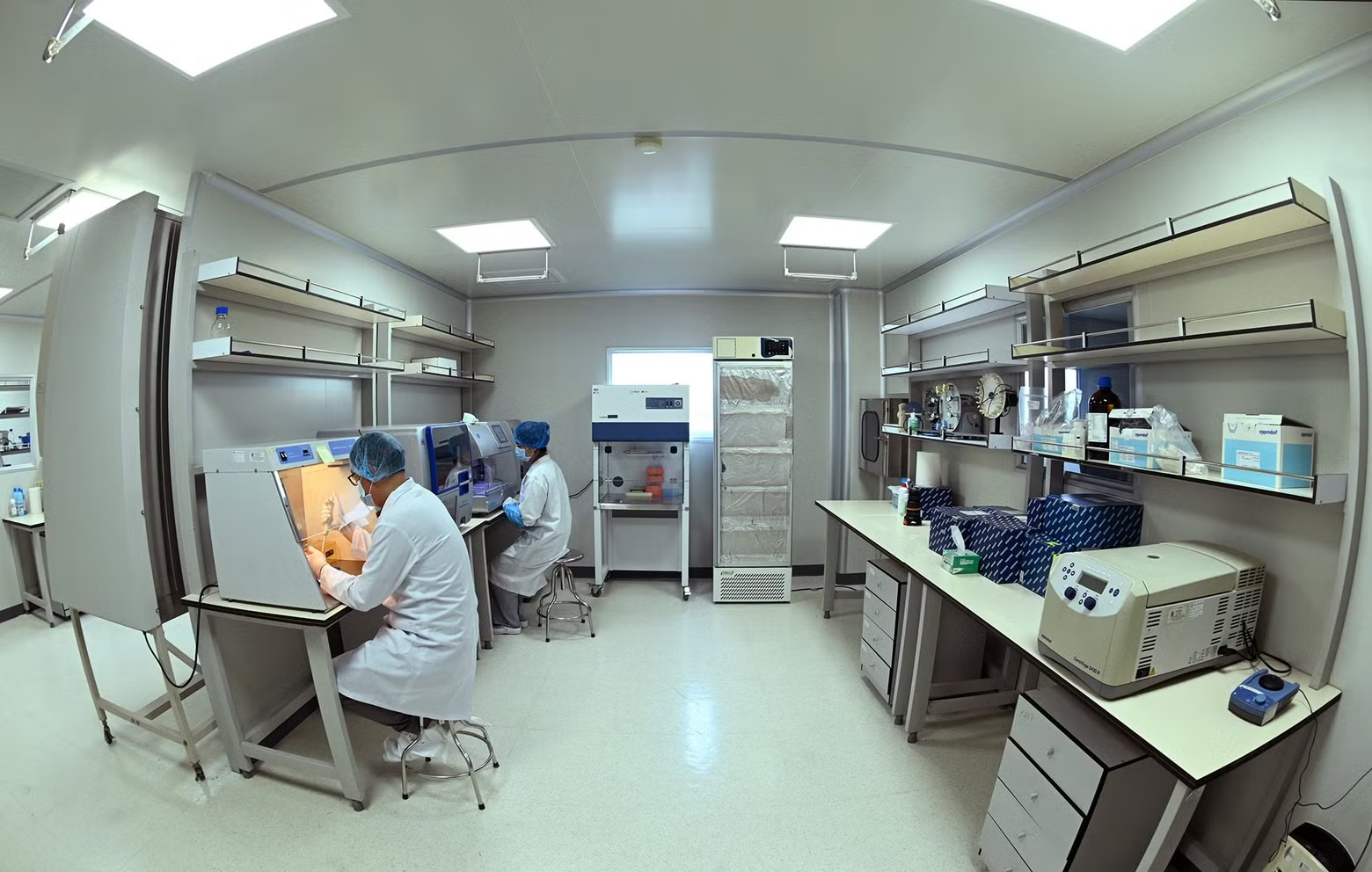
Among them, the Centre for DNA Identification under the Institute of Biology (Viet Nam Academy of Science and Technology) is a core unit leveraging DNA forensic technology to identify unidentified martyrs.
Each bone sample processed, each DNA sequence decoded, is not merely a scientific procedure but a journey to restore names to those who laid down their lives for the Fatherland. In the laboratory, scientists patiently execute every stage in the hope of re‑weaving the broken bond between the deceased and their families, thus granting anonymous fallen soldiers a path back to their names.
The search team, together with explosive‑ordnance disposal units, carry out operations with determination to bring the martyrs home to their families.
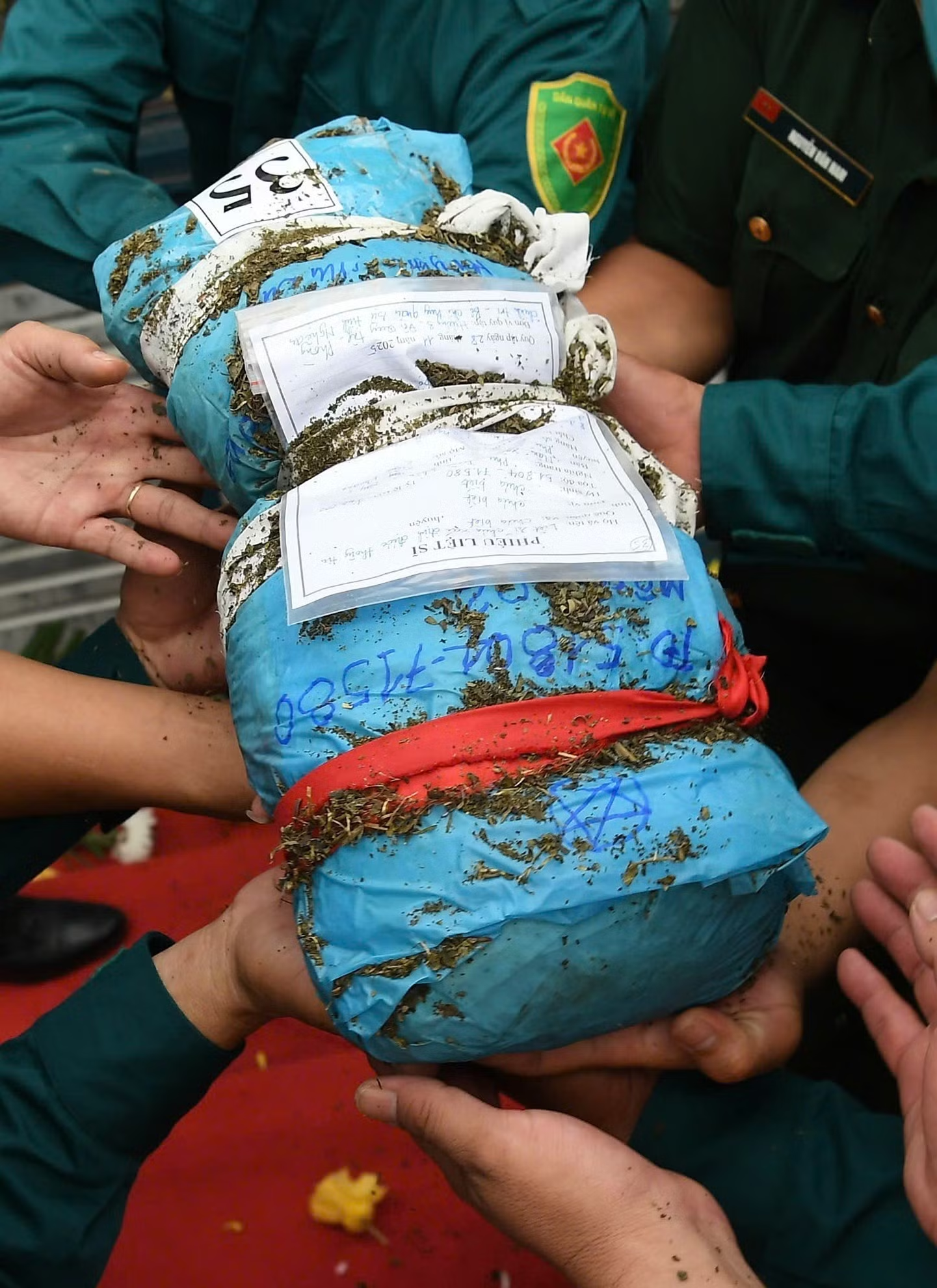
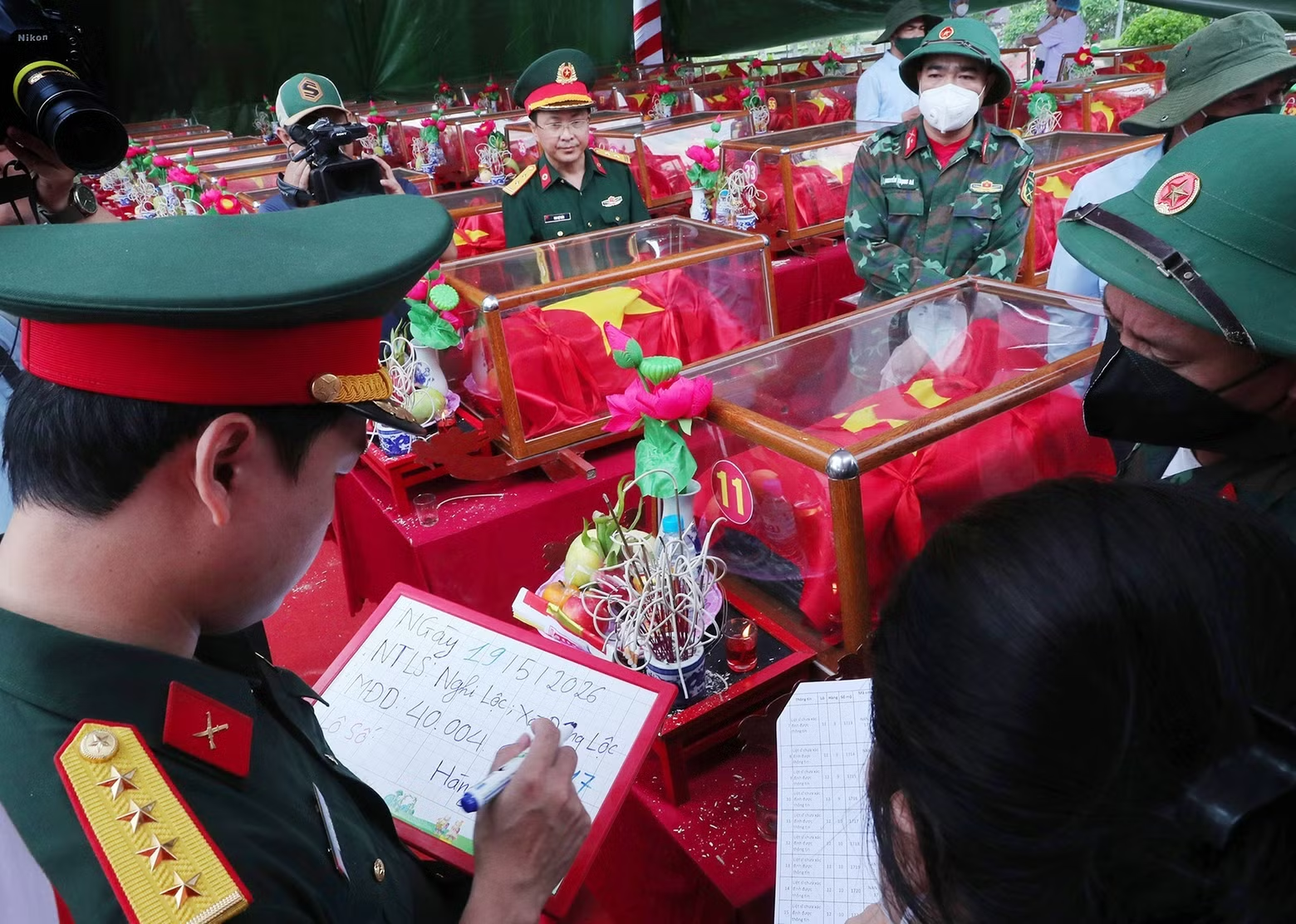
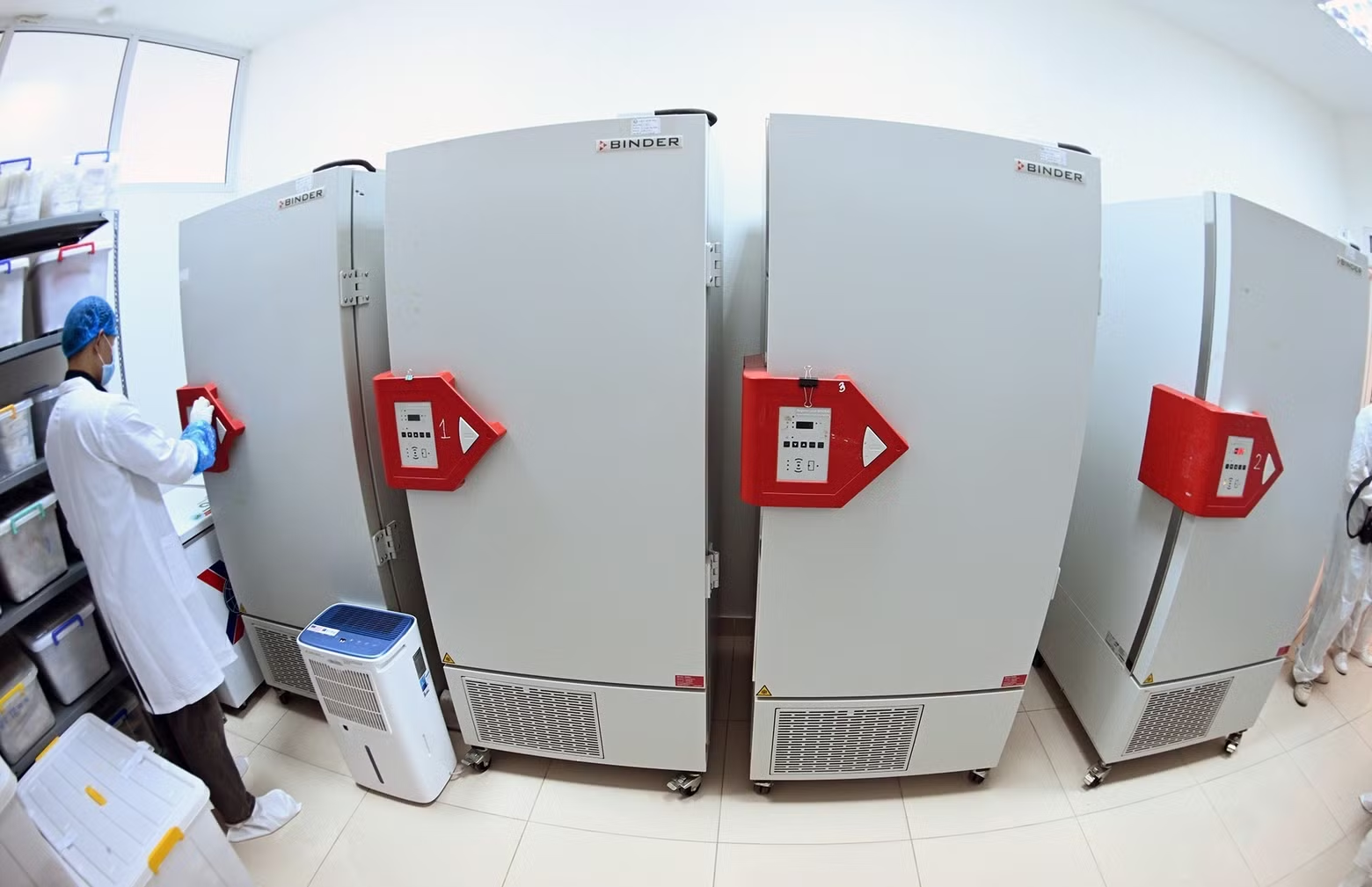
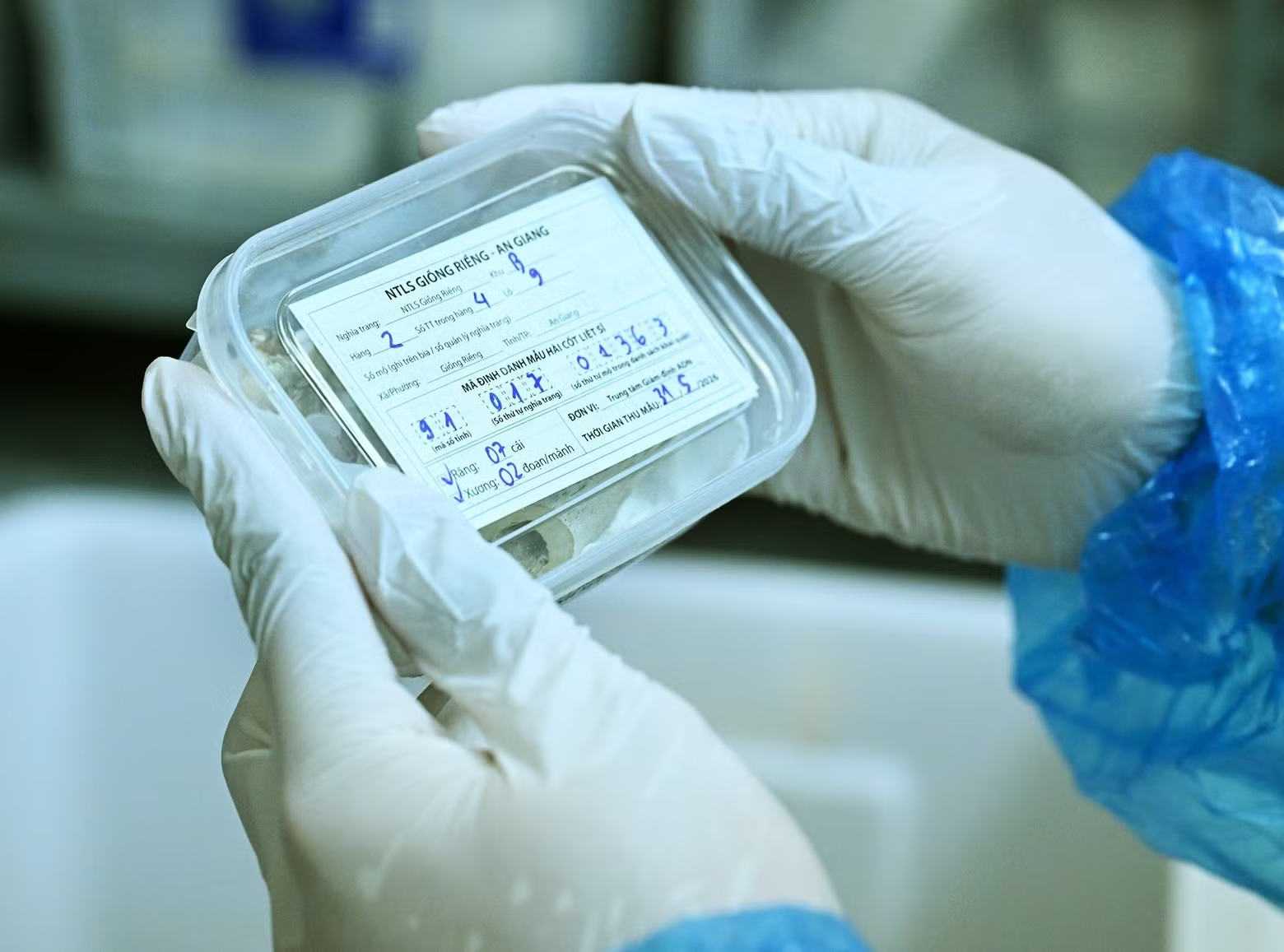
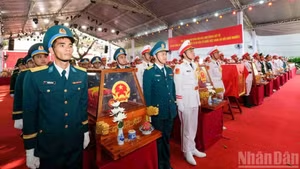
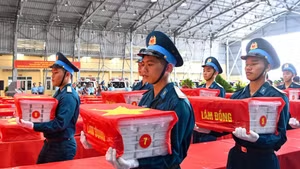
Welcoming fallen soldiers home.Functional authorities take samples from recovered remains for DNA testing at a ceremony honouring fallen soldiers held at Nghi Loc Cemetery, Nghe An Province.The Centre for DNA Identification under the Institute of Biology (Viet Nam Academy of Science and Technology) is one of five units tasked with analysing remains in the 500‑day campaign, using NGS‑SNP technology combined with next‑generation genome sequencing.More than 10,000 samples of martyrs’ remains, recovered from cemeteries across the country, are stored and preserved in deep‑freeze units down to −80°C.Each sample of remains is assigned an identification code.
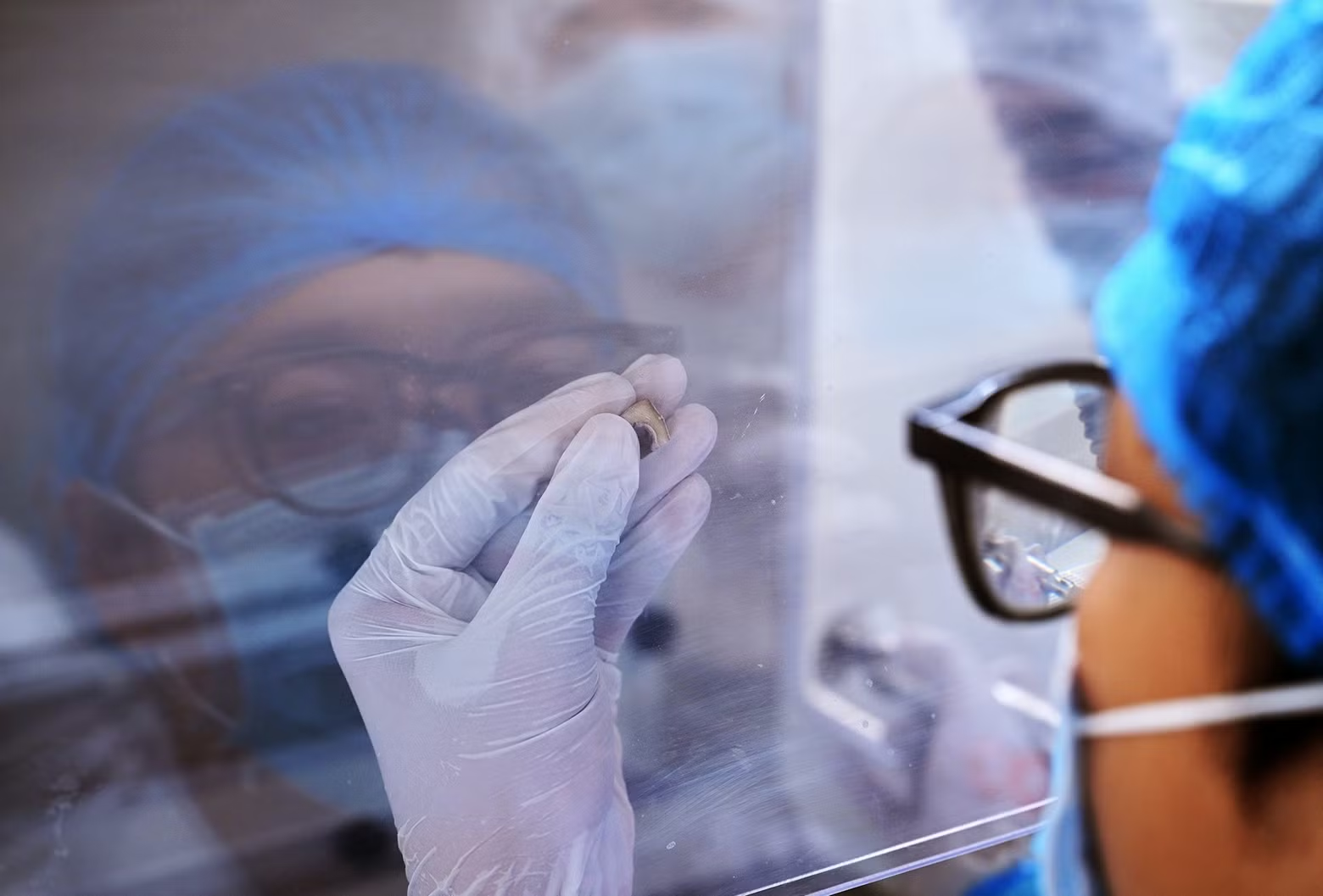
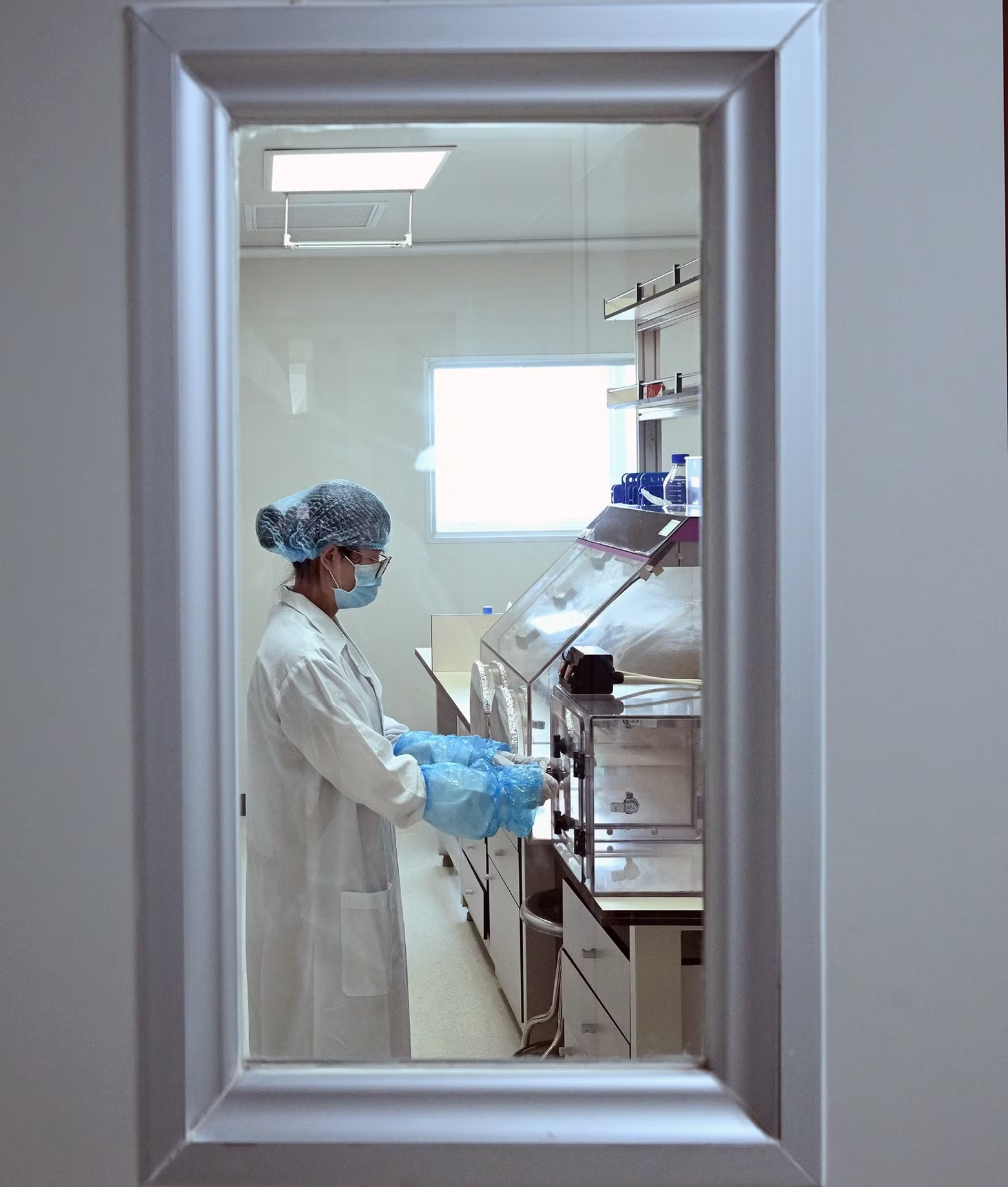
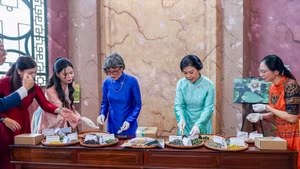
After decades, bone samples may be calcified or contaminated by soil and bacteria, so the outer layer must be entirely abraded to extract only the cleanest bone core before DNA extraction.Once pre‑treated, bone fragments are ground to a fine powder in a specialised metal mortar, preparing them for DNA extraction.All members of the quality‑control team must work in sterile cleanrooms to avoid contaminating the bone samples.DNA extraction is the most crucial step in the six‑stage process, because only when a sufficient quantity of pure DNA is obtained from bone fragments and remaining contaminants can identification proceed.Specialists place the samples into sequencing machines for reading and analysis before transferring the data to the integrated data management system (IDMS) to store and automatically match tens of thousands of genetic records.
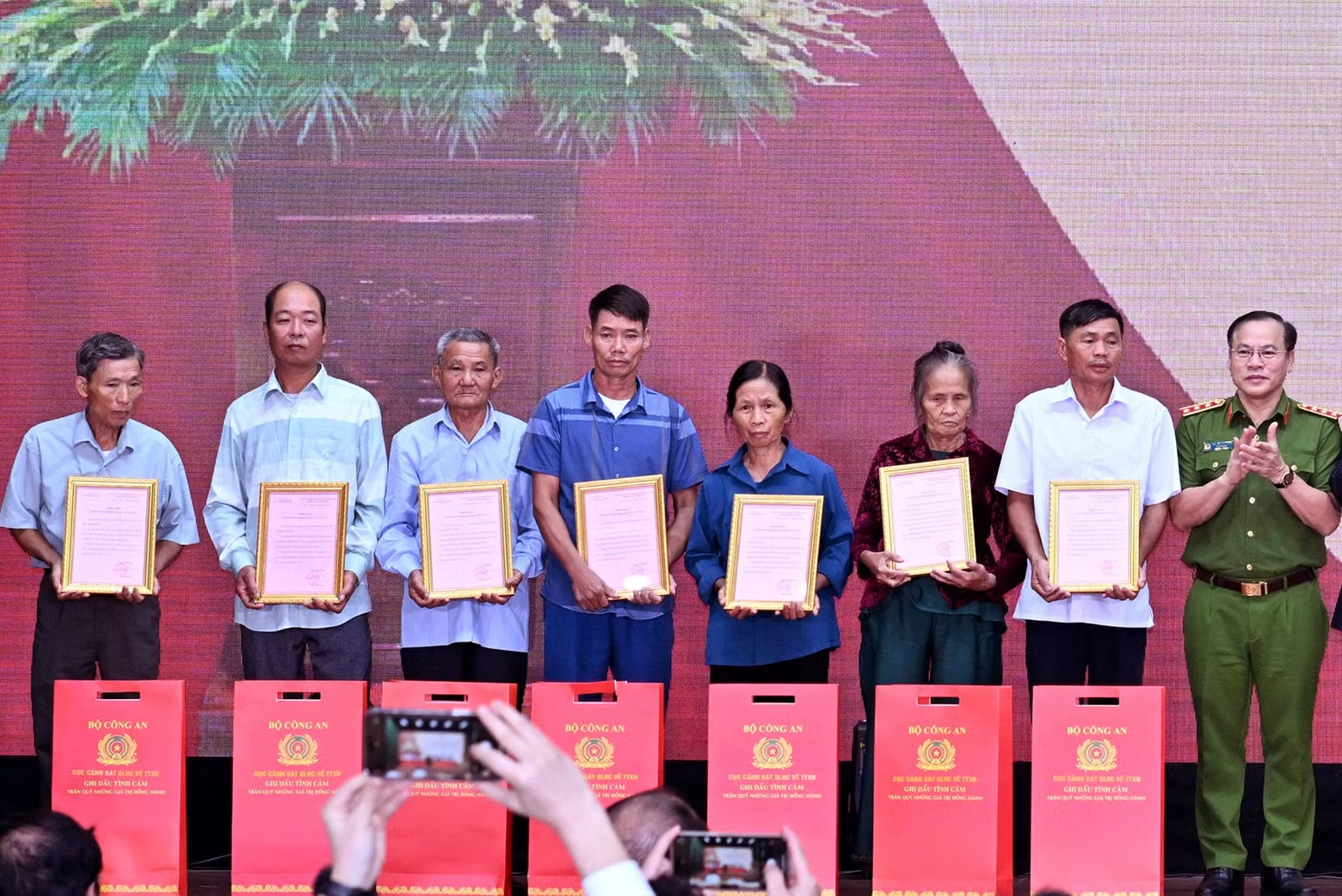
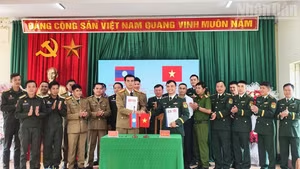
Representatives of the Ministry of Public Security present notices of DNA test results to relatives of martyrs.The 500‑day campaign is the largest‑scale effort to date in recovering and repatriating martyrs’ remains, galvanising the participation of the whole political system, the armed forces, scientists and large numbers of citizens.
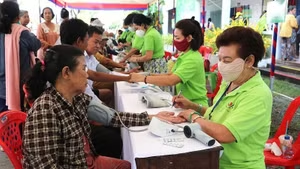
On the afternoon of October 19, in Ha Noi, the State Bank of Viet Nam and the Viet Nam Women's Union held a signing ceremony for their Coordination Programme for the 2026-2030 period and marked Viet Nam Women's Day (October 20).