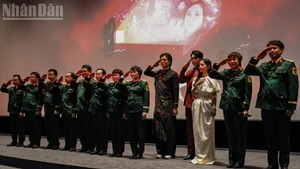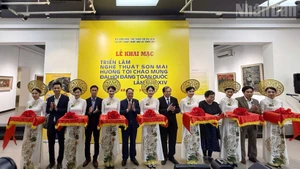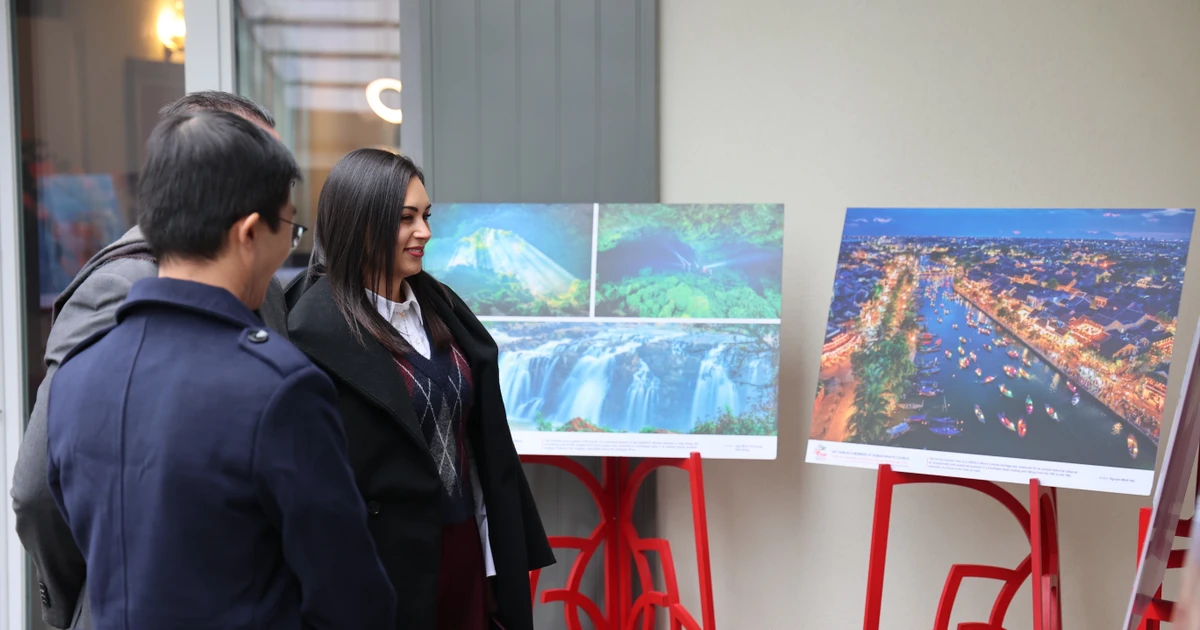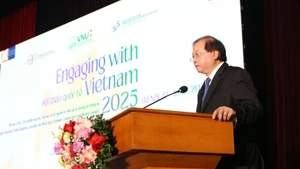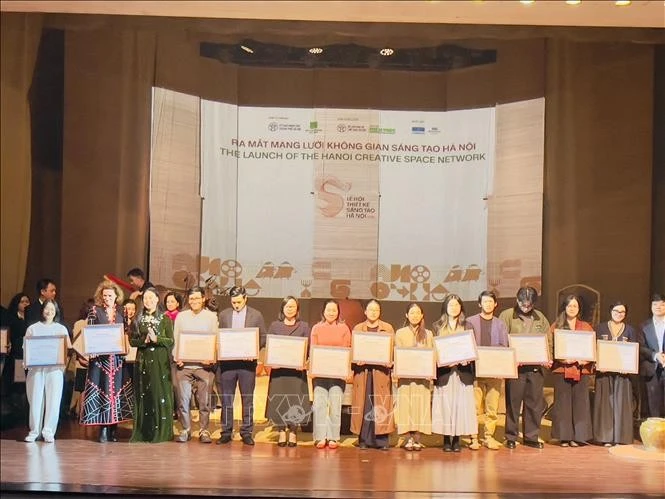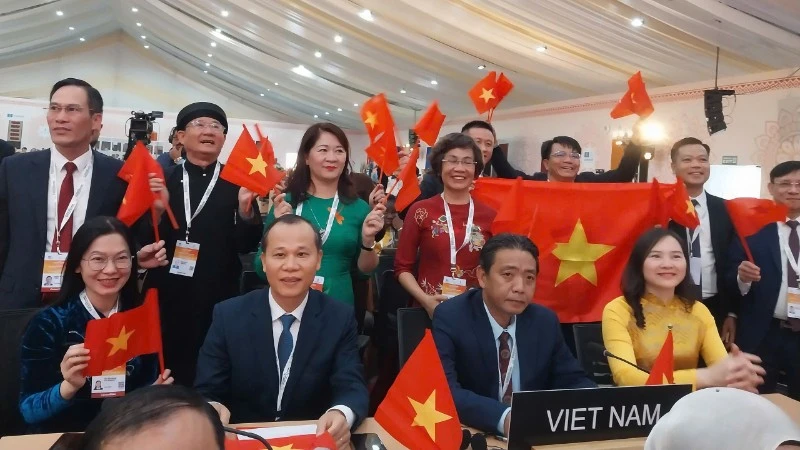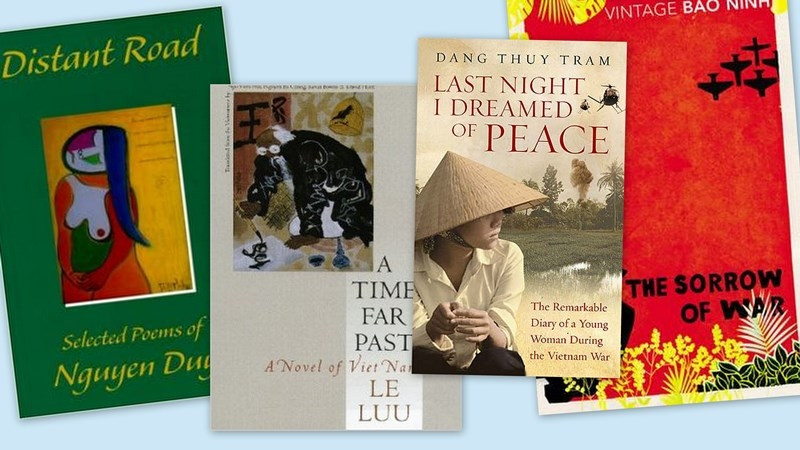
The conference saw the attendance of important figures in world literature such as Egyptian writer Mohamed Salmawy, Secretary General of the Afro-Asian Writers Association, among others. Some countries were sending their representatives for the first time such as Cuba, Colombia and Albania while China sent a delegation of three writers, demonstrating the interest from the world community in Vietnamese culture.
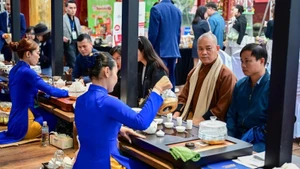
During the six-day meeting, many contemporary literary issues and global challenges facing the world were discussed and analysed. All participants agreed on one matter: literature or any art form, first and foremost, must be created for the sake of humanity, and must arouse human conscience and connect peoples for a peaceful, conciliatory and co-operative world. Many books were exchanged between writers. International “cultural ambassadors” came to Vietnam, explored famous scenic sites and enjoyed “specialities” of Vietnamese culture. Vietnam appeared to do well in introducing the country and its people. However, what the public and literary circles are waiting for are concrete results from this conference.
In the world’s publishing industry, translators, however important, are only those who work on order while publishers are those who decide what to print. This year’s conference saw the attendance of many famous writers, poets and translators but saw no presence of the world’s leading publishers. Even when publishers in Vietnam want to contact their international peers, they do not know how and who to ask. Vietnam has spent a great deal of time and expenses to welcome international writers who certainly have their own goals, not only to read several poems on the stage.
From the last conference, the organisers are yet to summarise how many Vietnamese titles have been translated as a result of the conference. And because there is no data, we cannot make any analysis or assessments to formulate an effective strategy to promote Vietnamese literature to the world.
The recurrent questions asked by foreign participants are usually “Which books have been published recently?” and “Are there any notable works recently?” but there seems to be no satisfying answer. The introduction of Vietnamese literature at the conference was not very detailed. It was mainly about the history and writing viewpoints while lacking in information about specific works about contemporary life. The majority of Vietnamese participants were senior writers while there was virtually no presence of young writers.
As Chinese translator Zhu Yangxu put it, culture is the name card of a country, and literature is an effective and low-cost tool to promote a country. Introducing Vietnamese literature to the world is not only the task of writers, but also requires special consideration from the State in collaboration with relevant agencies. Otherwise, the ability to promote Vietnamese literature will be very limited.