The Resolution further emphasised that the effectiveness of activities in the realms of economy, socio-cultural affairs, national defense, security, foreign relations, and social welfare policies serves as a direct means to enhance the efficacy of ideological work.
This indicates that strengthening public trust cannot be achieved solely through propaganda and persuasion; it must be grounded in the capacity to address the challenges facing the nation, individual localities, communities, and every single citizen.
Given this perspective, strengthening the relationship between the Party and the people must, first and foremost, be demonstrated through the process of translating the Party’s guidelines and policies into reality.
Resolution No. 25 mandated that the concerns, aspirations, opinions, and legitimate proposals of the people must be captured, acknowledged, addressed, and responded to in a timely manner; furthermore, the outcomes of these actions must be made transparent.
This served both as a requirement for ideological work and as a call to innovate leadership and management methods—making them more grounded in practical reality, more proactive, and more accountable to the people.
Dr. Ngo Thi Lan Huong, Vice Dean of the Faculty of Political Education and Head of the Department of the Guidelines of the Vietnamese Revolution at Ha Noi National University of Education 2, asserted that the core principles of Resolution No. 25—placing the people at the centre, using public trust as a benchmark, and employing dialogue, persuasion, and the resolution of practical issues as primary methods—remain the guiding tenets throughout the document.
However, in the current context, the approach to implementation must evolve. A segment of the population—particularly the youth—often encounters information regarding policies and guidelines via social media before encountering it through official channels.
Consequently, ideological work can no longer be limited to merely disseminating information for public awareness; it must shift decisively toward listening to understand the people, engaging in dialogue to build consensus, and taking action to sustain public trust.
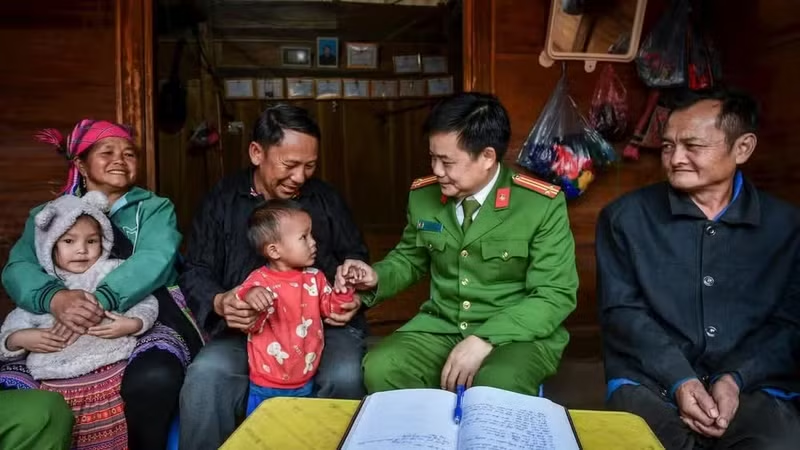
This reality requires Party committees and local authorities to begin by addressing the specific issues affecting the lives of the people. Being “close to the people” means proactively reaching out to them, grasping their thoughts and aspirations at the grassroots level, and identifying and resolving potential issues at an early stage.
Equally important is accountability—ensuring that citizens are informed about how their feedback has been received, why certain issues may not yet be resolved, and what the subsequent steps for addressing them will be.
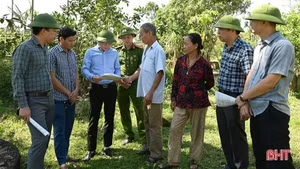
In Nghia Hung Commune, Nghe An Province, engaging in dialogue with the public has become an integral part of the Party committee’s leadership style and the local administration’s approach to governance. The heads of the Party committee and the local government hold regular sessions to meet with citizens.
The Standing Committee of the Party organisation conducted periodic briefings with the Fatherland Front, socio-political organisations, Party cell secretaries, village heads, and heads of the Fatherland Front working committees. Furthermore, officials and civil servants actively participate in Party cell meetings, village gatherings, and community activities to stay informed about the situation on the ground.
The consolidation of 31 villages and hamlets into 12 in Nghia Hung Commune clearly demonstrates the value of this approach. Residents initially expressed concerns regarding the renaming of their communities, the preservation of local history and cultural identity, the status of cultural institutions and customs, and the increased travel distances following the merger.
The direct presence of the Party committee leadership, combined with candid discussions about the long-term goals and benefits of the policy, helped Party members and the public alike to understand and support the initiative. Issues concerning infrastructure and cultural or sports facilities were discussed openly and resolved incrementally, in line with practical conditions, thereby fostering consensus among the local population.
In practice, it is evident that when citizens’ opinions are taken seriously, their concerns are thoroughly addressed, issues falling under official responsibility are resolved, and the outcomes are made public, people gain a clearer sense of their own role in the implementation of policies and guidelines.
Emphasising this, Dr. Ngo Thi Lan Huong argues that for the relationship between the Party and the people to become increasingly substantive and close-knit, the primary requirement is to innovate the methods of listening and responding. Trust cannot be built through messages alone; it must be cultivated through accountability, openness, transparency, and the tangible effectiveness of policies and guidelines in daily life.
This requirement is also articulated in Resolution No. 25, which stipulates that ideological work must be closely linked to everyday life, the legitimate interests of the people, and the practical issues they face.
When ideological foundations are reinforced by real-world outcomes, consensus moves beyond mere awareness—transforming into genuine trust and active participation by the public. In this way, the role of the people as the primary agents is upheld, establishing a solid foundation for an ever-stronger relationship between the Party and the people.