The challenge now is to transform the country’s abundant cultural resources into new productive capacity, greater competitiveness, and higher-quality growth.
As Viet Nam sets a double-digit growth target while seeking to renew its development model, the question is not simply how to achieve faster expansion, but also what resources that growth should draw on and what kind of society it should create.
Culture both generates growth and guides its direction
Whereas the previous growth model relied heavily on capital, labour, natural resources, and economies of scale, the new development model must increasingly be driven by productivity, knowledge, science and technology, innovation, data, intellectual property, and the quality of human resources. Against this backdrop, culture must be recognised as a development resource in the fullest sense.
First and foremost, culture provides the “software” of development. An economy may have capital, technology, and infrastructure, but without social trust, a spirit of co-operation, professional ethics, respect for the rule of law, aspirations for progress, and creative capacity, material resources are difficult to convert into sustainable results. Cultural resources therefore extend beyond heritage, festivals, and the arts. They are also reflected in how society works, honours commitments, respects standards, encourages talent, and nurtures the desire to contribute.
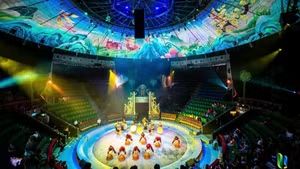
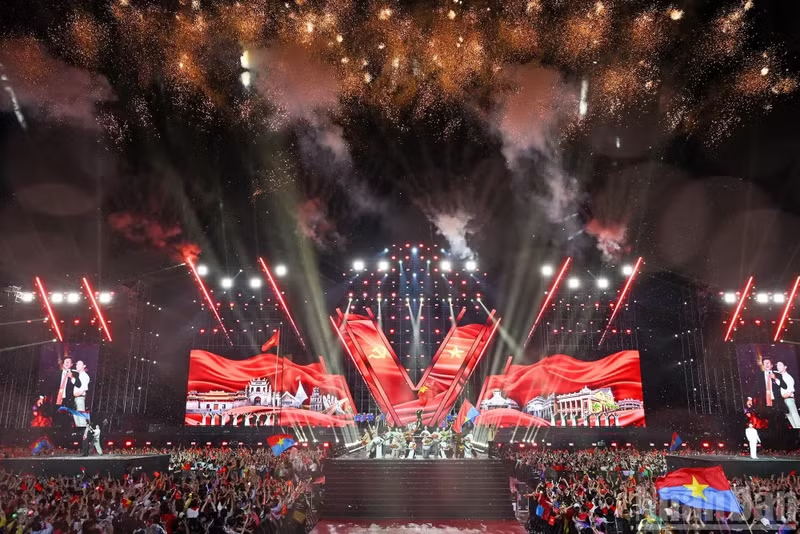
Culture is increasingly becoming a direct economic resource. Film, music, performing arts, design, fashion, advertising, video games, publishing, handicrafts, digital content, and cultural tourism can all generate revenue, employment, exports, and intellectual property. A heritage site or cultural symbol, when creatively developed, protected, and effectively marketed, can yield economic value across multiple stages, from content and design to tourism and digital products.
At another level, culture is increasingly becoming a direct economic resource. Film, music, performing arts, design, fashion, advertising, video games, publishing, handicrafts, digital content, and cultural tourism can all generate revenue, employment, exports, and intellectual property. A heritage site or cultural symbol, when creatively developed, protected, and effectively marketed, can yield economic value across multiple stages, from content and design to tourism and digital products.
At the second meeting of the Central Steering Committee for Vietnamese Cultural Development on July 13, 2026, General Secretary and State President To Lam called for “the development of cultural industries as a new driver of growth, transforming cultural strength into national competitiveness.” He also urged a shift from viewing culture as one sector of development to recognising it as a pillar of development; from traditional cultural spaces to both physical and digital spaces; and from a primary focus on preservation to a close integration of preservation and creativity.
This does not mean simply subordinating culture to commercial interests. Double-digit growth can only be fully meaningful when accompanied by a better quality of life, a healthier social environment, stronger creative capacity, and a more firmly consolidated national identity. Culture can both generate growth and guide its direction.
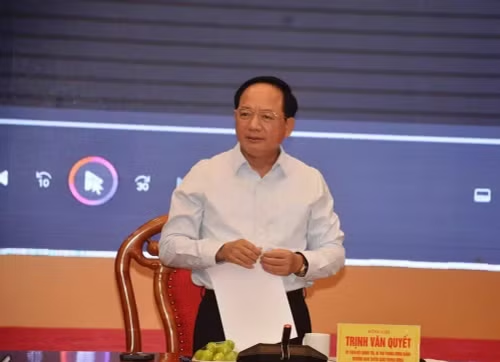
A meeting chaired by Head of the Party Central Committee's Commission for Publicity Trinh Van Quyet on the afternoon of September 17, 2026, to discuss how culture could contribute to economic growth raised a very specific question: rather than asking only how much the State invests in culture, it is necessary to determine how much value culture generates for the economy and society. Trinh Van Quyet stressed: “The Party has moved from affirming culture’s position to assigning targets to culture.” Once targets have been set, there must be roadmaps, products, resources, implementing bodies, and accountability mechanisms.
The latest figures presented at the meeting suggest that cultural industries currently contribute an estimated 5% of GDP, with annual growth of around 7–8%. Six sectors — film, performing arts, video games, cultural tourism, advertising, and handicrafts — account for more than 70% of cultural industry revenue. Politburo Resolution No. 80-NQ/TW, dated January 7, 2026, on Vietnamese cultural development, sets a target for cultural industries to contribute around 7% of GDP by 2030 and approximately 9% by 2045. However, there is not yet a sufficiently comprehensive database or a consistent statistical methodology to determine their current contribution with precision. Without reliable measurement, it is difficult to set the right priorities, allocate resources effectively, and assess policy outcomes.
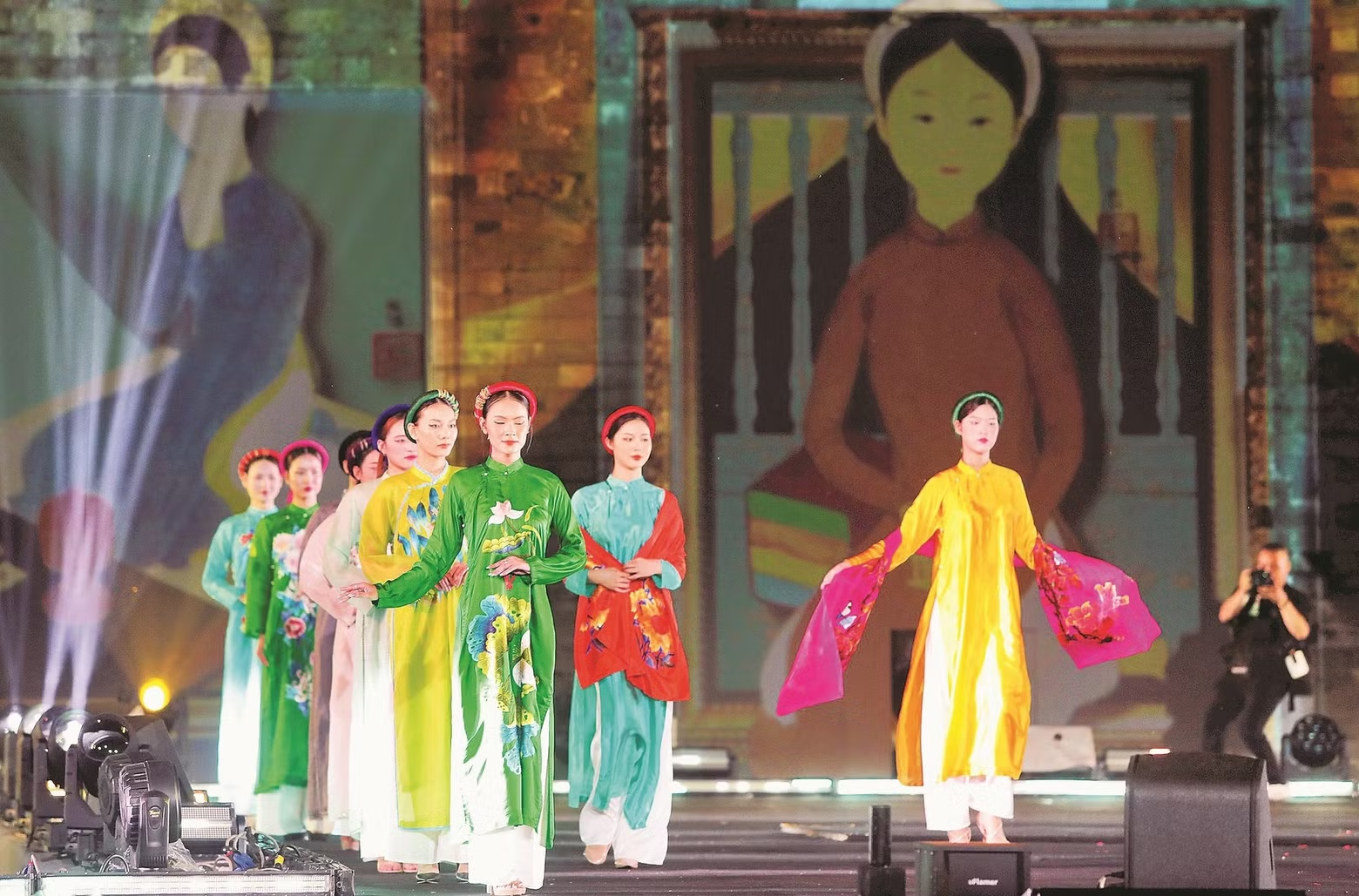
The pool of resources available to generate new value is enormous. Figures released at the Central Steering Committee for Vietnamese Cultural Development meeting in July 2026 show that Viet Nam has more than 40,000 historical and cultural relics and scenic sites, as well as nearly 70,000 examples of intangible cultural heritage, including 38 inscribed by UNESCO. Yet socio-economic value does not automatically arise simply because the country possesses abundant heritage. The greatest challenge lies in the capacity to transform it: turning heritage into data and knowledge, stories into content, cultural materials into intellectual property, creativity into products, and products into brands and markets.
Tourism provides a clear example of this multiplier effect. In the first eight months of 2026, Viet Nam welcomed 15.9 million international visitors, up 14.4% year on year, while revenue from travel and tourism services reached approximately 68.7 trillion VND, an increase of 17.1%. Behind a destination’s appeal lie not only hotels, transport and services, but also its heritage, cuisine, festivals, architecture, way of life, arts, and community stories.
The same logic applies to the digital economy. A musical work, animated character, game, design, or folk tale that is digitised and developed into intellectual property can reach global markets rapidly. Cultural digital transformation should therefore go beyond scanning, photographing, and storing materials. Cultural data must be standardised, connected, and reusable, serving education, research, tourism, cultural industries, and artificial intelligence. When data are organised into knowledge and that knowledge is protected as an asset, culture can become more deeply embedded in the value chains of the new development model.
The key is to identify the right competitive advantages rather than spread resources too thinly. Not every locality needs the same model, and not every sector should receive equal priority. Policy should be shaped by specific strengths, markets, businesses, and products. Only then can cultural resources become genuine development assets rather than remain untapped potential.
Building an ecosystem to make culture a new productive force
For culture to become a genuine resource within the new development model, the primary requirement is an ecosystem capable of converting cultural value into tangible outcomes. This ecosystem must connect institutions, data, finance, technology, human resources, businesses, markets, and creative communities. The State should not replace the market; rather, its more important role is to establish the rules, protect rights, invest in foundational infrastructure, create space for creativity, and ensure fair competition.
First, a comprehensive statistical system for culture, cultural industries, and the creative economy must be developed as soon as possible. GDP and gross regional domestic product (GRDP) capture only part of the picture. Measurement should also cover revenue, value added, employment, income, exports, budget contributions, copyright, intellectual property, and spillover effects on tourism, trade, urban development, education, and technology. For values that cannot be directly expressed in monetary terms, indicators are needed to assess participation, accessibility, creative capacity, and the reach of Vietnamese cultural values. Better measurement is not intended to reduce culture to numbers, but to provide a clearer understanding of its value.
Second, institutional reform must achieve a breakthrough so that cultural and creative assets can be identified, protected, valued, traded, and monetised. When a film script, musical composition, design, dataset, game, or cultural symbol becomes a genuine intellectual property asset, creators have greater incentives to invest over the long term, businesses have a sounder basis for raising capital, and markets can develop sustainable value chains. Copyright legislation and regulations governing artistic activities, cultural industries, data, and digital platforms must therefore be approached within a coherent development framework.
Third, the way culture is funded needs to change. Public investment should focus on infrastructure that the market is unlikely to provide on its own, including national cultural databases, the preservation of core heritage, public cultural institutions, workforce training, digital infrastructure, creative spaces, and flagship products that can lead the way. At the same time, business and wider societal participation should be expanded through public-private partnerships, investment funds, sponsorship, tax incentives, credit facilities, and transparent models for leveraging public assets.
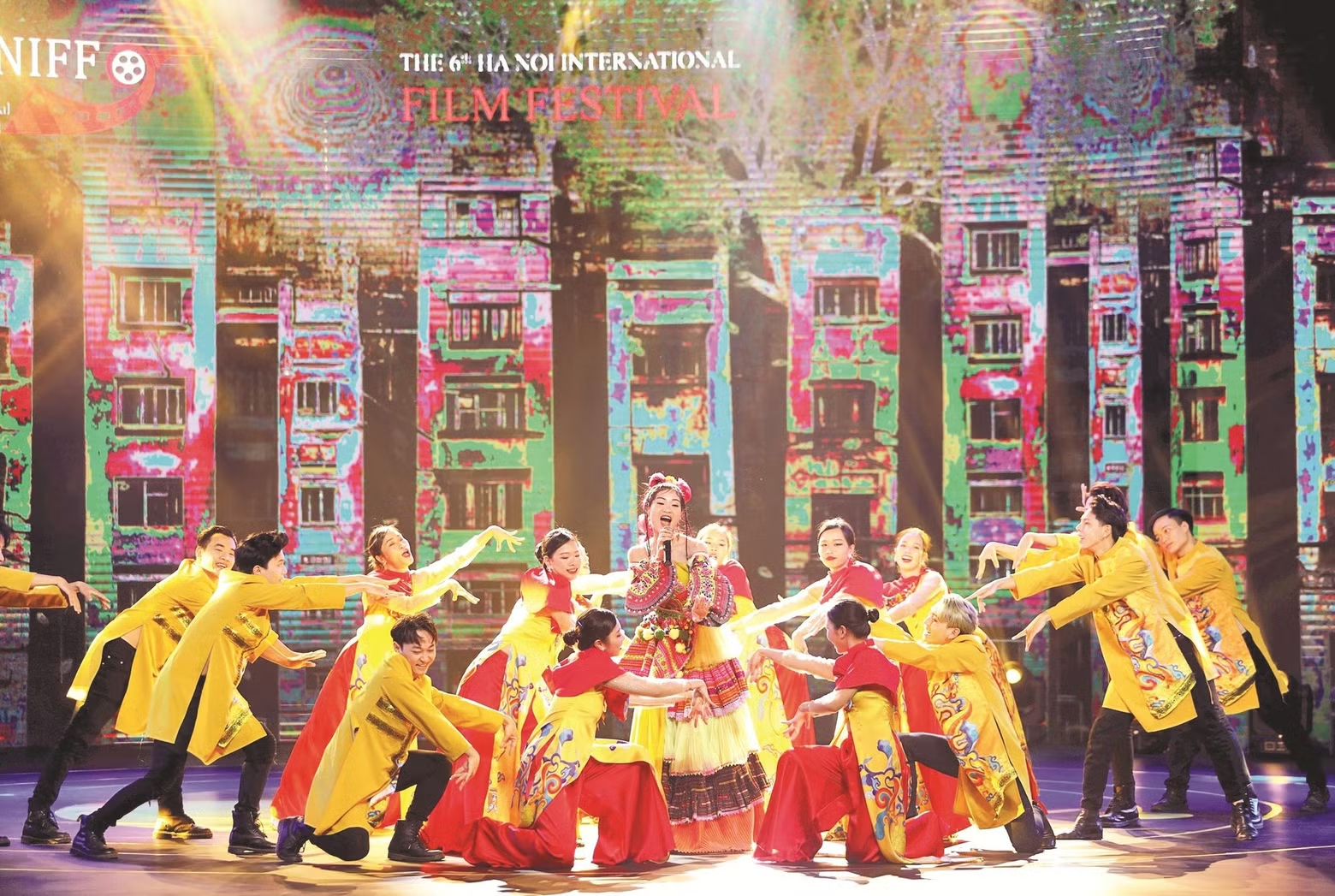
Fourth, businesses and creators must be placed at the centre of development. They are the ones who turn ideas into products, products into markets, and markets into value. Viet Nam needs cultural enterprises large enough to organise value chains and technology companies strong enough to build distribution platforms. It also needs an ecosystem that supports studios, creative groups, artists, designers, independent producers, and start-ups, alongside policies to identify, train, reward, and attract creative talent.
Finally, developing the economy through culture must always go hand in hand with protecting cultural values. Commercialisation at any cost can deplete resources, distort heritage, or reduce communities to mere backdrops for business. The new development model must follow different principles: economic value must be reinvested in sustaining cultural value; communities that own and safeguard heritage must benefit from it; creativity must be accompanied by responsibility; markets must operate within clear standards; and growth must enrich, rather than erode, national identity.
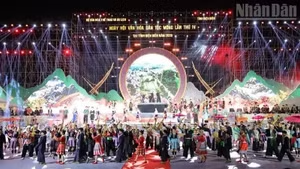
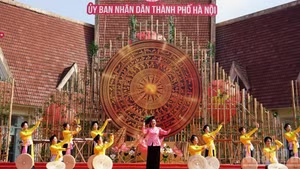
The meeting on September 17 highlighted an increasingly clear imperative: the time has come to move the discussion of culture from awareness to implementation. Much has been said about its potential; now the focus must shift to products, revenue, jobs, intellectual property, brands, wider impact, and tangible improvements in people’s lives. Heritage is more than memory, an artistic work is more than an act of expression, and a festival is more than an event. All can become creative resources for the future.
Culture, therefore, must not be treated as an afterthought brought in to “decorate” development once growth has already been achieved. It must be integral from the outset to how goals are chosen, policies designed, markets organised, and people developed. When these resources are unlocked through enabling institutions, modern technology, dynamic markets, and people driven by ambition, culture will not only contribute to double-digit growth but also help shape a Vietnamese development model that is faster, more sustainable, and richer in national identity.