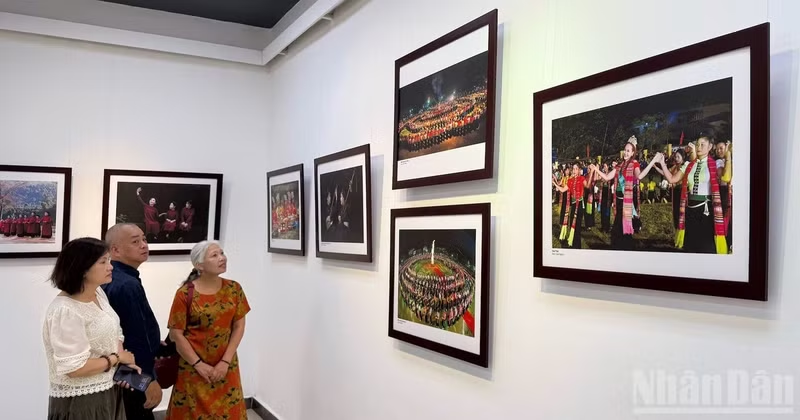
The exhibition is held under the direction of the Ministry of Culture, Sports and Tourism and organised by the Department of Fine Arts, Photography and Exhibition. Building on the results of an earlier exhibition, it also features updated images of Vietnamese heritage sites inscribed by UNESCO.
Speaking at the opening ceremony, Ta Quang Dong, Deputy Minister of Culture, Sports and Tourism, emphasised that the exhibition is a meaningful cultural and artistic event that pays tribute to the value of the nation's heritage and affirmed the role of photography in preserving, promoting and showcasing Viet Nam's heritage.
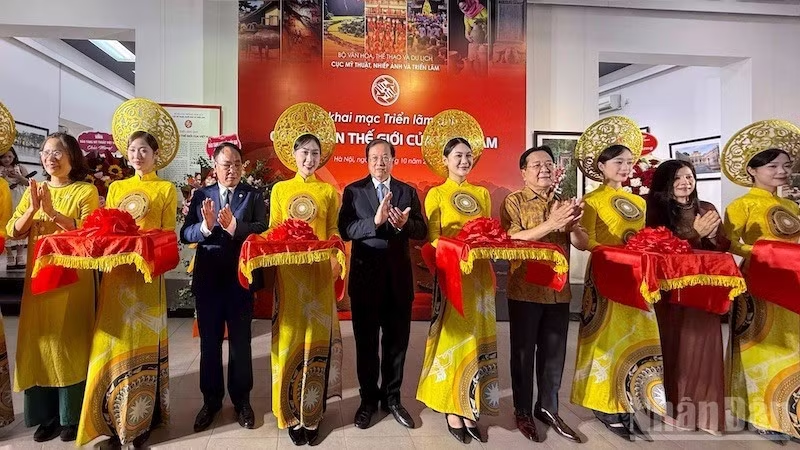
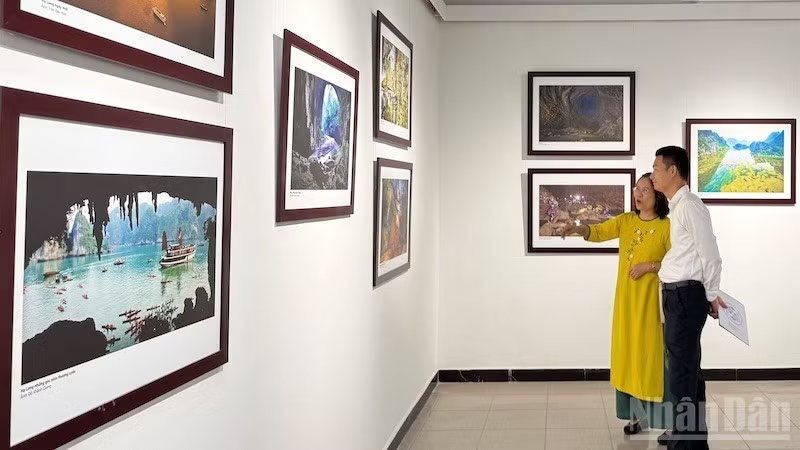
The exhibition entitled “Viet Nam’s World Heritage Sites” features 100 works covering 30 heritage sites across several categories: world cultural heritage; world natural heritage; mixed world cultural and natural heritage; representative list of the intangible cultural heritage of humanity; intangible cultural heritage in need of urgent safeguarding; and the memory of the world register, alongside oral and intangible heritage recognised by UNESCO.
The works on display offer the public vivid perspectives on the beauty of the country and its people as well as the depth of Vietnamese culture. Featured sites range from the Complex of Hue Monuments, Hoi An Ancient Town, My Son Sanctuary, Ha Long Bay, Phong Nha–Ke Bang National Park, Trang An Landscape Complex, the Imperial Citadel of Thang Long, the Ho Citadel, and the Yen Tu-Vinh Nghiem-Con Son, Kiep Bac Complex of Monuments and Landscapes.
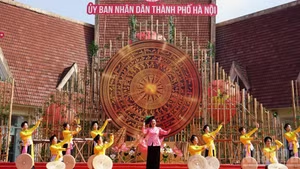
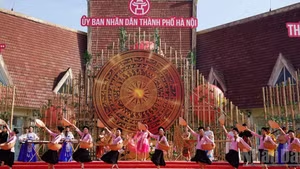
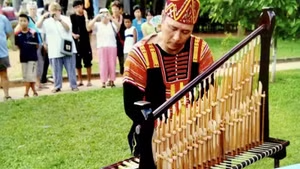
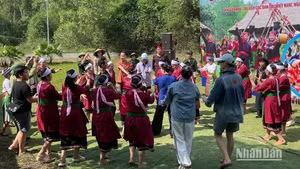
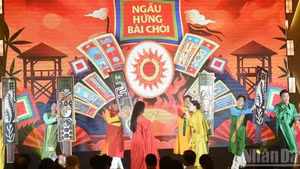
The exhibition also showcases intangible cultural heritage, including Hue royal court music, the gong culture space in the Central Highlands, Quan Ho (love duet singing), Xoan singing, Southern Don Ca Tai Tu (traditional musical art form of the south), Central Vietnamese Bai Choi singing, Then practices, and the art of Xoe Thai dance. These traditions reflect the diversity of the spiritual life, beliefs, and artistic expression of different communities.
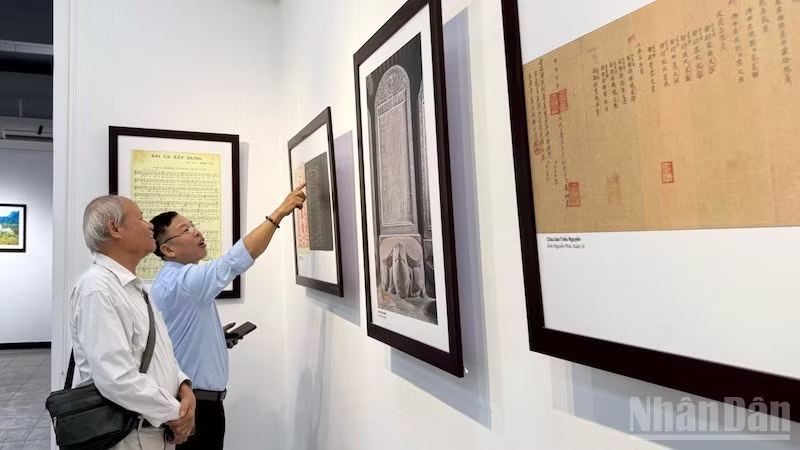
The exhibition also features photographs of intangible cultural heritage in need of urgent safeguarding, such as Ca Tru (ceremonial singing), the art of Cham pottery-making, and Dong Ho folk painting. Documentary heritage on display includes the woodblocks of the Nguyen Dynasty, the administrative records of the Nguyen Dynasty, the system of doctoral laureate stelae at the Temple of Literature (Van Mieu – Quoc Tu Giam), and the collection of composer Hoang Van. Together, these works help illuminate the nation's historical depth and cultural achievements.
Through this exhibition, the organisers seek to convey a message about the shared responsibility to preserve and promote heritage, raise public awareness, and foster greater appreciation of the invaluable treasures Viet Nam contributes to the world's cultural and natural heritage.
The organisers also aim to honour photographers, researchers, artists, and those directly involved in heritage preservation and promotion, while fostering stronger links between heritage conservation, cultural development, and the cultural and creative industries.
The exhibition is open to the public until November 3.