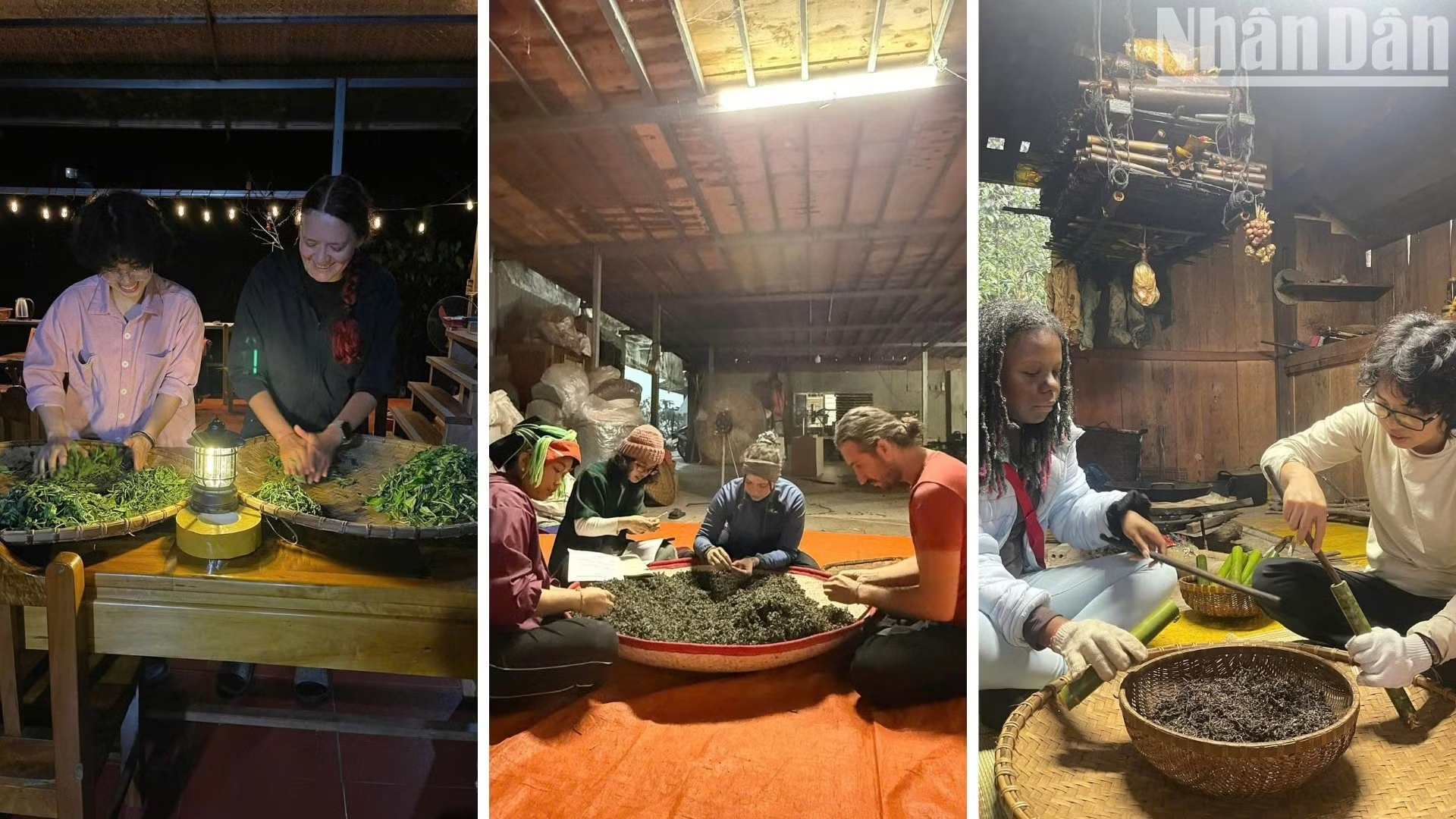
In Pictures: A visit to Cao Bo’s Shan Tuyet tea region to learn tea-making from the Dao

The ancient Shan Tuyet tea tree population in Lung Tao Village, Cao Bo Commune, Tuyen Quang Province, has been a livelihood closely associated with local residents for generations. Alongside the development of community-based tourism, young tourism operators in Lung Tao Village are incorporating the Dao people’s tea culture experiences into tours exploring Cao Bo.


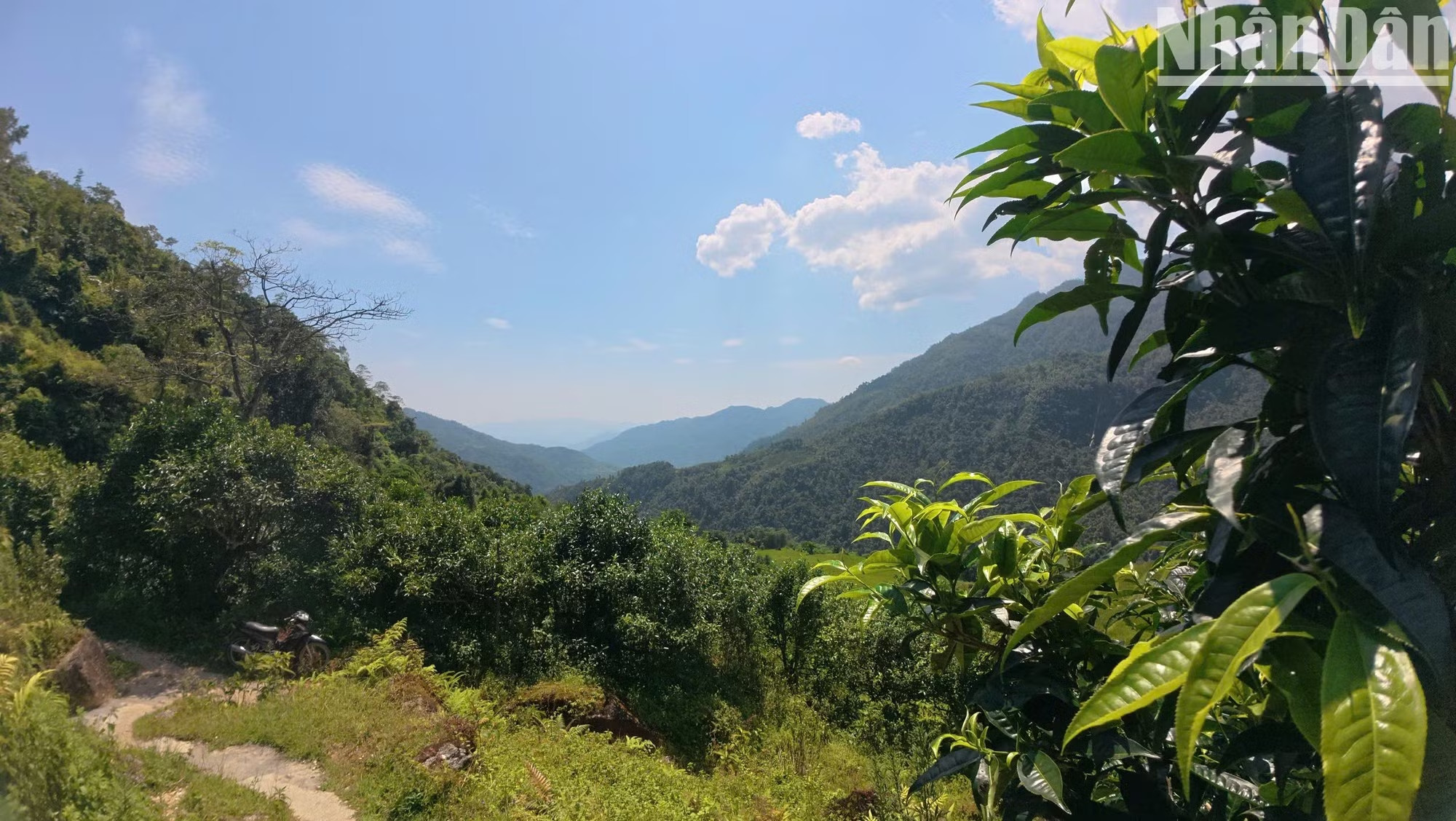
Located in the buffer zone of the Tay Con Linh Nature Reserve, Lung Tao Village (Cao Bo Commune, Tuyen Quang Province) appears like a pristine, peaceful and simple natural painting. Since 2009, Lung Tao Village has developed community-based tourism. Without noise or bustle, the village wins over visitors with the harmonious beauty of nature, its leisurely pace of life and, in particular, the cultural identity of the Dao people in traditional long tunics, preserved through generations.
Cao Bo Commune currently has more than 820 hectares of Shan Tuyet tea. In 2015, the Viet Nam Association for Conservation of Nature and Environment awarded Viet Nam Heritage Tree recognition to a population of 220 representative ancient Shan Tuyet tea trees from the Cao Bo tea region (before the administrative merger, it was part of Vi Xuyen District, Ha Giang Province). The recognition contributed to acknowledging the biological, cultural and historical value of the ancient tea tree population associated with the life of the Dao community in Cao Bo.
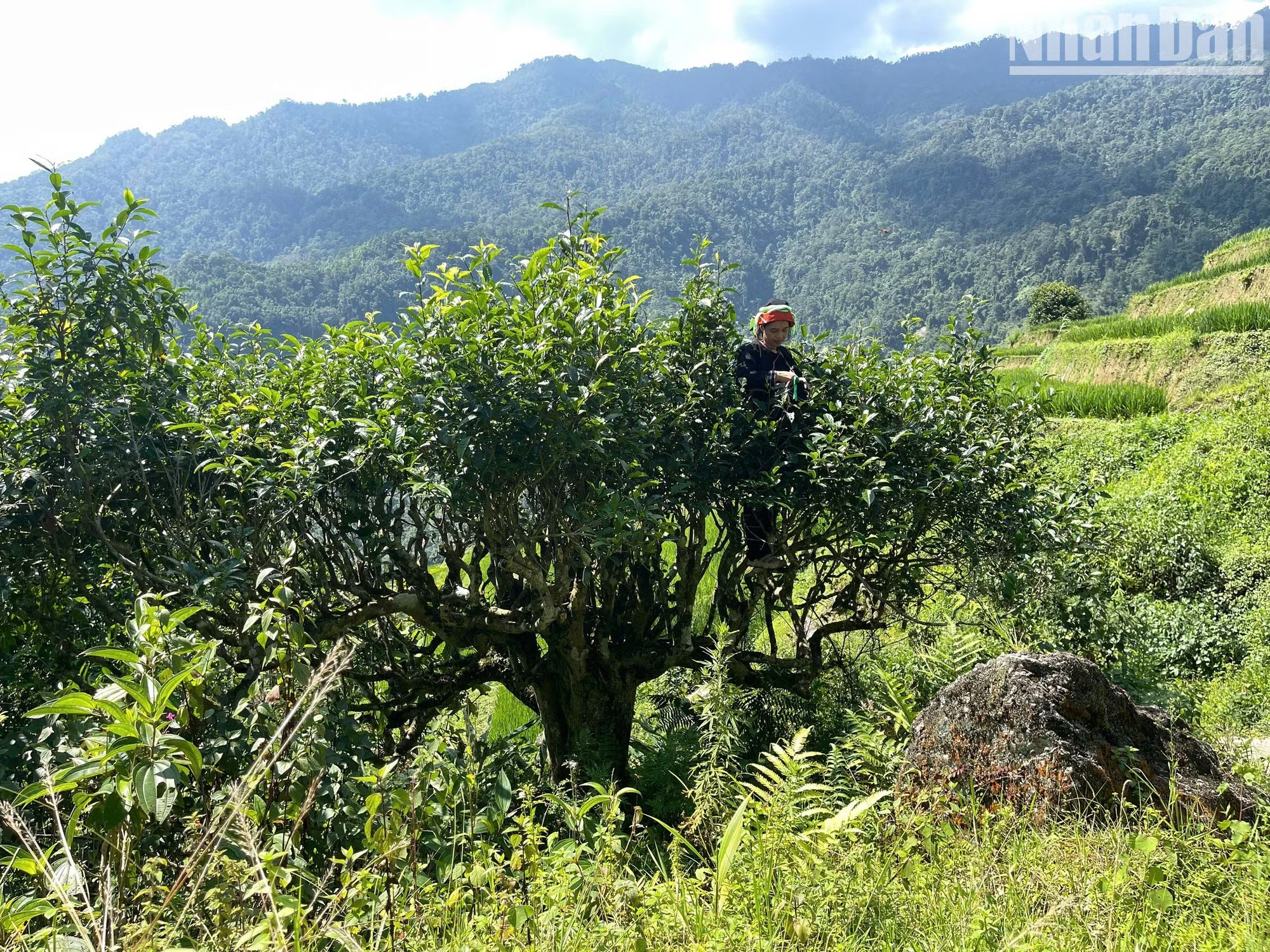
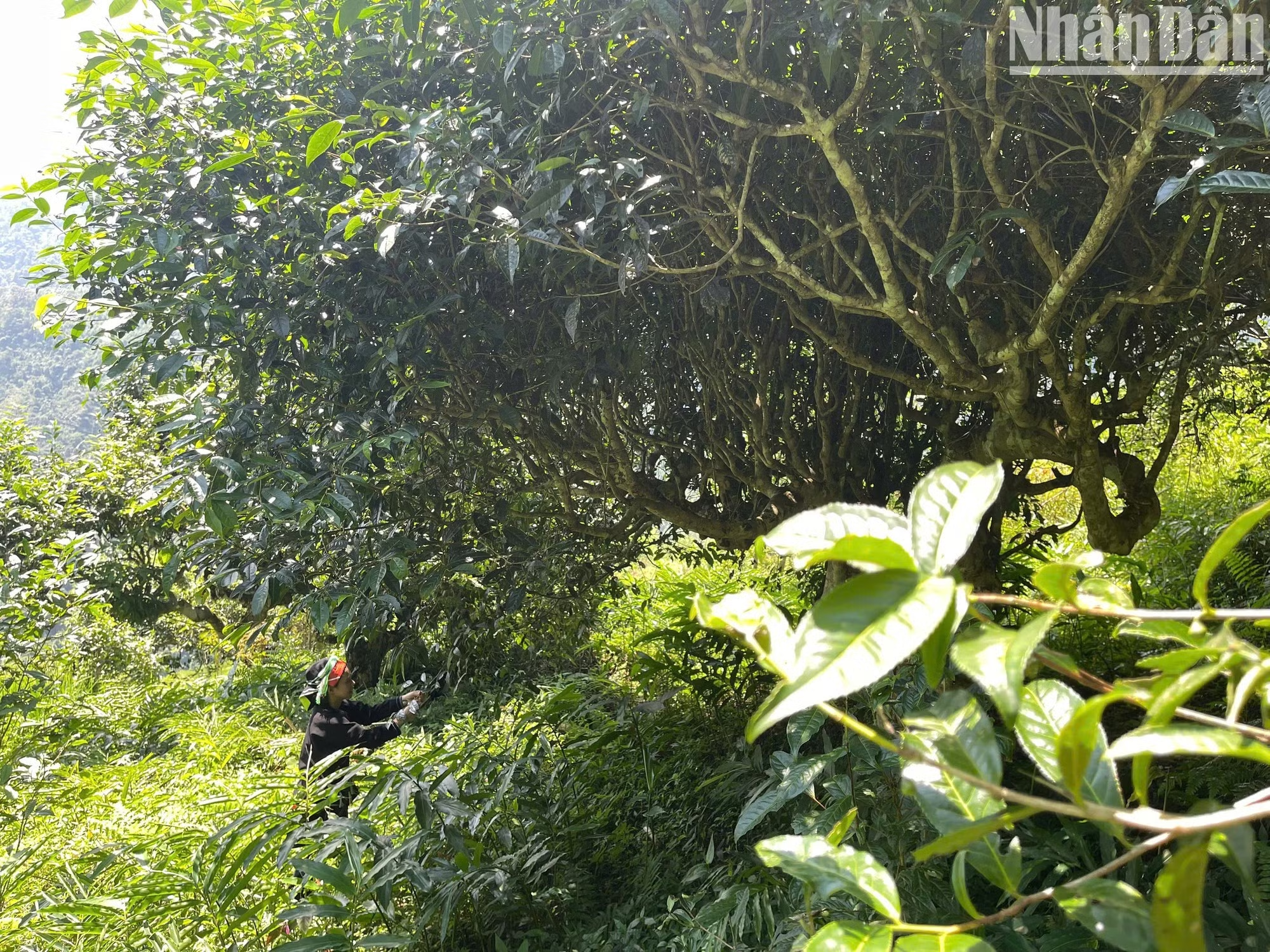
Shan Tuyet tea trees in Cao Bo grow at high altitudes, creating distinctive characteristics in terms of quality and flavour. Unlike the low tea bushes reaching waist height in the midland areas, Shan Tuyet tea trees here grow into large trunks, and local people have to climb onto the branches to pick each young tea bud.
Local people usually prioritise harvesting tea on sunny, dry days so that the tea buds achieve the best quality and flavour. They often have to set out at dawn, carrying lunch with them, and diligently pick tea buds with one bud and one leaf or one bud and two leaves so that they can bring them home in time for drying and pan-firing on the same day.
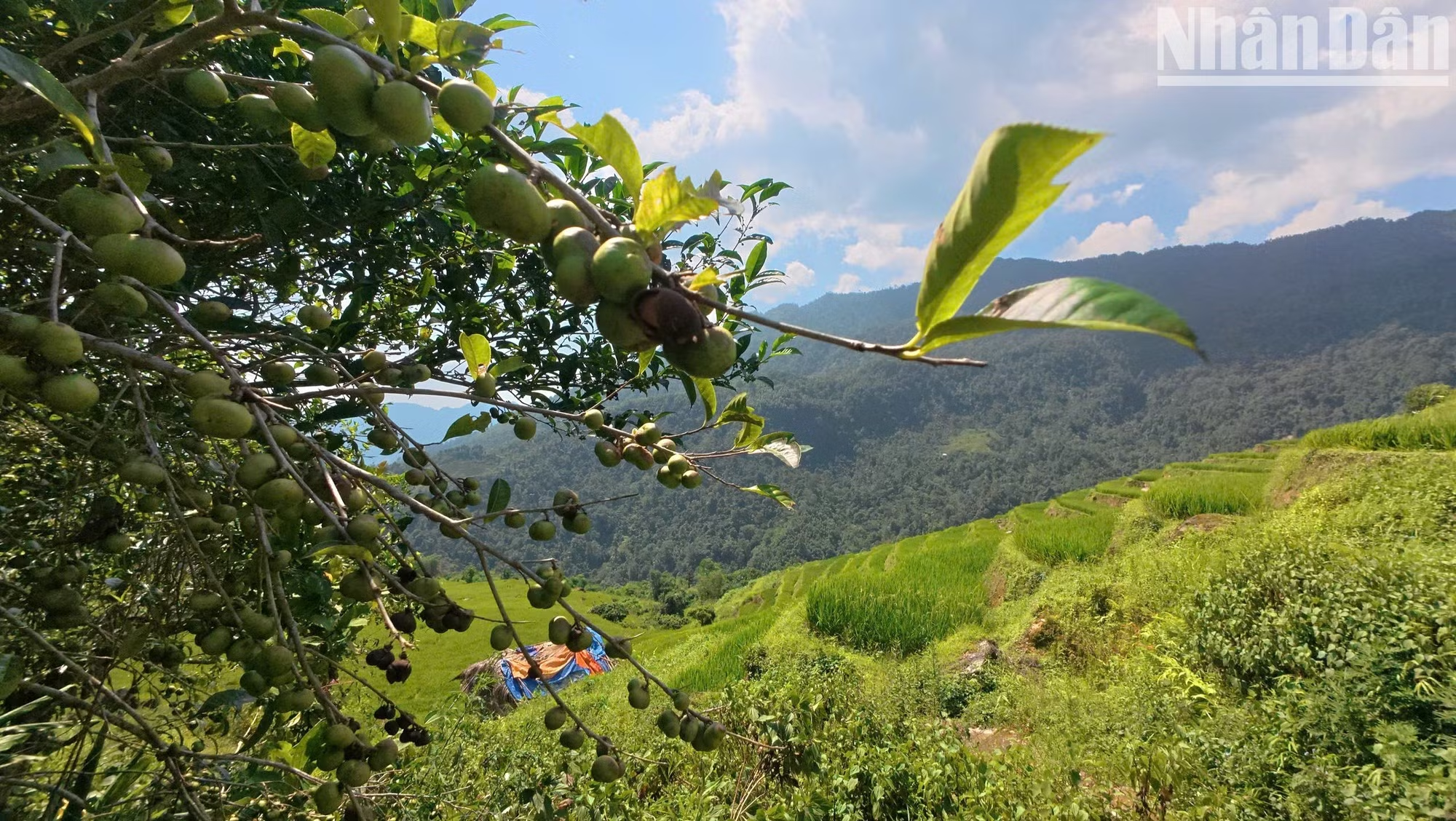
Ancient tea trees in Cao Bo are laden with fruit on their branches. When young, the fruit is green; when mature, it turns brown and splits open naturally, causing the seeds to scatter and grow into young trees.
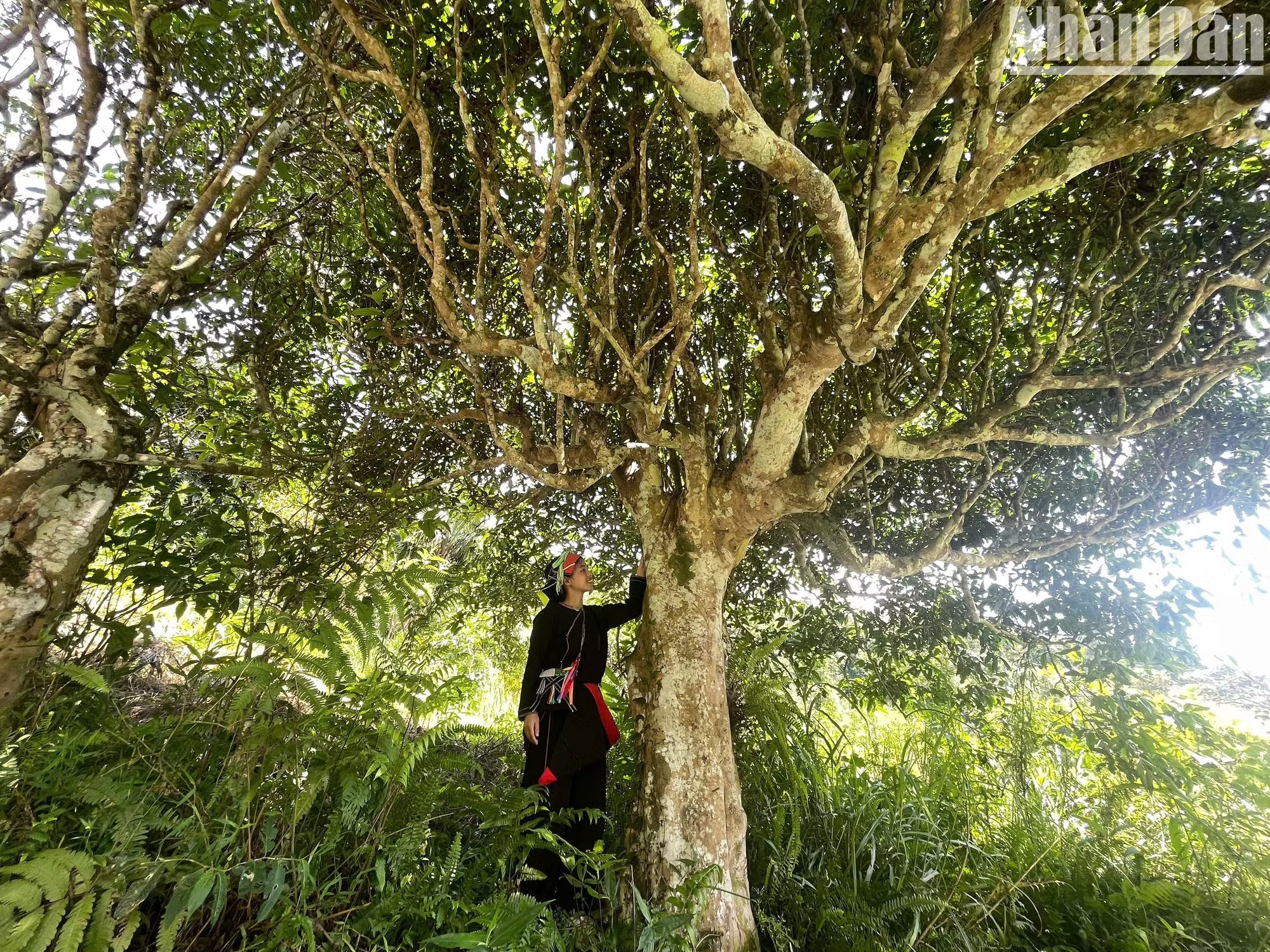
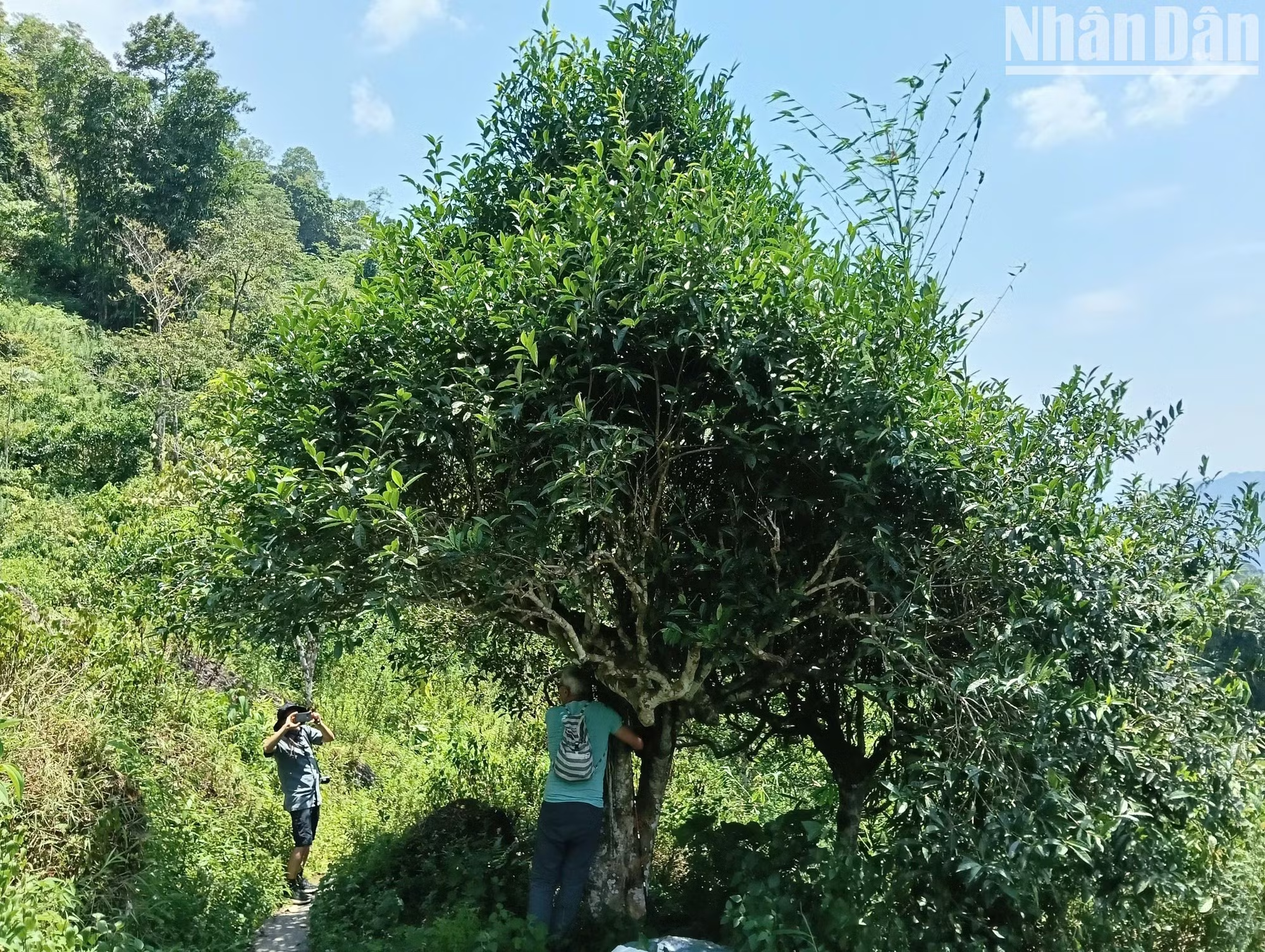
The moss-covered, rough trunks of ancient Shan Tuyet tea trees are so large in diameter that they cannot be embraced by one person.
More than 95 percent of the population of Cao Bo Commune are Dao ethnic people. The local Dao people have been closely attached to tea trees for generations, and the trees have provided local residents with employment and stable incomes.
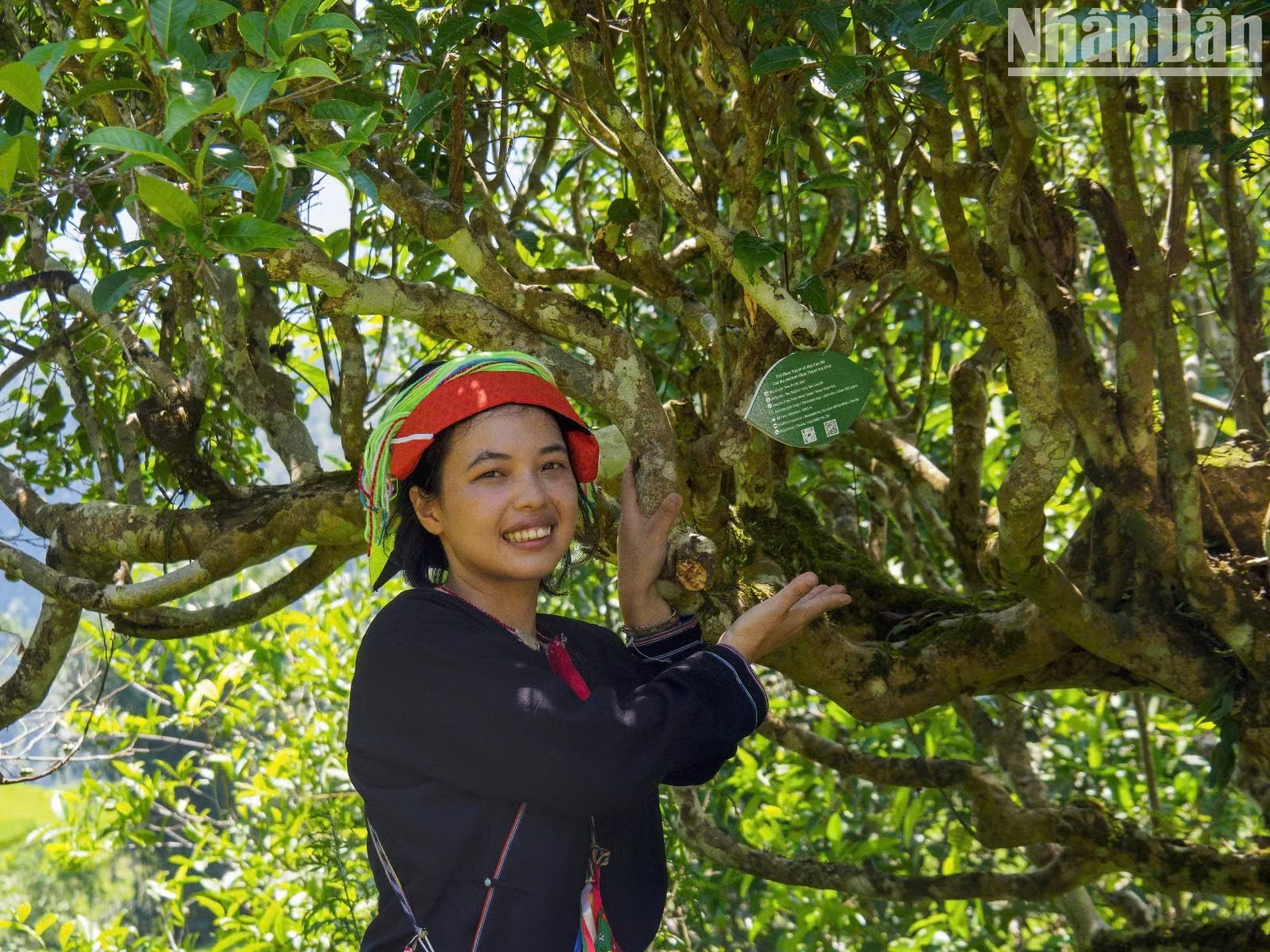
Chang Thi Bich, a young Dao woman in a traditional long tunic, was born and raised in Lung Tao Village, Cao Bo Commune. After graduating from a college of pharmacy and working for several years in the city, Bich took part in a capacity-building programme for young people in mountainous areas and decided to leave the city and return to her homeland to build her family’s artisanal tea brand in combination with community-based tourism.
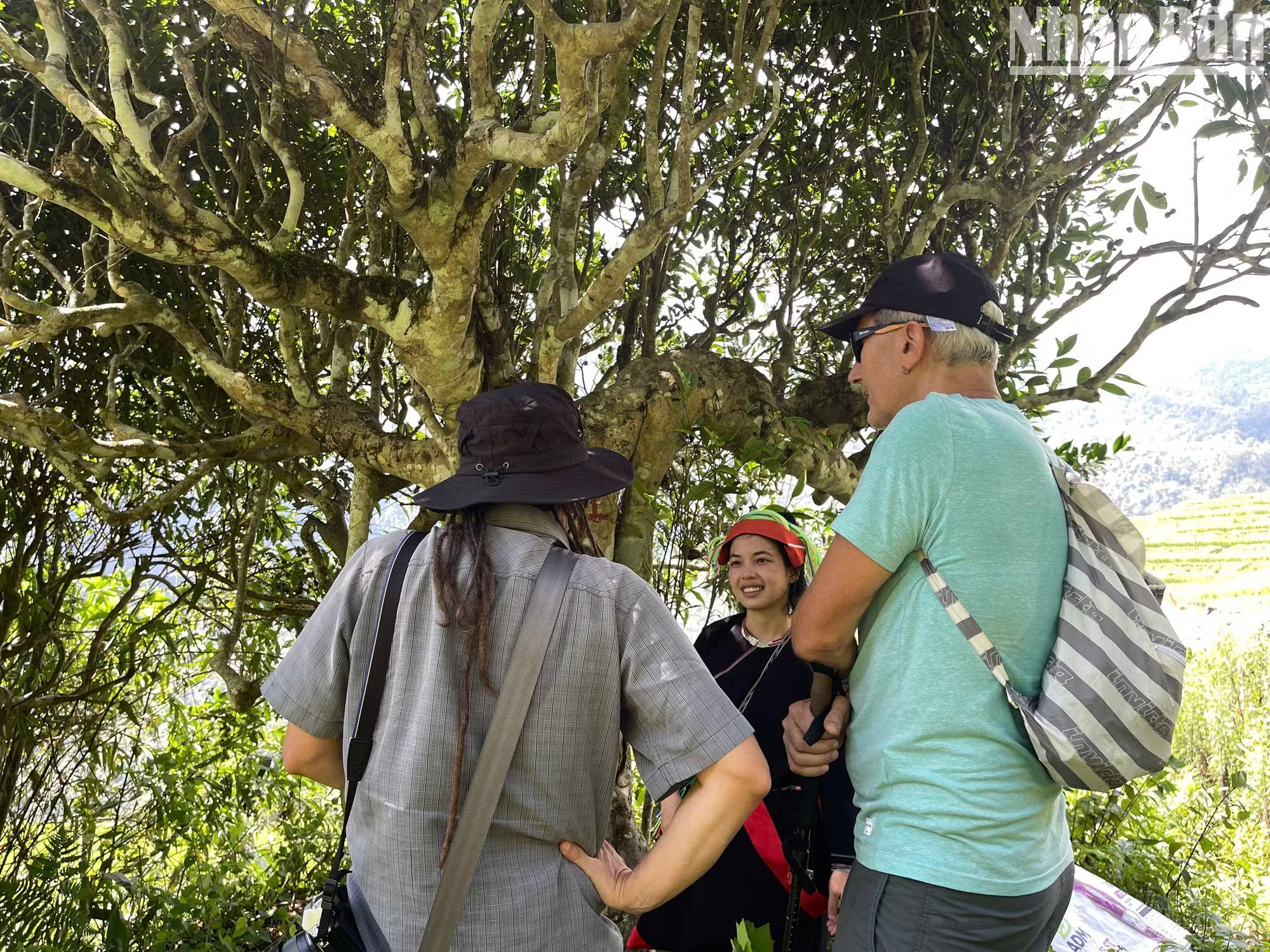
Beginning her tourism activities officially in early 2024, Bich has focused on designing tours such as trekking through the ancient forests of Tay Con Linh, picking ancient Shan Tuyet tea and practising traditional tea processing. According to Bich, since organising experiential tours, she has welcomed visitors from Japan, Switzerland, France, the UK, the US, Australia... who have come to learn about Shan Tuyet tea trees and take part in the tea-processing stages. (In the photo: Bich introduces ancient Shan Tuyet tea trees to two Italian tourists who booked a tour to learn about Cao Bo tea trees.)
From ancient tea trees on the mountain slopes to cups of tea by the fire, the story of Lung Tao is not merely a story about an agricultural product. It is also about how young Dao ethnic people are seeking a new livelihood from the very heritage of their homeland.
Tea-loving visitors staying in Lung Tao Village can enjoy cups of speciality tea by the fire at homestays or on the veranda of traditional stilt houses with views of mountains, terraced fields and waterfalls. Visitors can also visit local tea production workshops and tea rooms run by the Dao people in Cao Bo, such as May Tra Shan and Ly Tra Co.
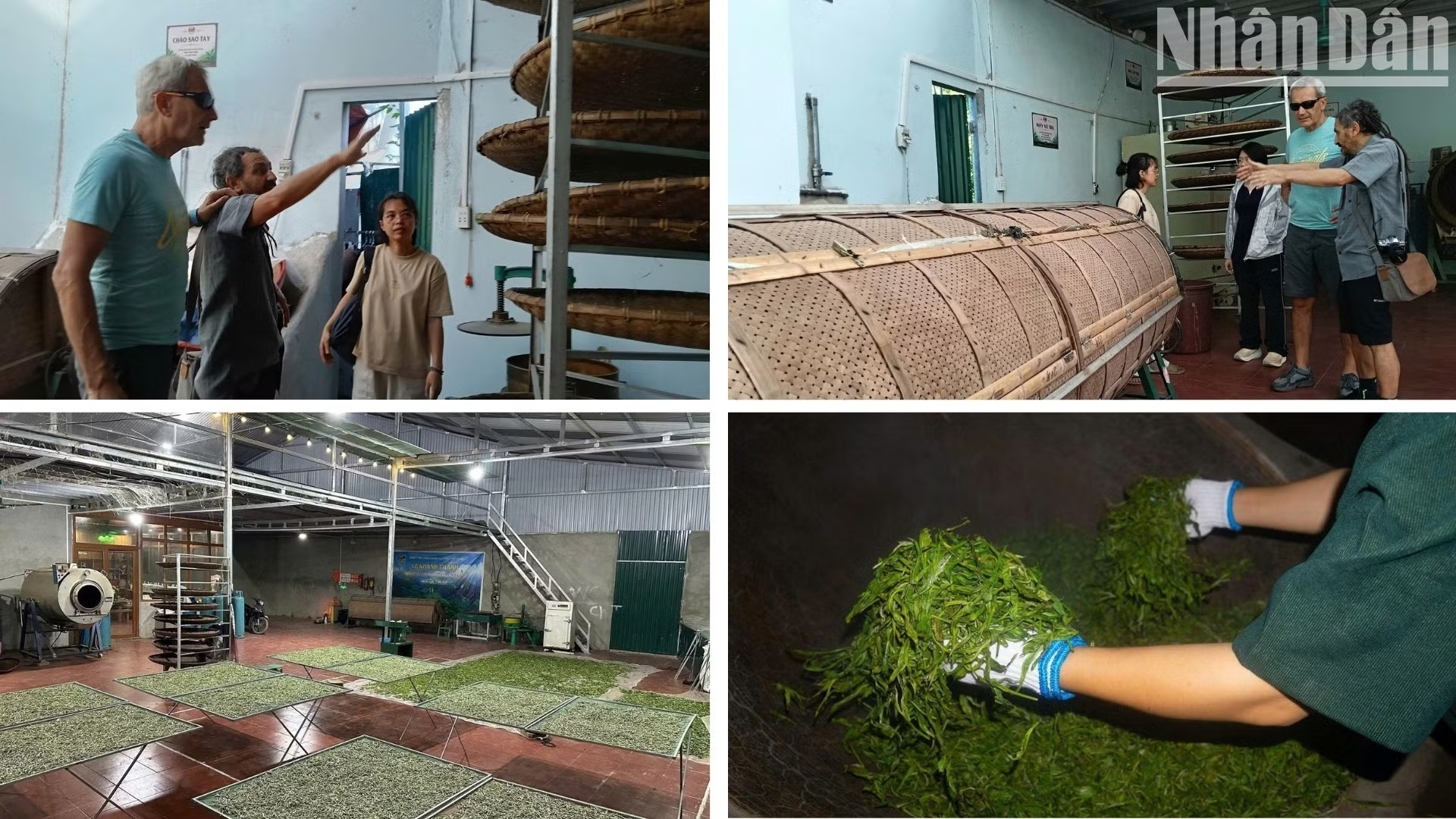
Visitors can also visit local tea production workshops, which serve as collection points for fresh tea buds from households in the village and process them into different types of tea, such as white tea, yellow tea, red tea, bamboo-stuffed tea, Shan Tuyet tangerine tea, as well as rare natural high-mountain tea varieties such as Tra Tien and Tra Mong Rong.
Chang Thi Bich said that during the tea production season, many foreign visitors spend a considerable amount of time staying in Lung Tao Village to take part themselves in every stage of production and learn how to make a properly crafted batch of tea using the traditional methods of the Dao people.
From ancient tea trees on the mountain slopes to cups of tea by the fire, the story of Lung Tao is not merely a story about an agricultural product. It is also about how young Dao people in traditional long tunics are seeking a new livelihood from the very heritage of their homeland.
NDO
Back to top