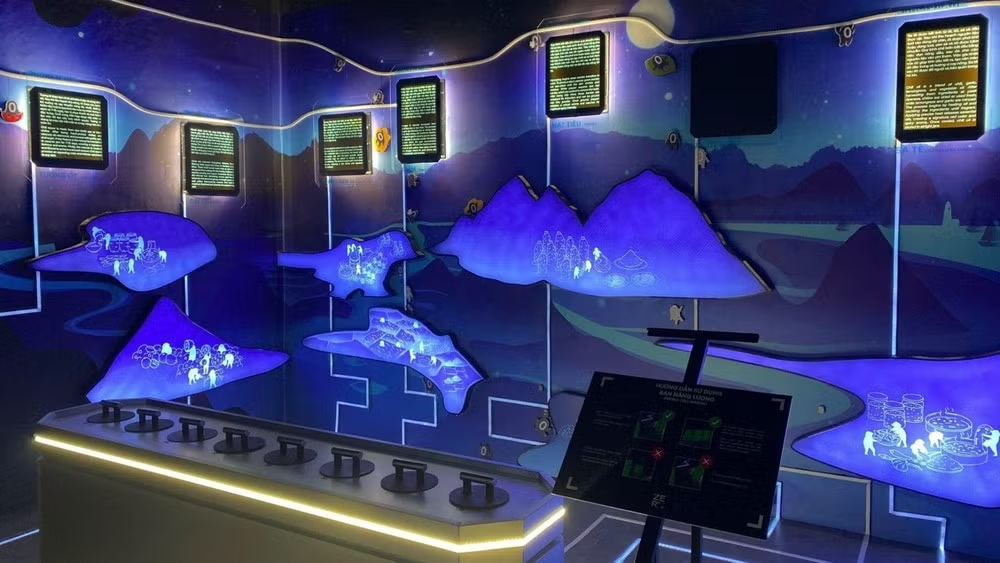
Meanwhile, in the Haptic Chamber — a tactile experience room equipped with a modern mechanical lifting system and LED lights — visitors can learn about the regions where the ingredients are sourced, their origins, and the processes involved in growing, producing, and processing spices.
By touching the “energy hand”, visitors can explore differences in soil conditions and processing methods as well as how these factors affect the flavour of each spice.
Launched in August 2026, Zero Gallery offers a distinctive experience from traditional museum models by engaging the senses of sight, smell, touch, and hearing.
One of the most striking features of the exhibition space is its space-themed design, built around an intriguing science-fiction narrative: In the distant future, as humanity begins migrating to distant planets and people no longer live on Earth, a robot named Zero becomes the keeper of data on Vietnamese culinary culture and spices during its journey through space.
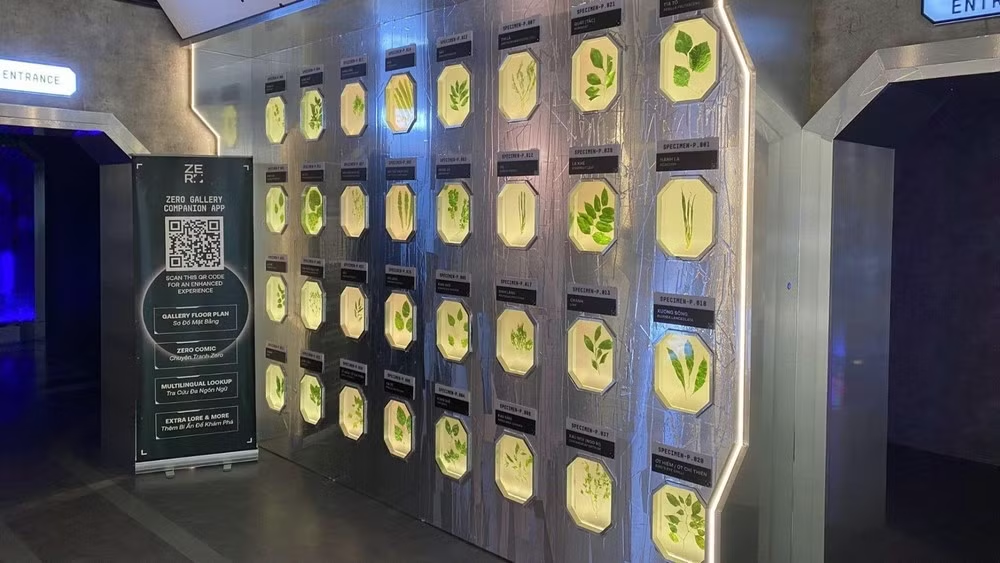
Ngo Thao Chi, Operations Manager at Zero Gallery, said the museum space took relatively little time to build, at nearly three months, but researching, studying, collecting, and creating the specimens on display took a year and a half.
‘Pho’ was chosen as the first theme. The space gradually unfolds the story of the spices that contribute to the dish’s distinctive flavour. Visitors, cast as “astronauts”, explore the world of spices through five rooms inspired by spacecraft compartments.
Notably, the exhibition goes beyond conventional observation. The integration of physical technology into the displays allows visitors to directly “touch” spaces of light, fragrance, and sound, enabling them to engage more deeply with the cultural stories embodied in the spices.
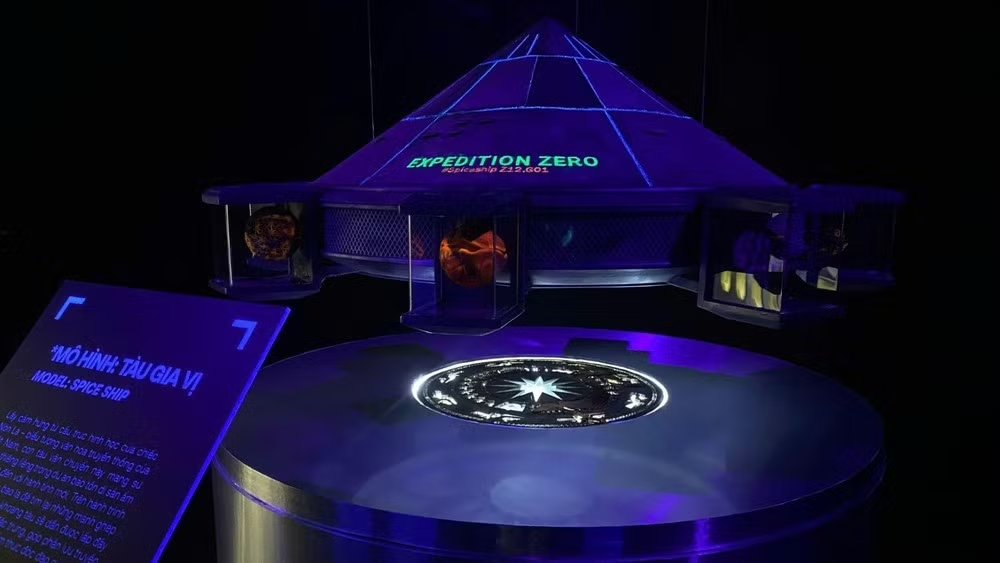
The journey begins with the “Spice Ship” model inspired by the Vietnamese conical hat, surrounded by spice asteroids such as cinnamon, ginger, and star anise. Inspired by the geometric structure of the conical hat — a cultural symbol — and featuring a stylised Dong Son bronze drum motif beneath the launch platform, the “spice ship” takes visitors into a mysterious universe.
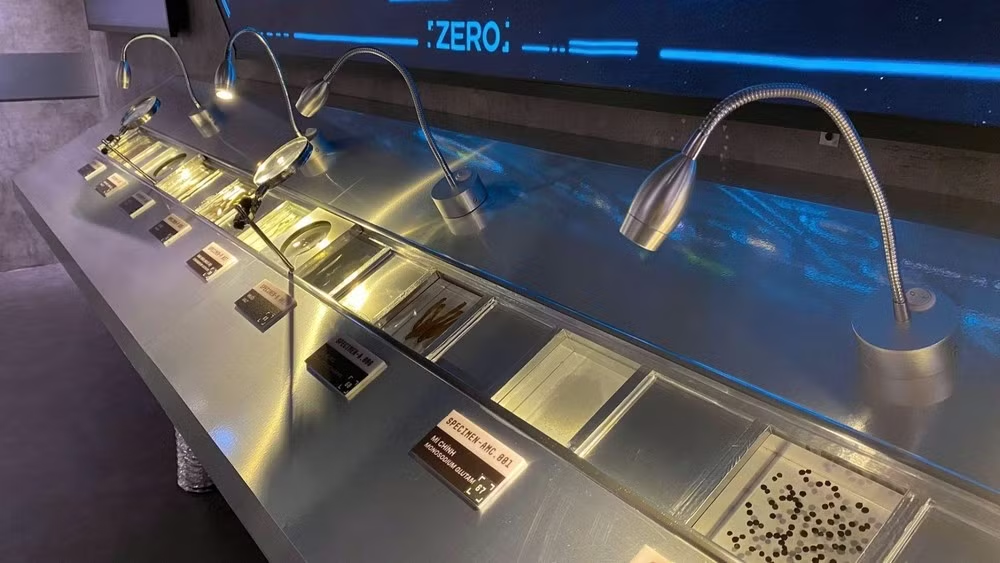
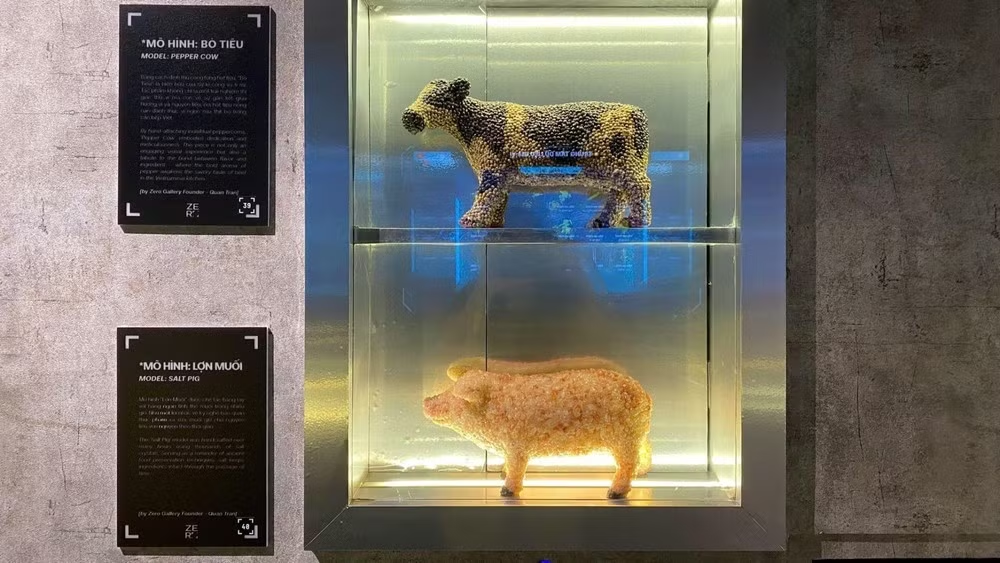
Optic Vault is where visitors explore the spices used to make pho through sight. Here, they can rotate spice specimens 360 degrees on screens to examine them in detail and learn about the origin and characteristics of each ingredient. The room also features two distinctive sculptures — a cow and a pig — made entirely from salt and pepper.
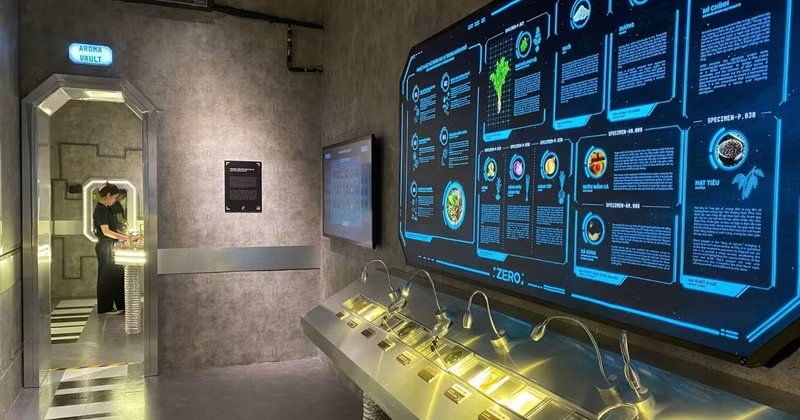
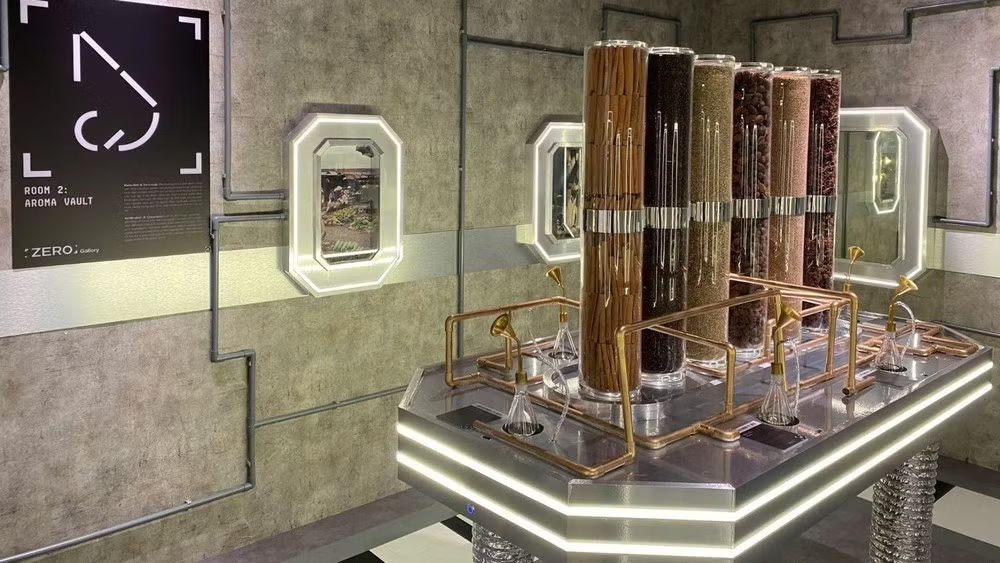
Aroma Vault is a space designed to awaken the sense of smell, where visitors can experience the fragrances of selected spices extracted and delivered through a system of pipes and mechanical diffusers. The diffusion system strictly controls concentration and purity to produce pleasant aromas and provide the most authentic experience possible.
The space also features two scented paintings, “Tet Festival” and “Pho”. When visitors bring their noses close to the sensors, the paintings automatically release fragrances associated with their respective themes.
Meanwhile, in the Haptic Chamber — a tactile experience room equipped with a modern mechanical lifting system and LED lights — visitors can learn about the regions where the ingredients are sourced, their origins, and the processes involved in growing, producing, and processing spices.
By touching the “energy hand”, visitors can explore differences in soil conditions and processing methods as well as how these factors affect the flavour of each spice.
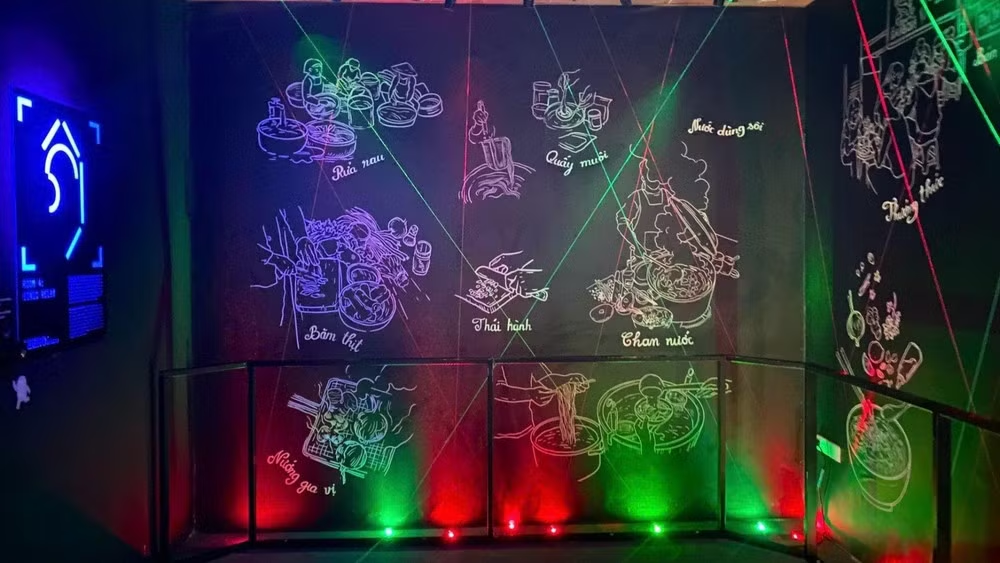
The fourth experiential area, Sonic Relay, takes visitors into a vibrant feast of sound. Here, beams of light become interactive tools. When visitors touch or pass their hands across a beam, the system immediately produces sounds simulating different stages of cooking, such as washing, chopping, stir-frying, and boiling.
The journey through the spice universe concludes in the final multisensory experience space. Visitors can follow the story of Robot Zero and its journey to collect and preserve Vietnamese spices. The science-fiction narrative adds another layer of meaning to the exhibition as a whole: If one day memories of life on Earth need to be preserved, the familiar flavours of a household kitchen could also become part of cultural memory.
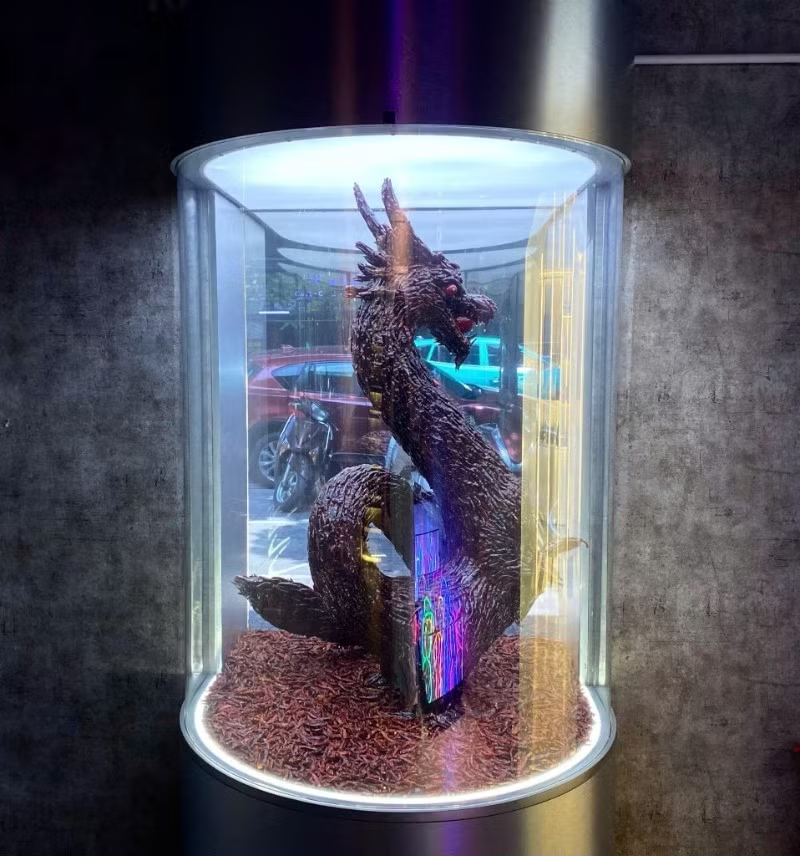
Located in the art display area, sculptural works are also used to expand the story of spices. Among the highlights is a dragon sculpture, standing approximately 1.25 metres high, made from real chillies. Familiar ingredients traditionally associated with the kitchen are transformed into materials for artworks rich in visual impact.
Thao Chi said one of Zero Gallery’s clearest distinguishing features is its decision to place visitors at the centre of the space. Rather than simply observing artefacts, members of the public can interact directly with the environment and explore the stories behind them. This was also the direction Zero Gallery adopted from the outset in developing an “interactive culture space”, transforming visitors from passive observers into active participants in the cultural story.
With spices as its theme, this approach is particularly fitting, as spices are defined not only by their appearance but also by their aromas, the sounds of the processes used to prepare them, and the stories of the lands and people from which they originate.
“Spices are very familiar to us, but not everyone has a thorough understanding of them or their diversity. That is why Zero Gallery was created, focusing on reimagining culture to tell the story of Vietnamese spices to both domestic and international visitors,” Thao Chi stressed. This also offers a more visual, vivid, and emotionally engaging way to experience Vietnamese spices, as well as Vietnamese culinary culture in general.