This is an important direction, as traditional music needs a national-level artistic platform where its values can continue to flourish in contemporary life.
Viet Nam boasts a rich heritage of traditional music, yet much of it remains underutilised. Bringing together traditional instruments in a large, well-organised orchestra would create opportunities for more in-depth research into their timbres, techniques, and expressive potential. This, in turn, would help identify and make better use of the distinctive qualities of each instrument.
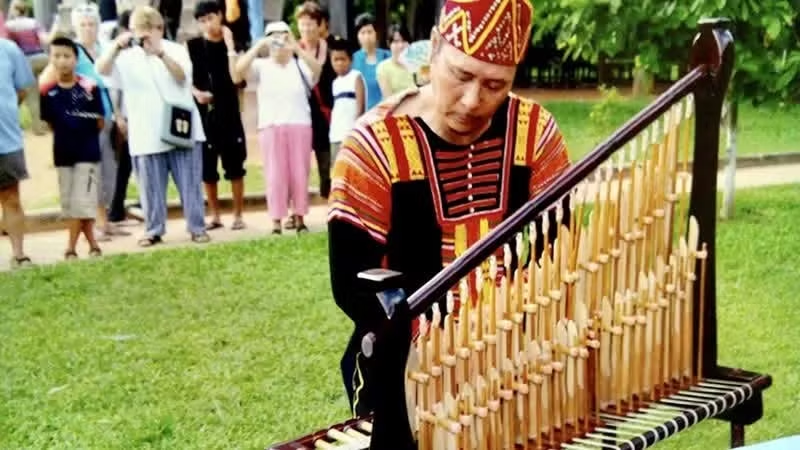
Existing values provide a solid foundation, however, ensuring the national orchestra’s long-term vitality will require the continued creation of new works. This offers an opportunity to explore new arrangements for traditional instruments and bring them into dialogue with contemporary musical languages. Instruments such as the dan tranh (Vietnamese zither), dan bau (Vietnamese monochord), flute, and dan nguyet (Vietnamese moon-shaped lute), when combined in different ways, can bring greater richness and variety to traditional music. The regular introduction of new works would give performers more scope to develop their techniques while enriching the repertoire in this field.
Expanding its audience is another key task for the Viet Nam National Traditional Orchestra. It therefore needs to adopt flexible approaches, ranging from performances on major stages and touring artistic programmes to digital platforms. Social media deserves particular attention, given its potential to bring performances, excerpts, and stories about traditional instruments to audiences who are not in the habit of attending specialised concerts. A diverse range of approaches would help the orchestra gradually build its own dedicated audience.
The vision of establishing a national orchestra featuring traditional instruments and operating according to academic musical principles could help standardise performance and composition practices, while encouraging the creation of large-scale instrumental works.
According to some experts, this would also provide a basis for traditional instruments to engage in dialogue with world music while retaining their distinctive characteristics. In addition, arranging and performing international works for traditional instruments would open further opportunities to showcase the expressive capabilities of Vietnamese instruments, thereby supporting cultural exchanges, promotion and diplomacy.
A national orchestra should not be remembered solely for its performances at the state’s political, cultural, and diplomatic events. To establish an independent presence, it needs to organise regular concerts, public performances and exchange activities. While adapting to contemporary life, the orchestra must preserve the identity of traditional music. Each instrument and musical form has its own distinctive sound and cultural context.
The project is a necessary step in the current context. If implemented effectively, the orchestra could become an important artistic institution, helping enrich Viet Nam’s cultural landscape and raise the profile of traditional music.