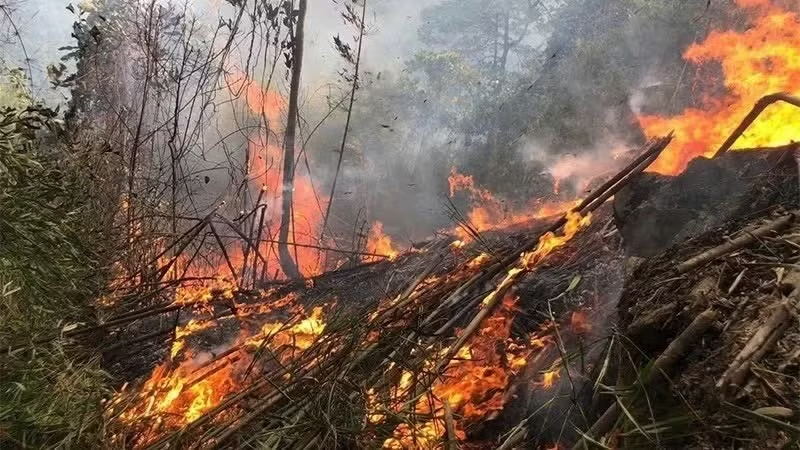
According to the Forestry and Forest Protection Department under the Ministry of Agriculture and Environment, 1,047 communes were placed under Level V fire warning as of April 27, the highest and most dangerous category, while a further 685 communes were classified at Level IV (dangerous category).
Recent conditions have combined all elements of the “fire triangle”, with temperatures ranging from 35 to 40C, humidity dropping below 50%, and steady winds accelerating the spread of flames.
The north-central region is particularly vulnerable due to the influence of hot, dry Lao winds, especially in pine and acacia forests. Meanwhile, the Central Highlands is entering the peak of the dry season, with dense, highly flammable vegetation.
In northern mountainous areas, traditional slash-and-burn farming practices at the start of the cropping season have also contributed to increased fire incidents, particularly under extreme weather conditions.
Forecasts indicate that heatwaves and drought will persist in the coming months, maintaining fire risks at dangerous levels. Forest fires not only cause severe environmental and economic damage but also lead to long-term consequences such as soil erosion, reduced water retention, increased risk of flash floods and landslides, and higher carbon emissions.
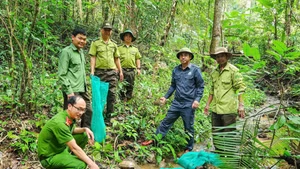
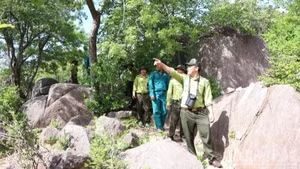
The Ministry has instructed local authorities to implement strict fire prevention and control measures, including enhanced monitoring, clearer assignment of responsibilities, and closer coordination among forest rangers, police and military forces.
Public awareness campaigns are being intensified to promote safe practices, particularly regarding the use of fire in and near forests. Local agencies have been urged to inspect high-risk areas, ensure preparedness of personnel and equipment, and respond swiftly to any outbreaks to minimise damage.
Forest owners and management units are also required to strengthen patrols, maintain firebreaks and ensure readiness to contain fires effectively.

![[In Pictures] Bridge columns and underpasses in Ha Noi begin to turn green](https://en-cdn.nhandan.vn/images/nyM650OGFWrOVWc-xajqN-rTZ68Rlmc1fiGJOhBRYHH_N-Xs0TE8Psnfce7ORTs-KVfoJaEblqjNufFrgeF3e2xFkGtLQVaXm04VcmMKBEkANUyiOkpz4zAuIKgydVrrfBxmGez0E_YJIag0u_Uil0E7jpuJXsIxeMmGjoY1-W4/1791863309074-2994714492692222878-2994714492692222878-adb9ff3f4175c70066ed8bb80cfbead9.jpg.avif)