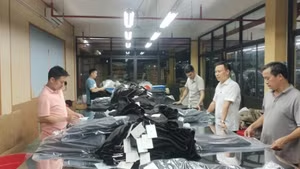
Operating in the fashion sector, Nguyen Thi Hoa, Deputy Director of D.Suit Viet Nam Co., Ltd (a menswear brand), shared that the company must manage multiple transport trips daily, from garment factories to retail outlets, and then deliver products to customers. Fuel costs have been fluctuating, prompting logistics providers to adjust surcharges. However, in a consumer-driven industry such as fashion, raising prices at this time would be tantamount to “shooting oneself in the foot”.
Minimising impact on costs
According to Hoa, the company has proactively reviewed its operational processes, optimised delivery routes, and improved warehouse coordination. Fluctuations in fuel costs can ripple across the entire production chain, from raw materials to factory operating expenses. “We prioritise operational efficiency before considering price adjustments. The goal is to keep prices stable to maintain our customer base and competitiveness in the market,” she affirmed.
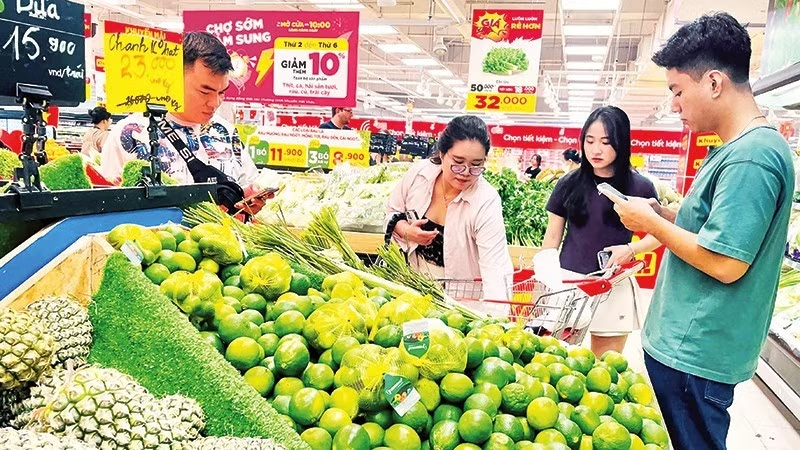
In the retail sector, Nguyen Minh Tam, Procurement Director at WinCommerce General Commercial Services JSC, noted that logistics and transportation costs are on the rise, particularly for long-distance shipments or goods requiring cold storage, such as fresh food. Some product categories that rely on imported materials or supply sources are under even greater pressure, including food products, fast-moving consumer goods, and certain imported agricultural items.
Several suppliers have begun signalling potential price increases in the near future, especially for categories such as fresh food, condiments, fruits, meat, and imported seafood. The adjustments could range from 5% to 20%, depending on the product group and supply sources.
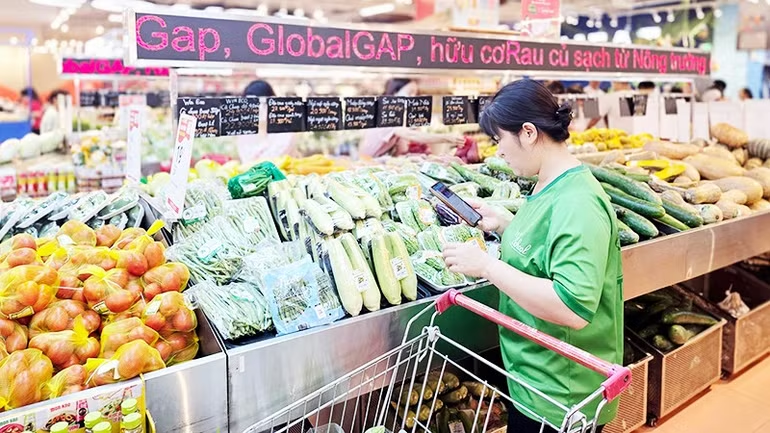
In response to these developments, businesses have actively engaged with suppliers to seek solutions for maintaining reasonable pricing. At the same time, supermarket and retail chains have intensified promotional programmes for essential goods to support consumer demand and share part of the cost burden.
According to Ly Kim Chi, Chairwoman of the Ho Chi Minh City Food and Foodstuff Association, pressure from suppliers is intensifying, with approximately 70–80% requesting price adjustments due to sharply rising input costs, from fuel to raw materials and transportation. Some suppliers have even temporarily suspended deliveries pending price revisions. Without timely solutions, the risk of supply disruptions is entirely possible.
Despite the challenging landscape, businesses have adapted proactively. Many distribution systems are attempting to delay price increases by boosting inventory levels and negotiating with suppliers to keep adjustments to a minimum. Some retailers have even accepted partial cost-sharing to retain customers.
Building a sustainable foundation for market stability
Chi observed that when prices rise, consumers tend to tighten spending, leading to reduced demand. This places businesses in a difficult position: maintaining prices makes it hard to sustain production, while raising them too quickly hampers sales.
“Maintaining price stability cannot rely solely on individual efforts by businesses or distribution systems; it requires coordinated solutions to control input costs, thereby creating a sustainable foundation for market stability,” she stated.
Echoing this view, Dr Mac Quoc Anh, Vice Chairman of the Ha Noi Small and Medium Enterprises Association, said that small and medium-sized enterprises are compelled to accept reduced profits or scale down production to maintain operations.
Volatility in energy prices has also heightened business risks in production and business planning. Unpredictable fuel costs make it difficult for companies to estimate expenses, develop financial plans, and sign long-term contracts. This may lead many businesses to adopt a more cautious approach to expanding investments, hiring workers, or entering new markets.
In this context, the business community expects support policies to be designed with “buffers” to mitigate cost shocks to the economy. Specifically, taxes and fees such as import duties, special consumption tax, value-added tax, and environmental protection tax account for a significant portion of fuel prices. “Tax adjustment mechanisms should be more flexible, allowing temporary reductions during periods of high oil prices and restoring them once the market stabilises, thereby creating a policy buffer to stabilise production and business costs,” Dr Mac Quoc Anh proposed.
In addition, the Government should consider measures to support businesses through flexible management of fuel prices, transport fees, and certain logistics-related charges. It could also study reducing or deferring some fees and charges in export activities, particularly for sectors heavily affected such as agriculture, seafood, and textiles.
Permanent Member of the Secretariat Tran Cam Tu has recently signed Conclusion No. 14 of the Politburo on ensuring supply and stabilising fuel prices in the new context. The document requires relevant agencies to proactively implement management solutions to limit increases in domestic raw material and fuel prices, thereby avoiding adverse impacts on production, business activities, and people’s livelihoods.
The State Bank of Viet Nam could further stimulate growth by directing credit institutions to expand access to capital, consider debt rescheduling mechanisms, restructure repayment terms, and lower lending rates for export businesses affected by rising input costs and prolonged transport times.
Ministries and agencies should also intensify trade promotion activities, helping businesses find alternative markets or expand into those less affected by geopolitical tensions, while providing updates on transport routes, logistics costs, and supply chain risks to enable more proactive export planning.
From practical market experience, a representative of WinCommerce proposed several solutions to help balance supply and demand and support retail market development. Firstly, it is necessary to further promote supply–demand connectivity programmes among localities, producers, and distribution systems, enabling domestic products and regional specialties to access modern retail channels more easily.
Small enterprises and cooperatives require support mechanisms in product testing and quality assessment to shorten the time needed to complete documentation and bring goods into distribution systems more quickly. Enhancing information sharing and market forecasting between regulatory bodies and distribution systems will help businesses be more proactive in planning supply amid market fluctuations. At the same time, solutions to optimise logistics and transport costs will help reduce cost pressures within the supply chain, thereby supporting stable retail prices.
“As a retail system serving millions of customers daily, WinCommerce will continue to work closely with regulators, manufacturers, and supply chain partners to ensure stable goods supply, contributing to maintaining a steady flow of products in the market,” Nguyen Minh Tam affirmed.