Cuisine — A bridge to discovering culture, history, and local life
Susmita Baral, the author of Travel & Leisure's article on discovering Viet Nam through its cuisine, shared that when planning previous trips, Susmita Baral would usually choose well-known restaurants in advance. However, her culinary journey across Viet Nam completely changed her perception of what a true food-focused holiday should be.
"From Ha Noi's legendary egg coffee to Vespa food tours in Ho Chi Minh City, every meal revealed another aspect of Vietnamese culture and history," Susmita Baral wrote in Travel & Leisure.
There are many reasons why people travel. According to Travel & Leisure, some travel to collect passport stamps, while others seek out famous destinations or picture-perfect beaches. Many simply travel in search of unforgettable food and flavours. For many international food lovers, Viet Nam has always ranked among their top travel destinations for many years.
Beyond its rich and diverse flavours, Vietnamese cuisine has become a bridge that allows international visitors to explore the country's culture, history, and everyday life.
Every dish and every stop along the journey, from Ha Noi and Ha Long Bay to Ho Chi Minh City, helps paint a colourful portrait of Viet Nam and its people, offering experiences that go far beyond those of an ordinary holiday.
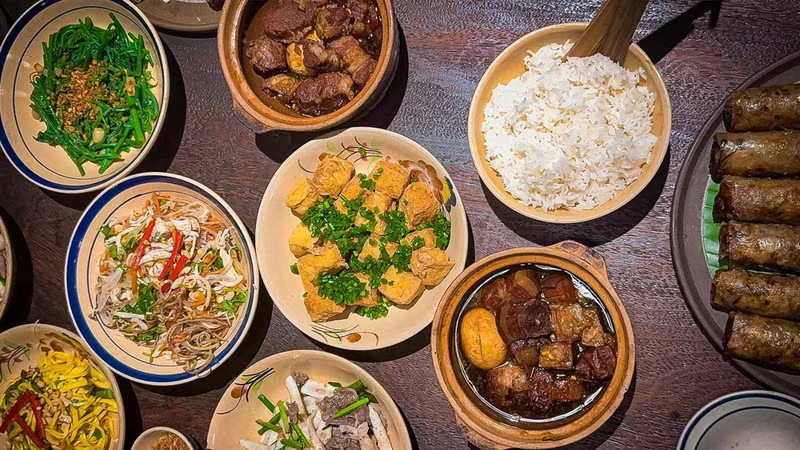
The culinary journey begins in Ha Noi, where the lively atmosphere of the Old Quarter blends with the enticing aromas of street-side eateries, leaving a lasting impression from the moment visitors arrive. Alongside visits to renowned venues such as Tam Vi Restaurant, Huong Lien Bun Cha Restaurant, and Chapter Restaurant, travellers have the opportunity to experience the harmony between tradition and modernity that defines the capital's culinary culture.
From Ha Noi's legendary egg coffee to Vespa food tours in Ho Chi Minh City, every meal revealed another aspect of Vietnamese culture and history.
Susmita Baral
Editor at Travel & Leisure
According to Travel & Leisure, what makes Vietnamese cuisine so special is that every dish tells its own story. Recipes passed down through generations, the careful selection of ingredients and traditional cooking techniques not only create distinctive flavours but also reflect the lives, customs, and creativity of the Vietnamese people throughout different periods of history.
"Every meal helped me understand more about the city and its culture," Susmita Baral wrote in Travel & Leisure.
Even within modern dining spaces, the use of many traditional ingredients continues to be preserved and reimagined, helping to maintain the unique identity of Vietnamese cuisine. One of the experiences that left the deepest impression on visitors was tasting Ha Noi's famous egg coffee.
Not only is it renowned for its rich and creamy flavour, this drink is also closely linked to the ingenuity of the people of Ha Noi during a time when fresh milk was in short supply. What began as a practical substitute has since become an iconic symbol of the capital's coffee culture, attracting large numbers of international visitors eager to try it.
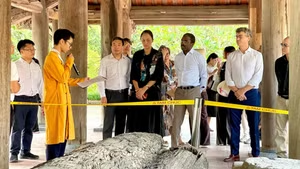
The journey extends beyond food, allowing visitors to discover Ha Noi's cultural and historical values through attractions such as the President Ho Chi Minh Relic Site, One Pillar Pagoda, Hoa Lo Prison, and the Ha Noi Old Quarter. According to Travel & Leisure, combining culinary experiences with activities exploring heritage and daily life makes the trip more fulfilling, offering a multifaceted perspective on the thousand-year-old capital city.
Exploring by motorbike — The highlight of the culinary tour
Leaving Ha Noi, visitors continue their journey to Ha Long Bay, a UNESCO World Natural Heritage Site. While Ha Noi impresses with its cultural depth, Ha Long Bay captivates travellers with its breathtaking scenery of thousands of limestone islands rising from emerald-green waters.
In addition to admiring the spectacular landscape from aboard a boat, visitors particularly enjoy experiencing the daily lives of local people living in the bay. The sight of women rowing small boats laden with fruit, food, and daily necessities to serve visitors reflects the distinctive lifestyle of the local community.
Gliding by boat through mist-covered limestone formations gives visitors a sense of peace and tranquillity, allowing them to more fully appreciate the unspoilt beauty of one of Viet Nam's most famous natural wonders.
Susmita Baral's next destination was Ho Chi Minh City, which offers a completely different atmosphere with its vibrant pace of life and constantly evolving food scene. Street food tours take visitors through narrow alleyways to local eateries, contemporary cafés and creative spaces, showcasing a blend between long-standing traditions and the energy of a modern metropolis.
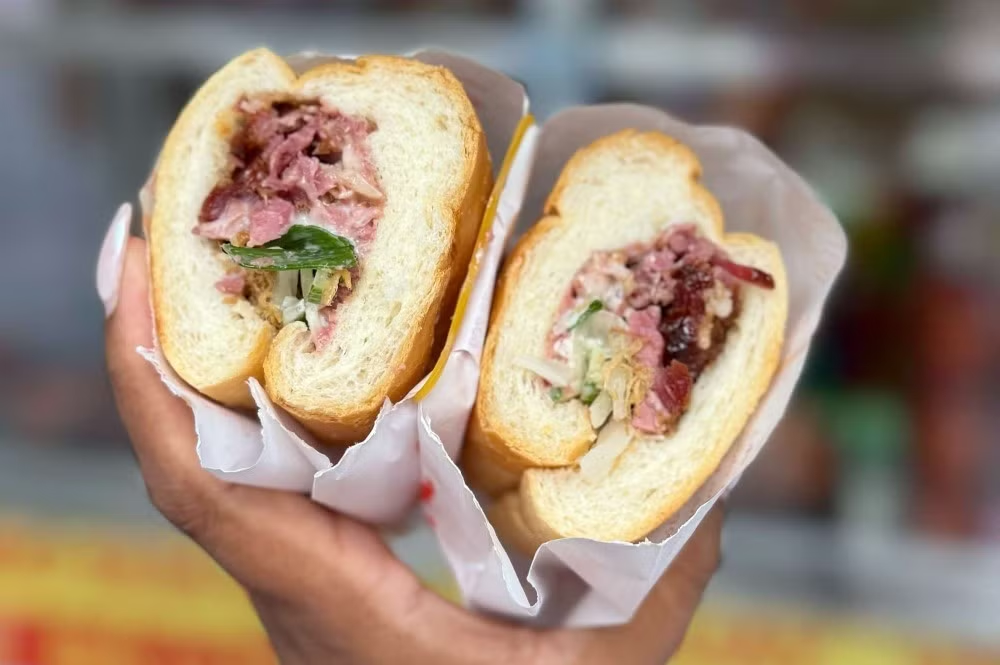
According to Travel & Leisure, exploring the city on a motorbike food tour is one of the most memorable experiences of travelling in Viet Nam. Riding through bustling streets, stopping at modest local restaurants, and sampling regional specialities not only provides a fresh perspective on Vietnamese cuisine but also allows visitors to experience the city's energetic nightlife.
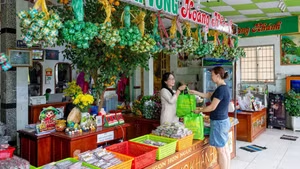
Finally, a visit to the Mekong Delta offers travellers the opportunity to explore fruit orchards, fish farms, and mushroom-growing facilities, helping them understand the origins of many of the ingredients that form the foundation of Vietnamese cuisine. The close connection between the source of ingredient-growing areas, the people, and culinary dishes is what contributes to the unique appeal of the tourism experience.
As the journey comes to an end, what lingers is not only the flavour of Viet Nam's famous dishes but also the stories of its culture, history, and people that are woven into every experience.
Travel & Leisure concludes that every meal in Viet Nam provides an opportunity to discover another side of each destination, from traditional values preserved across generations to the dynamic rhythm of a society that continues to evolve.
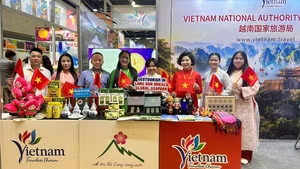
According to the Viet Nam National Authority of Tourism, with travellers increasingly seeking authentic local experiences, cuisine is becoming one of the country's greatest tourism strengths. In addition to promoting the image of Viet Nam, tourism products associated with culinary culture also open opportunities for tourists to experience a deeper connection with the people and the land, further affirming Vietnam's attractiveness on the world tourism map.