Ha Noi welcomed more than 18 million visitor arrivals in the first half of 2026, providing a positive demand base for its hotel market. As the supply of high-end accommodation continues to expand, extending stays, developing the meetings, incentives, conferences, and exhibitions (MICE) segment, and increasing visitor spending are becoming vital drivers in translating tourism growth into business performance.
According to statistics from the Ministry of Culture, Sports, and Tourism, Ha Noi received 18.01 million visitor arrivals in the first half of 2026, up 15.7% year on year. Tourism revenue totalled 74.23 trillion VND, an increase of 19.1%, while the average hotel occupancy rate stood at 65.64%.
These figures point to positive momentum in the capital’s tourism sector, creating further opportunities for the accommodation market. However, an increase in visitor numbers does not necessarily equate toa corresponding rise in hotel room revenue. The ability to convert tourism demand into overnight stays, higher occupancy rates, and actual spending is pivotal to business performance.
Rising visitor numbers make converting demand into overnight stays crucial
In the first six months of the year, Ha Noi welcomed 4.64 million international visitors, up 26.8%, and 13.37 million domestic visitors, an increase of 12.3%. Of these, approximately 3.27 million were recorded as staying overnight.
The difference between total visitor arrivals and overnight stays highlights the need to assess tourism growth alongside hotel operating indicators, including room nights sold, occupancy rates, and average room rates, to gain a fuller picture of the market’s revenue-generating potential.
According to Savills Viet Nam’s Ha Noi Market Brief Q2 2026, the surveyed hotel market comprised 65 hotels with a total of 10,967 rooms, recording an occupancy rate of 70%. Demand came primarily from three segments: leisure travellers, business travellers, and MICE visitors.
Each segment offers distinct revenue opportunities. While leisure travellers generate demand for accommodation and experiences, business travellers are linked to commercial activities, and MICE visitors can drive revenue from rooms, meetings, food and beverage, and ancillary services. A diversified customer mix enables hotels to broaden their demand base while creating further opportunities to capture non-room revenue.
Extending stays to increase tourism value
Ha Noi aims to increase the average length of stay to 2.5–3.5 days by 2030, while raising the share of spending on night-time activities to 25–30% of total tourist expenditure. Longer stays could generate additional demand for room nights while creating more opportunities to earn revenue from dining, entertainment, and ancillary amenities.
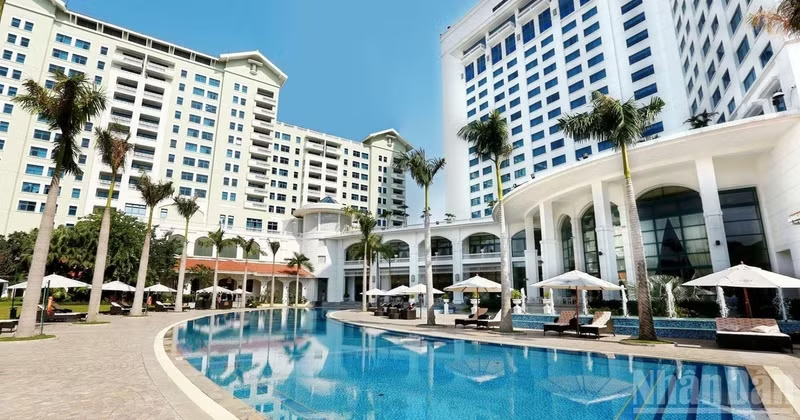
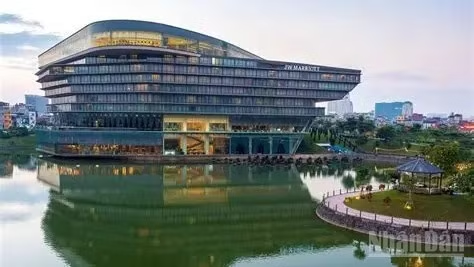
This growth potential coincides with an expansion in hotel supply. According to the report, the market is expected to welcome around 1,900 additional rooms from six projects in 2026, five of which are in the five-star segment.
New supply will help increase accommodation capacity and diversify the options available to guests in Ha Noi. At the same time, the entry of high-end projects will raise the bar for product positioning, visitor attraction, and operational performance.
Against this backdrop, developing new tourism products and strengthening connections between destinations could provide further impetus for longer stays. Cultural, historical, and heritage attractions, culinary experiences, night-time tourism, and entertainment activities offer visitors a wider range of options.
Meanwhile, growth in business travel and the MICE segment could generate additional accommodation demand and broaden hotels’ commercial opportunities.
Speaking to a reporter from Nhan Dan Newspaper, Director of Savills Ha Noi Matthew Powell said the capital’s master plan, with a 100-year vision, was expected to create new destinations beyond the historic core, thereby redistributing visitor flows and expanding the geographical scope for accommodation market development. As the network of destinations expands and becomes more conveniently connected, Ha Noi will be better placed to develop longer itineraries rather than concentrating demand on a handful of familiar sites in the city centre.
For investors and hotel operators, tourism growth provides a foundation for demand, while business performance depends on how effectively that demand is captured. As both visitor numbers and accommodation supply increase, customer mix, length of stay, pricing strategies, and the ability to generate revenue from ancillary services will be key determinants of operational performance.
In the longer term, expanding the tourism landscape, developing the MICE segment, and connecting a wider range of visitor experiences could help Ha Noi derive greater value from each arrival, bolstering the development of its hotel market.