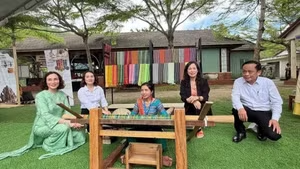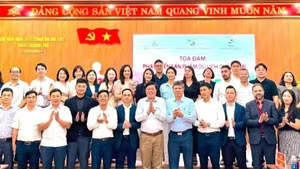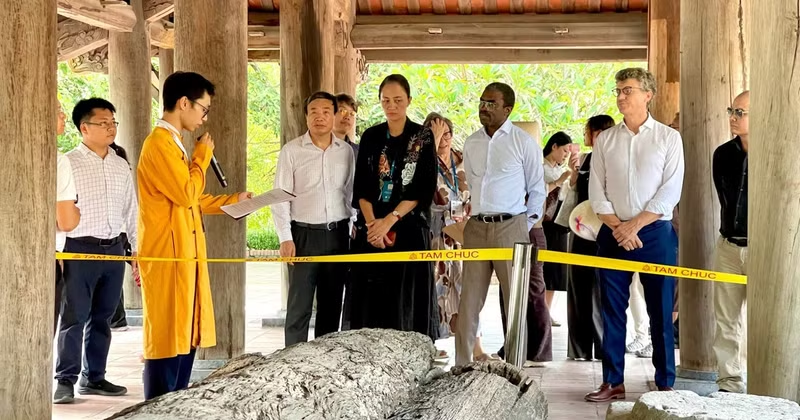
The event was held on the sidelines of the Asia-Pacific Dialogue on Heritage and Authenticity, which took place in Viet Nam from September 27 to October 1.
The delegation included Lazare Eloundou Assomo, Director of the UNESCO World Heritage Centre; ambassadors from the World Heritage Committee; alongside experts, officials, and scientists; and representatives of the Department of Foreign Affairs and Cultural Diplomacy under the Ministry of Foreign Affairs, the Viet Nam National Commission for UNESCO, the UNESCO Office in Ha Noi, and relevant agencies.
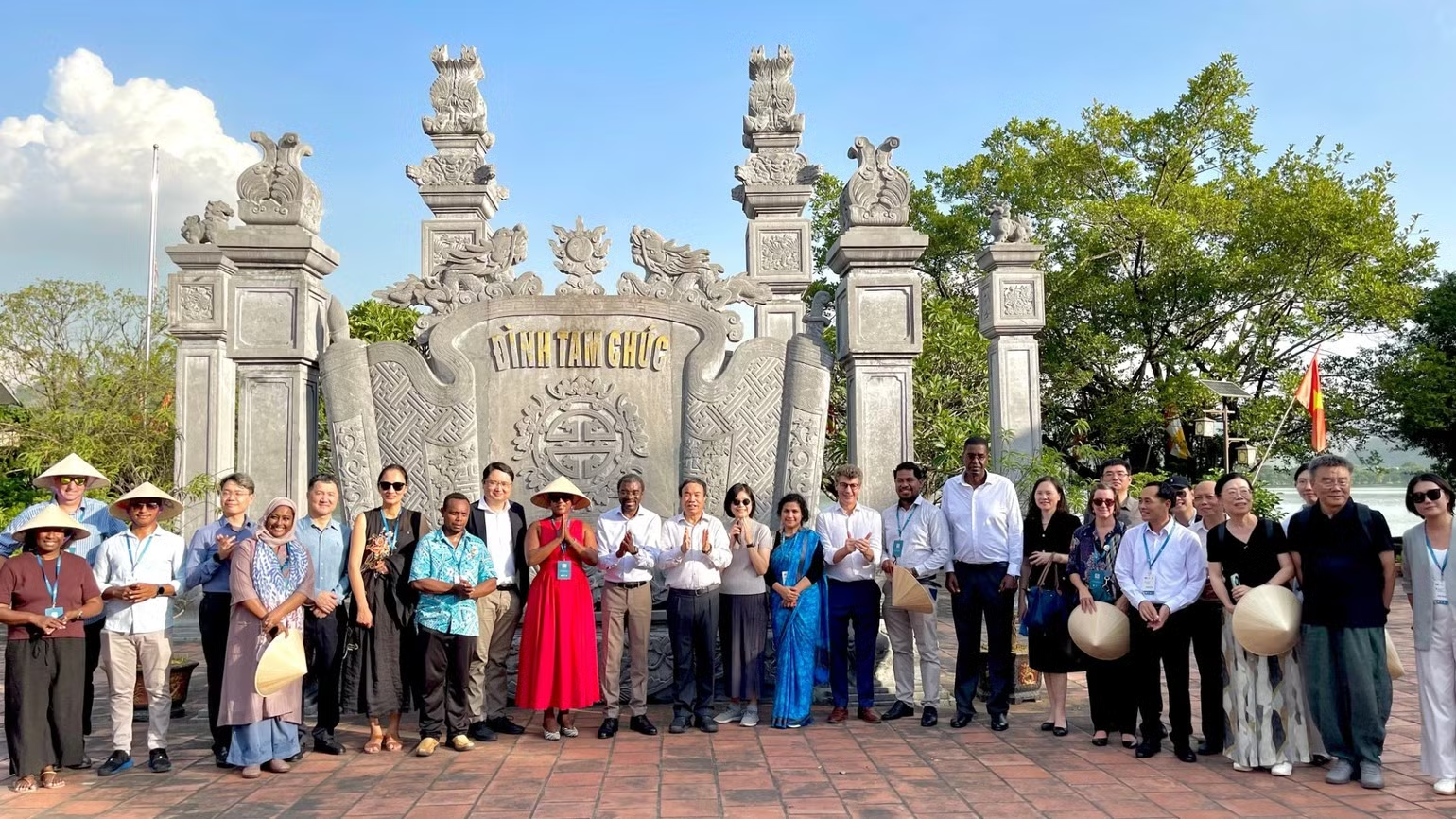
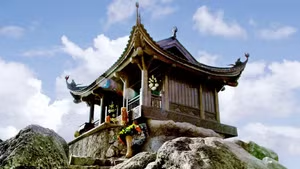
At the Tam Chuc Scenic Landscape Complex in Tam Chuc Ward, the delegates visited Luc Nhac Lake, Tam Chuc Communal House, the Kinh Pillars Garden, the Phap Chu Palace, the Quan The Am Palace, and the Tam The Palace, while learning about the area’s cultural and historical values, natural landscapes, and biodiversity, as well as strategies for sustainable tourism development.
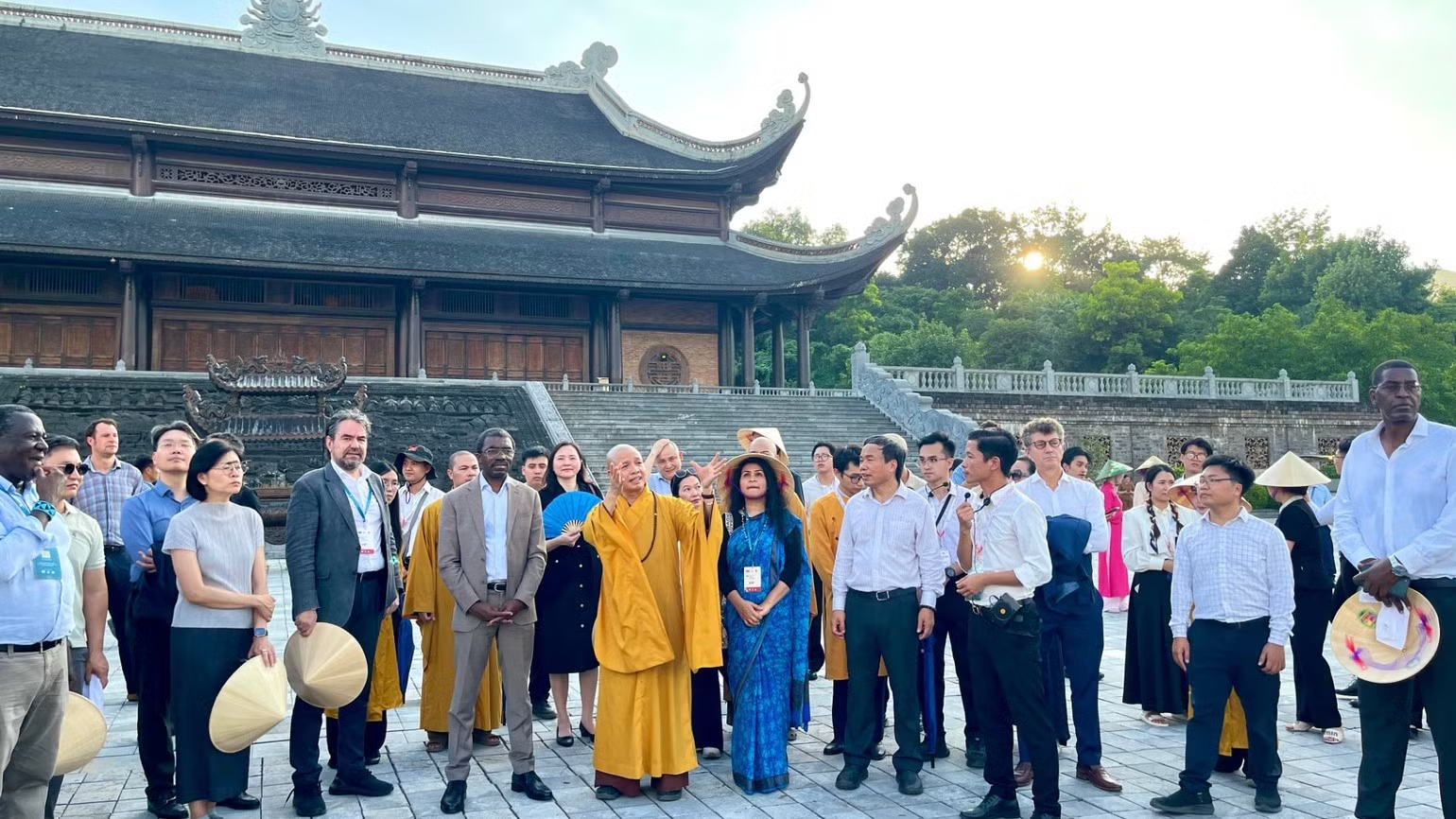
Than Zaw Oo, Director of the Department of Archaeology and National Museum of Myanmar, said that around 90% of Myanmar’s population follows Buddhism. He was therefore particularly impressed by Tam Chuc, especially its tranquil setting, harmonious natural landscape, and clean environment, as well as the prompt and thoughtful hospitality. He said Tam Chuc should continue to preserve its inherent tranquillity and distinctive values, which will increasingly draw international visitors.
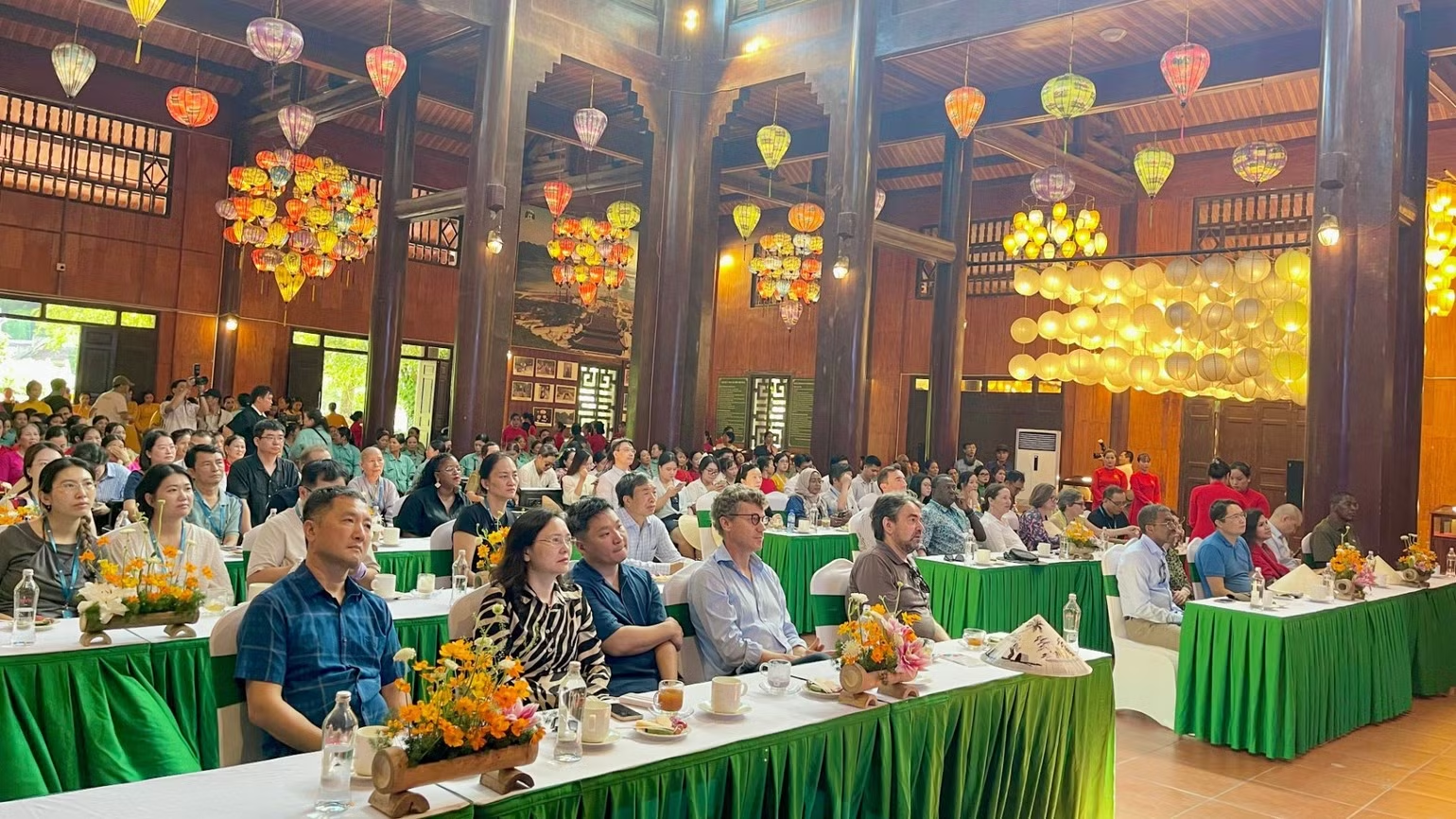
The field survey allowed delegates to gain deeper insights into the outstanding landscape, natural, cultural, historical, and humanistic values of the Trang An Scenic Landscape Complex, as well as its Outstanding Universal Value; and to learn from Ninh Binh’s experience in managing, conserving, and promoting heritage values in support of local communities, livelihoods, and sustainable tourism development.
According to Lazare Eloundou Assomo, Director of the UNESCO World Heritage Centre, Viet Nam is a leading example of heritage conservation and promotion. Following his visit to Ninh Binh, he praised the province’s sustainable development strategy, particularly its commitments to preserving and promoting heritage values, and safeguarding their authenticity and integrity while ensuring local people’s livelihoods. He expressed his hope that UNESCO would continue to cooperate with, support, and partner with Ninh Binh in identifying, preserving, and promoting new heritage values in the future, thereby helping enrich the province’s heritage value system.
![[Video] Viet Nam among Top three Asian destinations for return visitors](https://en-cdn.nhandan.vn/images/nyM650OGFWrOVWc-xajqN-rTZ68Rlmc1fiGJOhBRYHErj-E25MBpvJqrpphXazfrpe9t-fYCGuQU4CN0yXo3Rg/du-lich-vietnam.jpg.avif)