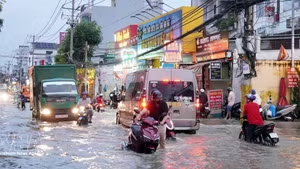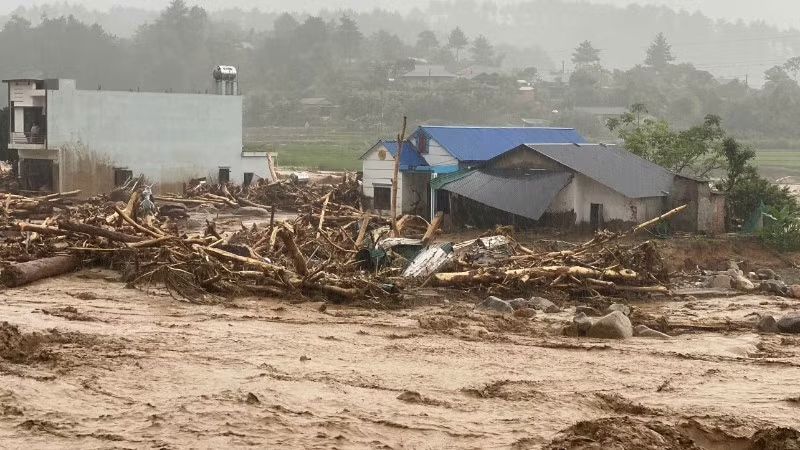
Super typhoons, extreme rainfall and successive floods exceeding forecasts are occurring more frequently, threatening lives and causing extensive damage to homes, means of production and other aspects of daily life.
From the beginning of the year to mid-September, Viet Nam experienced 20 of the 22 recognised types of natural disasters, including six waves of flooding in the northern and central regions.
Heavy rain, flash floods and landslides struck Lai Chau Province from July 15 to 19, while major flooding occurred along numerous rivers in Lang Son, Bac Ninh, Thai Nguyen, Quang Ninh, Ha Noi and Thanh Hoa from August 21 to 26.
Most recently, a tropical depression made landfall in Quang Tri Province, triggering severe and widespread flooding that seriously disrupted people’s lives across the region.
Since the start of the year, natural disasters have left 63 people dead or missing, with estimated economic losses reaching 2.22 trillion VND.
Despite natural disasters growing increasingly complex, severe, and unpredictable, the number of people killed or missing in 2026 fell by 58.8%, while economic losses declined by 84.9% compared with the same period in 2025.
These significant reductions can be attributed in part to the rigorous implementation of a project on raising community awareness and community-based disaster risk management through 2030.
The project’s overarching objective is to raise public awareness of natural disasters, strengthen response capabilities, and foster a culture of preparedness and proactive participation in disaster prevention and control among the majority of the population.
In practice, community-based disaster risk reduction is a process in which residents actively participate in risk analysis, planning and response activities to minimise disaster-related losses. Communities play a central role at every stage, from prevention and response to recovery.
When residents in disaster-prone areas fully understand the risks they face, they can shift from reactive responses to proactive prevention, helping foster a culture of preparedness and safety within their communities.
To help people better understand their roles and responsibilities, the Viet Nam Disaster and Dyke Management Authority has compiled a handbook on community-based disaster risk management, drawing on practical experience from disaster prevention and control agencies at all levels, organisations, policymakers, and domestic and international experts.
In addition, disaster prevention and control education programmes in schools and local communities will help enhance public skills in this field.
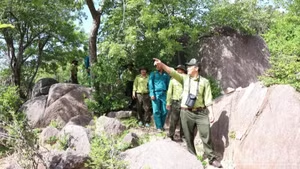
Encouraging communities to adopt climate-resilient farming practices, develop protection forests and safeguard water resources will help mitigate the adverse impacts of natural disasters.
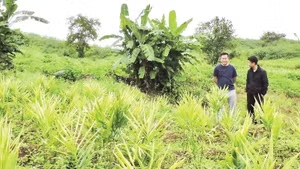
Sustainable agricultural models, including organic and ecological farming, should also be promoted to alleviate pressure on the environment.
In particular, establishing disaster contingency funds and developing risk insurance mechanisms are vital measures to ease financial pressures when disasters strike, enabling people to maintain production with greater confidence.
Close coordination among authorities, businesses and communities is essential to implementing disaster risk reduction measures.
Incentives should also be introduced to encourage private-sector participation in infrastructure development, technology adoption and disaster prevention and response capacity-building.
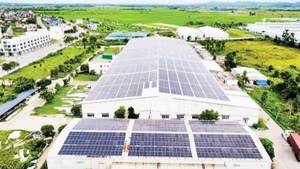
Applying modern technology, raising community awareness and expanding international cooperation will help Viet Nam respond more effectively to natural disasters, protect people’s lives and property, and move towards economic development.