Growth amid persistent challenges
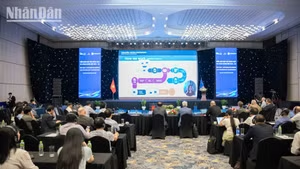
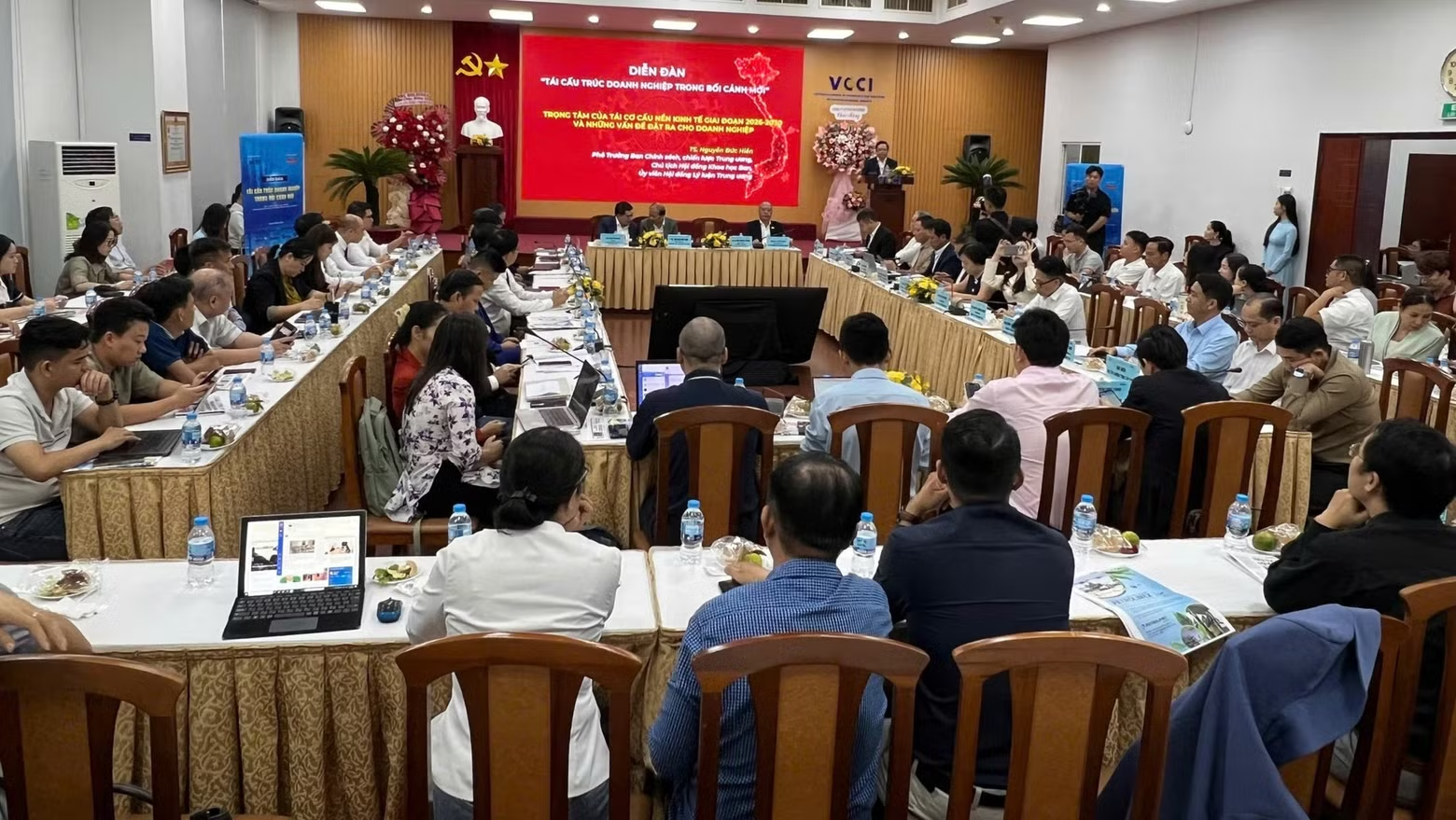
At the recent forum entitled “Corporate restructuring in the new context”, jointly organised by the Viet Nam Chamber of Commerce and Industry (VCCI) and Business Forum Magazine, VCCI Vice President Hoang Quang Phong said that the global economy was undergoing profound and highly unpredictable changes, as geopolitical competition intensified and supply chains were constantly being reconfigured.
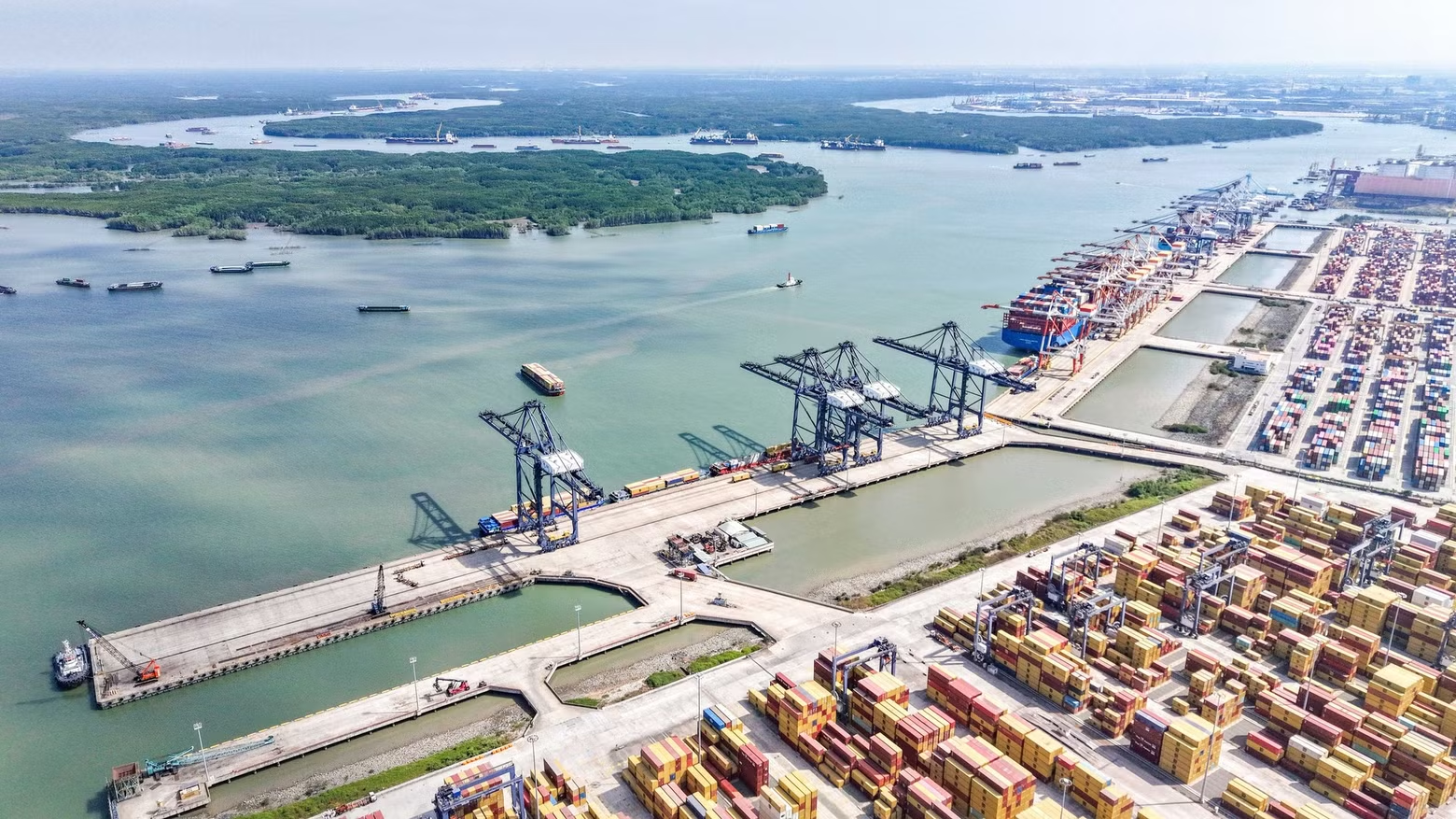
Against this backdrop, Viet Nam's GDP growth reached 9.01% in the first nine months of 2026, while import-export turnover stood at approximately 888 billion USD and State Budget revenue exceeded 2 quadrillion VND. Together with the successful resolution of numerous long-standing stalled projects, these achievements have opened up an entirely new development space.
These results have made Viet Nam one of the fastest-growing economies in the region, outpacing Singapore (5.4%), Malaysia (5.3%), Indonesia (5.29%) and the Philippines (2.3%). Calculations show that, to achieve the full-year target of 10%, growth in the fourth quarter must reach at least 12.5%. The most feasible and optimistic scenario forecasts fourth-quarter growth at approximately 11.71%, bringing full-year GDP growth in 2026 to 9.78%.
However, the underlying health of the business community continues to face numerous challenges. The number of enterprises entering the market or resuming operations fell by 3.2% year on year, while the number of enterprises completing dissolution procedures rose by 118%. Private-sector investment, which accounts for 53% of total social investment, increased by only 14%, the lowest rate among the three economic sectors.
Private enterprises are also facing considerable difficulties. Although Resolution No. 68-NQ/TW has created momentum for the development of the private economic sector, its share of total social investment has yet to show any significant improvement. Average capital and workforce sizes per enterprise have contracted.
Dr Nguyen Duc Hien, Deputy Head of the Central Commission for Policies and Strategies, said that although overall economic growth had achieved impressive results, the foundations for economic development remained insufficiently solid. Global fluctuations were putting pressure on input costs, consumer markets and the operational capacity of domestic enterprises.
In this context, businesses cannot focus solely on maintaining their operations. Instead, they need to proactively restructure, strengthen their adaptability and develop business models that are more resilient to external shocks.
According to Hoang Quang Phong, businesses need to enhance their capacity for innovation, quality control and risk management, and meet environmental, social and governance (ESG) standards. The restructuring process should begin with a reassessment of business models, the identification of value creation and competitive advantages, alongside a comprehensive ecosystem of supportive policies. Businesses also need a transparent, stable, consistent and highly predictable legal framework to minimise compliance costs.
Strengthening links to participate more deeply in value chains
Drawing on practical business experience, Phan Tan Dat, Chairman of the Ho Chi Minh City Young Businesspeople Association and Chairman of the Board of Directors of KSB, said that a major limitation of the private economic sector was its low level of connectivity. Many businesses operate independently, lacking links in terms of markets, technology, capital and production capacity, while competition is increasingly taking place between supply chains and business ecosystems.
Dat proposed that private enterprises should shift from an independent development mindset towards cooperation and deeper participation in value chains. The focus should be on strengthening links between large enterprises and small and medium-sized enterprises; connecting domestic businesses with the foreign direct investment (FDI) sector; and establishing an ecosystem involving businesses, financial institutions, research institutes and universities to shorten the gap between research and product commercialisation.

Regarding governance, Dat also said that the Government and local authorities needed to continue administrative procedure reforms, using the effectiveness of services provided to businesses as the benchmark, with a focus on shortening actual processing times so that projects could be brought into operation sooner. They should also establish more effective and responsible mechanisms for dialogue and resolving difficulties faced by the business community, and create conditions for private enterprises to gain equal and transparent access to resources, including long-term capital, land, infrastructure, science and technology, as well as investment opportunities in emerging fields such as logistics and green transformation. At the same time, businesses must proactively improve financial transparency, comply with the law and foster an ethical business culture.
Sharing the same perspective, Pham Van Triem, Chairman of the Ho Chi Minh City Association of Small and Medium Enterprises, said that links between small and medium-sized enterprises and large corporations, State-owned enterprises and FDI enterprises remained loose. While large enterprises have demand for raw materials, components, services and supporting products, many domestic businesses have not accessed these opportunities.

Based on this reality, Triem said that business owners first needed to shift from management based on personal experience to management based on processes, data and specific performance indicators. They should also pay greater attention to financial management, human resources, risk management and the development of long-term strategies. In addition, businesses need to step up the application of science and technology to improve productivity, reduce costs, enhance transparency and develop a workforce that meets international standards. These are important conditions for enterprises to strengthen their competitiveness and expand their scale.
Do Thien Anh Tuan, an economic expert at the Fulbright School of Public Policy and Management, proposed three groups of restructuring solutions. First, businesses must strengthen their own management capacity and optimise operating costs. They should be willing to divest from or close inefficient business segments in order to concentrate resources on core areas, while accelerating digital and green transformation. The application of technology, digitisation of operational processes and development of emissions reduction roadmaps will help improve supply chain transparency.
In terms of markets, businesses need to diversify their consumer markets, actively participate in global supply chains and regard human resources as a strategic asset. Regulatory agencies and large corporations should play a leading role in creating a healthy environment for connectivity, enabling domestic enterprises to grow together.