 |
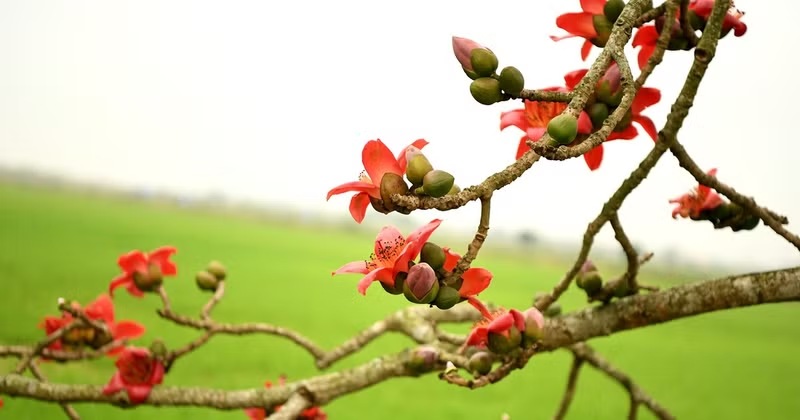
| Standing silently at the village entrance, by the water wharf, or in the communal yard, Bombax trees serve as quiet witnesses to life in the northern countryside. |
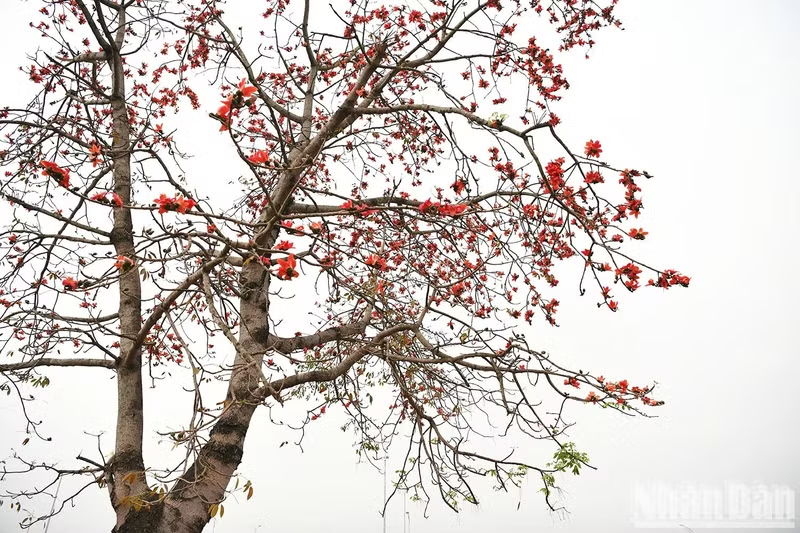 |
| More than just a touch of spring colour, the red Bombax flower blossoms preserve collective memories and connect daily life and culture in Vietnamese villages. |
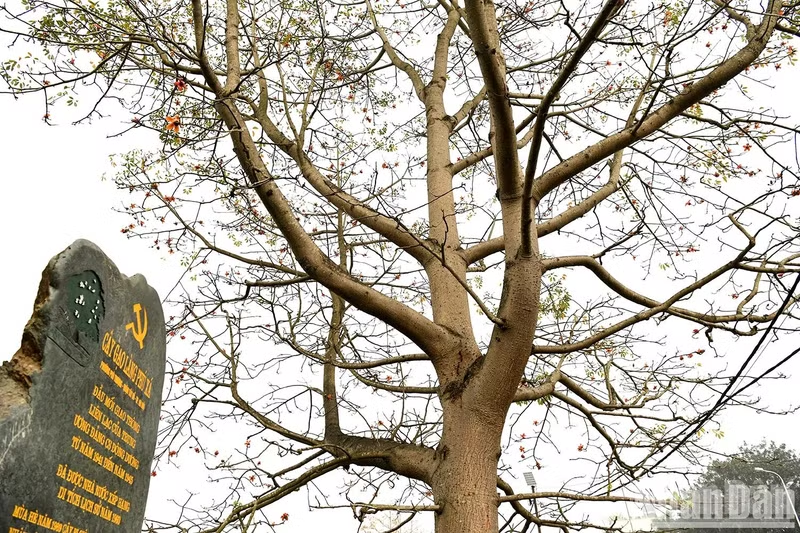 |
| Many villages regard the Bombax tree as a “historical landmark” — acting as both a symbolic icon and a spiritual anchor for the community. |
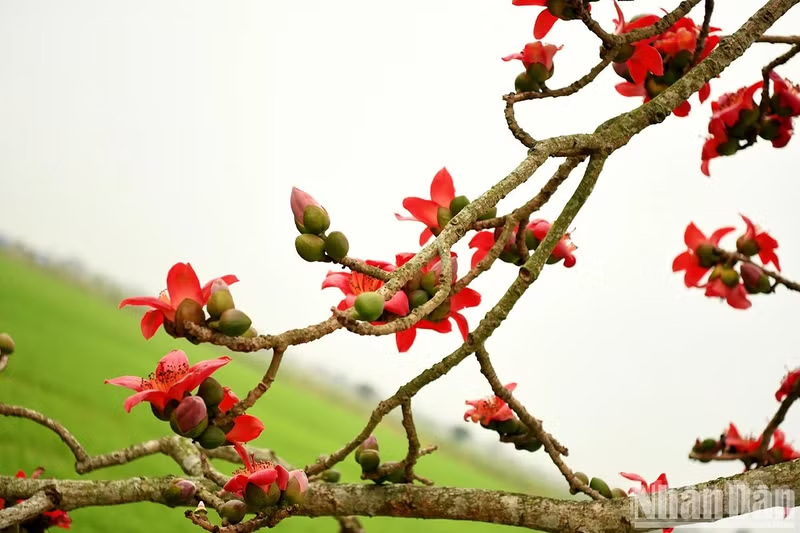 |
| As spring fades and summer arrives, the Bombax tree sheds all its leaves, leaving behind bare branches that stretch out, painting the sky in red. |
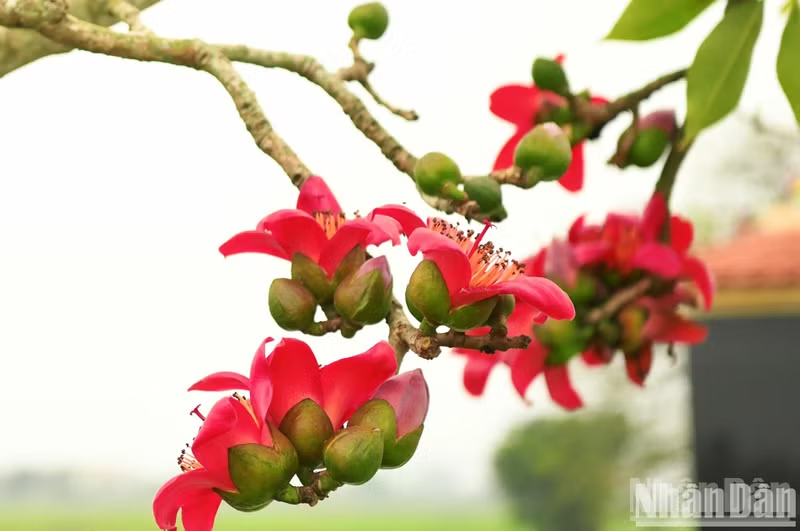 |
| From the old trunks, brilliant red flower clusters burst into bloom. |
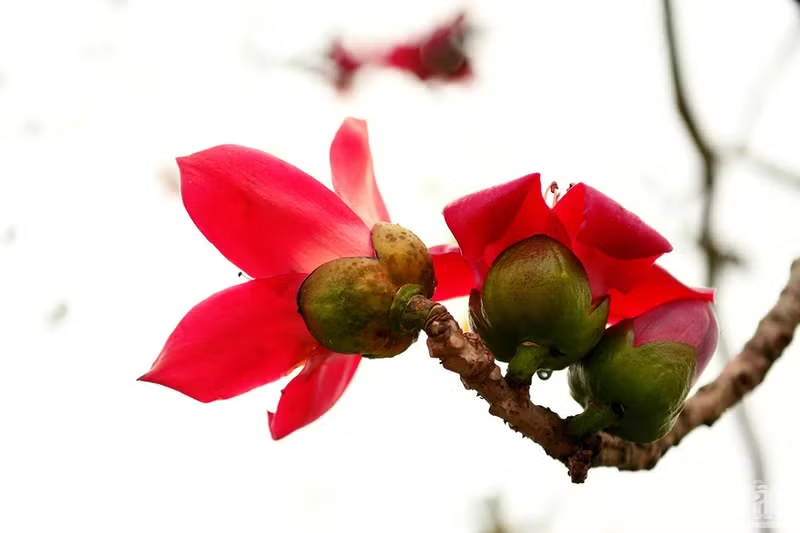 |
| Bombax flower season ignites the sky in the third lunar month. |
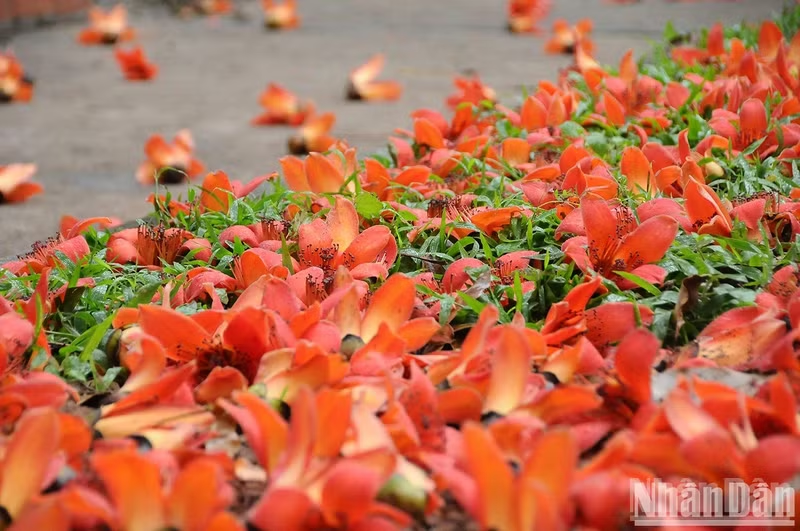 |
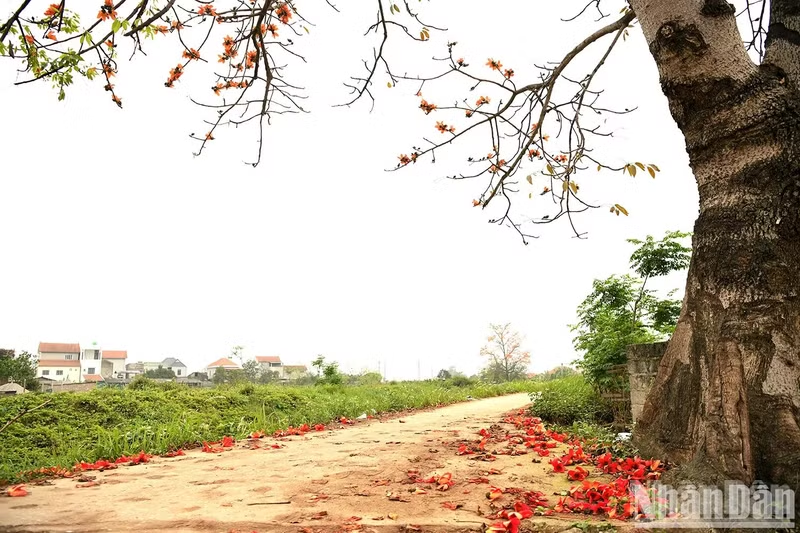
| At the end of the third lunar month, the flowers fall, carpeting the ground under the old tree in scarlet, adding a radiant yet peaceful charm to the village scene. |
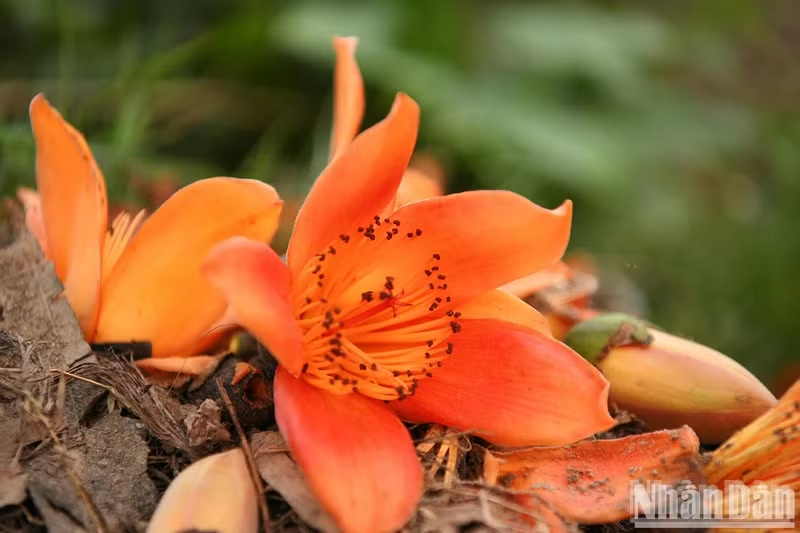 |
| Petals touch the earth like little flames lining the roads, quietly preserving a sense of tranquillity amidst the flow of spring. |
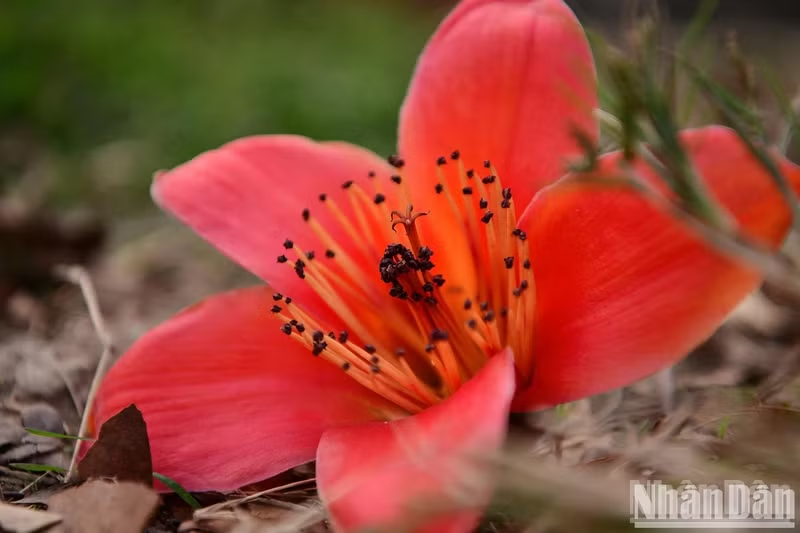 |
| The red in the third lunar month is a bridge between spring and summer. |
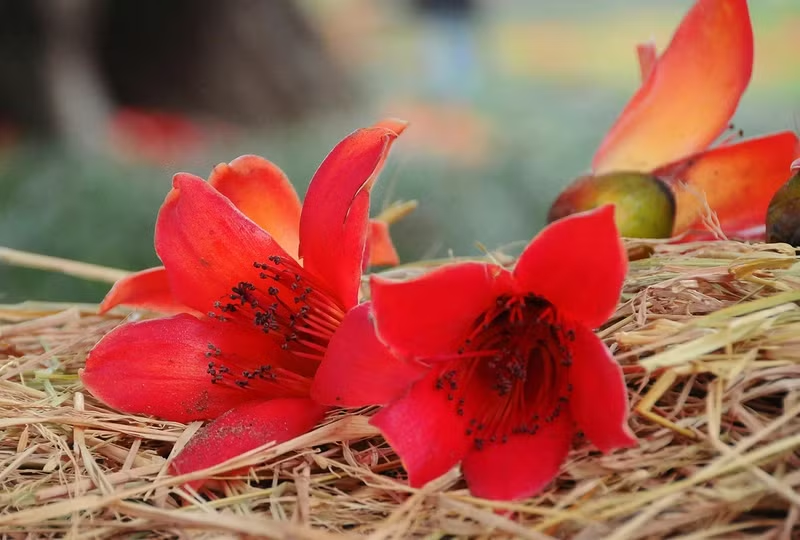 |
| The red colour in the countryside |
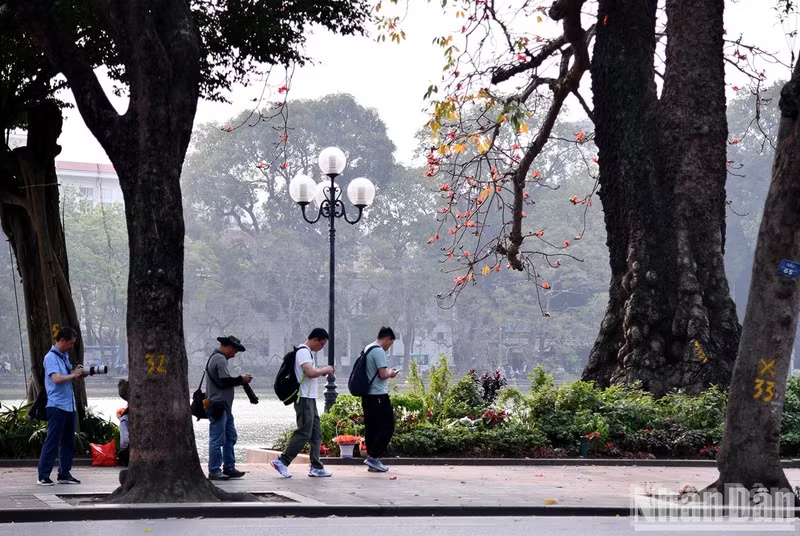 |
| From the corners of old villages to the bustling urban streets of today, Bombax flowers not only paint the space red but also light up memories and the vibrant nuances of Vietnamese culture. That red is a bridge connecting tradition and modernity, preserving the essence of home in the ever-changing rhythm of urban life. |