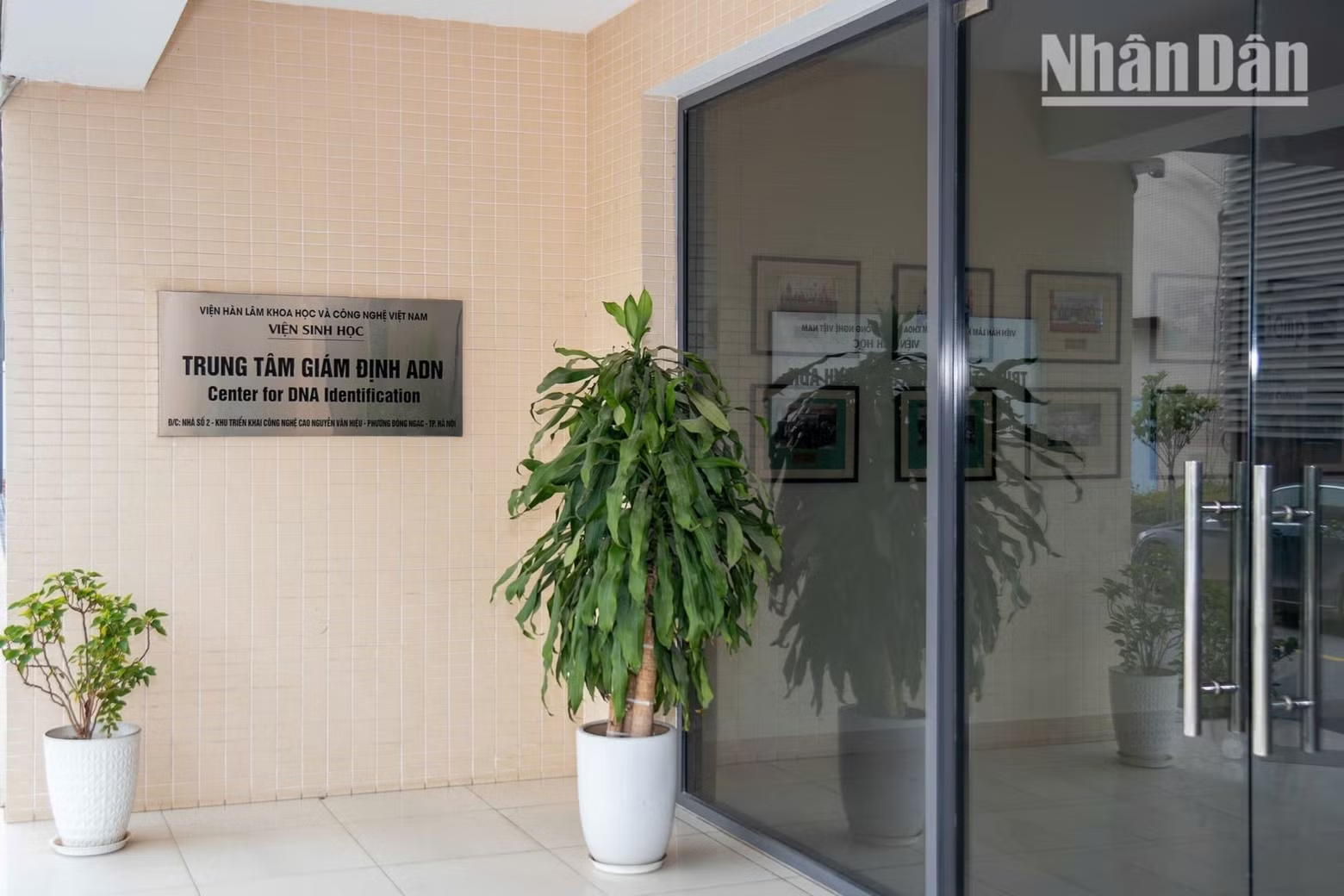
In pictures: Inside the DNA Identification Centre decoding the DNA of fallen soldiers
The Centre for DNA Identification under the Viet Nam Academy of Science and Technology is striving to fulfil a historic mission: identifying the remains of thousands of fallen soldiers whose identities are still unknown.
By applying the next-generation sequencing (NGS) technology, traces of the nation’s heroes, buried deep beneath the soil and worn away by time and harsh environmental conditions, are gradually being reconstructed.
The mission to search for, recover, and identify the remains of fallen soldiers, combined with the outstanding capabilities of NGS technology, is bringing renewed hope of reunion to millions of families after decades of waiting.
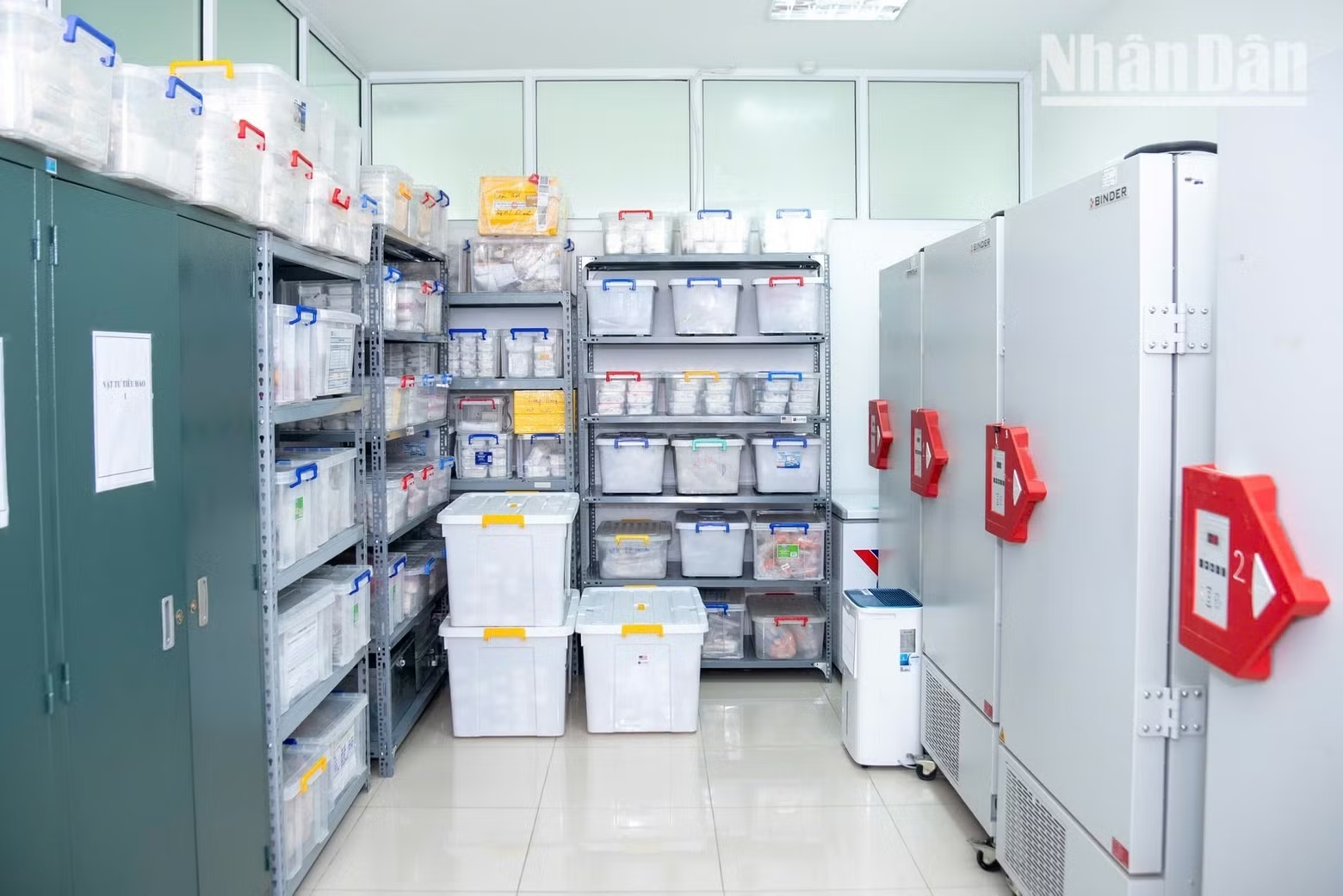
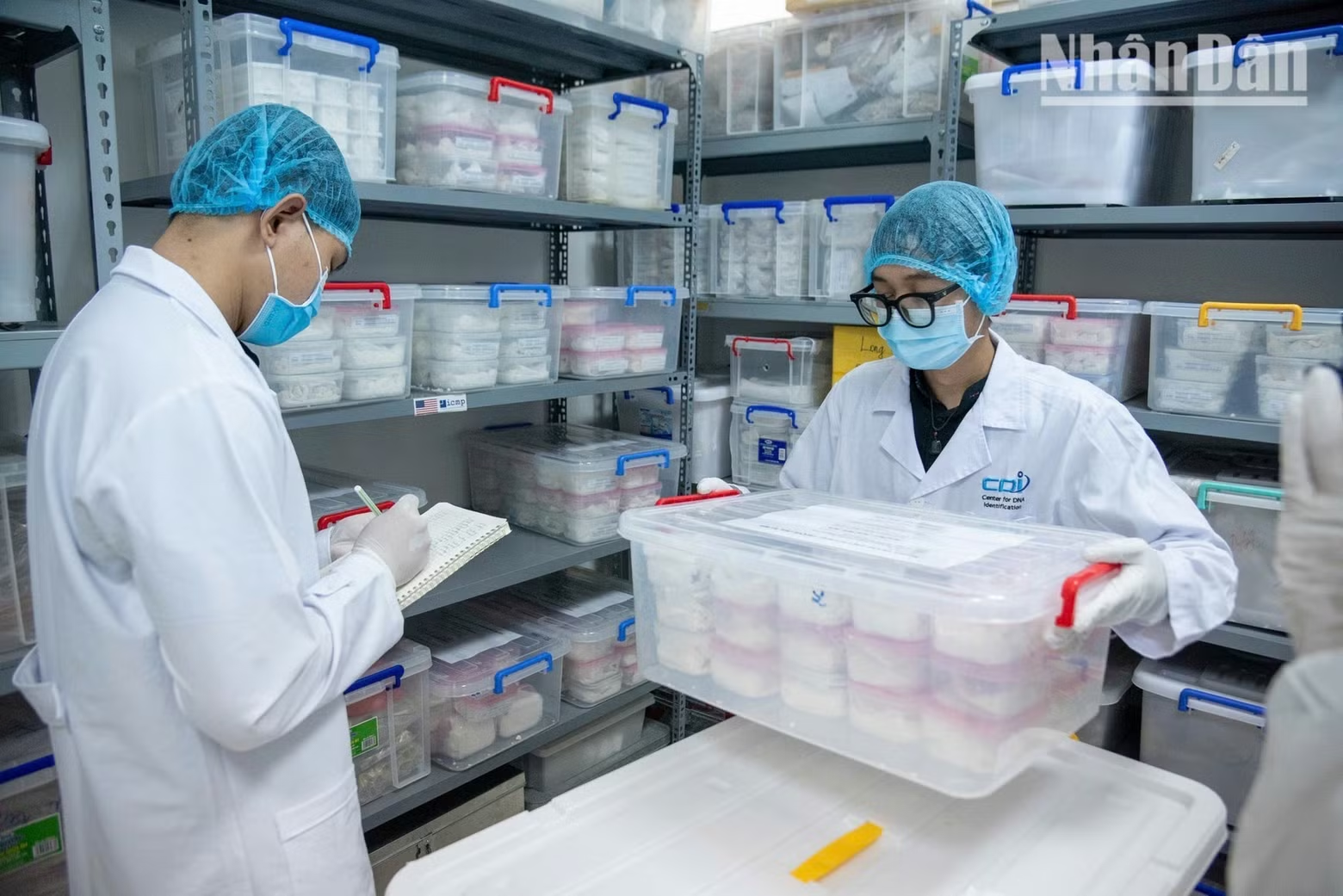
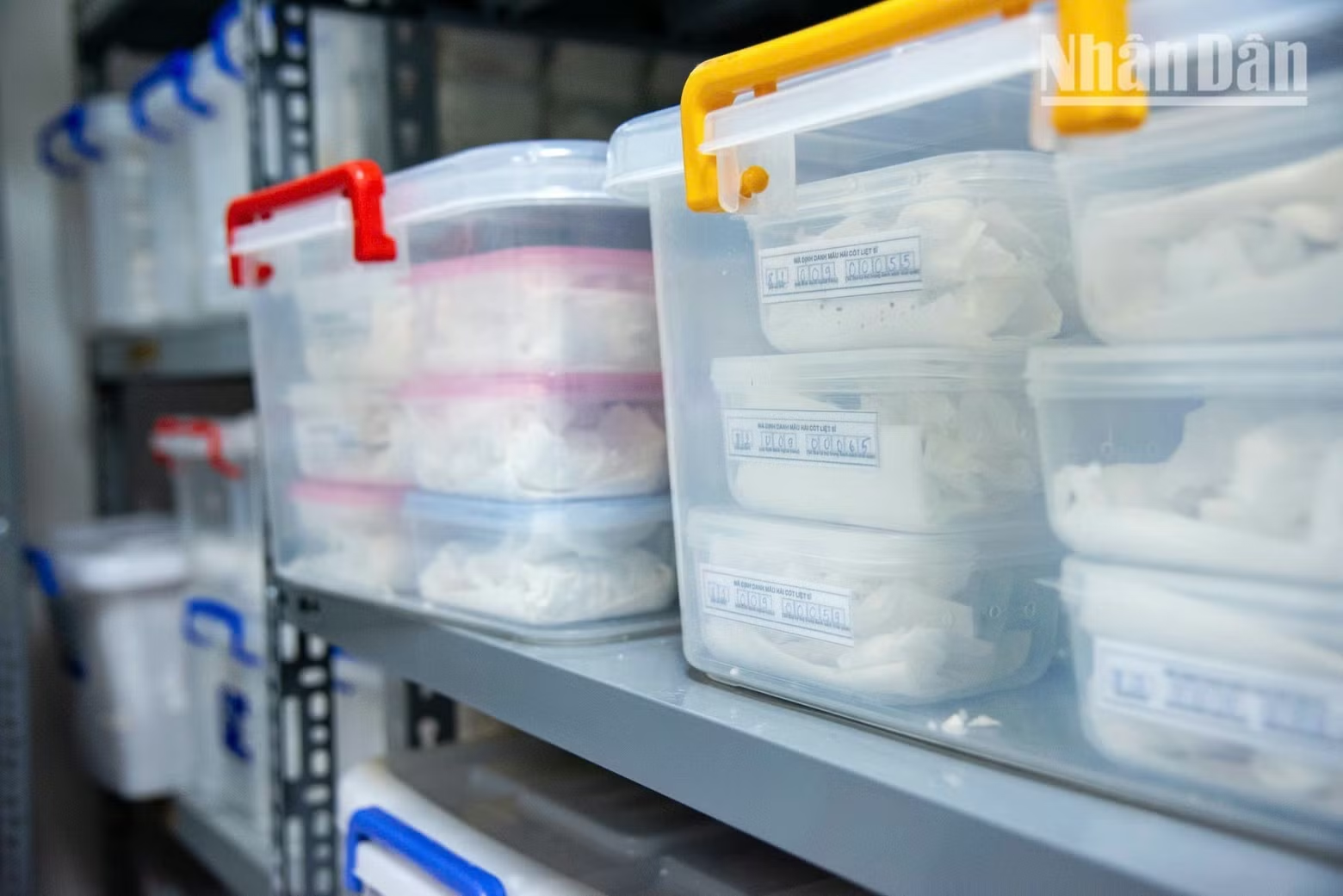
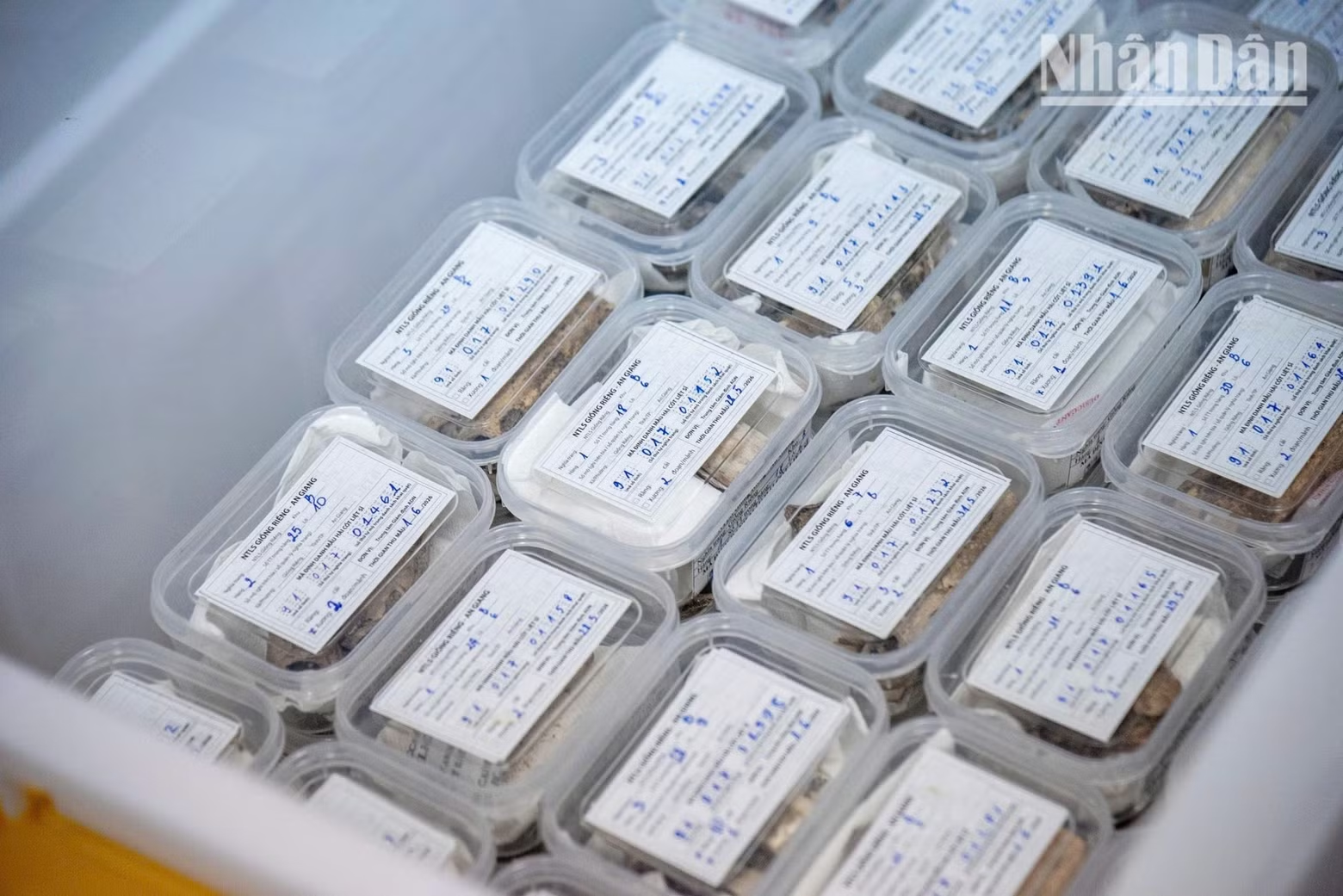
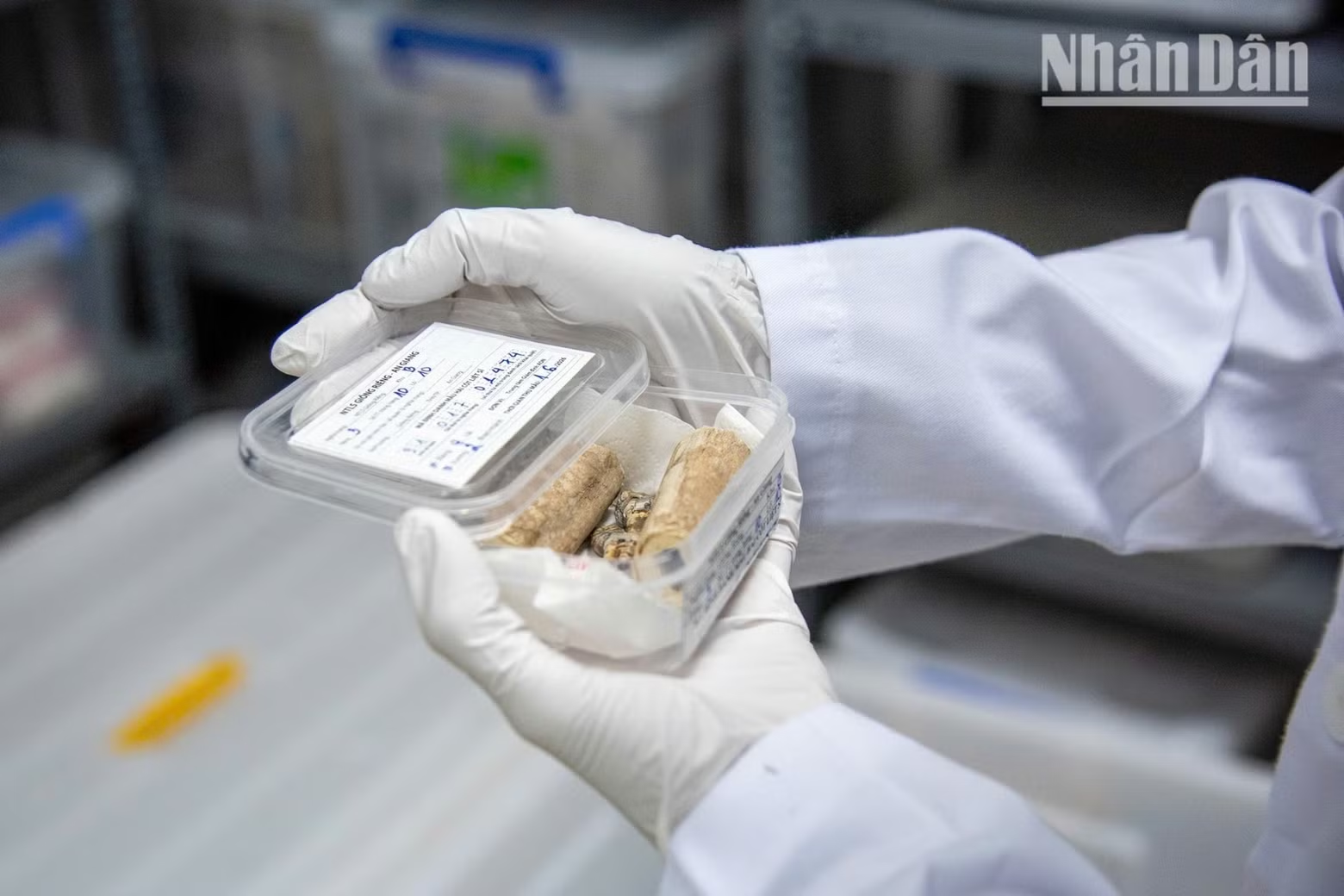
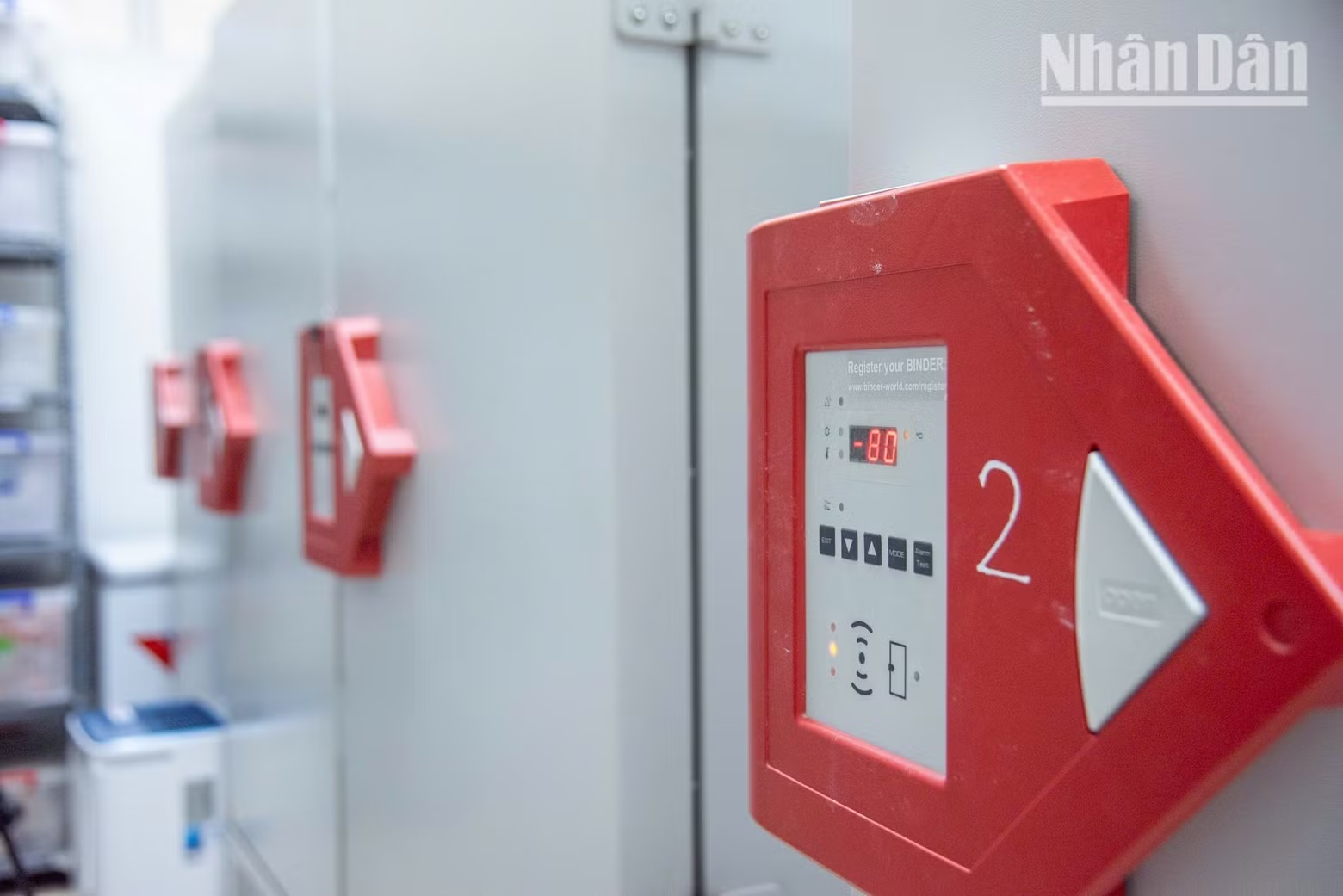
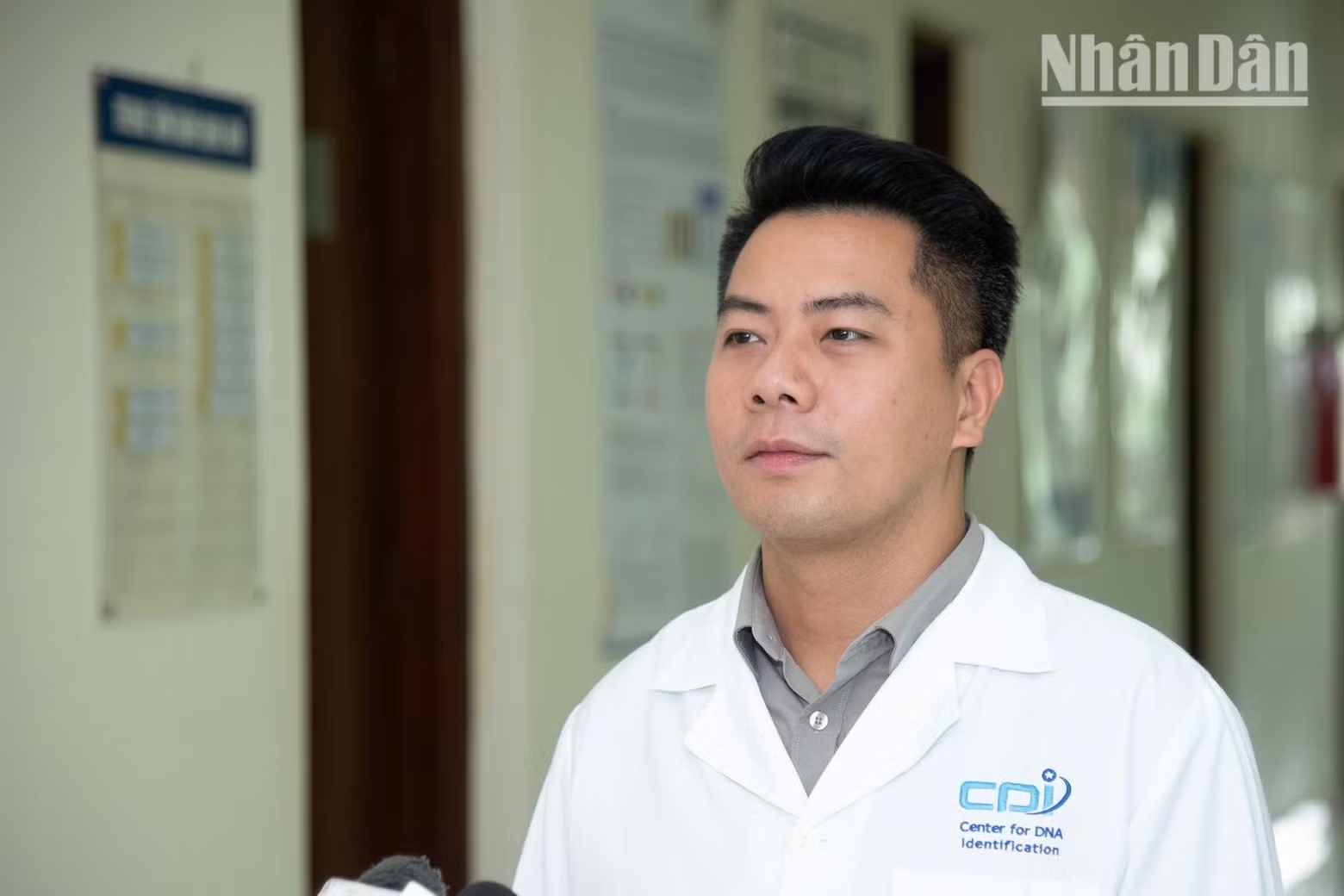
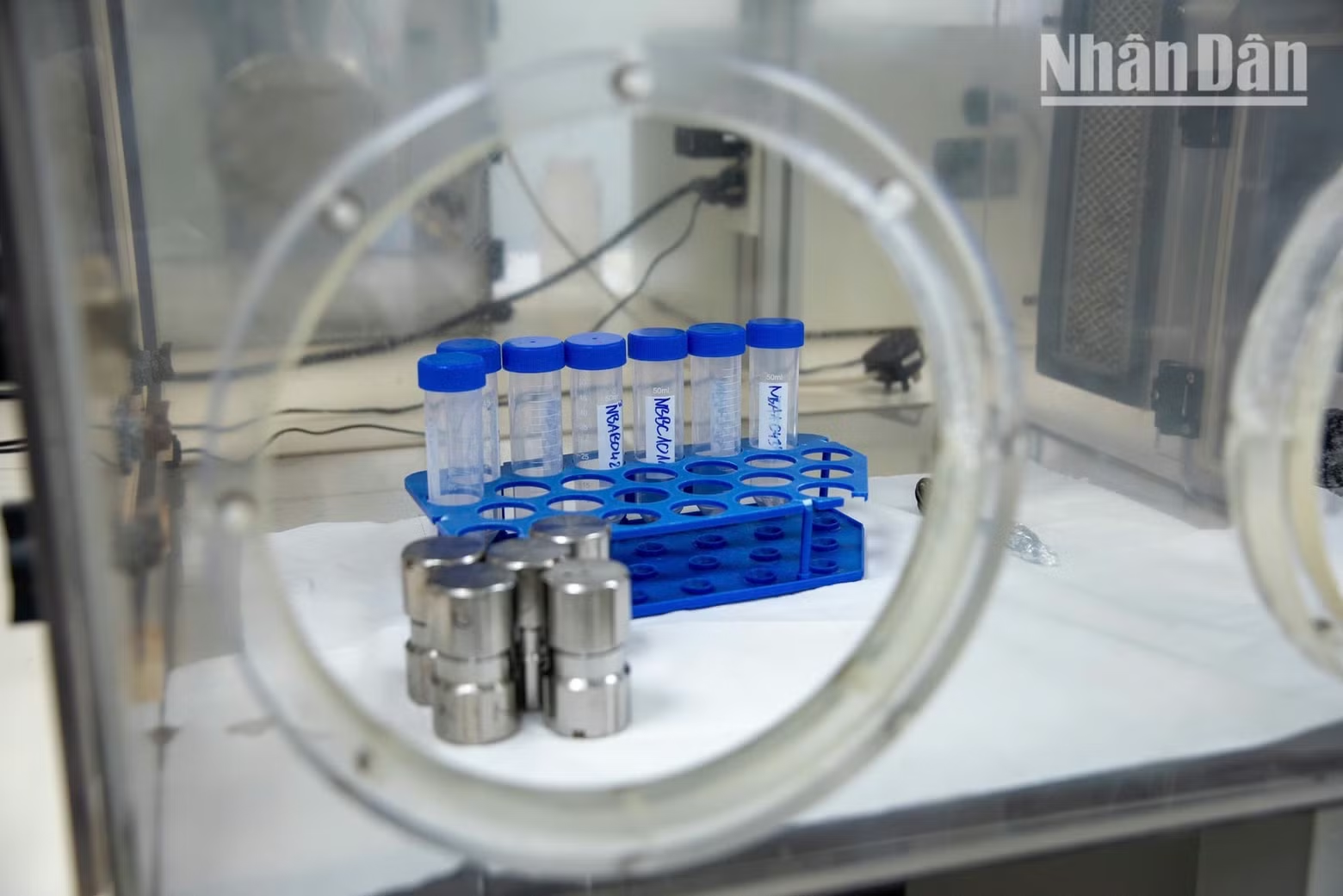
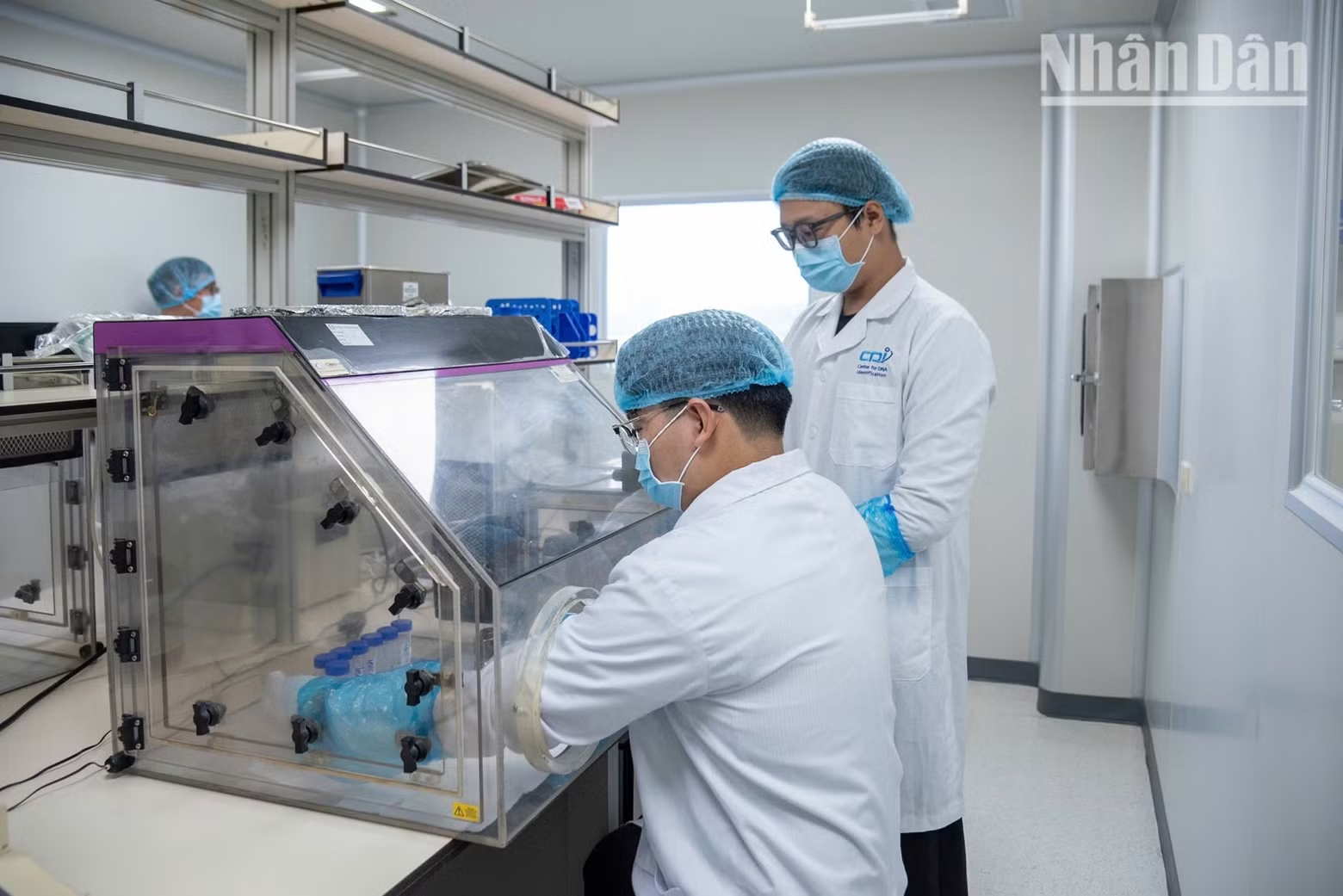
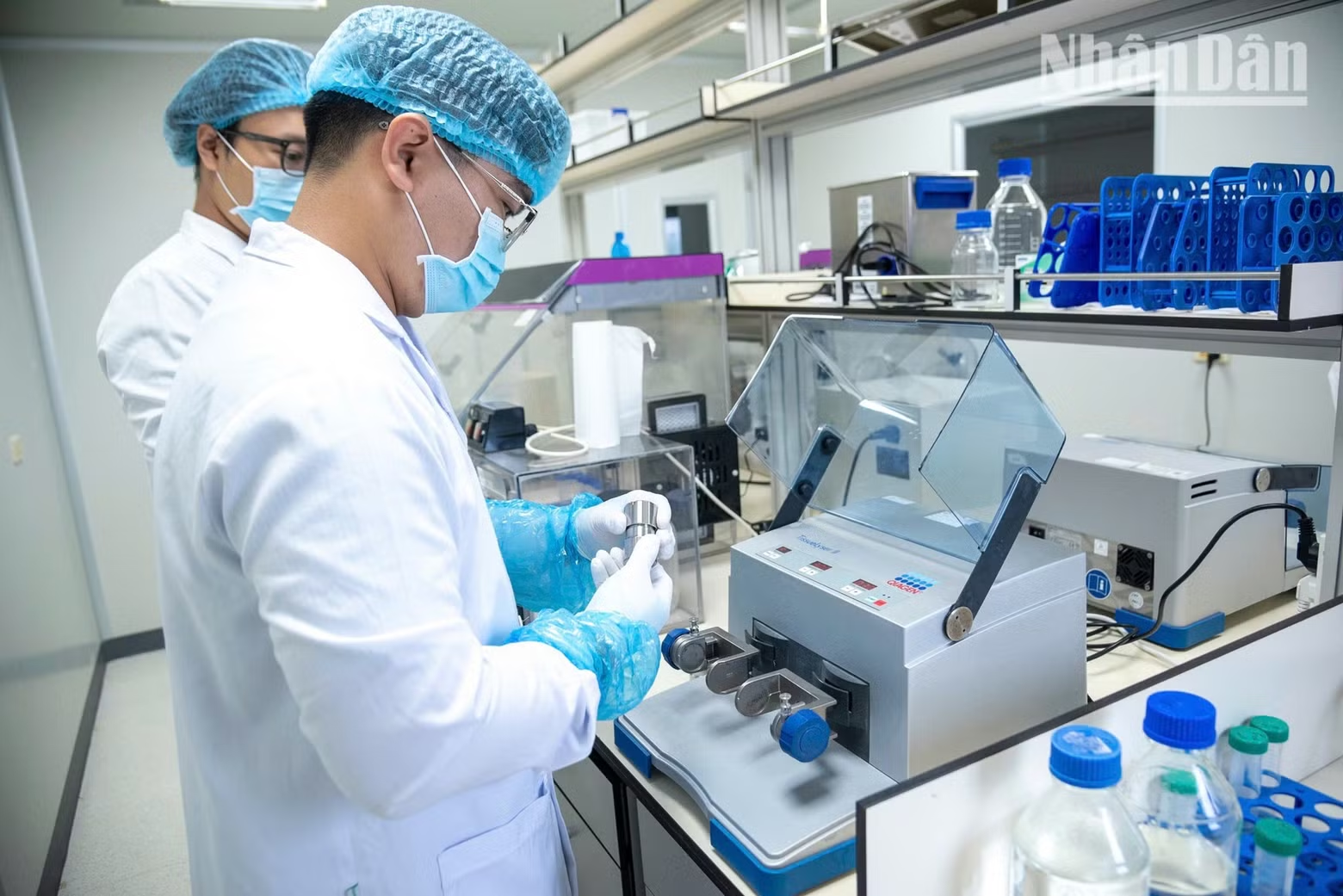
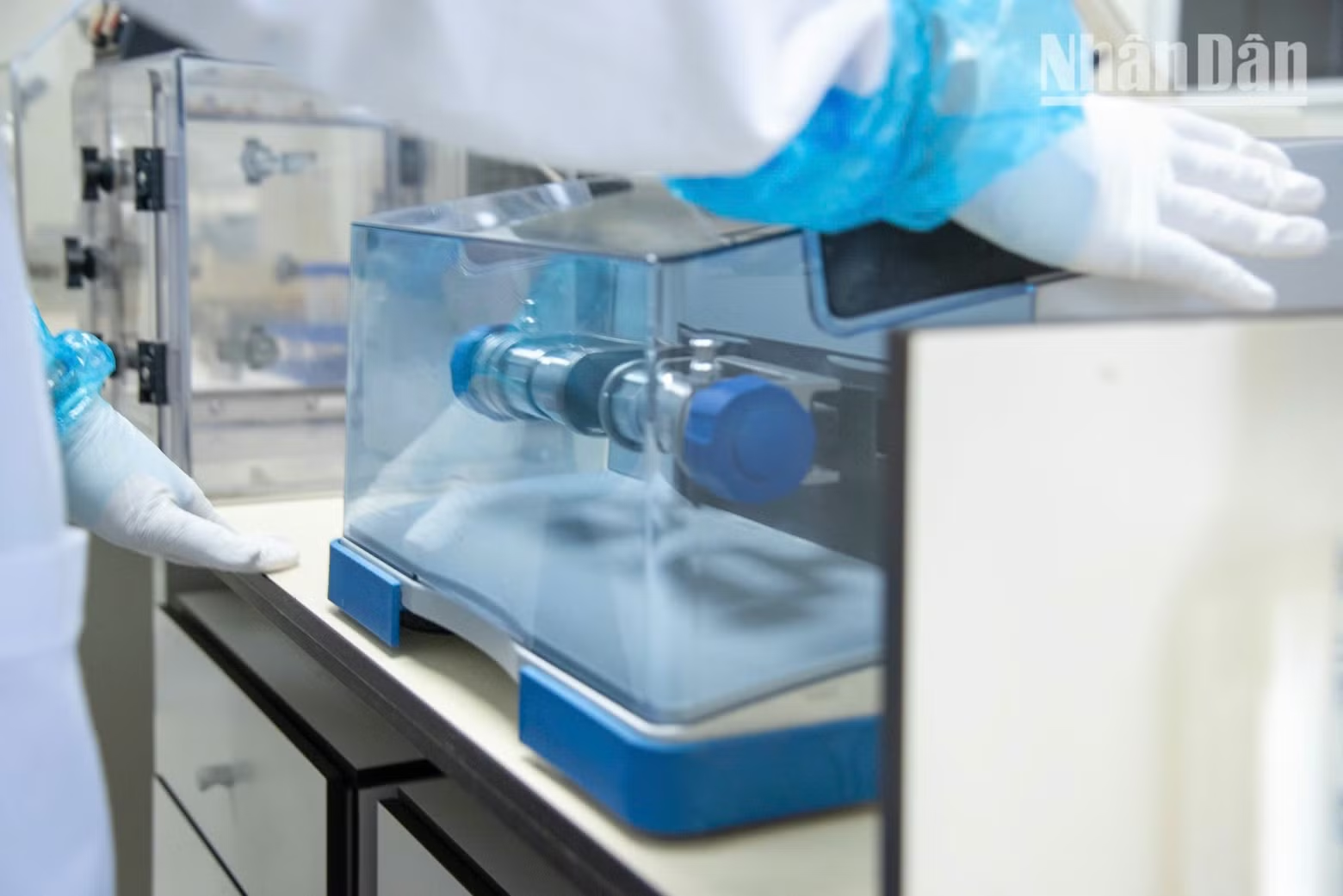
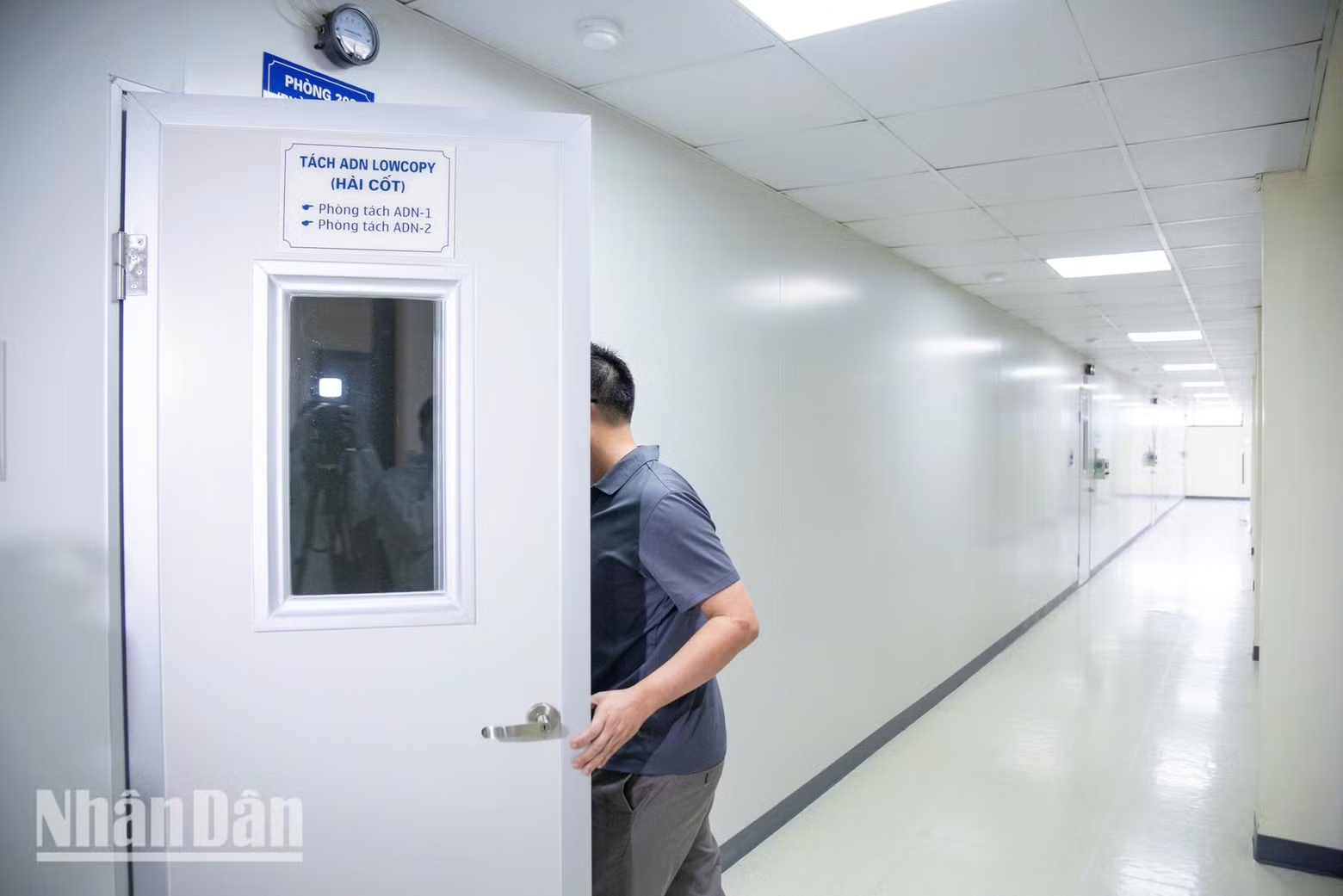
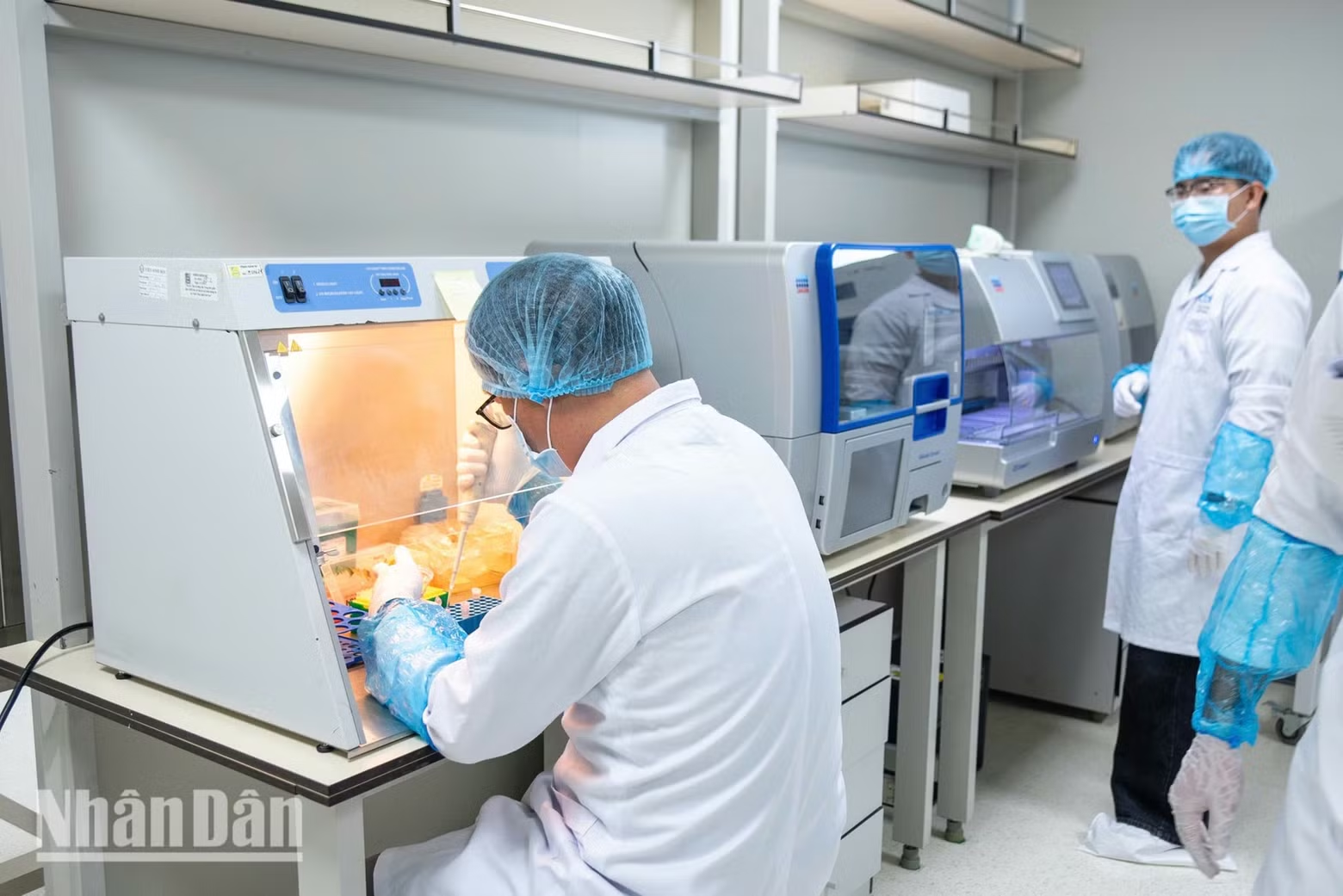
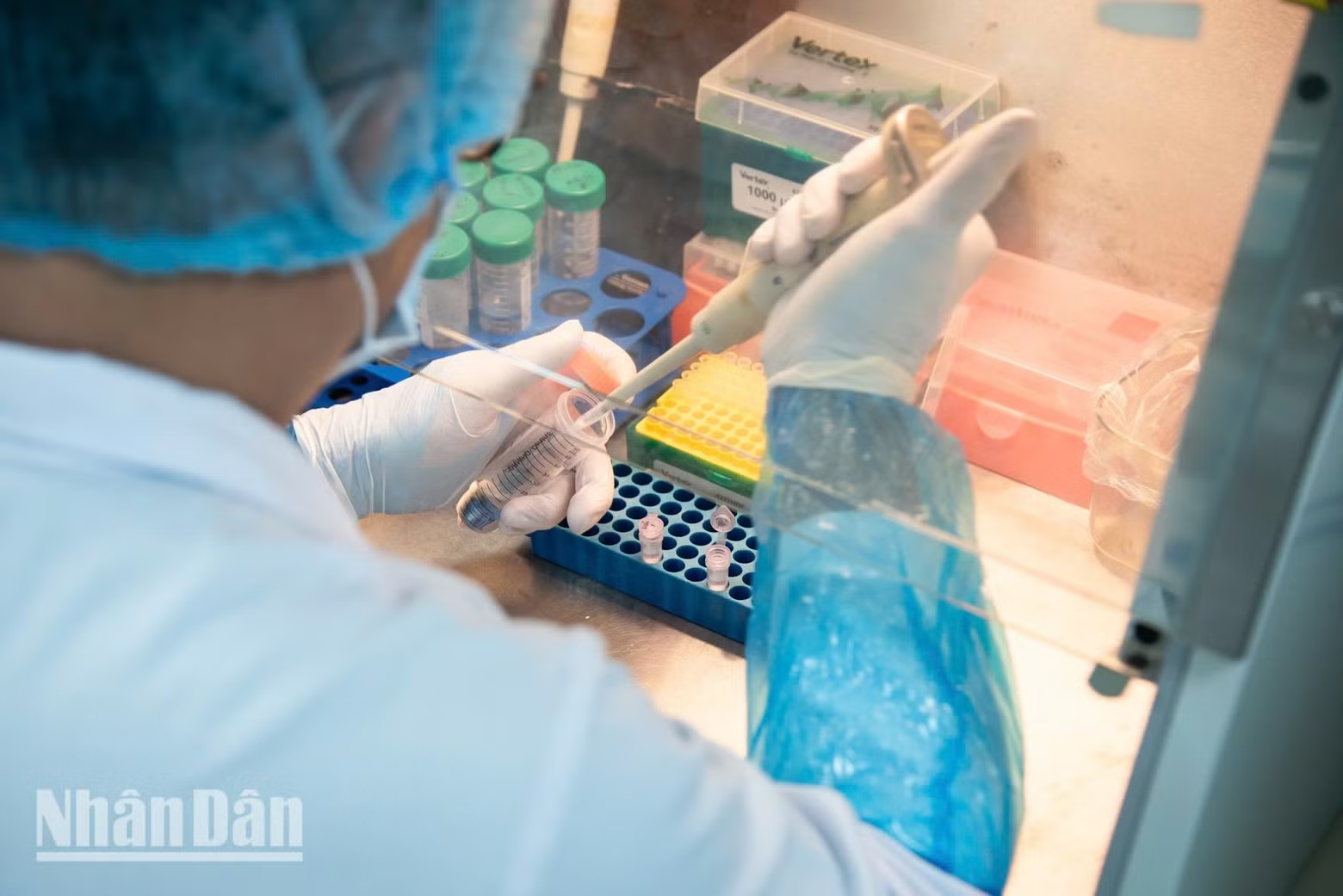
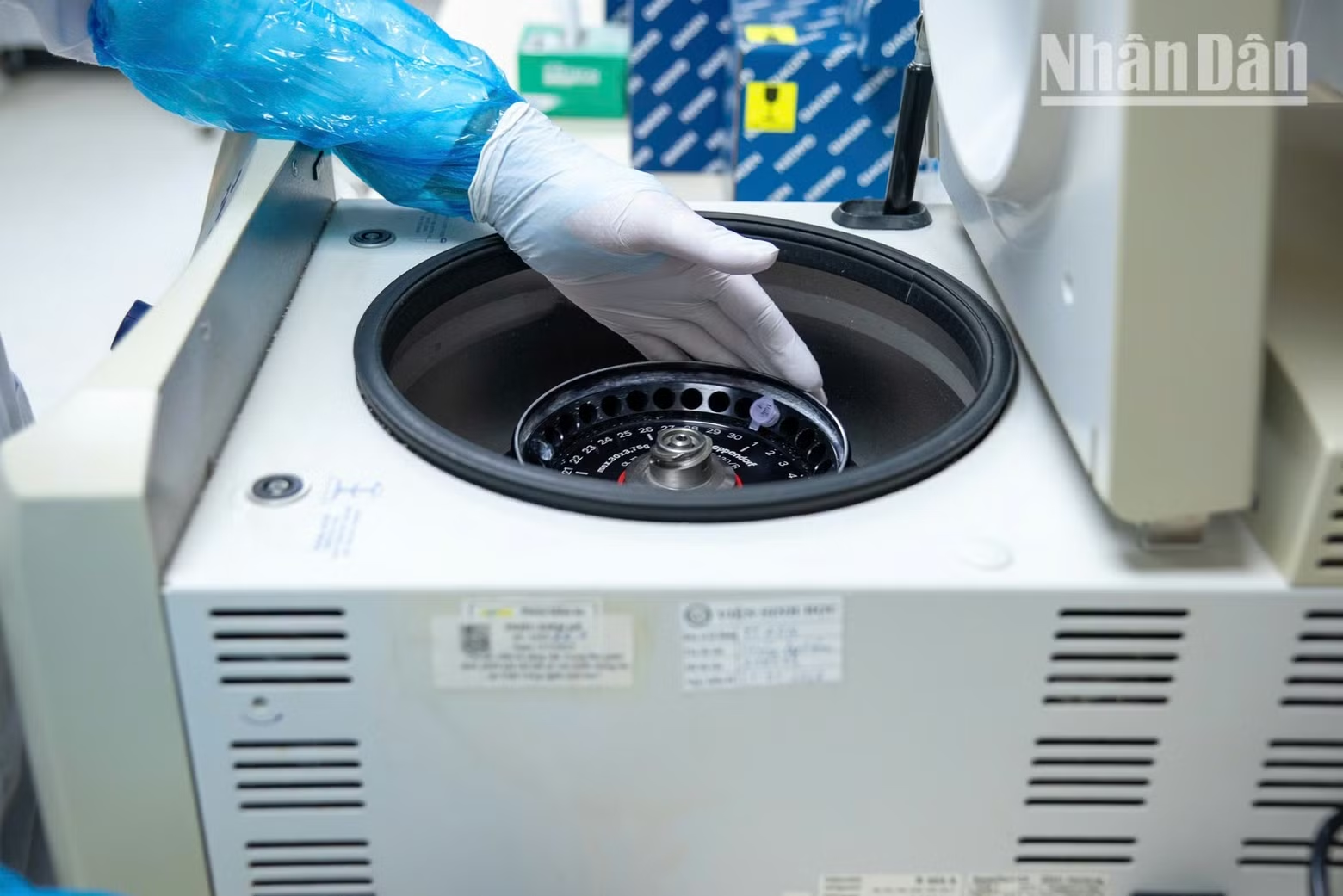
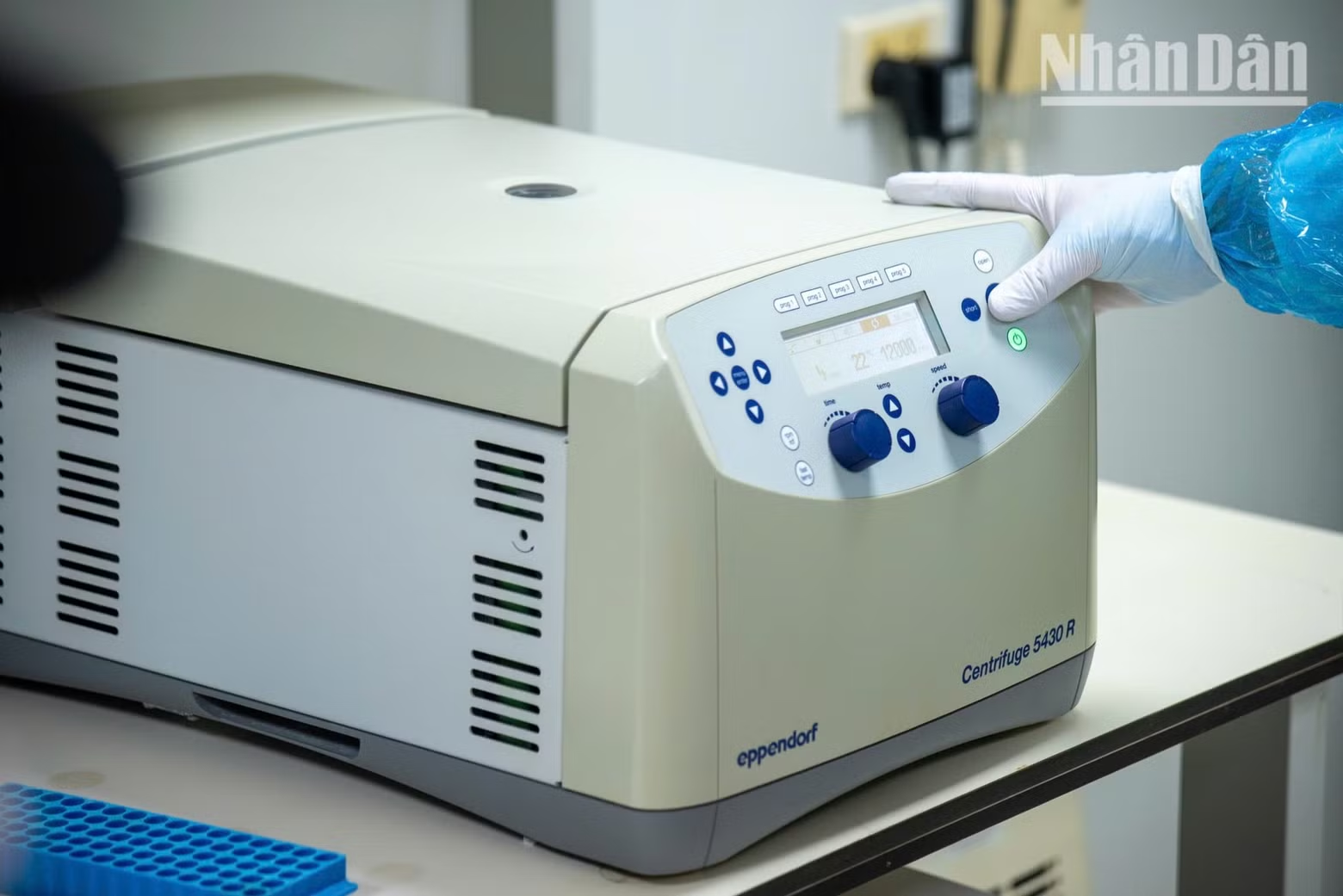
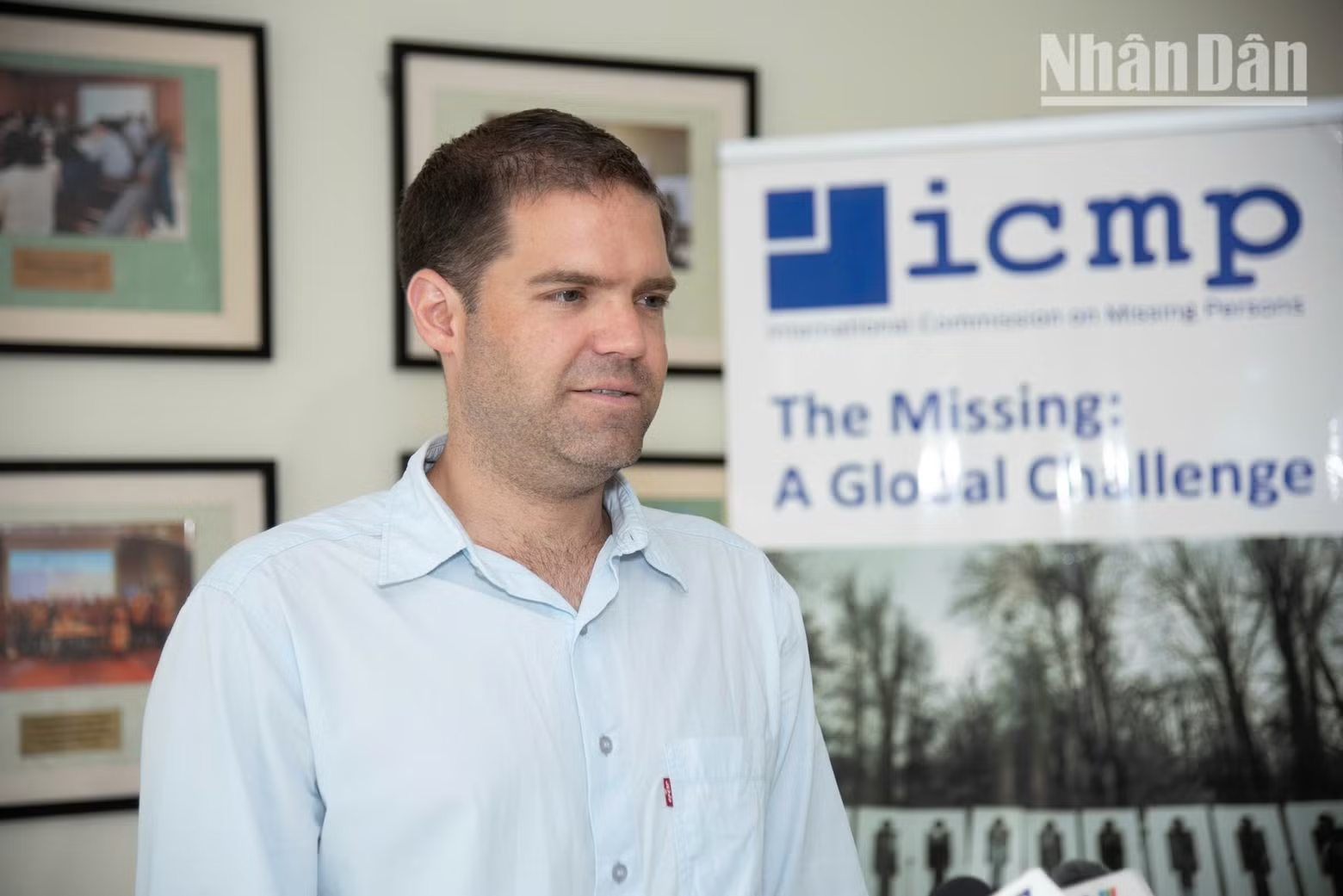
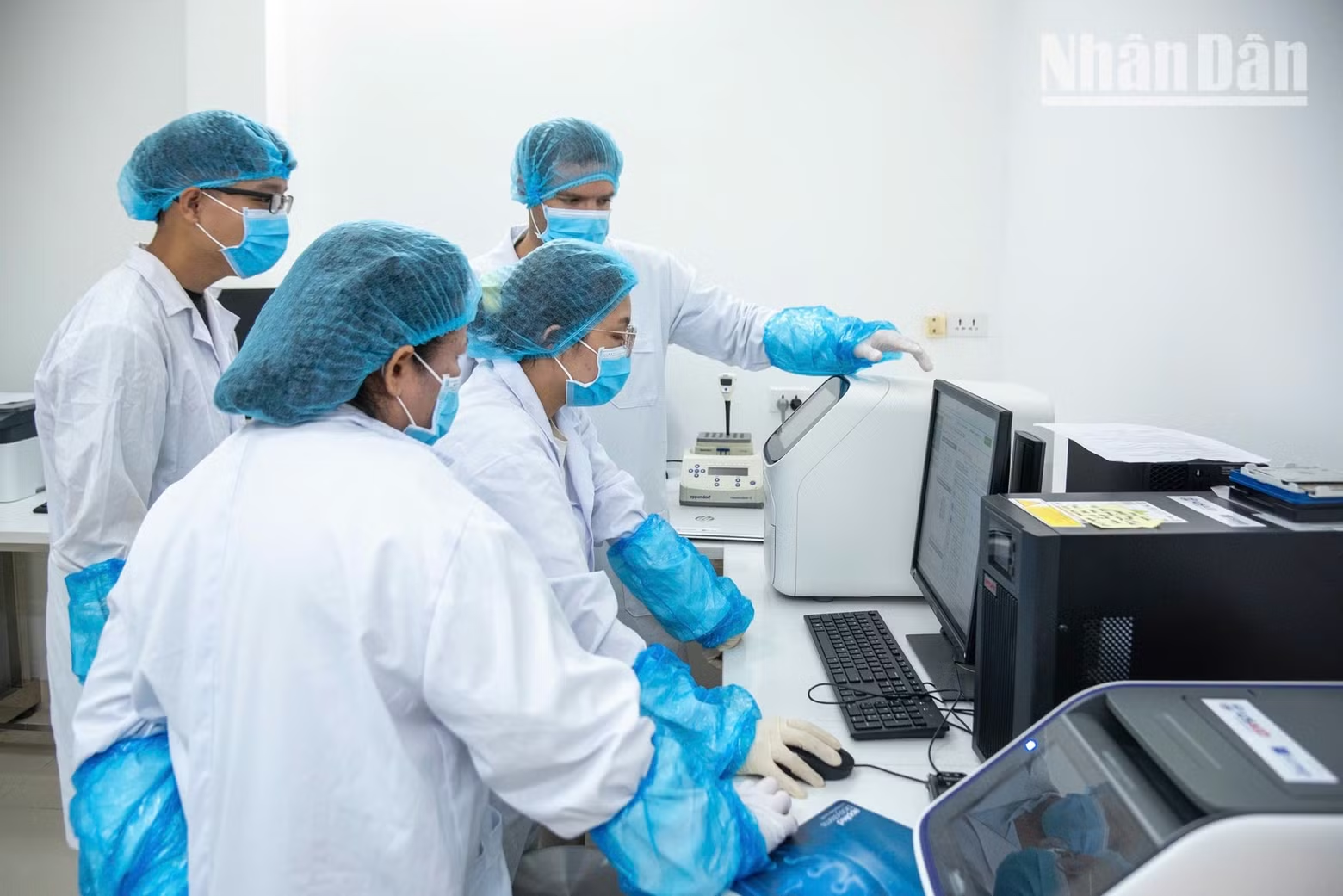
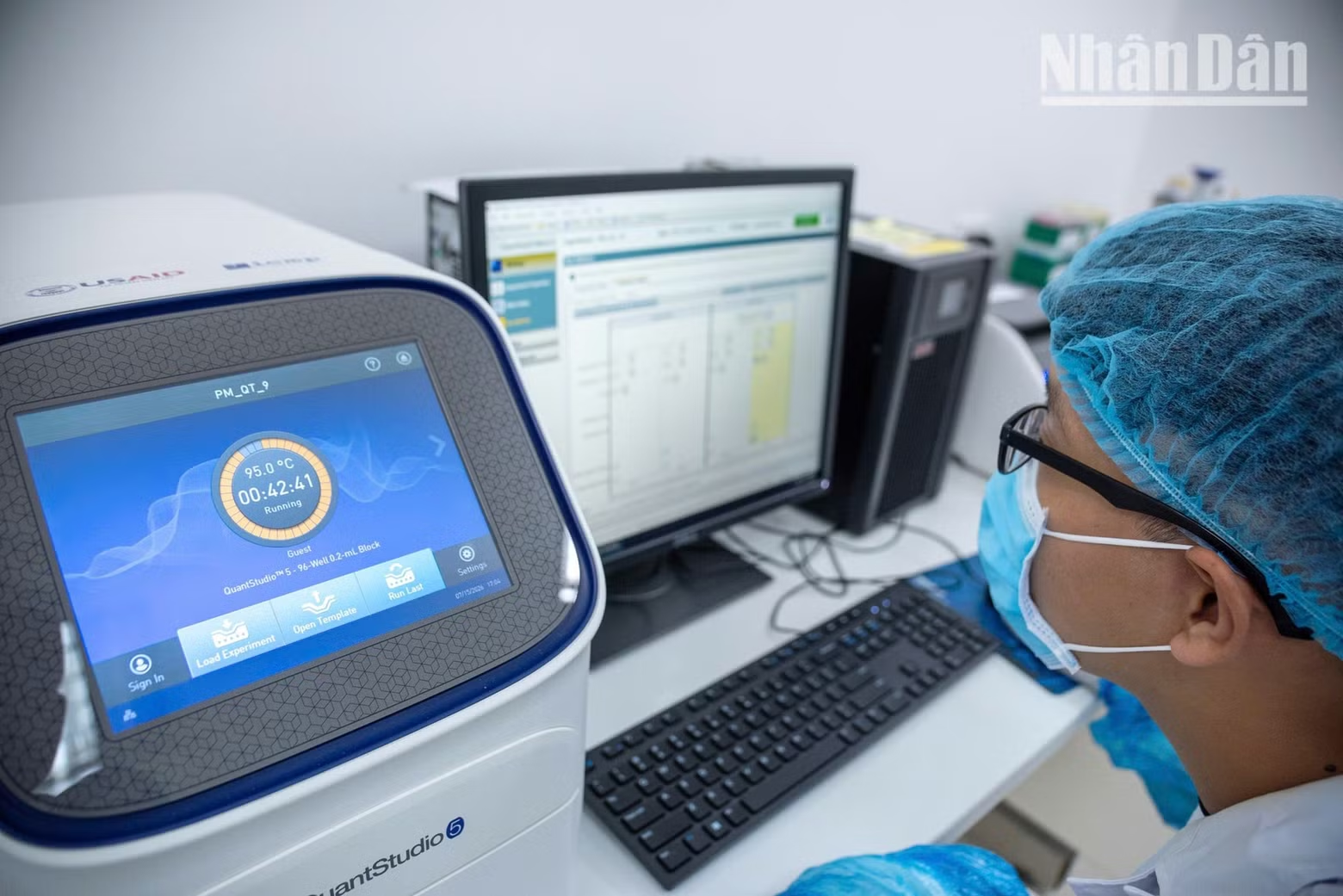
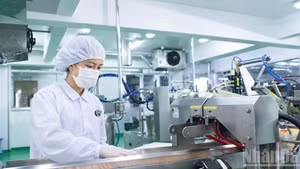
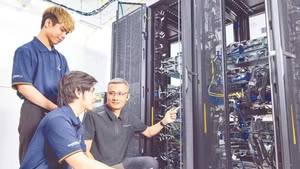
The Centre for DNA Identification has mobilised all available resources towards restoring the identities of heroes whose names remain unknown.A specially designed storage room, where more than 10,000 samples of fallen soldier remains that have been recovered from cemeteries across the country are kept under strict preservation conditions.Many bone samples have been buried underground for between 50 and 80 years.Unlike conventional storage, thousands of bone samples are carefully cleaned and packed in transparent specialist plastic containers, then systematically arranged on shelving units, enabling experts to monitor and preserve them under strict conditions before analysis.The tropical climate has had a significant impact on the integrity of the remains, severely degrading many of the excavated samples and presenting enormous challenges for the identification process.Upon receipt, each sample is stored in the repository and assigned a unique identification code, which is integrated into a digital management system.Inside the storage facility, ultra-low-temperature freezers operating at minus 80°C play a crucial role in the long-term preservation of sensitive genetic material as it prevents DNA degradation caused by the hot and humid tropical environment, thus ensuring the highest possible sample quality for subsequent sequencing.Tran Trung Thanh, Director of the Centre for DNA Identification, speaks about the pressure of completing the analysis of more than 6,600 samples within a short period, describing it as a demanding yet noble and deeply humanitarian mission.In a sterile environment, each tiny bone fragment is grounded into a fine powder using a specialist metal mortar, preparing it for DNA extraction.The entire grinding process is carried out in a dedicated sample preparation room and within a fully sterile fume hood.After preliminary preparation, the bone fragments are placed into a bead mill.Offering clear advantages over manual grinding, the high-frequency vibration system generates powerful yet uniform mechanical force that completely breaks down the calcified bone structure into an ultra-fine powder ready for the subsequent chemical lysis stage.Experts say that DNA extraction is the most critical stage in the six-step process, as accurate sequencing can only proceed once a sufficient quantity of high-purity DNA has been obtained.Using an automated pipette to transfer an extremely small volume of sample into a test tube is a fundamental technique that nevertheless demands exceptional precision to ensure the optimum amount of DNA is recovered.Using a new disposable pipette tip for every transfer is a mandatory procedure to eliminate any risk of cross-contamination between DNA samples.After the powdered bone sample undergoes chemical lysis, the resulting solution is placed in a centrifuge to completely separate the DNA-containing liquid from the remaining bone fragments and impurities.Under centrifugal force, the bone debris and impurities settle at the bottom, leaving the upper layer of extracted solution containing the DNA fragments ready for collection.According to an expert from the International Commission on Missing Persons (ICMP), given Viet Nam’s hot and humid tropical climate, adopting NGS technology is the most effective solution for analysing degraded samples.Experts discuss the integrated data management system, which stores and automatically matches tens of thousands of genetic records.A specialised real-time PCR system, designed specifically for forensic applications, is used to accurately quantify DNA before it undergoes more advanced analysis.
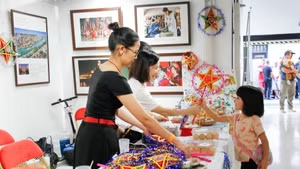
Twenty outstanding entries from the children’s drawing and poetry competition ‘Telling Stories Under the Moon’ are now on display at the editorial office of Thieu nien Tien phong va Nhi dong (Young Pioneers and Children) Newspaper in Ha Noi.