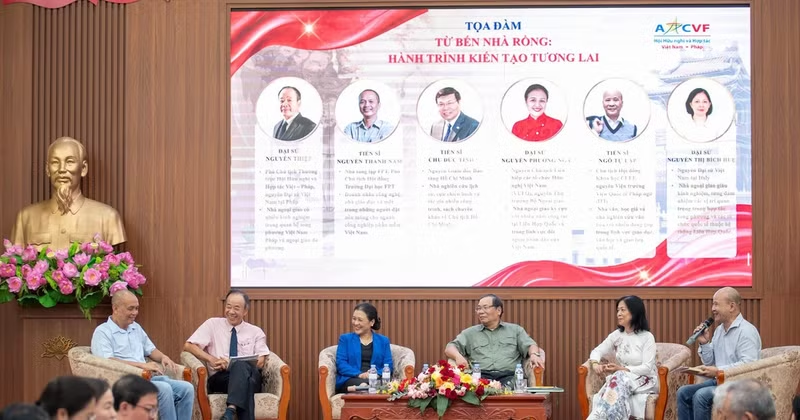
The event carried deep political and cultural significance. One hundred and fifteen years ago, on June 5, 1911, the nation witnessed a historic milestone when the young patriot Nguyen Tat Thanh departed from Nha Rong Wharf to seek a path for national liberation. His only possessions at the time were an unyielding will and a burning aspiration for independence.
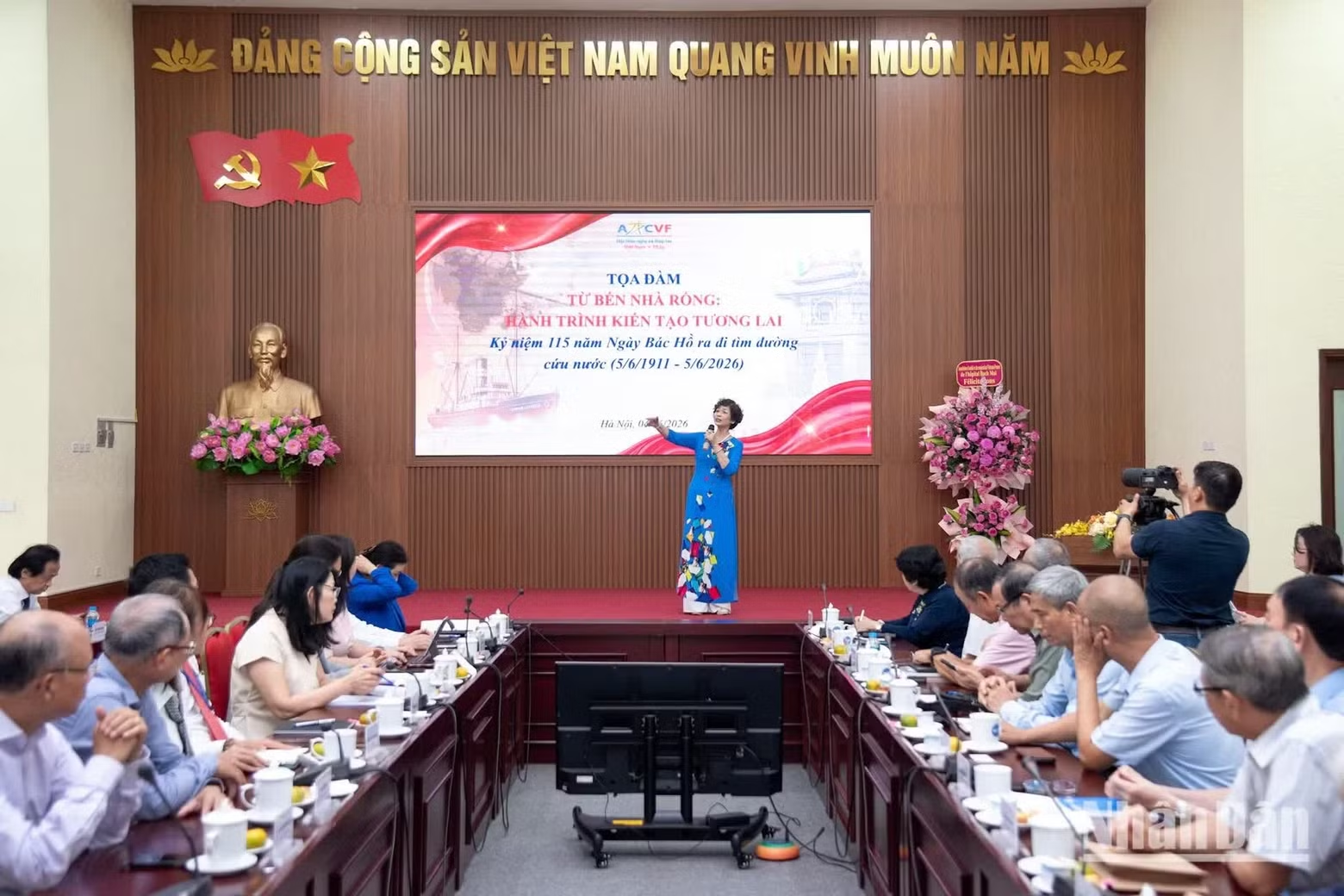
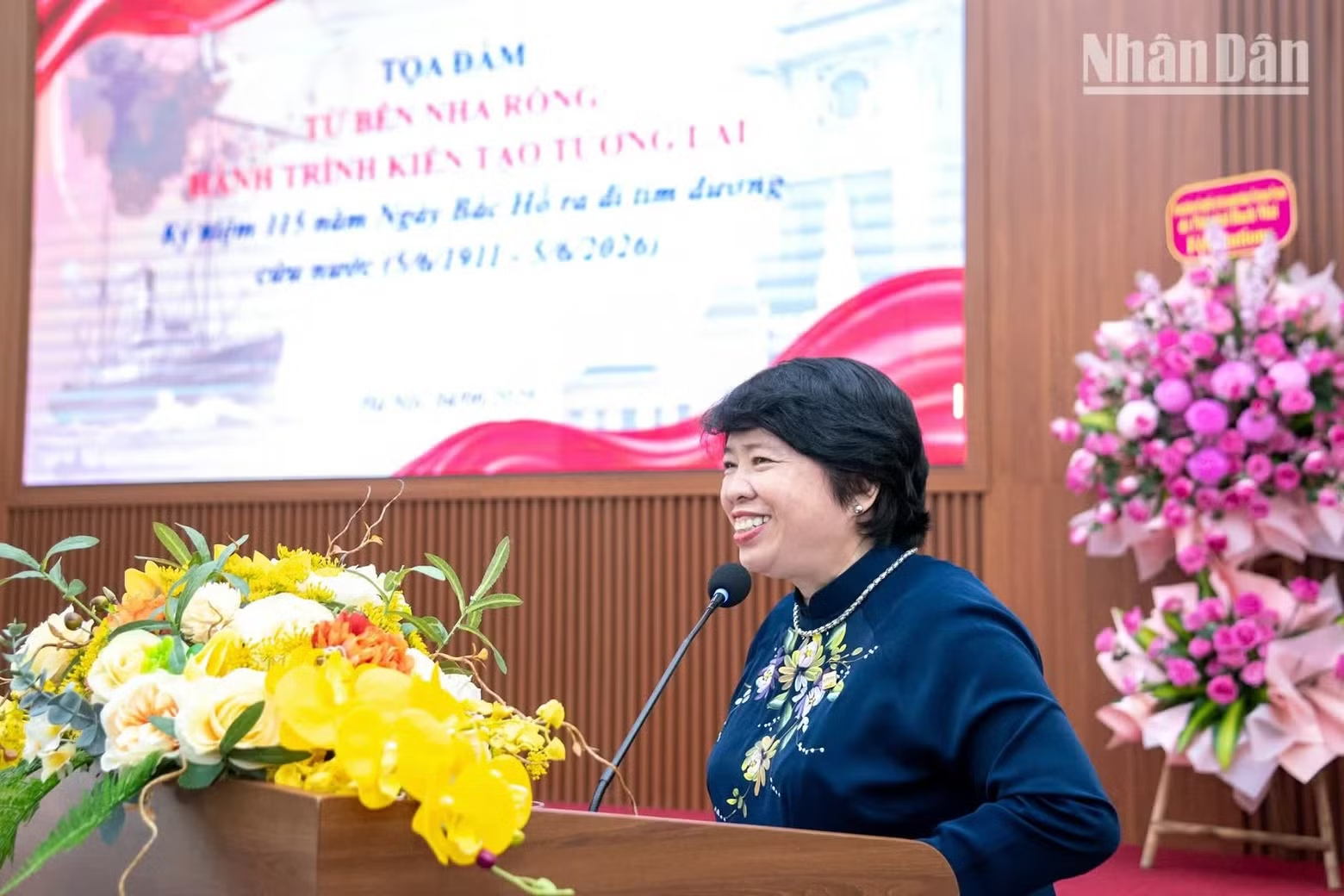
In her opening remarks, Nguyen Thuy Anh, President of the Viet Nam–France Friendship and Cooperation Association, revisited the historical context surrounding that life-changing journey. She emphasised that, 115 years ago, the young patriot Nguyen Tat Thanh’s decision to board the Amiral Latouche-Tréville ship was an act of remarkable courage at a time when other patriotic movements had reached an impasse.
While in France, he had the opportunity to engage with major intellectual currents of the era and directly observe Western political and social life, helping to shape a diplomatic mindset deeply imbued with President Ho Chi Minh’s distinctive identity.
According to Thuy Anh, Uncle Ho’s three-decade journey across numerous countries symbolised enduring values that continue to resonate in the hearts of the Vietnamese people: genuine patriotism, openness to learning from the world, the fusion of national strength with the spirit of the times, self-reliance and international solidarity.
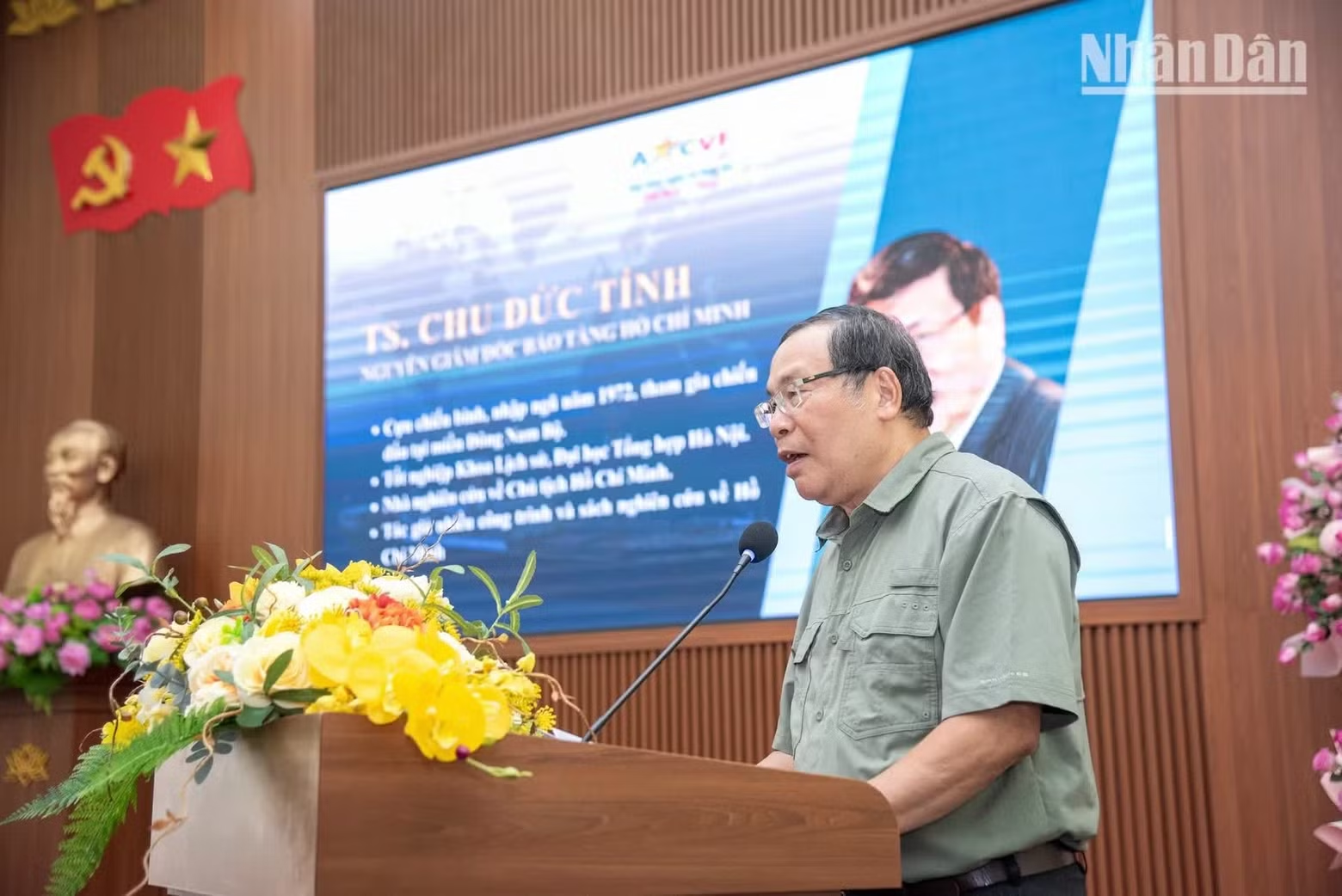
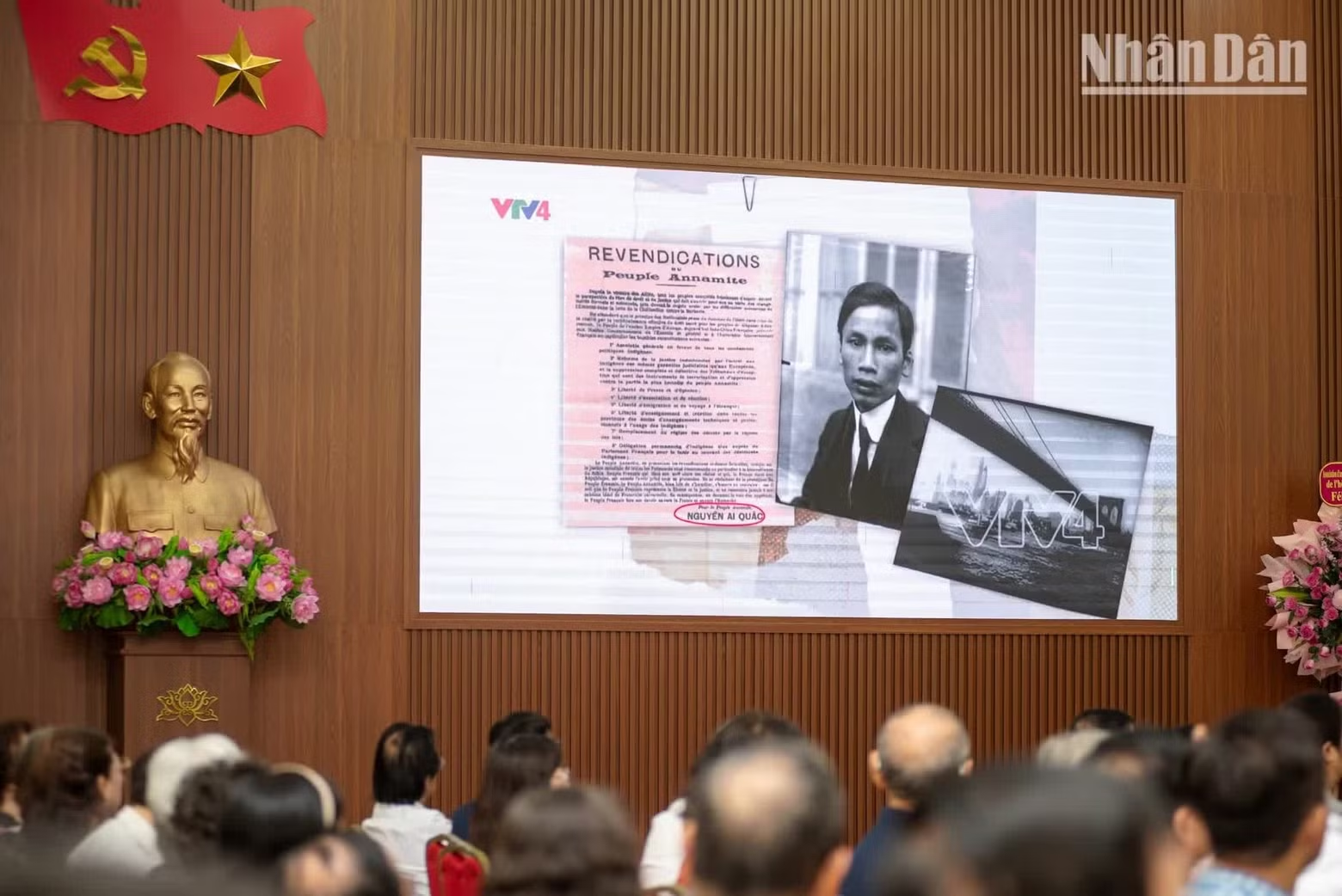
Dr Chu Duc Tinh, former Director of the Ho Chi Minh Museum, presented an in-depth paper entitled “From Saigon Wharf: A Journey Towards Independence and Freedom”.
Dr Chu Duc Tinh vividly recounted President Ho Chi Minh’s life and career. According to Dr Tinh, patriotic predecessors such as Phan Chu Trinh, Phan Boi Chau and Hoang Hoa Tham were admirable patriots, but their chosen paths were not entirely suited to the era. The vision of the patriotic young man Nguyen Tat Thanh was far more innovative and distinct: independent thinking and self-determination were the most appropriate path for the nation.
Dr Chu Duc Tinh stressed that the years of hardship and travel across France, the US, the UK and Russia enabled Nguyen Ai Quoc to encounter Lenin’s theses, through which he discovered the path of proletarian revolution — the only path capable of liberating the nation.
During the 34 years from 1911 to 1945, he achieved three great founding milestones: the Communist Party of Viet Nam, the National United Front and the Democratic Republic of Viet Nam. President Ho Chi Minh’s spirit and ideology continue to offer invaluable lessons to younger generations today: the courage to think, act and take responsibility, while always placing national interests above all else.
The diplomatic philosophy underpinning President Ho Chi Minh’s journey abroad and his lifelong commitment to international solidarity also formed a central pillar of his thought. Ambassador Nguyen Phuong Nga, former Deputy Minister of Foreign Affairs and former President of the Viet Nam Union of Friendship Organisations, presented a paper entitled “President Ho Chi Minh’s Thought on People-to-People Diplomacy”.
Ambassador Nguyen Phuong Nga affirmed that President Ho Chi Minh was an outstanding diplomat who laid the foundation for modern Vietnamese diplomacy, with people-to-people diplomacy representing one of its most distinctive elements.
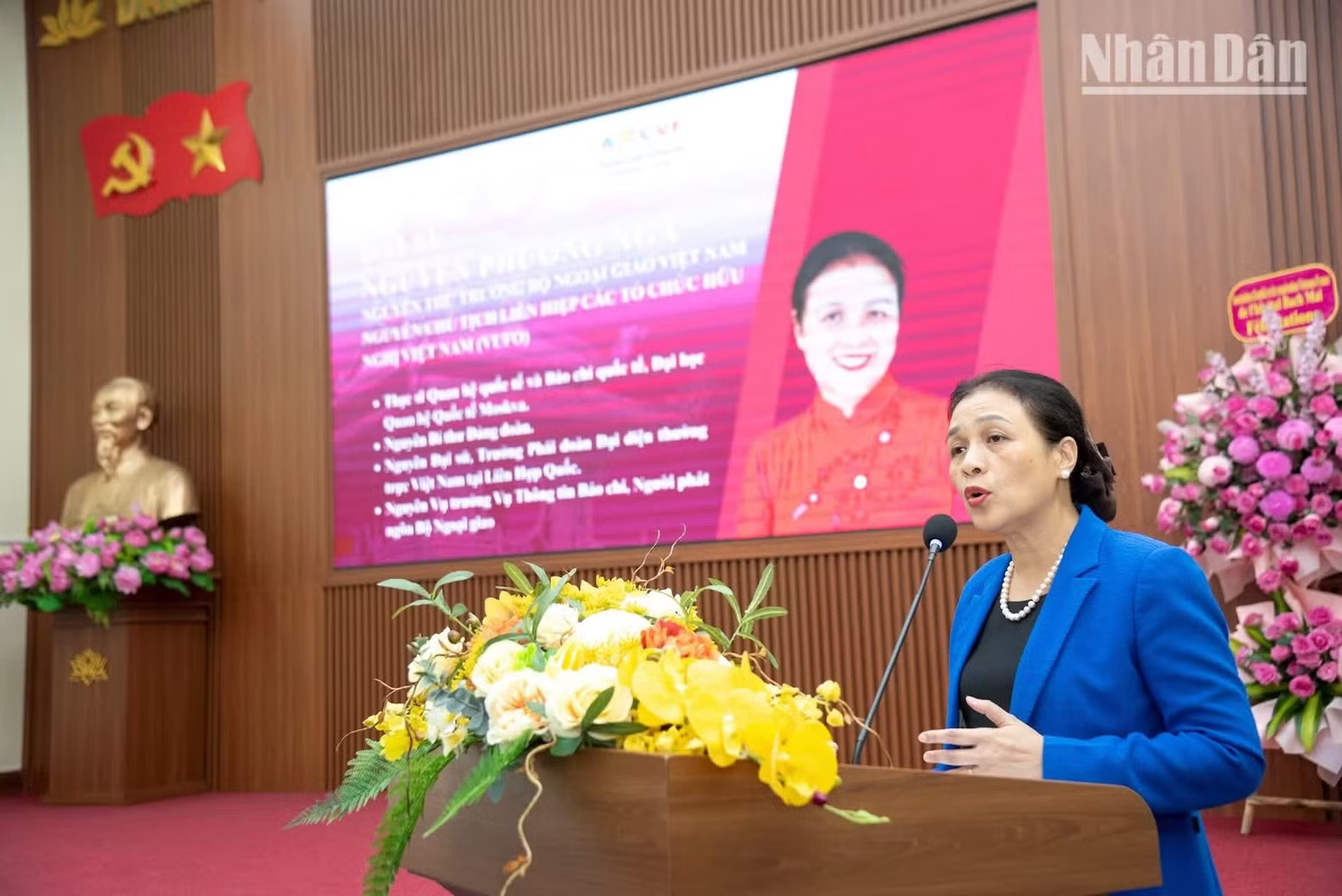
His thoughts stemmed from a profound love for humanity and the traditional Vietnamese philosophy of “placing the people at the centre”. President Ho Chi Minh won people’s hearts through morality and compassion in order to “make more friends and fewer enemies”, transforming adversaries into friends or, at the very least, making them more understanding and sympathetic.
History has also demonstrated the immense significance of the “three layers of solidarity” built by President Ho Chi Minh for the revolutionary cause: national unity within Viet Nam, solidarity among Viet Nam, Laos and Cambodia, and solidarity with peoples around the world.
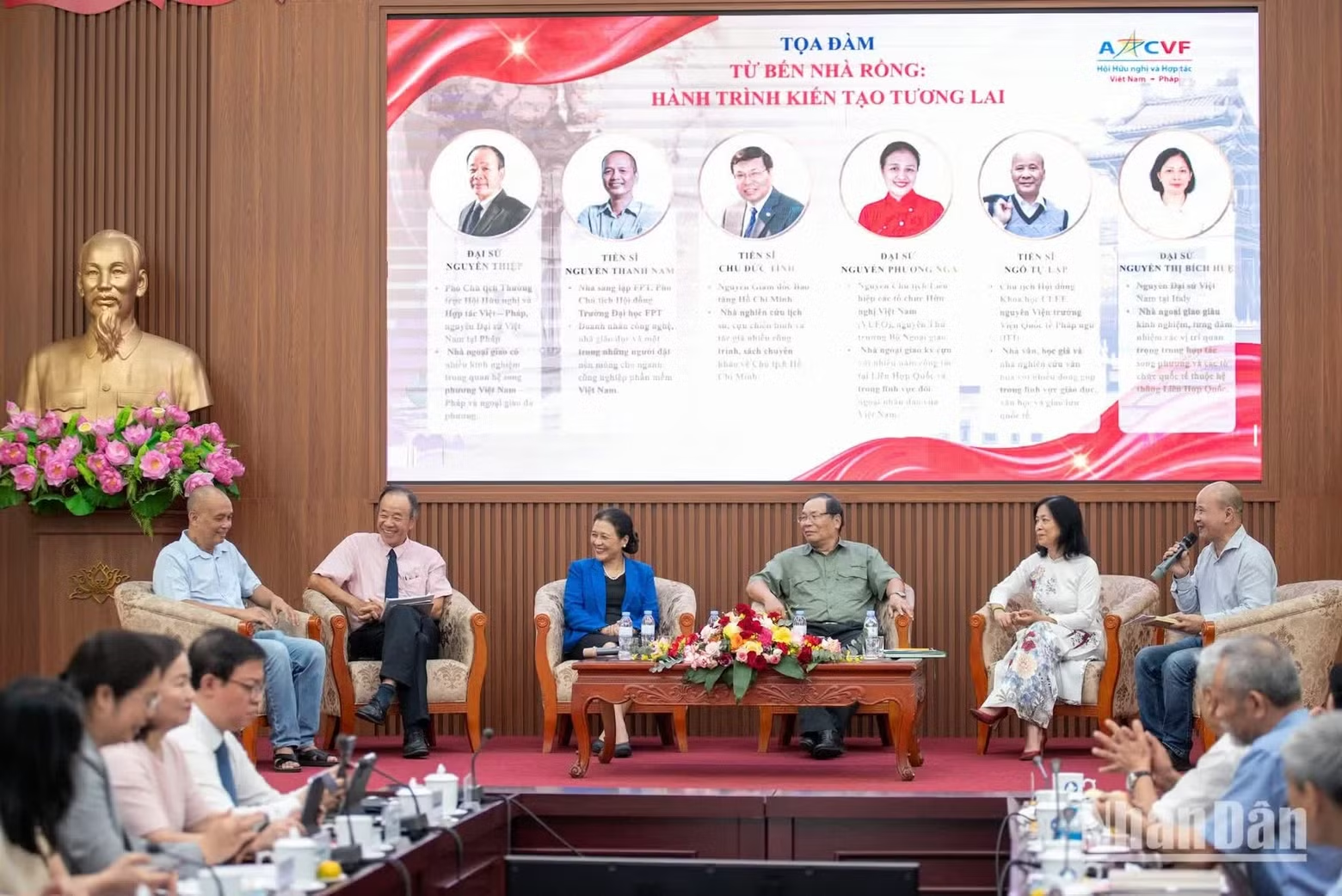
The seminar also featured numerous contributions from delegates and experts. Ambassador Nguyen Thi Bich Hue, former Vietnamese Ambassador to Italy, shared moving stories about the enduring imprint of President Ho Chi Minh in the “boot-shaped country”.
Ambassador Nguyen Thi Bich Hue noted that Italy currently has around 21 squares and locations named after President Ho Chi Minh, reflecting the deep admiration and affection that international friends hold for him.
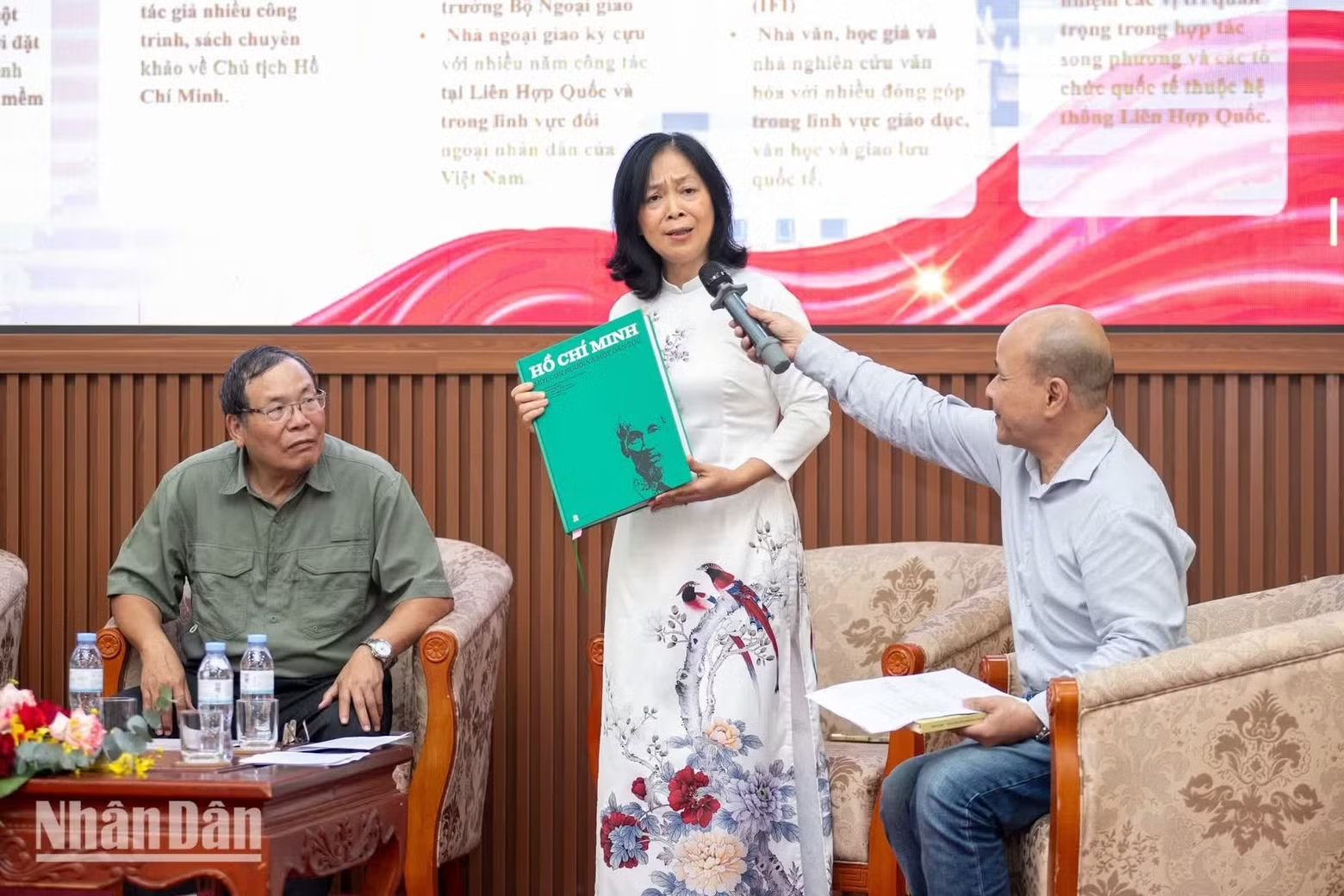
On this occasion, she also referred to a comic book about President Ho Chi Minh published in Italy during the 1960s and recalled how many Italians later joined the Communist Party out of sincere admiration for him.
Former Vietnamese Ambassador to France Nguyen Thiep highlighted President Ho Chi Minh’s stature through the objective perspectives and in-depth understanding of international scholars such as Sophie Quinn-Judge, William J. Duiker and Pierre Brocheux.
Drawing upon authentic sources in multiple languages, including archives from the Communist International, these historians consistently recognised President Ho Chi Minh’s noble moral character and profound patriotism.
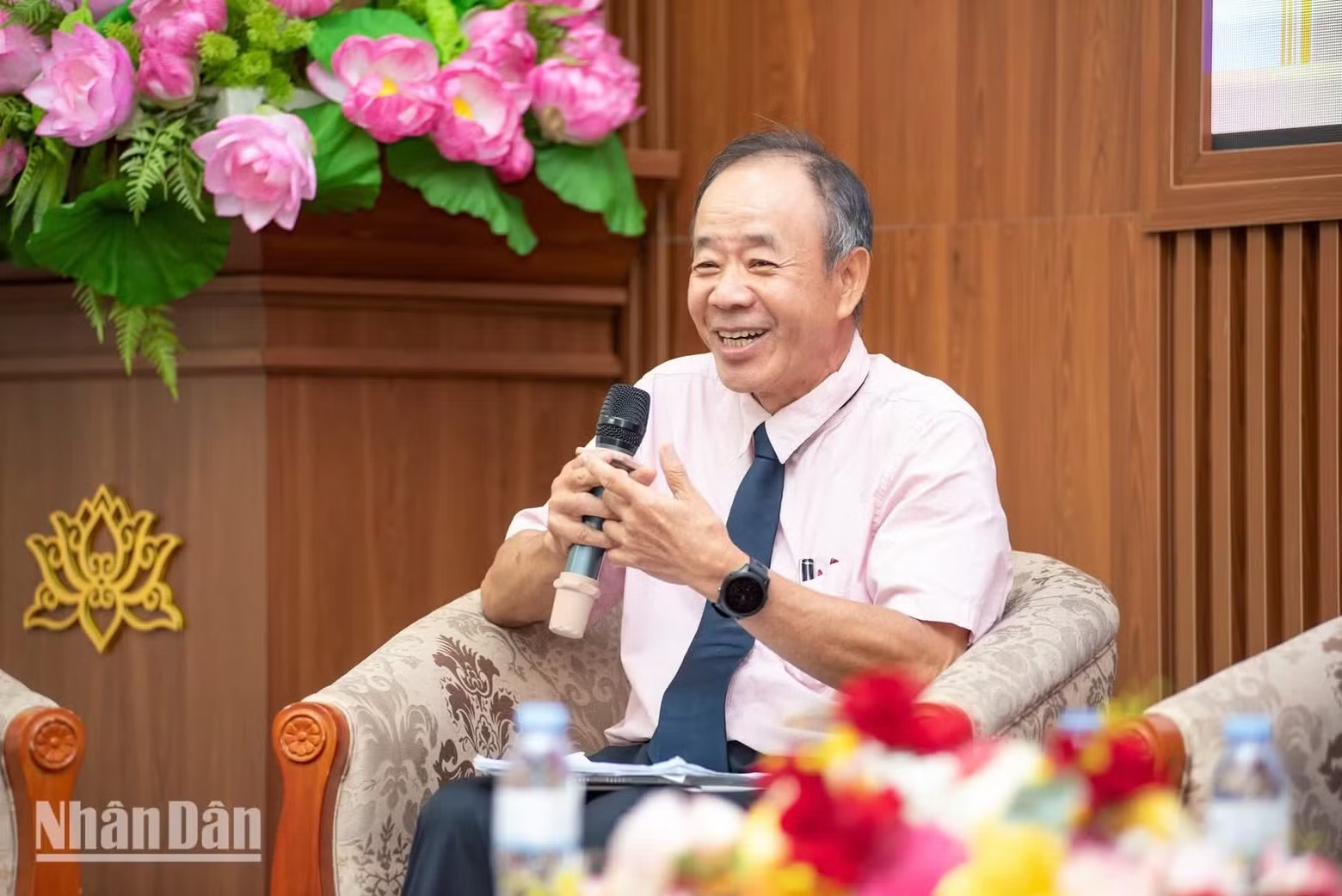
Representing bilateral friendship associations, Nguyen Dang Phat, Vice President and Secretary-General of the Viet Nam–Russia Friendship Association, emphasised President Ho Chi Minh’s special relationship with the Soviet Union and Russia — a historic period during which he discovered the light of Marxism-Leninism.
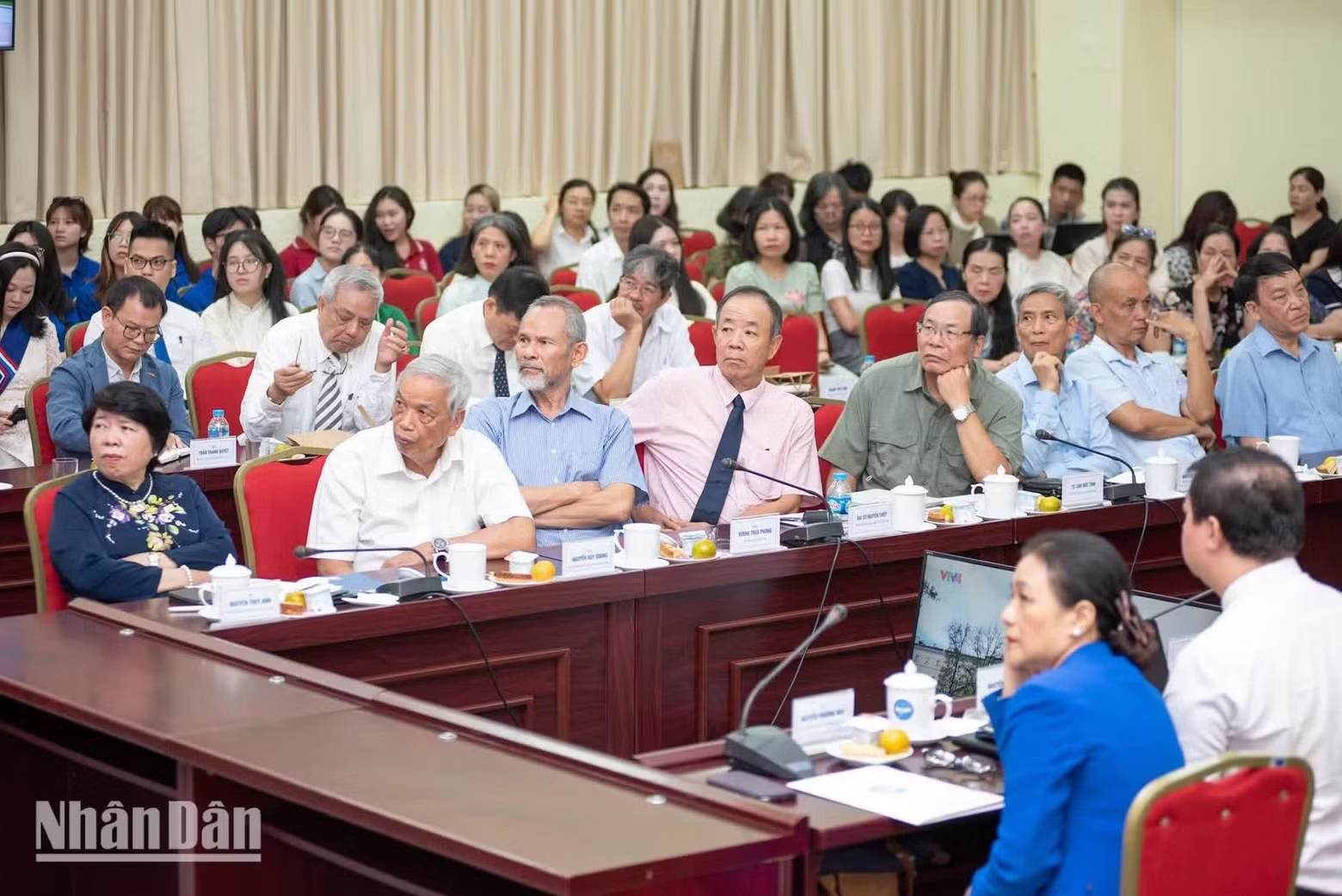
The Viet Nam–Russia Friendship Association has continuously worked to preserve and promote President Ho Chi Minh’s legacy through cooperation with Russian partners in researching archives, translating materials and publishing books about him. Nguyen Dang Phat also referred to regular educational activities held at localities associated with President Ho Chi Minh, such as Dong Thap, Nghe An and Cao Bang, aimed at engaging younger generations.
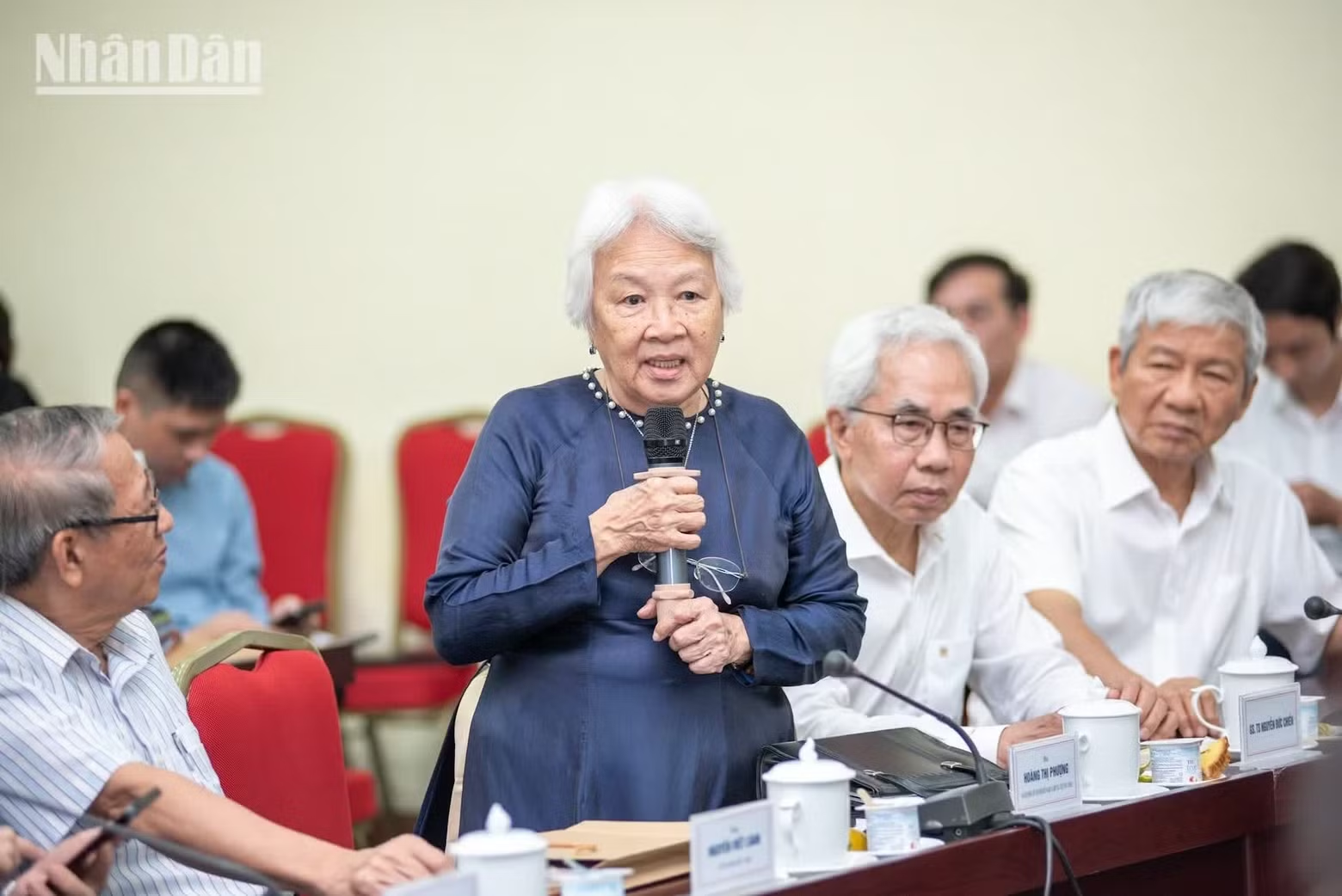
Phuong, an 86-year-old overseas Vietnamese born in New Caledonia to a family of indentured labourers originally from Hai Phong, still vividly remembers the profound influence President Ho Chi Minh had on Vietnamese workers abroad. She recalled the emotions of a five-year-old girl and the joy shared by overseas Vietnamese labourers upon hearing news of the Declaration of Independence in 1945.
One particularly memorable detail from her recollections was the advice of her father, who held deep respect for President Ho Chi Minh. Inspired by President Ho Chi Minh’s call for a modest, civilised and modern lifestyle, as well as her father’s guidance, Phuong has kept her hair short continuously since 1947.
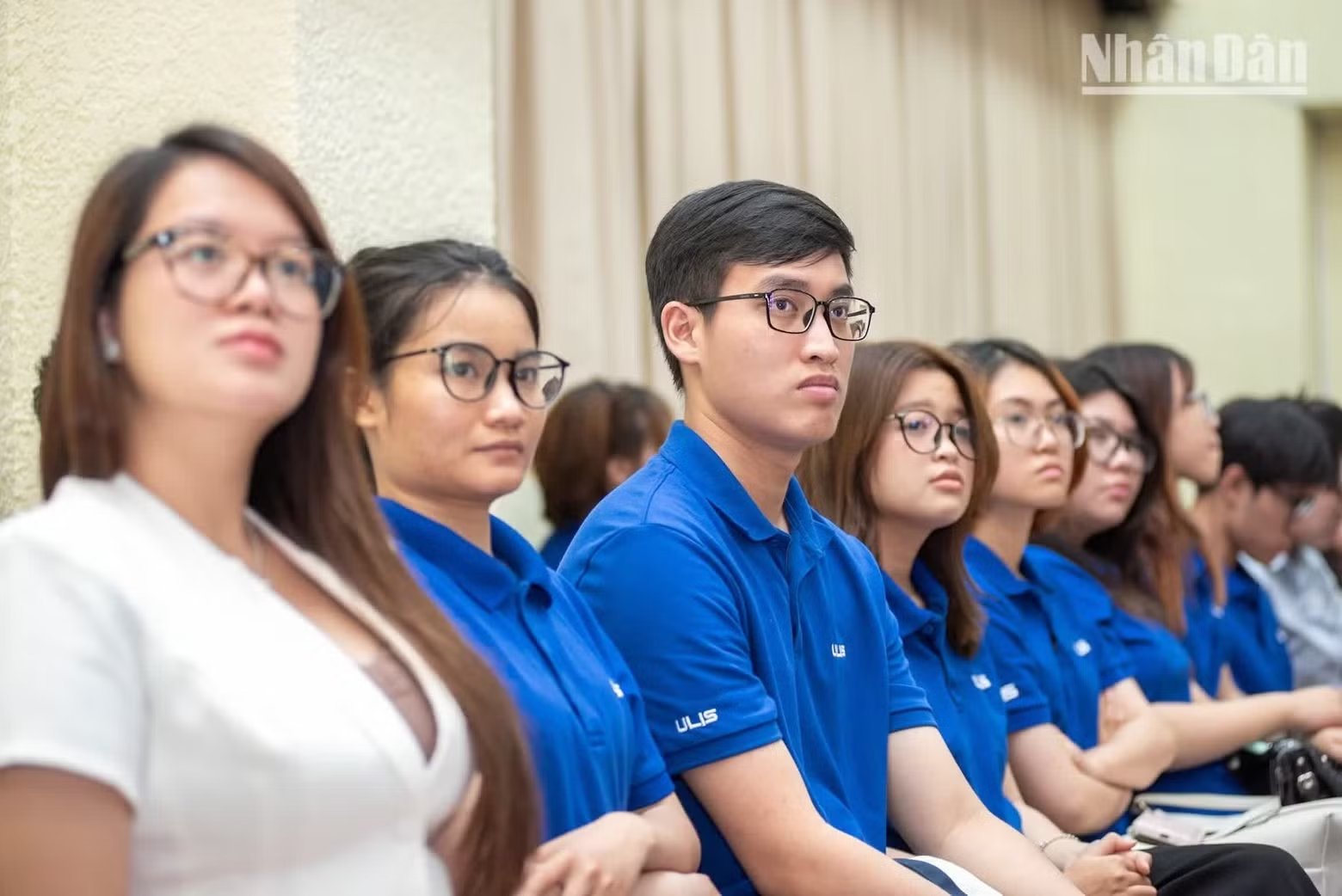
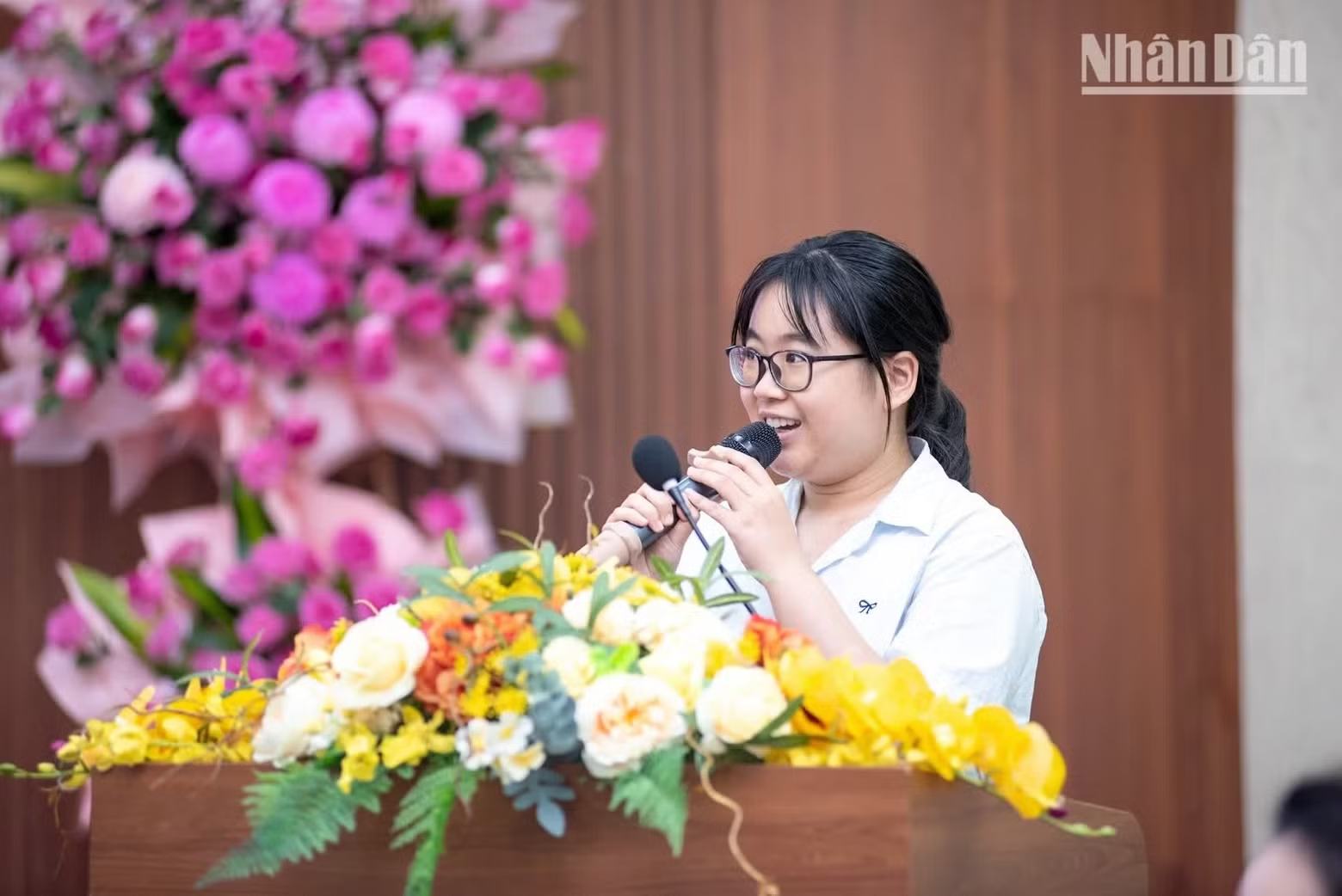
Representing the younger generation attending the seminar, student Chau Anh from the University of Languages and International Studies under Viet Nam National University, Ha Noi, expressed her happiness and deep gratitude for being able to live and study in a peaceful country with favourable conditions for development.
Chau Anh stressed that young people today are fully aware that the opportunities they enjoy are the result of the sacrifices and resilience of previous generations. The clearest expression of gratitude among Vietnamese youth towards President Ho Chi Minh’s vision for the future and the contributions of earlier generations lies in their determination to strive, continue learning and dedicate themselves to the country.
The seminar “From Nha Rong Wharf: A Journey to Shape the Future” left behind lasting impressions and lessons that remain profoundly relevant today. The long journey undertaken by the young patriot Nguyen Tat Thanh in 1911 in search of a path to national salvation not only became a guiding torch for the Vietnamese people, but also continues to inspire the nation as it advances into a new era.